



Vintage Floral Fabric Sofa
A vintage floral fabric sofa brings pattern and traditional seating into a room, spanning periods from the eighteenth century to the twentieth.
Vintage Floral Fabric Sofa
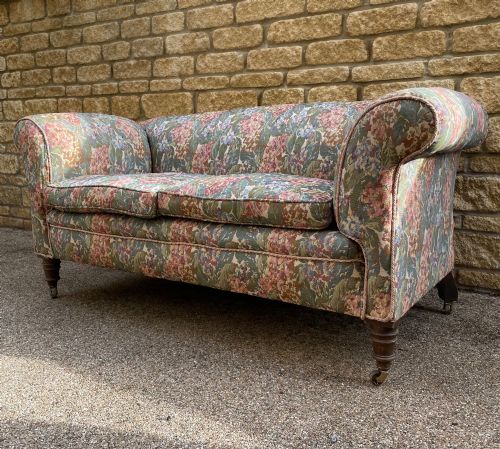
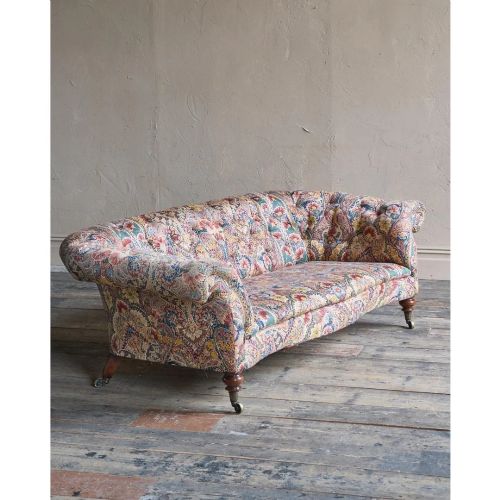
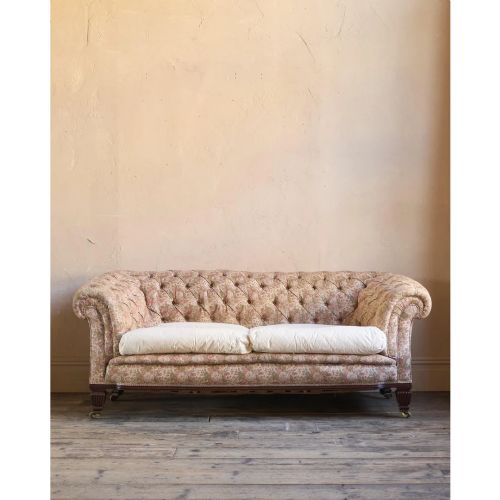
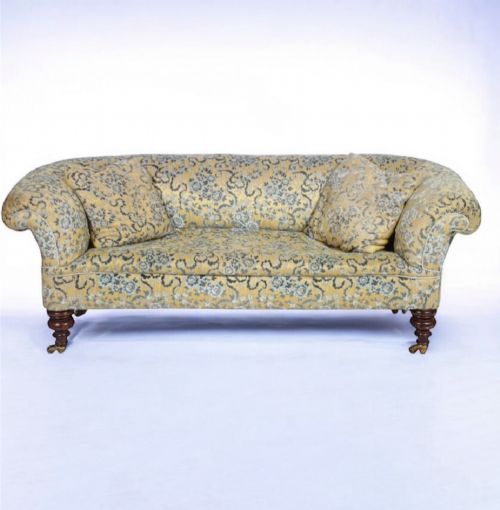
When you search for a vintage floral fabric sofa, you encounter large upholstered seating options ranging from nineteenth-century Chesterfields to early twentieth-century pieces. These items span Victorian, Edwardian, and eighteenth-century periods, showing forms such as settees, camel back sofas, and drop arm designs.
The pieces listed on this page include nineteenth-century Chesterfiles alongside Edwardian models and pieces covered in cotton chintz or historic textiles. Many examples reflect English country house aesthetics, French country styles, and traditional craftsmanship.
Buyers most frequently meet nineteenth-century Chesterfield sofas and Edwardian pieces upholstered in patterned fabric or cotton. These range from two-seater models to larger three-seater Knowle sofas and Portarlington designs.
How they were made
Construction relies upon timber frameworks built from mahogany or walnut, providing structural support beneath the padding and upholstery. Brass accents occasionally appear on castors or decorative elements associated with these frames.
Upholstery uses materials such as cotton, cotton chintz, and general upholstery fabric to cover the seats. Some pieces retain original ticking upholstery or incorporate eighteenth-century Belgian linen elements.
Vintage Floral Fabric Sofa Retail Price Guide 2026
Typical asking prices for vintage floral fabric sofa among the pieces listed under this phrase on Sellingantiques today, from the lower quarter to the upper quarter. They describe what is for sale here now, not the wider market.
Some antique cushion covers boast eighteenth-century Belgian linen backs paired with modern feather inners for practical comfort.
What varies in quality
The integrity of the underlying timber frame distinguishes different examples, with walnut and mahogany structures offering superior longevity compared to lesser woods. Original upholstery materials, such as historic cotton chintz or retained ticking, also influence the character of each piece.
Proportion and stylistic execution separate standard examples from finer works, particularly in forms like the Queen Anne settee or the traditional Chesterfield. The execution of classical styles such as Chippendale dictates the visual weight and presence of the furniture.
Howard and Sons·Colefax and Fowler
The Vintage Floral Fabric Sofa Glossary
- Chesterfield sofa
- A deep-buttoned upholstered sofa traditionally featuring rolled arms of the same height as the back. This form appears frequently in nineteenth-century examples.
- Knowle Sofa
- A traditional English sofa style featuring hinged or drop arms that can be adjusted or kept upright with cords. This form is represented among the later pieces.
- Cotton chintz
- A glazed or unglazed printed cotton fabric often featuring floral patterns. It serves as a primary upholstery material across various periods.
- Drop arm
- A functional mechanism allowing one or both arms of a sofa to be lowered. This feature appears on specific Victorian two-seater models.
Vintage Floral Fabric Sofa: Frequently Asked Questions
How do I identify a Victorian Chesterfield sofa?
Victorian Chesterfield sofas typically feature deep button-tufting and rolled arms that match the height of the backrest. These nineteenth-century pieces often use robust timber frames beneath traditional upholstery.
Examining the underlying construction and the style of the feet helps confirm the period. Many examples retain characteristic nineteenth-century proportions.
What is a Knowle sofa?
A Knowle sofa is a distinct seating form characterised by high, straight backs and adjustable arms attached with wooden posts and cords. This traditional English design provides a formal silhouette.
Versions from the early twentieth century often feature floral upholstery. The movable arms remain the primary identifying feature of this type.
Are these sofas suitable for daily use?
These sofas accommodate regular seating depending on the condition of the internal padding and frame. Pieces from the nineteenth and twentieth centuries were built for domestic utility using solid timber.
Maintenance requirements vary based on whether the upholstery is original or restored. Buyers should consider the fabric durability alongside the frame stability.
What materials are common in these frames?
Frames are constructed primarily from traditional hardwoods such as mahogany and walnut. These timbers provide the structural strength required for large seating furniture.
Brass components, including castors, occasionally support the wooden legs. Upholstery fabrics range from cotton chintz to heavy linen.