

Vintage Fitted Bureau
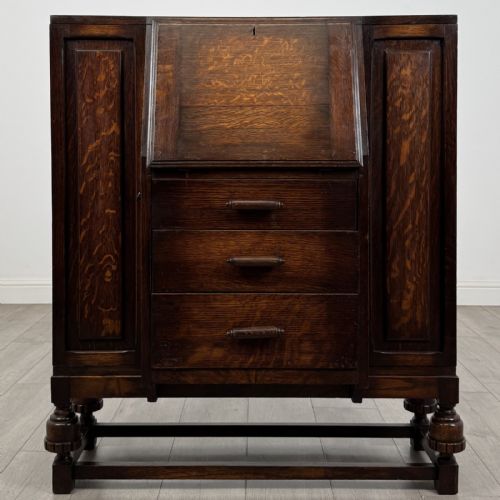
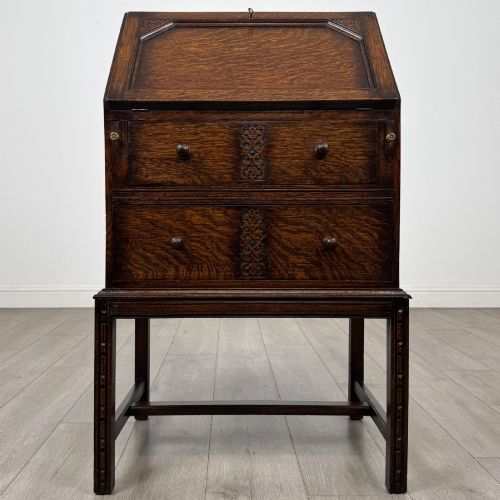
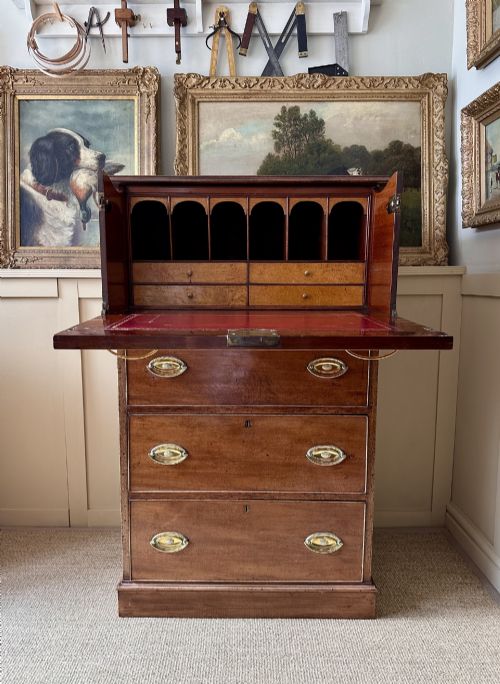
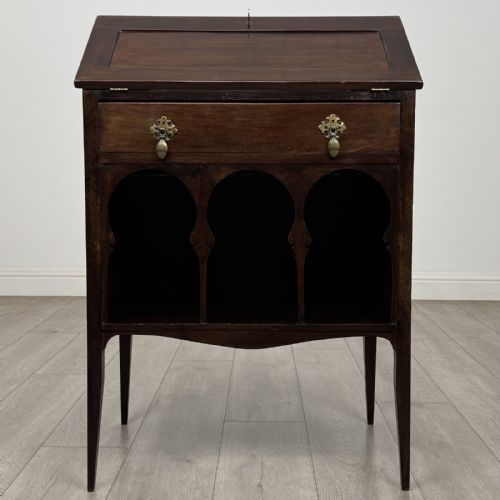
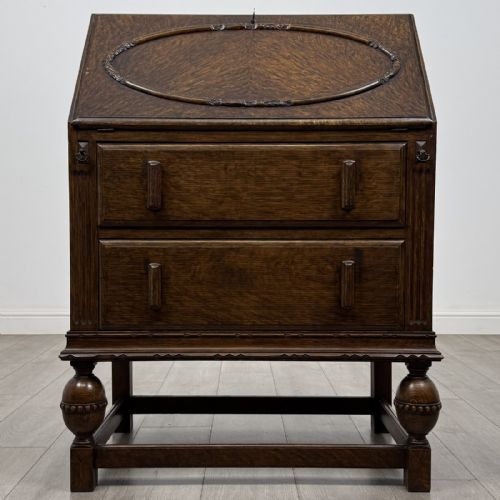
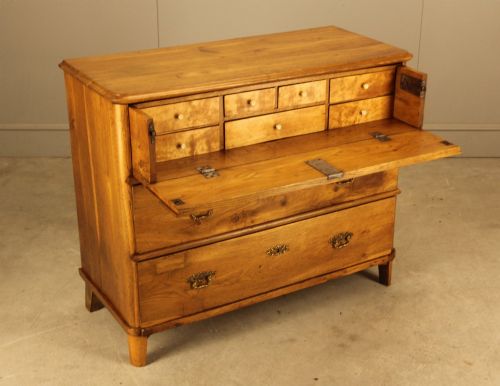
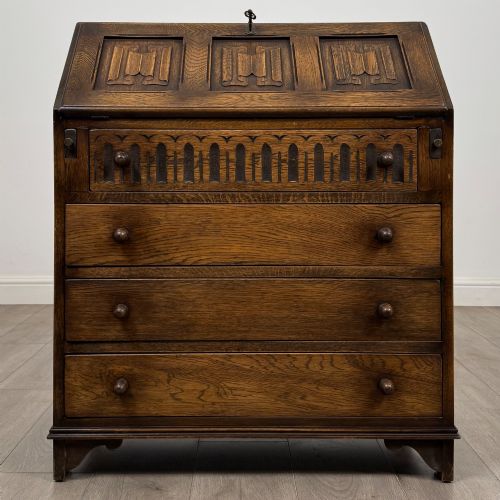
A vintage fitted bureau provides a dedicated writing space housing clever pigeonholes and secret compartments behind a drop-down flap.
Vintage Fitted Bureau
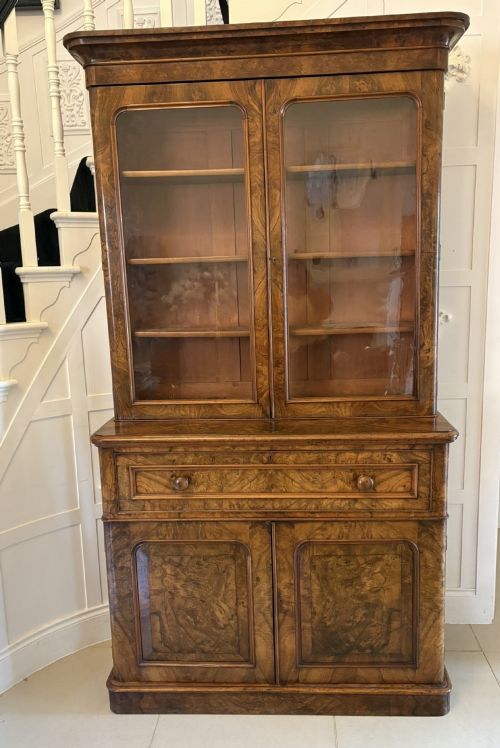
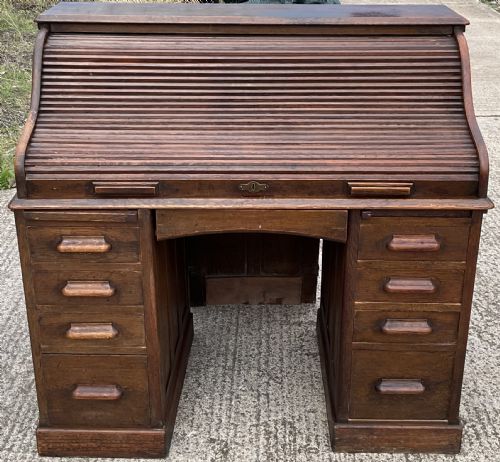
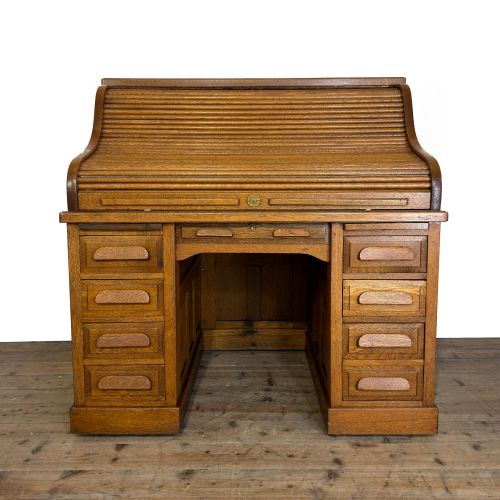
A vintage fitted bureau combines a desk surface with enclosed storage compartments designed for correspondence and paperwork. When you search for a vintage fitted bureau, you encounter forms ranging from drop-flap writing desks to roll-top desks and secretaire chests.
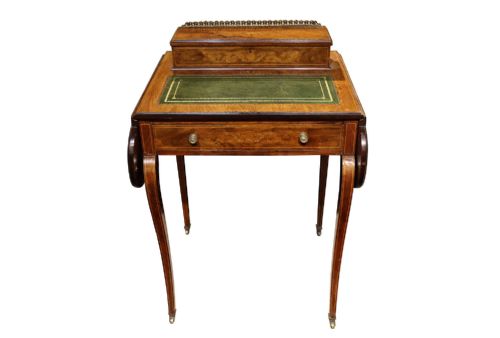
The Edwardian era and the 19th century supply the majority of examples seen on this page, alongside Georgian, Victorian, 1920, 1930, and 18th-century pieces. Solid oak and mahogany dominate the construction, often enhanced by satinwood inlay, brass hardware, and leather writing surfaces.
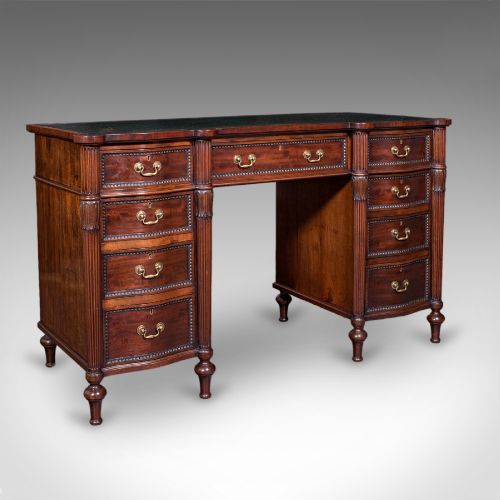
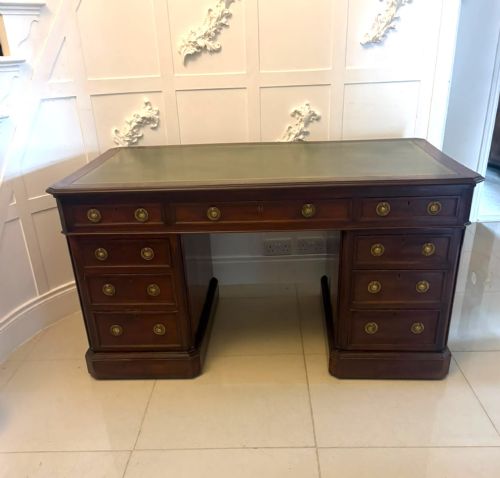
Beyond standard drop-front bureaux, listings include cylinder-top desks, secretaire bookcases, and pedestal kneehole desks. Each variant provides concealed internal drawers, shelves, and pigeonholes tailored for domestic administration.
Materials and construction techniques
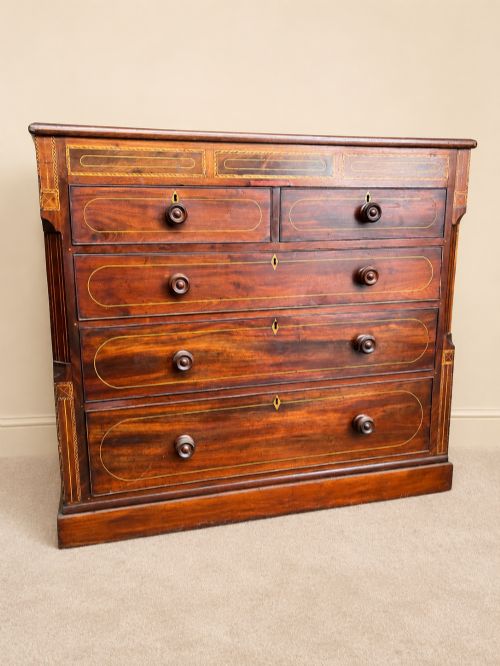
Cabinet makers utilised dense hardwoods including mahogany, oak, and walnut, selecting figured grains and flame veneers for visible exterior surfaces. Satinwood inlay provides decorative contrast on Edwardian and Regency pieces.
Internal compartments require precise joinery for small pigeonholes, sliding trays, and secret drawers contained within the fitted writing space. Brass handles, escutcheons, and hinges secure and operate the drop-down writing flaps and drawers.
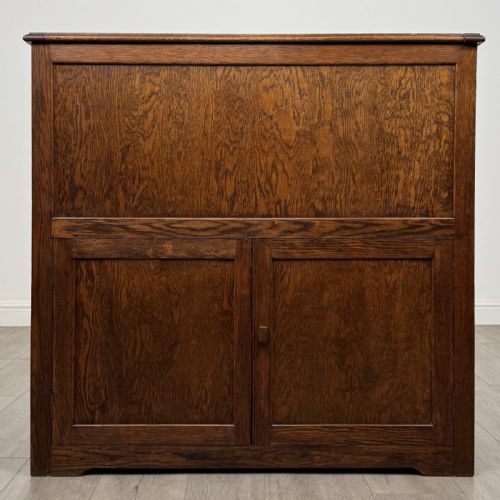
Leather inserts supply a smooth writing plane on many desks, while roll-top mechanisms rely on closely fitted wooden slats running in curved tracks.
Vintage Fitted Bureau Retail Price Guide 2026
Typical asking prices for vintage fitted bureau among the pieces listed under this phrase on Sellingantiques today, from the lower quarter to the upper quarter. They describe what is for sale here now, not the wider market.
Listings span from the 18th century through the Georgian, Victorian, Edwardian, and Art Deco periods, predominantly in mahogany and oak.
Distinctions in quality
The calibre of timber selection and veneer matching defines the visual standing of a piece, separating standard utility furniture from sophisticated cabinet work. Figured mahogany, burr walnut, and choice oak demonstrate superior raw materials chosen by the maker.
Internal complexity elevates a desk, seen in intricately arranged pigeonholes, miniature drawers with hand-cut dovetails, and concealed locking compartments. The smoothness of mechanical elements, such as folding flap supports and roll-top tambour tracks, indicates execution precision.
Heal's
The Vintage Fitted Bureau Glossary
- Bureau
- A writing desk featuring a sloping hinged lid or fall-front that opens to reveal internal compartments and a writing surface. It often sits above a chest of drawers.
- Secretaire
- A piece of furniture containing a concealed desk drawer or drop-front writing compartment disguised as a standard drawer or cabinet door. It frequently forms part of a tall chest or bookcase.
- Pigeonhole
- A small, open compartment within a fitted desk interior used for sorting letters and papers. These compartments sit above the main writing surface.
- Tambour
- A flexible shutter formed of narrow strips of wood glued to canvas, allowing a roll-top desk lid to curve smoothly around a track. This mechanism conceals the desk interior when closed.
- Escutcheon
- A protective metal plate surrounding a keyhole, usually cast in brass to complement the wood of the bureau.
Vintage Fitted Bureau: Frequently Asked Questions
What is a fitted bureau?
A fitted bureau is a writing desk with a hinged flap that drops down to create a writing surface. Inside, it contains an arrangement of small drawers and pigeonholes.
These interior compartments are designed for organising stationery, letters, and documents securely out of sight.
How do roll-top desks work?
Roll-top desks utilise a flexible wooden shutter known as a tambour to cover the workspace. The wooden slats slide along curved grooves cut into the sides of the desk frame.
Pulling the tambour down secures the entire writing area and locks the internal compartments.
What is a secretaire chest?
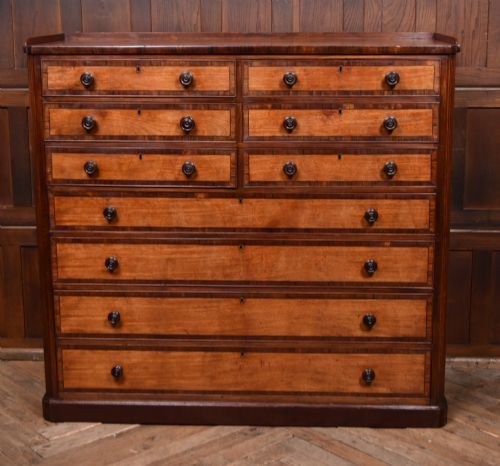
A secretaire chest resembles a standard chest of drawers from the outside, but the top drawer pulls forward and drops down. This drawer contains a fitted interior with writing space and small compartments.
This design combines the storage capacity of a chest of drawers with the function of a writing desk.
How do I identify an Edwardian bureau?
Edwardian bureaux often feature lighter timbers like satinwood inlay combined with oak or mahogany. They frequently exhibit classic revival styles or simpler domestic proportions.
These pieces typically date from the early 20th century and emphasise practical home administration.