


Vintage Fireplace Fender Seat
A vintage fireplace fender seat brings fireside seating and robust metal framing together, turning a hearth into a social centre.
Vintage Fireplace Fender Seat
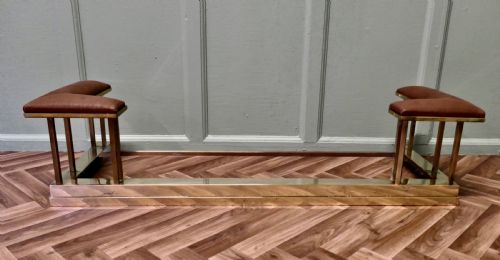
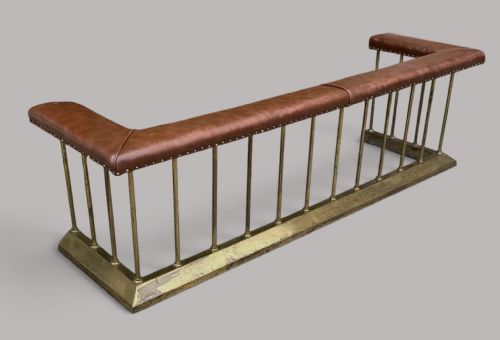
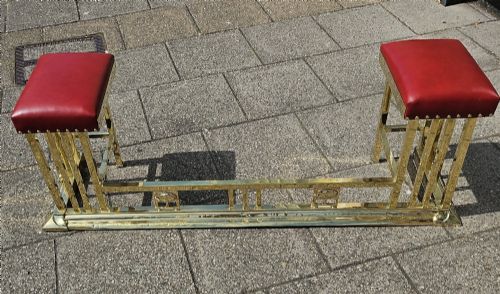
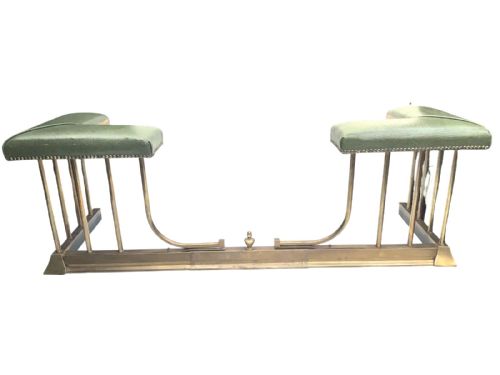
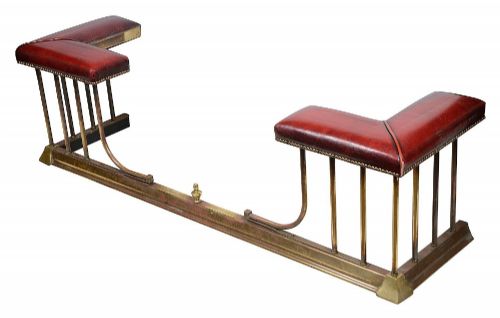
A vintage fireplace fender seat combines a low hearth barrier with padded upholstery, offering a traditional spot to sit close to the fire. When searching for a vintage fireplace fender seat, buyers encounter structures built to frame open grates in period rooms.
The pieces listed span the nineteenth century through the 1930s, taking the form of club fenders, fireside benches, and footstools. Edwardian and Victorian examples appear frequently alongside Art Deco and Arts and Crafts variants.
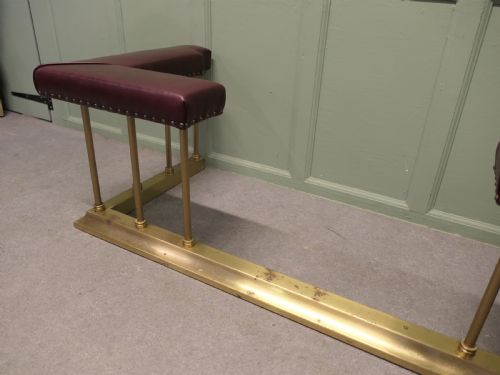
Most variations include metal rails fitted with leather-topped cushions, though some employ oak frames or steel supports. These configurations provide both safety for the hearth and practical seating for drawing rooms.
How they were made
Maker construction relies heavily on metalworking, using brass, steel, iron, and copper to form the structural base and upright supports. Workshops shaped these metals into rigid frames designed to withstand daily heat and use.
Upholstery forms the second primary component, incorporating mature tan or green leather stretched over padded seats. Timber elements in oak and mahogany occasionally supplement the metal framework, particularly in Arts and Crafts designs.
The listings show materials spanning brass, steel, oak, iron, copper, wrought iron, and mahogany across Victorian to 1930s periods.
What varies in quality
Substantial weight separates heavier architectural pieces from lighter domestic versions, with robust brass or steel frameworks indicating superior grade construction. The thickness of the metal tubing and the solidity of the corner joints determine overall stability.
Leather selection and upholstery execution dictate the finish of the seat, where hand-tooled hides and traditional stuffing outlast modern replacements. Carved wooden details on specific Arts and Crafts frames also reflect superior workshop input.
William Birch
The Vintage Fireplace Fender Seat Glossary
- Club fender
- A low fireside seat featuring a metal frame and a padded leather top. This form allowed Victorian and Edwardian household members to sit directly beside the hearth.
- Brass
- A copper and zinc alloy valued for its bright golden finish and durability. It serves as the primary metal in many Victorian and Edwardian examples.
- Chesterfield seat
- An upholstered cushion style characterised by deep buttoning. It provides firm support on top of the metal fender frame.
- Arts and Crafts
- A design movement emphasising handcraftsmanship and simple construction. Pieces from this style often incorporate exposed oak and carved detailing.
- Art Deco
- A twentieth-century style marked by geometric lines and streamlined forms. Examples from this period display distinct industrial influences.
Vintage Fireplace Fender Seat: Frequently Asked Questions
What is a club fender?
A club fender is a low metal frame with an upholstered seat designed to fit around an open fireplace. It keeps people at a safe distance from the flames while providing comfortable seating.
Originating in nineteenth-century country houses, these pieces turned empty hearth spaces into social areas. They remain practical additions to functional fireplaces.
How do I measure for a fender?
Measure the width and depth of your fireplace hearth to ensure the internal dimensions of the fender clear the opening. Account for any protruding hearth stones or surrounds.
Leave sufficient space around the grate so the metal structure sits securely without crowding the fire. Height matters too, as you need to match the seat level to your room's proportions.
Are these seats comfortable?
The leather-topped cushions provide a firm, upright seat designed for short periods by the fire. Traditional stuffing keeps the surface supportive.
While not built as lounge furniture, they offer a sturdy perch close to the warmth. The height is typically lower than a standard dining chair.
How do I care for the leather?
Clean the leather surface with a dry cloth and apply occasional leather balsam to keep the hide supple. Avoid placing the fender too close to excessive direct heat.
Treating the metal components requires only a soft cloth to remove dust. Regular light maintenance preserves both the brass finish and the leather patina.