
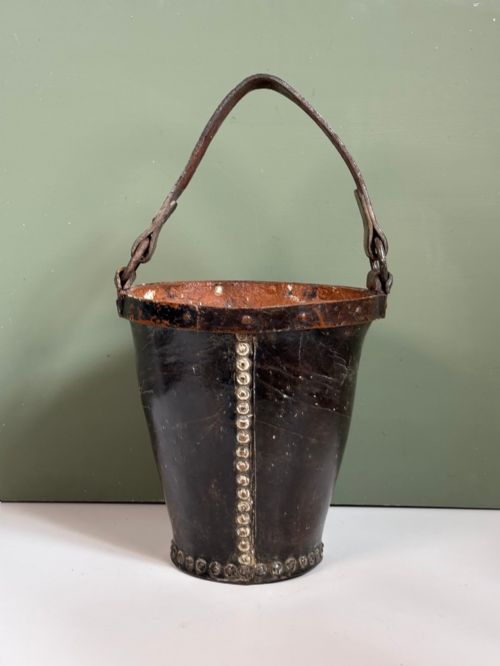


Vintage Fire Scuttle
These vintage fire scuttle designs combine sturdy utility with period metalwork, offering a practical way to store hearth fuel beside the fireplace.
Vintage Fire Scuttle
A vintage fire scuttle is a fireside vessel designed to hold coal, logs, or kindling near the hearth. The pieces found on this page span the nineteenth century through the early twentieth century, taking forms such as coal boxes, log bins, and buckets.
The materials vary across brass, copper, iron, zinc, leather, and oak. Styles range from Victorian and Arts and Crafts to English Traditional, French Country, and Art Nouveau.
Buyers will encounter items described variously as coal buckets, cauldrons, purdoniums, and coopered fire buckets. Each serves the same fundamental domestic purpose while reflecting the aesthetic preferences of its period of manufacture.
Materials and construction
Metal vessels rely heavily on hand-beaten copper and heavy brass, often shaped with riveted seams and reinforced rims. Iron and zinc also appear, providing structural rigidity for daily domestic use.
Wooden examples utilise traditional coopering techniques, binding staves of oak or mahogany with brass hoops. Leather variants, such as boiled leather buckets, demonstrate alternative stiffening methods suited to holding fuel.
Some nineteenth-century naval fire buckets bear official armorial crests, having served aboard Royal Navy warships before retiring to the fireside.
Variations in quality
Quality rests upon the gauge of the metal, the integrity of the joinery, and the weight of the handles and mounts. Thicker copper sheets and substantial brass furniture indicate superior craftsmanship.
In wooden and leather pieces, tight staves, secure brass binding, and well-preserved surface patination distinguish finer items from standard utility wares.
The Vintage Fire Scuttle Glossary
- Coopered
- Made by a cooper using staves and metal hoops to form a watertight or sturdy vessel. Oak and mahogany fire buckets frequently use this construction method.
- Purdonium
- A specialised box or scuttle designed for storing coal beside a fireplace, often featuring a sloping front or drop-down lid. These appeared frequently in Victorian interiors.
- Ferrat
- A traditional metal vessel or bucket used for transporting fuel or ashes. French examples in copper often carry this designation.
- Boiled leather
- Leather treated by immersion in hot water or wax to harden it into a rigid shape. This technique created durable fire buckets.
- Arts and Crafts
- A design movement emphasising handcraftsmanship and simple forms over mass production. Copper buckets from this period often display visible hand-beating marks and rivet work.
Vintage Fire Scuttle: Frequently Asked Questions
What is a fire scuttle used for?
A fire scuttle serves as a container for holding coal, logs, or kindling close to an open hearth. They were essential domestic items before central heating.
Today, they function as practical fuel holders or decorative fireside accessories in living rooms and studies.
How do I clean antique copper?
Antique copper requires gentle cleaning to preserve its historic surface patination and warmth. Many collectors prefer to leave the natural ageing undisturbed rather than polishing it to a bright shine.
Use a soft cloth and mild soap if washing is necessary, avoiding abrasive compounds that strip the metal's character.
Are these items waterproof?
While many metal scuttles and coopered wooden buckets were originally built to hold solid fuel, older vessels can develop leaks over time. It is wise to test wooden and leather versions before placing wet logs or standing water inside them.
Using a modern liner inside the vessel protects the historic material from moisture damage.
How do I date a copper coal bucket?
Dating relies on manufacturing techniques, such as the transition from hand-beaten seams with hand-cut rivets to machine-rolled metal sheets. Stylistic indicators like Art Nouveau whiplash lines or Arts and Crafts plain surfaces also help assign a period.
Examining the wear on the base and handles provides further clues to the age of the piece.