





Vintage Figural Silver
These vintage figural silver pieces bring animal and human forms to the table, desk, and shelf through solid metal and plated work.
Vintage Figural Silver
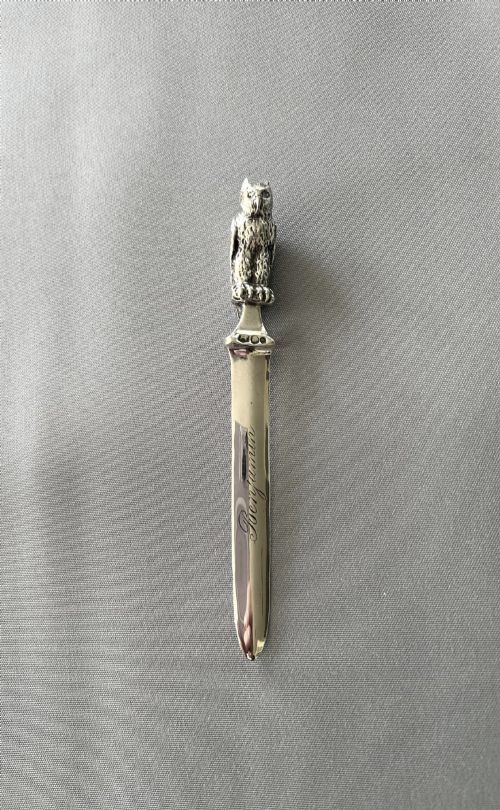
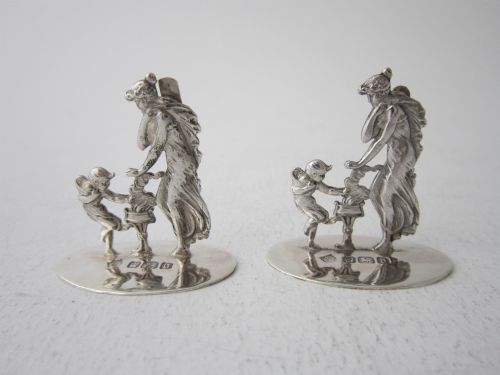
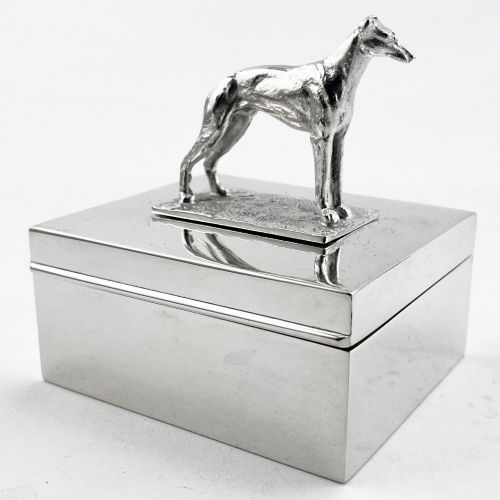
Vintage figural silver encompasses items shaped like animals, birds, and human figures, including pin cushions, letter openers, cruet sets, and candlesticks. These objects serve both decorative and functional roles across domestic settings, moving from desk accessories to dining table ornaments.
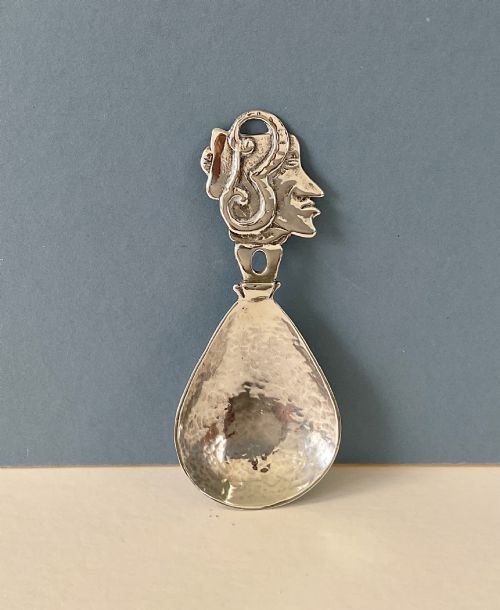
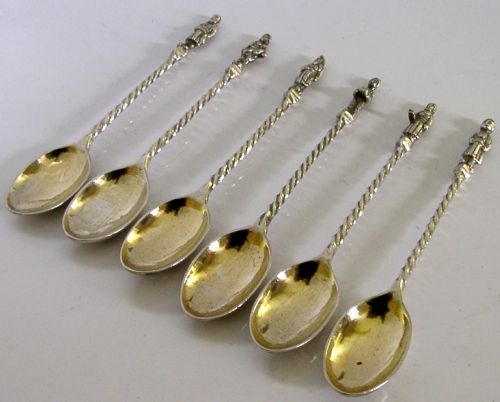
The pieces appearing on this page stretch from the Victorian and Edwardian eras into the Art Nouveau, Arts and Crafts, and Art Deco periods. Buyers frequently encounter smaller novelty items like animal pin cushions and spoons alongside larger lamps, centrepieces, and statuary.
How they were made
Maker workshops utilised sterling silver and silver plate alongside alternative metals such as pewter, spelter, and bronze. Artisans shaped these materials through casting, repoussé work, and fine hand-chasing to achieve distinct anatomical and sculptural details.
Many objects incorporate contrasting elements like marble bases, glass panels, alabaster, and velvet linings. These mixed media pieces highlight the decorative priorities of specific periods, pairing metal figures with stone and enamel.
Vintage Figural Silver Retail Price Guide 2026
Typical asking prices for vintage figural silver among the pieces listed under this phrase on Sellingantiques today, from the lower quarter to the upper quarter. They describe what is for sale here now, not the wider market.
Listings span multiple decades, incorporating Victorian, Edwardian, and Art Deco pieces alongside earlier nineteenth century works.
What varies in quality
The integration of secondary materials also shapes the standard of a piece. Well-fitted marble bases, crisp hallmarks, and intact enamel panels demonstrate superior workshop execution.
WMF·Berthold Herman Muller·Alexandre Clerget·Herzig·Antoine Bofill
The Vintage Figural Silver Glossary
- Repoussé
- A metalworking technique where the artisan hammers the design from the reverse side to form a raised pattern on the front. This method appears on spoons and decorative vessels.
- Pin Cushion
- A small domestic accessory designed to hold sewing pins, frequently fashioned in the shape of animals like pigs, lions, and swans during the Edwardian period.
- Spelter
- An alloy of zinc and other metals utilised as a base for cast figures, often given a silvered or bronze finish. It serves as an alternative to solid silver in Art Deco sculptures and lamps.
- Cruet Set
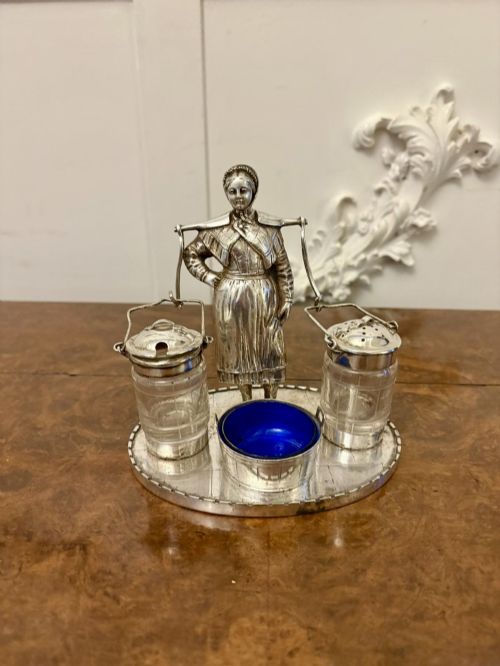
- A matched collection of small containers for condiments, sometimes configured in novelty animal or figural forms on silver plated stands.
- Torchere
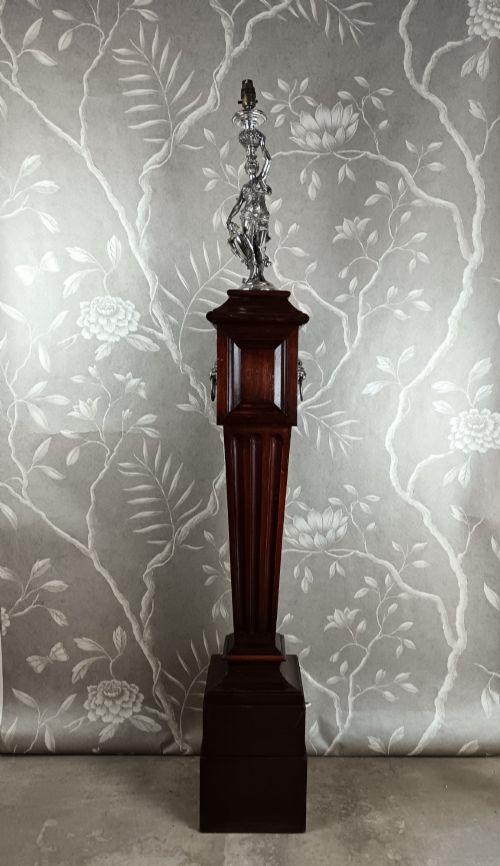
- A tall stand or pedestal supporting a lamp or figure, seen here in floor-standing pieces marked by period metalwork manufacturers.
Vintage Figural Silver: Frequently Asked Questions
How do I identify Art Deco figural pieces?
Art Deco pieces typically feature stylised human dancers, female figures, and animals executed in chrome, silver plate, or spelter around nineteen thirty. They frequently incorporate geometric marble or alabaster bases.
These items reflect the modern aesthetic of the interwar period, contrasting with the flowing floral lines of earlier Art Nouveau designs.
What is the difference between silver and silver plate?
Solid silver objects consist of precious metal throughout, often bearing sterling hallmarks that indicate the metal standard. Silver plated items use a base metal core coated with a thin layer of silver.
Both materials were utilised across the nineteenth and twentieth centuries for figural novelties, tableware, and lighting.
How were novelty cruet sets used?
Novelty cruet sets held condiments like salt, pepper, and mustard on the dining table during Victorian and Edwardian meals. Their figural silver plated frames added a decorative conversation piece to formal dining.
Sets often incorporated animal or figural motifs alongside glass or ceramic containers.