



Vintage Figural Light
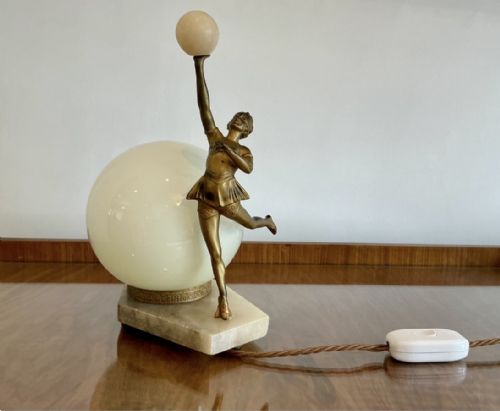
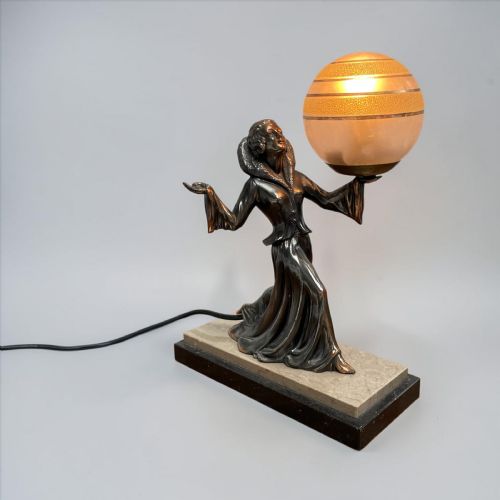
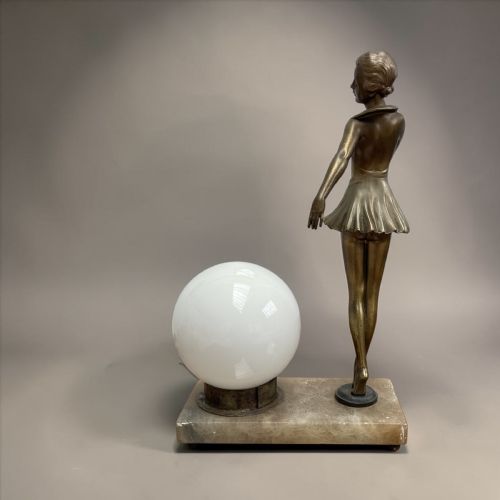
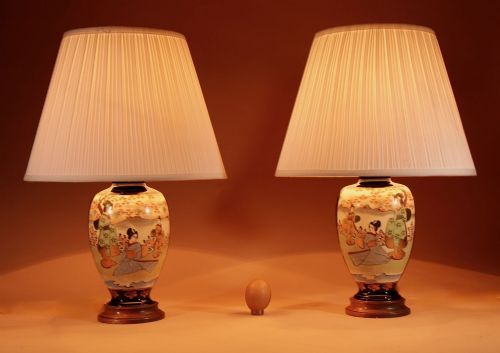
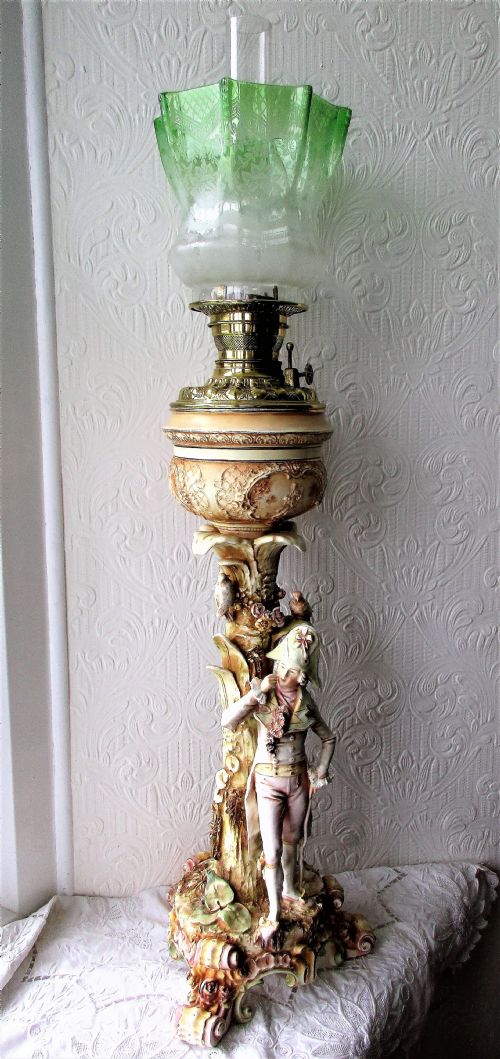
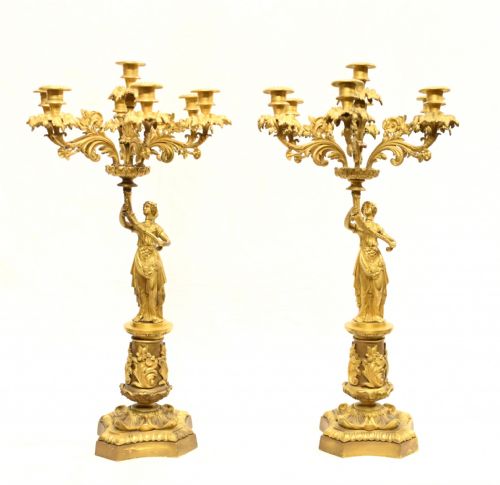
These vintage figural light examples bring human and animal forms into interior illumination, merging sculptural character with functional design.
Vintage Figural Light
A vintage figural light integrates human or mythological figures into forms such as table lamps, wall sconces, candlesticks, and floor lamps. Buyers encounter these across periods ranging from the nineteenth century through the Art Deco era.
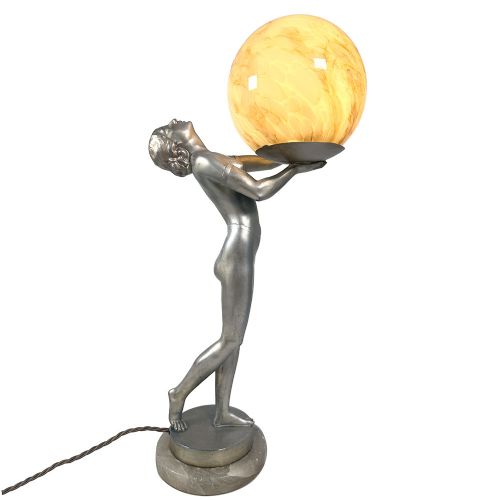
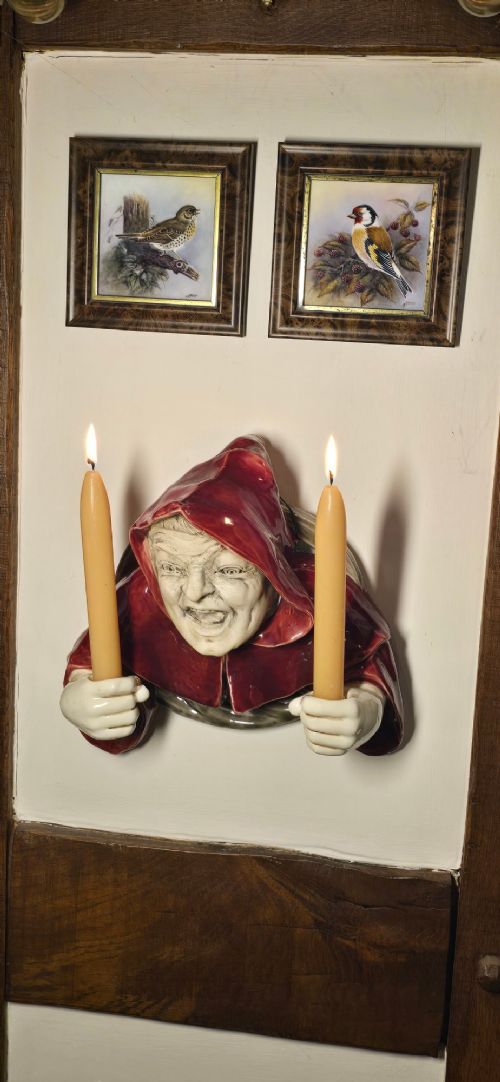
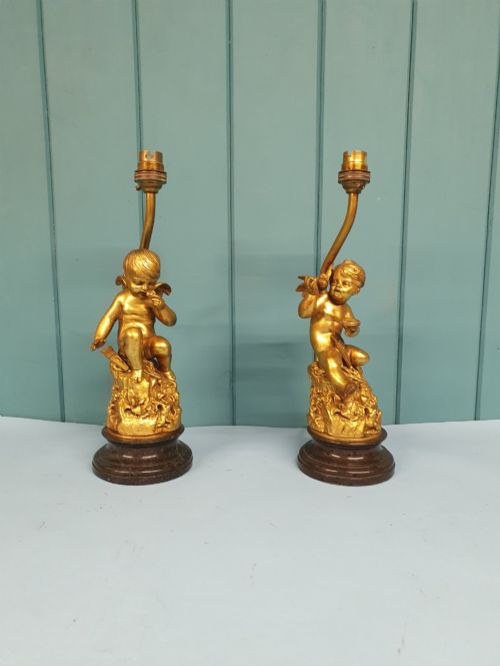
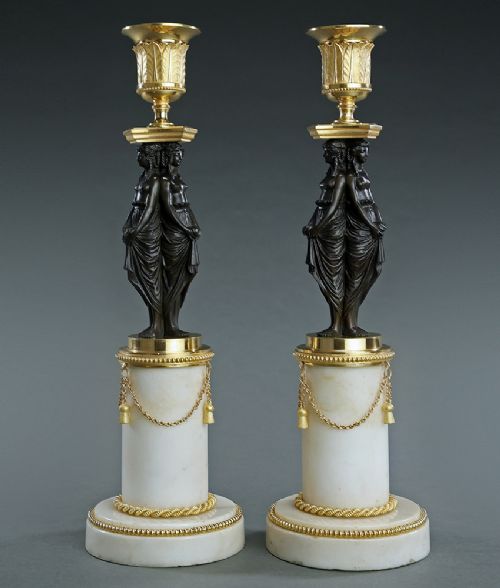
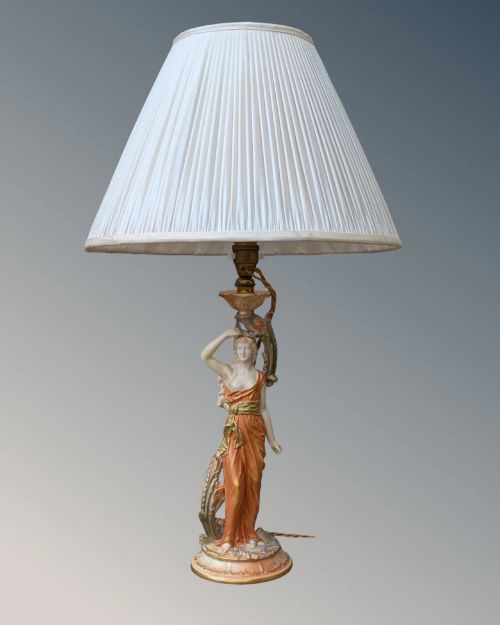
The selection includes specific sculptural subjects like dancers, cherubs, caryatids, and monks rendered in materials spanning cast metals, ceramics, and carved wood.
Art Deco lady lamps and early twentieth-century porcelain figures dominate the contemporary offering, alongside classical bronze and brass designs.
Materials and construction methods
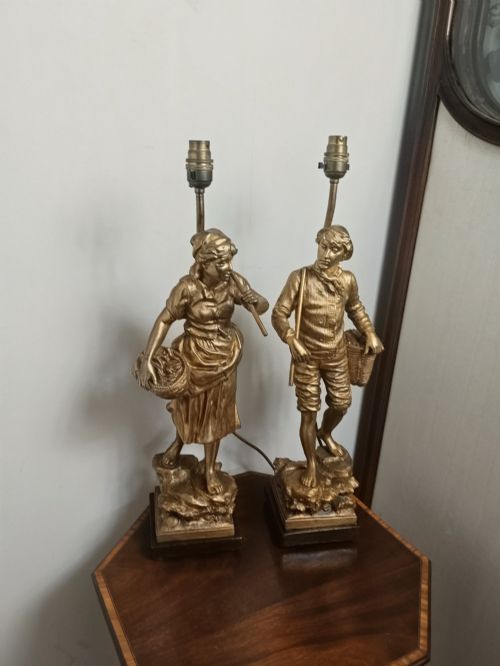
Makers utilised cast metals such as spelter, bronze, brass, and ormolu alongside carved wood and gesso to form the structural bodies and figural statues. These metal components frequently underwent plating, gilding, or patination to achieve varied surface finishes.
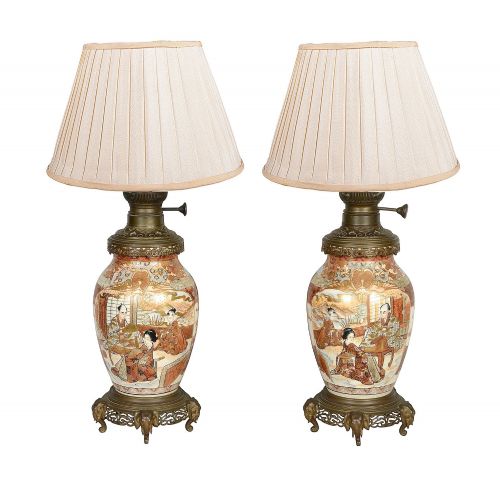
Ceramic and glass elements, including porcelain, Satsuma ware, frosted glass, and pottery, were moulded or thrown, then hand-painted or glazed before incorporation into lamps and candelabras.
Vintage Figural Light Retail Price Guide 2026
Typical asking prices for vintage figural light among the pieces listed under this phrase on Sellingantiques today, from the lower quarter to the upper quarter. They describe what is for sale here now, not the wider market.
Cleopatra holds her asp in bronze while porcelain monks hang quietly from walls.
Distinctions in quality and execution
The integration of the lighting mechanism with the sculpture determines structural integrity, distinguishing bespoke assemblies from utilitarian adaptations of decorative statues.
E Rousseau·WMF·Karl Ens·Anton Buschelberger·Ivan Zaiec
The Vintage Figural Light Glossary
- Spelter
- A zinc alloy commonly utilised as a less costly substitute for bronze in figural statuary and lamp bases during the early twentieth century. It accepts patination and metallic finishes readily.
- Caryatid
- A sculpted female figure serving as an architectural support or column, frequently seen in neoclassical and revivalist candelabras and torchère lamps.
- Torcherere
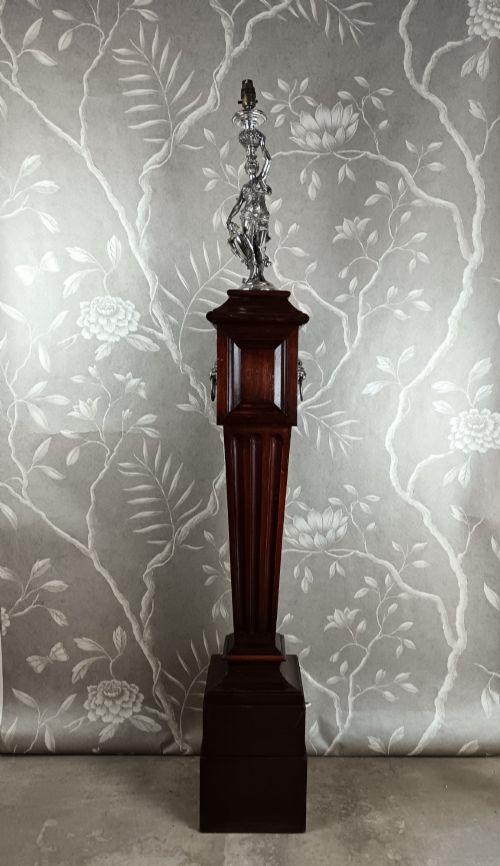
- A tall stand or floor lamp designed to hold a light source aloft, frequently incorporating figural statuary in bronze, wood, or silver-plated metal.
Vintage Figural Light: Frequently Asked Questions
What defines a vintage figural light?
A vintage figural light incorporates human, animal, or mythological forms into a functional illuminating object, such as a table lamp or wall sconce.
These pieces integrate sculpture with utility, drawing on aesthetic movements like Art Deco, Art Nouveau, and Neoclassical styles.
How are spelter and bronze distinguished?
Spelter is a softer zinc alloy that feels lighter and shows a duller sound when tapped, while bronze is a heavier copper alloy with superior tensile strength.
Makers utilised spelter widely for decorative lamps in the 1920s and 1930s, often applying a bronze-coloured finish to simulate the more costly material.
Where should a figural lamp be placed?
These lamps function best as focal points on side tables, desks, or mantelpieces where their sculptural details remain visible.
Placing them away from heavy foot traffic protects delicate porcelain, frosted glass, and patinated metal surfaces from accidental impacts.
How do I identify Art Deco lady lamps?
Art Deco lady lamps typically feature stylised female figures cast in spelter or carved from ivory and wood, frequently paired with onyx or glass bases.
Produced around 1930, these pieces often incorporate geometric motifs and sleek, aerodynamic lines characteristic of the period.