


Vintage Faux Bamboo
Vintage faux bamboo brings the exotic charm of cane into European furniture, offering playful yet sturdy seating, mirrors and storage for eclectic interiors.
Vintage Faux Bamboo
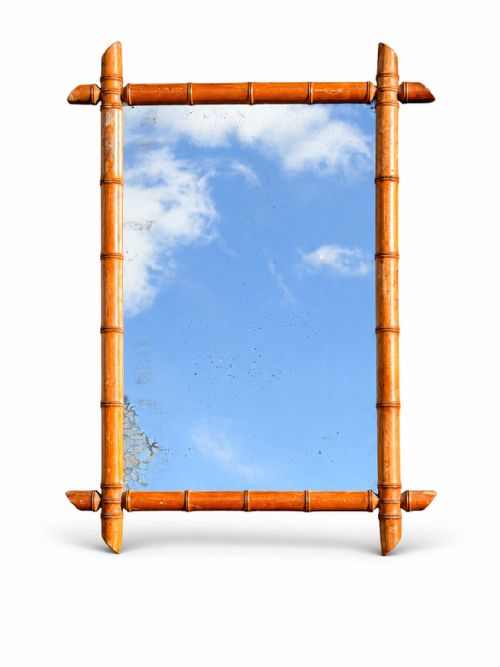
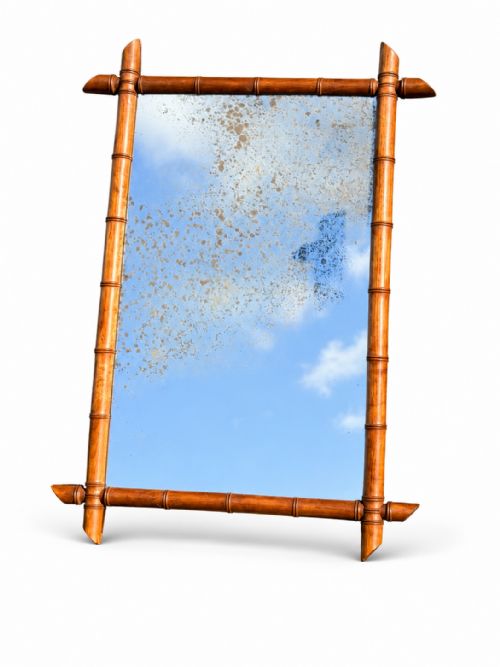
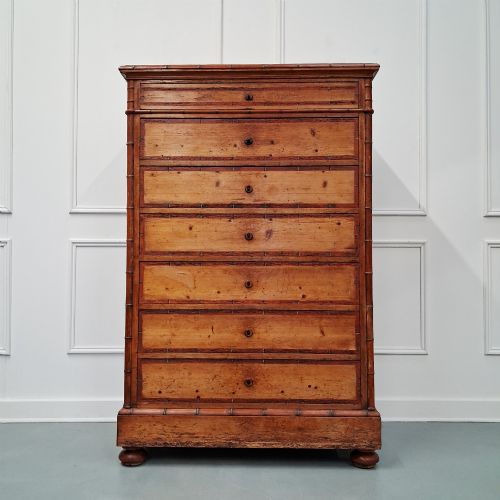
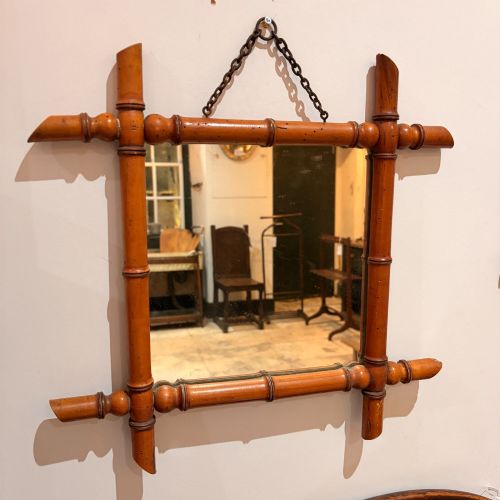
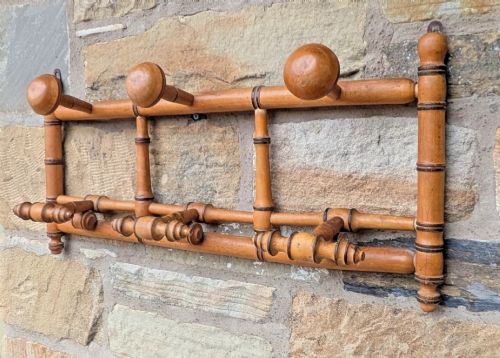
Vintage faux bamboo items span practical household objects and decorative furnishings, including wall mirrors, coat racks, umbrella stands, side tables, and chests of drawers. These pieces capture a distinct aesthetic lineage stretching from the Regency era through the Victorian period into the early twentieth century.
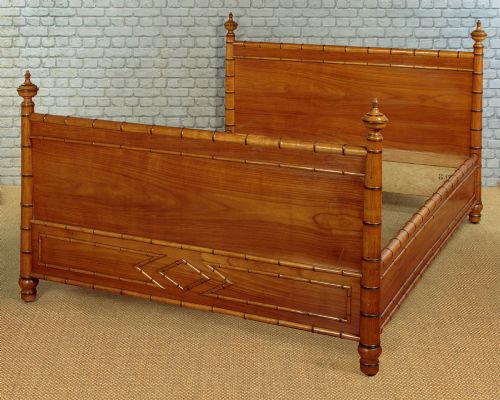
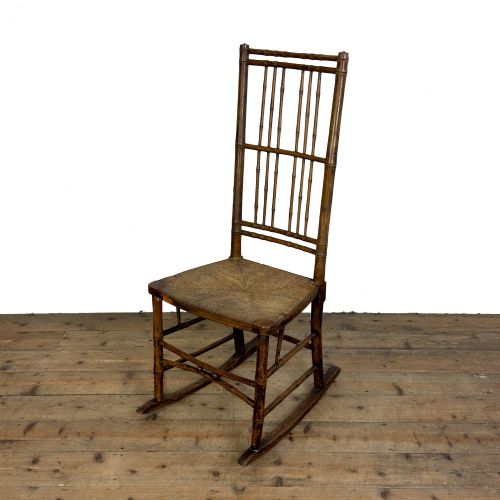
The selection on this page leans heavily towards French and English pieces, particularly side tables, bedside cabinets, and seating such as armchairs and rocking chairs. Makers often turned solid wood to mimic the jointed nodes of natural cane, creating structured frames that bring texture to a room.
Buyers encounter items originating across the nineteenth and early twentieth centuries, reflecting diverse stylistic movements like the French Aesthetic Movement, Hollywood Regency, and Edwardian revivals. Such pieces function equally well as standalone statements or subtle accents within traditional and modern spaces.
Materials and construction methods
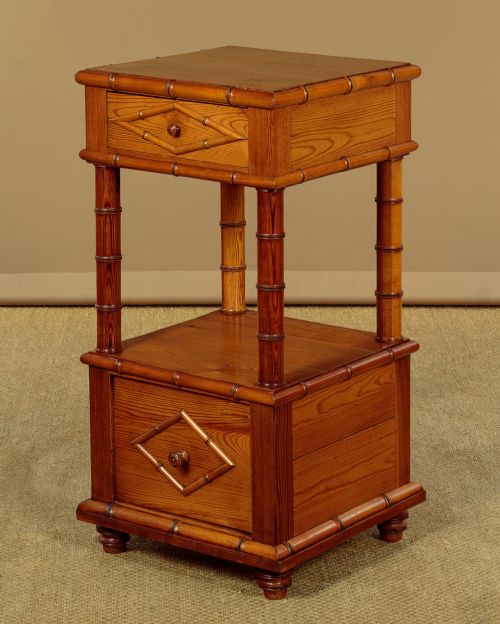
Craftsmen utilised timbers like beech, pine, and turned wood to carve or lathe individual sections into convincing replicas of natural bamboo stems. These wooden frames were frequently finished with paint, gilding, or simulated wood grain to heighten the organic illusion.
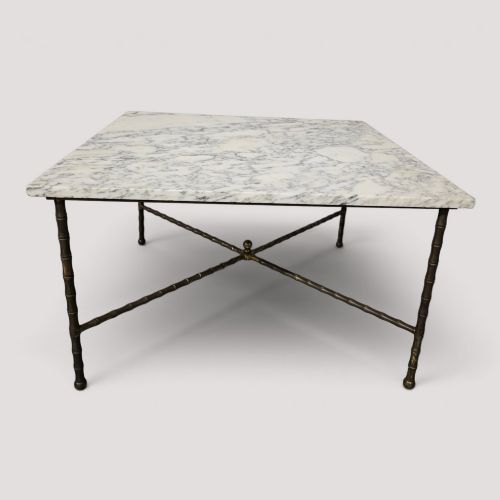
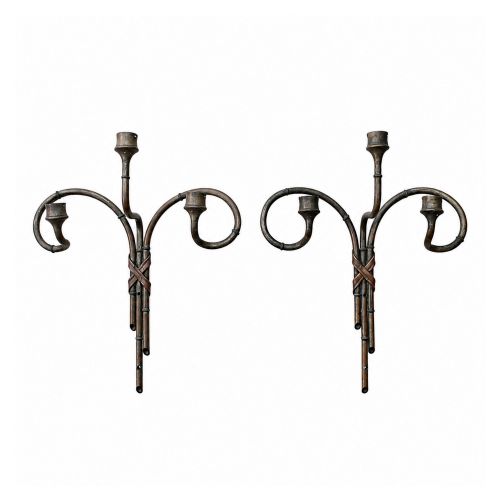
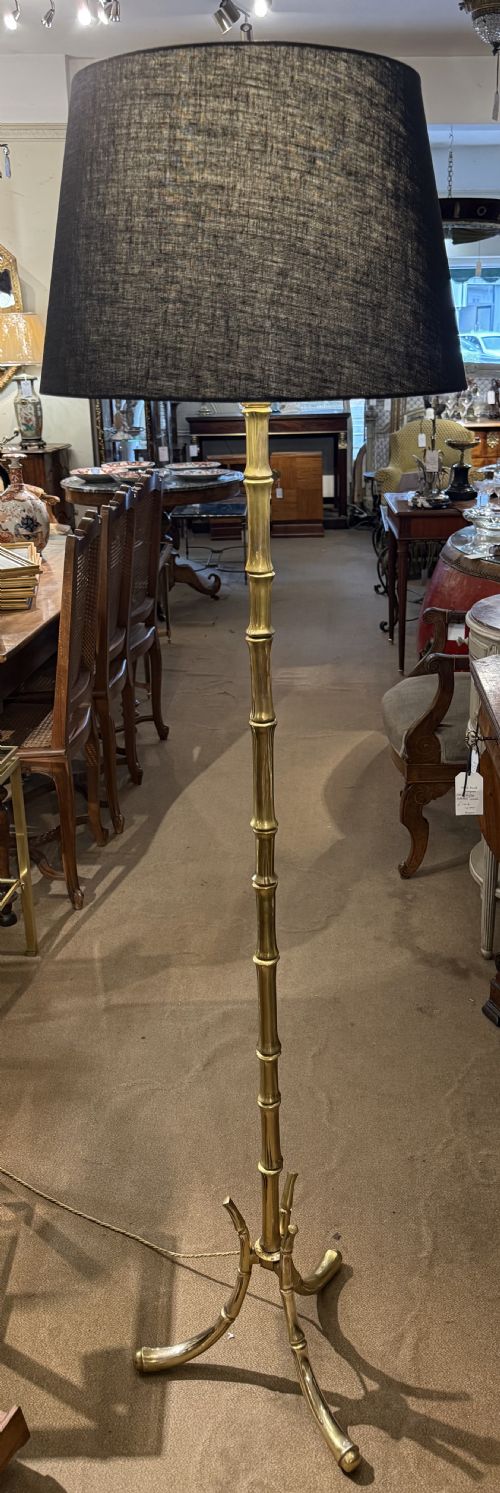
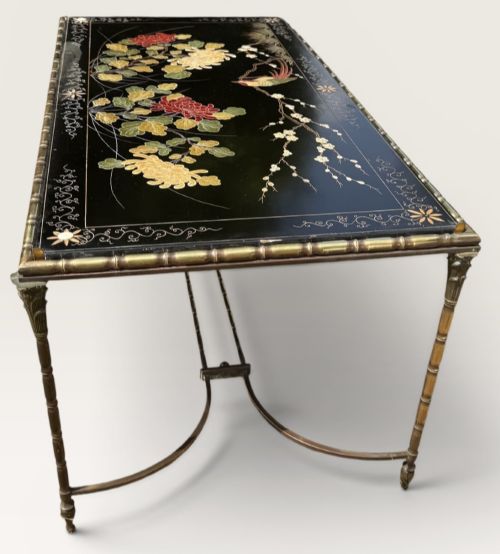
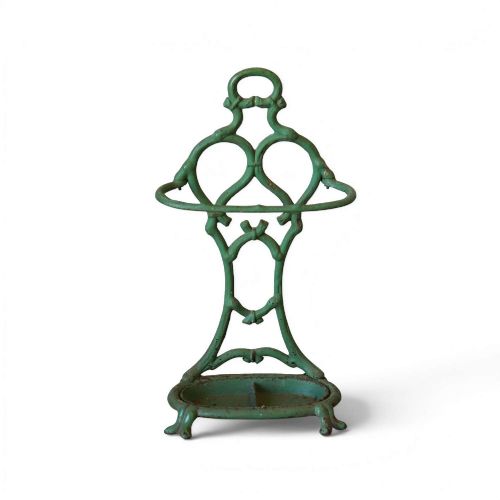
Metalworking also played a role, with workshops casting iron and brass into rigid, jointed rods for items like umbrella stands, floor lamps, and coffee tables. Glass and marble elements were then integrated into tables and mirrors to complete the functional designs.
Vintage Faux Bamboo Retail Price Guide 2026
Typical asking prices for vintage faux bamboo among the pieces listed under this phrase on Sellingantiques today, from the lower quarter to the upper quarter. They describe what is for sale here now, not the wider market.
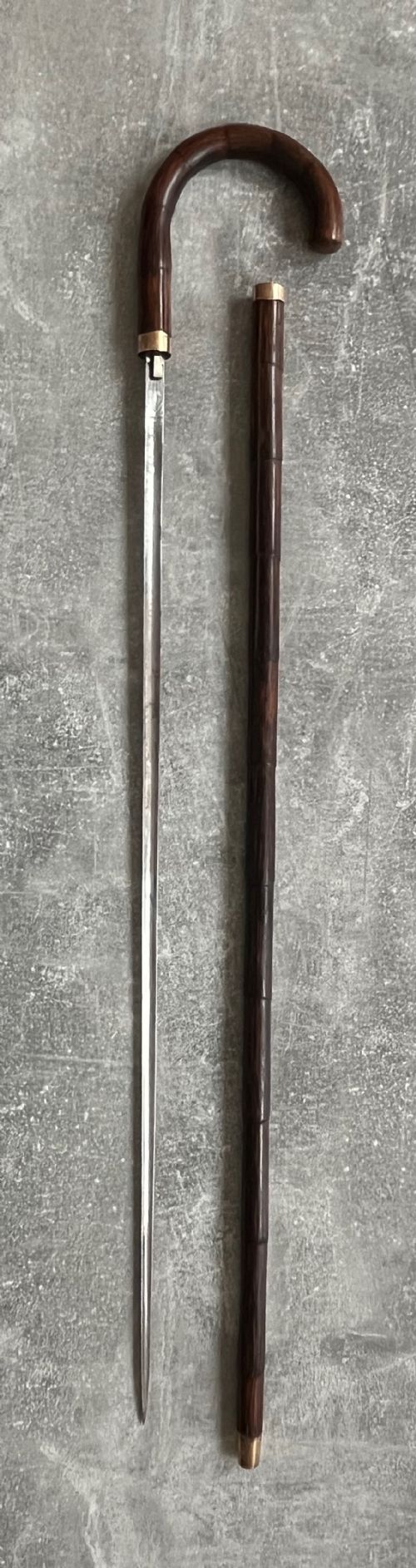
Even a Toledo blade found its way into a faux bamboo disguise, proving nineteenth-century makers could sheath anything in cane.
Distinguishing quality in faux bamboo
The crispness of the turned nodes and the precision of the carved joints separate fine cabinetmaking from simpler production. Superior examples maintain symmetry and tactile depth along every simulated stalk, whereas lesser pieces show softer, less defined turning.
Surface finish dictates much of the visual character, distinguishing hand-applied paint or delicate gilding from flat, modern coatings. Original painted decoration and well-preserved gilt brass retain a depth of tone that develops richer character over decades.
Maison Bagues
The Vintage Faux Bamboo Glossary
- Faux bamboo
- Simulated cane furniture carved or turned from standard timber or cast in metal to mimic natural plant nodes. This technique gained immense popularity during the nineteenth century across European workshops.
- Étagère
- A set of open shelves for displaying small objects or books. These multi-tiered side tables combine lightweight frames with decorative utility.
- Toleware
- Enamelled or japanned metalware used for decorative domestic objects. It frequently appears in nineteenth-century table tops and decorative accessories.
- Japanning
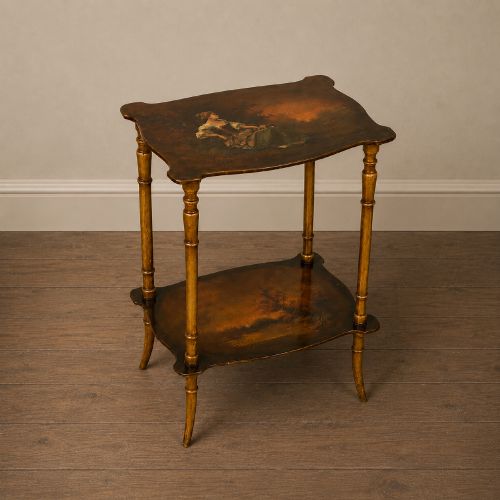
- A European imitation of East Asian lacquerwork using resin-based paints and varnishes. It often coats wooden faux bamboo frames to achieve a glossy, dark finish.
- Regency
- An English design period characterised by classical restraint and exotic influences. Furniture from this era often pioneered simulated bamboo motifs.
Vintage Faux Bamboo: Frequently Asked Questions
How do I date vintage faux bamboo?
Dating relies on examining the underlying wood construction, fastener types, and overall stylistic context of the piece. Nineteenth-century examples often utilise hand-cut joinery and period specific secondary timbers.
Later Edwardian and early twentieth-century interpretations introduce lighter proportions and machine-turned precision. Comparing the decorative finish against documented aesthetic movement pieces helps narrow the decade.
Where should I place a faux bamboo mirror?
These mirrors suit hallways, bedrooms, or living spaces where their organic silhouette can contrast with flat walls. Smaller wall mirrors add vertical interest to narrow wall spaces above sideboards.
Larger gilt or painted versions work effectively as focal points above mantelpieces or dressing tables. Their textural frames pair well with both minimalist and maximalist interior schemes.
Are faux bamboo tables sturdy?
Solid wood frames turned from beech or pine offer remarkable structural integrity despite their slender appearance. The ribbed joints inherent to the design distribute weight evenly across the load-bearing legs.
Tables featuring glass or marble inserts require standard care to protect the surface materials. Regular checks of the leg joints ensure long-term stability in daily use.
What is the difference between English and French pieces?
French faux bamboo often embraces lighter painted finishes, gilt highlights, and whimsical forms designed for salons and bedrooms. Makers in France frequently paired these frames with marble tops and decorative brass mounts.
English interpretations tend towards darker simulated pine or mahogany, prioritising architectural restraint in chests of drawers and coat racks. Both traditions share a common reliance on precise turning techniques.