
Vintage Farmhouse Kitchen Table
A vintage farmhouse kitchen table brings working character into a modern room, offering sturdy timber surfaces built for daily family life.
Vintage Farmhouse Kitchen Table
When you search for a vintage farmhouse kitchen table, you encounter hard-wearing dining and prep surfaces rooted in nineteenth and early twentieth century domestic spaces. These pieces span rustic country styles, French provincial designs, and straightforward Victorian kitchen forms.
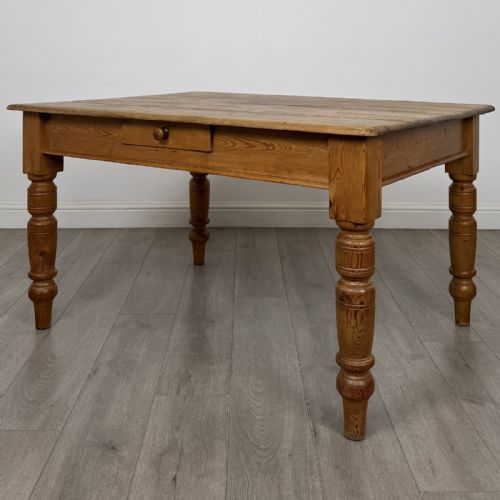
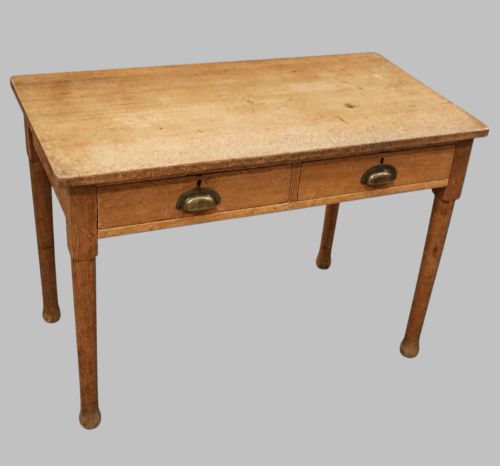
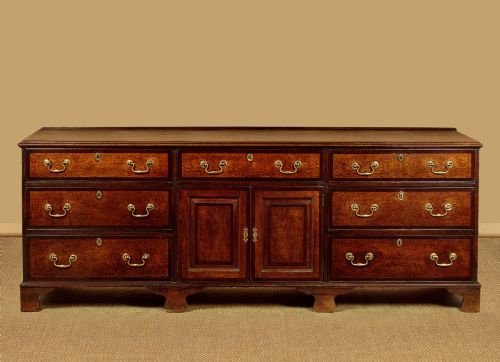
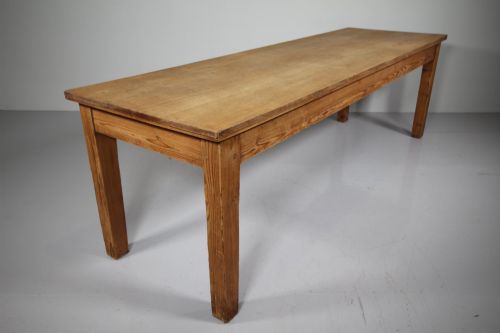
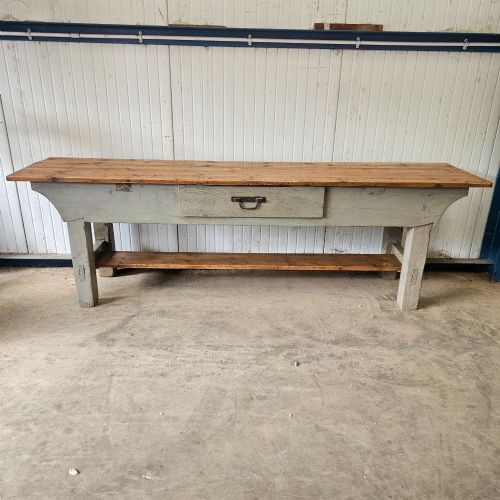
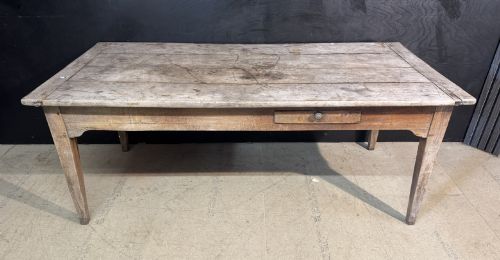
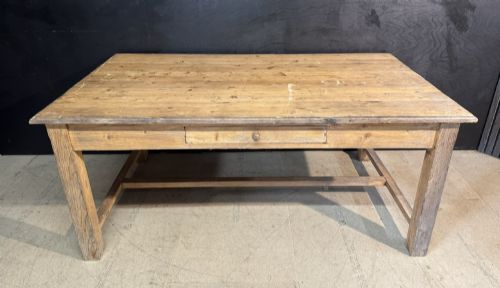
You meet pine and oak versions most frequently on this page, often featuring scrubbed timber tops or painted bases. Many examples incorporate practical drawers, drop leaves, or extended refectory lengths suited to communal gatherings.
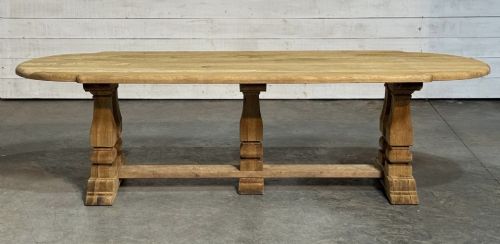
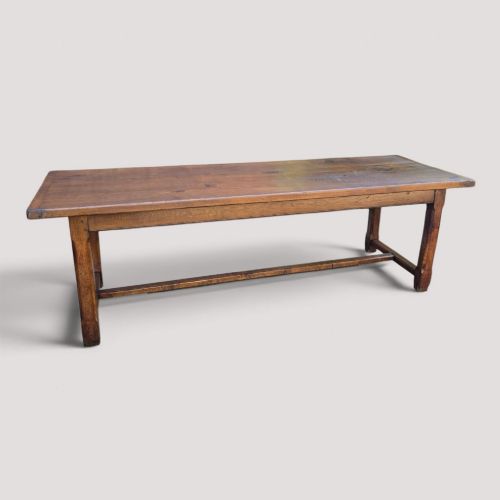
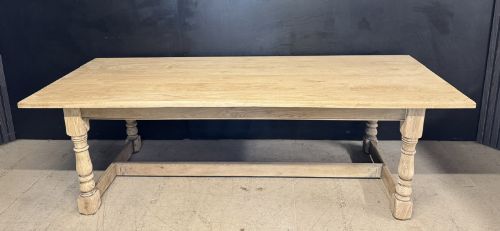
Origins stretch across English workshops and French provincial homes, alongside occasional Welsh and Scandinavian interpretations. The forms range from compact scullery and prep tables to large eight-foot harvest and dining tables.
Materials and construction methods
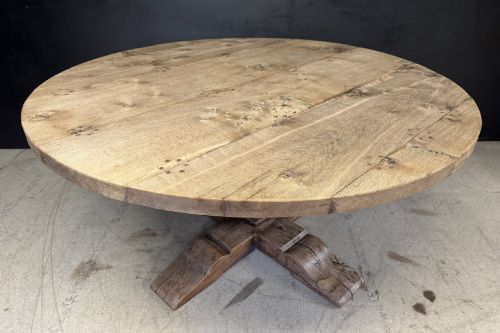
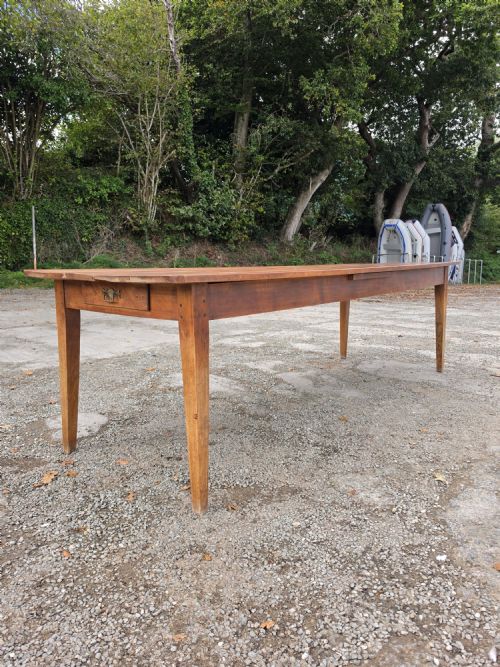
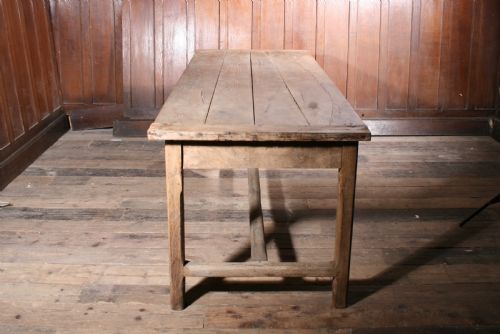
Carpenters built these tables predominantly from solid oak, pine, and fruitwood timber, selecting durable woods capable of withstanding heavy daily use. Individual boards formed expansive two-board or multi-board table tops, joined securely to support heavy prep work and dining.
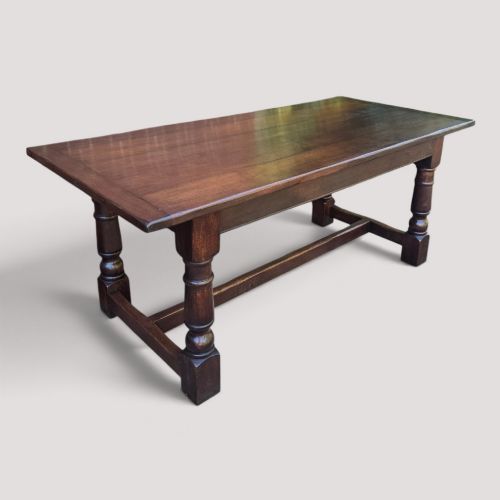
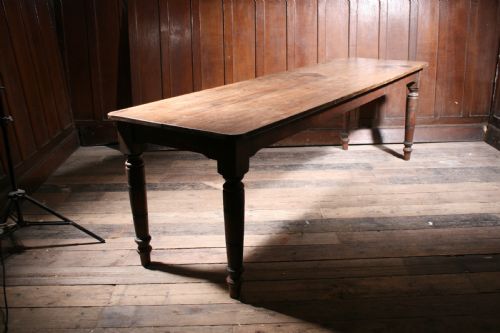
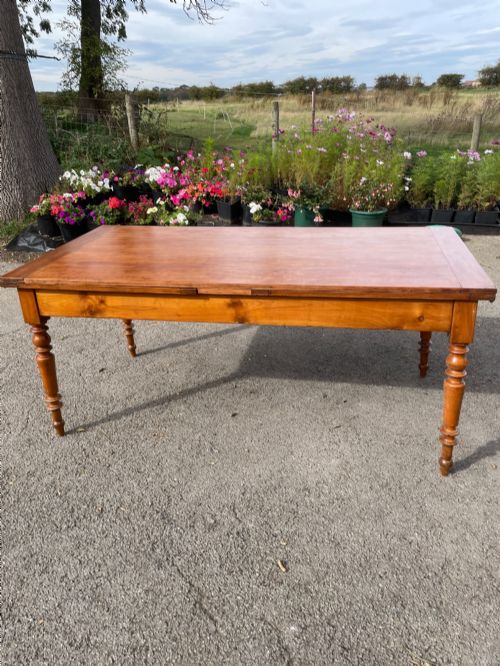
Underframes utilised sturdy turned legs, tapered legs, trestle supports, or bobbin turnings fixed to solid aprons. Iron hardware and wooden pegged joints provided additional structural stability where needed.
Listings feature timbers including oak, pine, fruitwood, elm, and cherrywood across nineteenth and early twentieth century periods.
Distinctions in build and finish
The standard of a vintage farmhouse kitchen table rests on the integrity of its timber selection and structural joinery. Tables fashioned from dense old-growth oak or solid pine with sound, original underframes display superior longevity compared to later reproductions.
Surface patination and finish execution dictate the visual appeal, distinguishing naturally weathered scrub tops and bleached oak finishes from heavier modern alterations. Well-integrated drawer construction and balanced proportions elevate certain examples above standard utility pieces.
The Vintage Farmhouse Kitchen Table Glossary
- Scrub top
- A bare wooden table top designed to be scrubbed clean with water and a brush after food preparation. This finish appears frequently on nineteenth-century pine examples.
- Refectory table
- A long narrow dining table traditionally used in monastic refectories and later adopted for large domestic kitchens. These pieces often feature stretcher rails connecting the legs for added strength.
- Drop leaf
- A hinged table section that folds down to save space or lifts up to expand the surface area. This mechanism proves common in smaller kitchen settings.
- Harvest table
- A long narrow dining table traditionally utilised during seasonal agricultural gatherings. These tables accommodate large groups of diners comfortably.
- Fruitwood
- Timber harvested from fruit-bearing trees such as cherry or apple, valued for its fine grain and warm tone. French provincial pieces frequently utilise this material.
Vintage Farmhouse Kitchen Table: Frequently Asked Questions
How were farmhouse tables originally used?
These tables served as the central hub for daily domestic life, accommodating food preparation, baking, and family meals in busy kitchens.
They functioned as practical workspaces before moving into modern dining rooms as social gathering places.
What woods are most common?
Pine and oak appear most frequently across these listings, providing robust surfaces for heavy daily tasks.
Fruitwood, elm, and cherrywood also feature in regional French and English workshop pieces.
How do I care for a scrub top?
Maintain the bare timber by wiping surfaces with a damp cloth and avoiding harsh chemical cleaning agents.
Regular gentle washing preserves the natural grain and historical patination of the wood.
How can I tell Victorian tables apart?
Victorian examples often display specific regional traits, such as turned pine legs or integrated drawers for cutlery and linens.
Construction methods like hand-cut joints and timber ageing help distinguish nineteenth-century pieces from later twentieth-century interpretations.