


Vintage Equine Painting
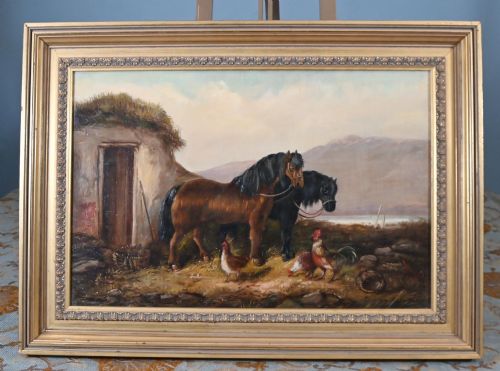
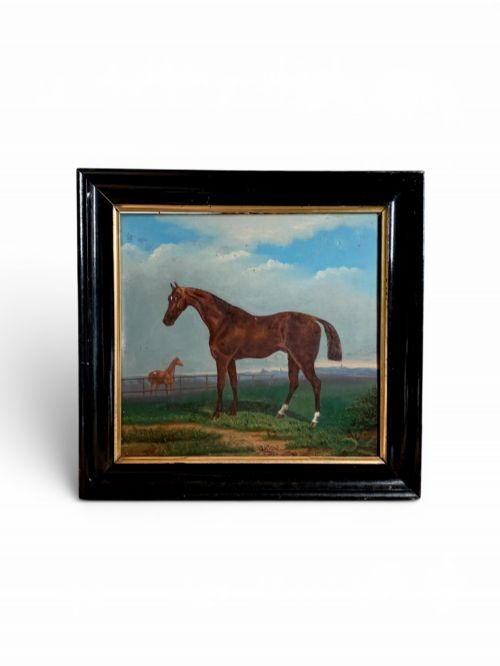
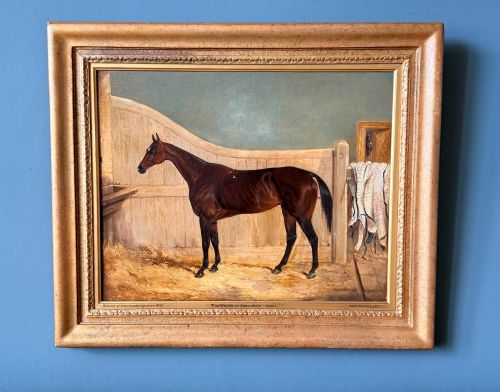
A vintage equine painting brings the powerful presence of the nineteenth-century stable and turf directly into a room.
Vintage Equine Painting
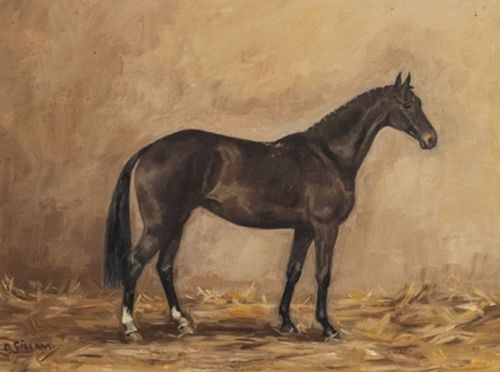
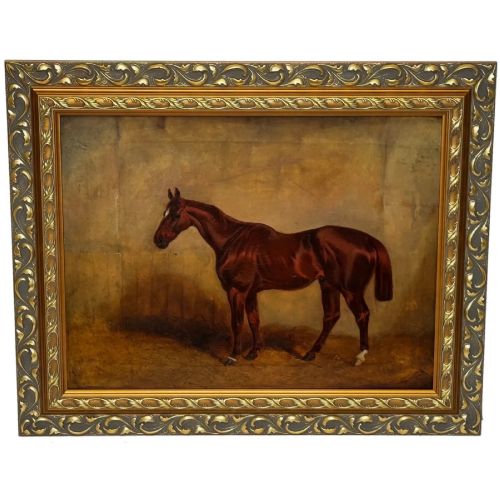
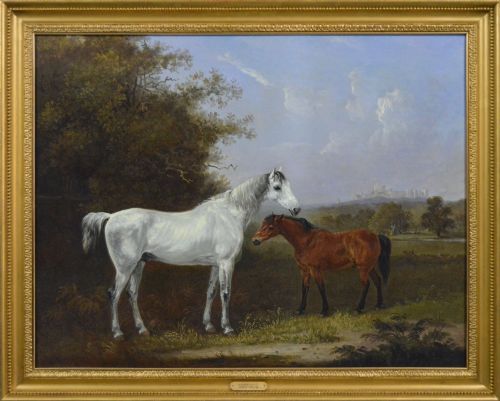
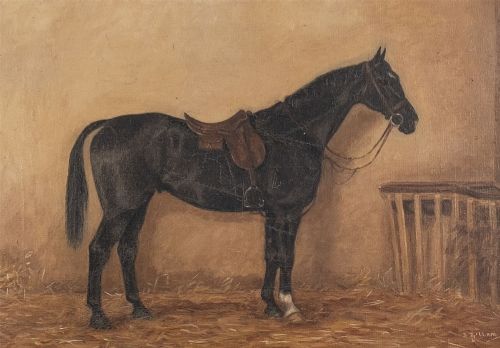
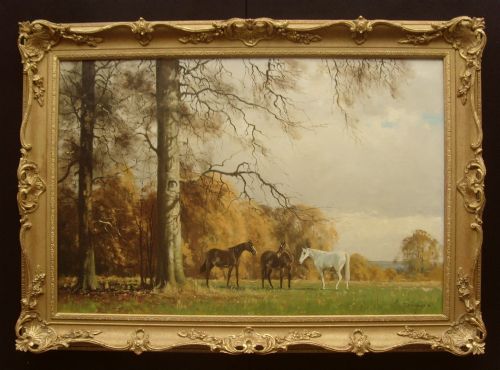
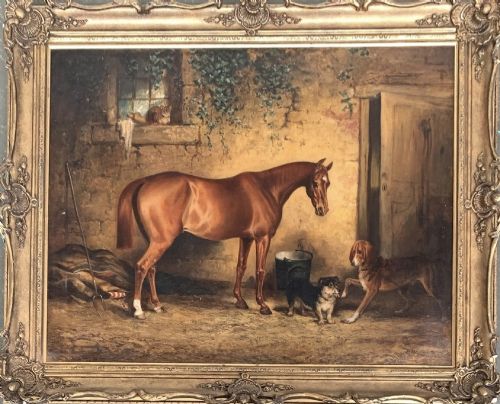
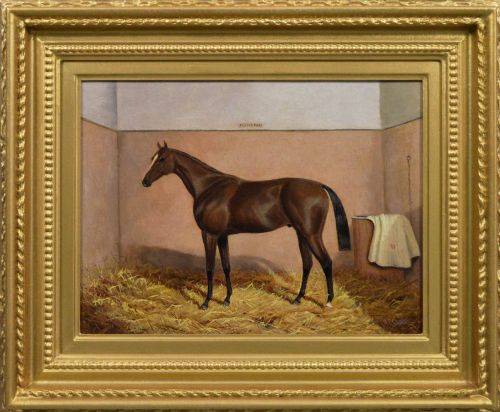
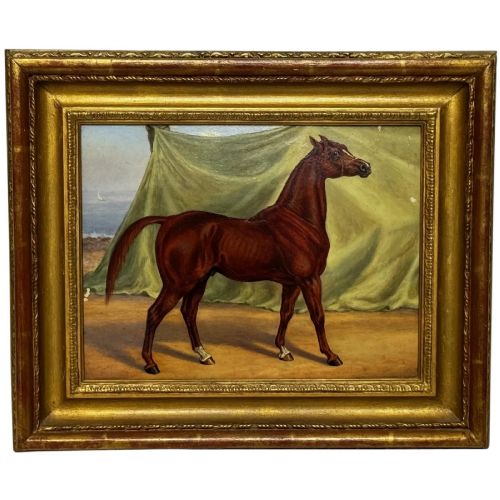
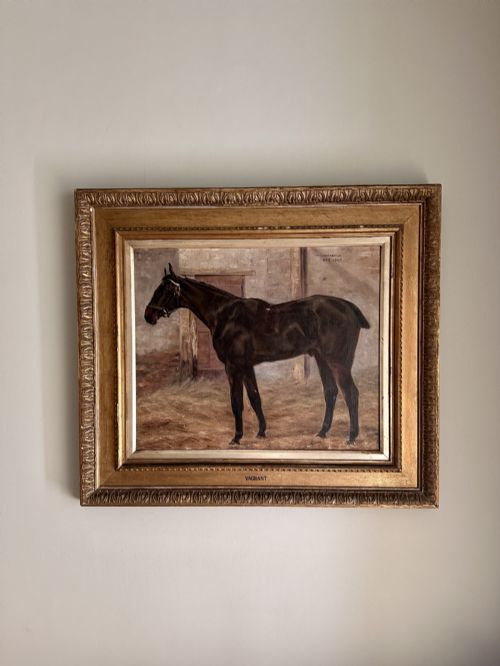
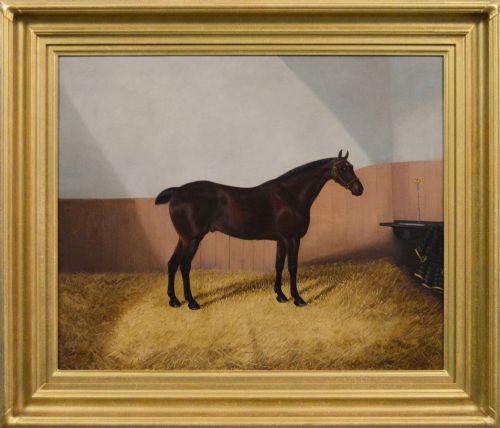
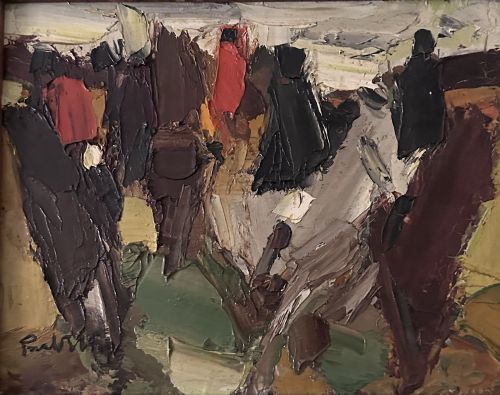
A vintage equine painting captures horses, hunters, and racing subjects across periods stretching from the Georgian era through the mid-twentieth century. Buyers searching for a vintage equine painting most frequently encounter nineteenth-century oil portraits of named thoroughbreds, stable scenes, and rural landscapes.
The works span traditional English sporting art, French school panels, and rural depictions involving horses at work or rest. Framed in giltwood or simple wood, these paintings range from detailed studies of individual stallions to broader village scenes.
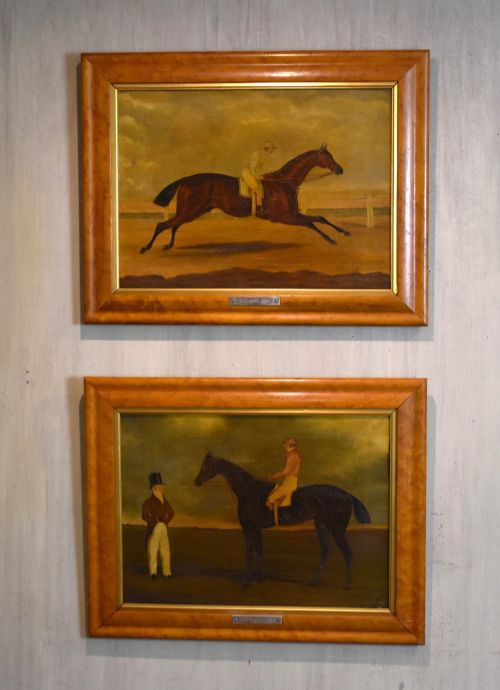
Makers and artists documented in these pieces include named painters such as Henry Barraud, Albert Clark, and Thomas Walker Bretland. The subjects encompass prize racehorses with jockeys, farm hunters, and Arabian stallions set in landscapes or stables.
Materials and Technique
Painters relied predominantly on oil paint applied to canvas or wood panels, capturing the musculature and sheen of horses through careful layering of pigment. Watercolour, pastel, and gouache appear on paper supports in works from the later nineteenth and mid-twentieth centuries.
Frames utilise giltwood and wood, providing structural support and traditional presentation for the canvas or panel. Pigments and brushwork reflect the academic and sporting traditions of the Victorian and Edwardian periods.
Vintage Equine Painting Retail Price Guide 2026
Typical asking prices for vintage equine painting among the pieces listed under this phrase on Sellingantiques today, from the lower quarter to the upper quarter. They describe what is for sale here now, not the wider market.
Several pieces preserve the exact names of nineteenth-century racehorses and their jockeys, immortalising fleeting racetrack victories on canvas.
Distinguishing Quality
Anatomical accuracy and the rendering of light upon the horse coat separate standard decorative works from accomplished portraiture by established sporting artists. The handling of the background landscape or stable interior adds depth and context that elevate the piece.
Provenance and documented attribution to a known painter or specific historical estate add historical weight to the work. The condition of the canvas and the preservation of the original giltwood frame influence the overall integrity of the piece.
Charles Bilger Spalding·Henry Barraud·Walter Robin Jennings·Edmund Bristow·Albert Clark·Fred Fitzpatrick·C R Breytle·Thomas Walker Bretland·John Frederick Herring Snr·John Rattenbury Skeaping·George E Sharpe·Eugene Joseph Verboeckhoven·Benjamin Cam Norton·Clifton Tomson·Alfred Moginie Bryant·Arthur Winter Shaw·Abraham Cooper RA·W.A. Clark·Ernest Higgins Rigg
The Vintage Equine Painting Glossary
- Sporting art
- Depictions of rural sports, particularly horse racing, hunting, and canine subjects. This genre flourished in Britain throughout the eighteenth and nineteenth centuries.
- Canvas
- Woven fabric stretched across a wooden frame to serve as a support for oil painting. It remains the most common substrate for Victorian equine works.
- Giltwood
- Wood carved and covered with a thin layer of gold leaf or gold paint. Frames of this material are frequently paired with nineteenth-century oil paintings.
- Gouache
- An opaque water-based paint used on paper to achieve matte colour fields and fine detail. It appears in mid-twentieth-century works alongside watercolour.
- Panel
- A flat piece of wood used as a rigid support for painting instead of fabric. Pine and other timbers appear in eighteenth and nineteenth-century examples.
Vintage Equine Painting: Frequently Asked Questions
How do I identify the period of a horse painting?
Examine the canvas preparation, the style of the wooden frame, and any visible artist signatures or inscriptions on the reverse. Clothing styles of jockeys or handlers depicted in the scene also provide reliable chronological clues.
Historical records and artist registries help cross-reference named racehorses or estates mentioned in the titles. Pigment analysis and stretcher construction offer further physical evidence for dating.
Were these paintings made as portraits?
Many nineteenth-century works function as direct portraits commissioned to record specific prize-winning racehorses, hunters, or stallions. Wealthy owners and breeders hired artists to capture their prized animals with anatomical precision.
Other works place horses within broader rural landscapes, village life, or agricultural settings rather than focusing solely on an individual animal. Both approaches reflect the cultural importance of the horse in past centuries.
How should I hang an oil painting on canvas?
Mount the artwork on a sturdy wall away from direct sunlight and heat sources to protect the oil paint and canvas. Ensure the hanging hardware is securely fixed to support the weight of the wood frame.
Maintain stable room humidity to prevent the canvas from slackening or the wooden stretcher from warping over time. Dust the surface gently with a soft, dry brush without applying pressure.
What is the difference between oil and watercolour equine art?
Oil paintings on canvas or panel offer rich colour depth and layered textures that capture the glossy sheen of a horse coat. Watercolours on paper provide a lighter, more translucent quality often associated with studies and preparatory sketches.
Oils were typically finished for formal display in heavy frames, while watercolours and gouache works were frequently produced on paper for private portfolios or intimate viewing.