


Vintage Equestrian Desk Ornament
These vintage equestrian desk ornaments bring the spirited energy of the stable and the turf directly onto the working surface.

Vintage Equestrian Desk Ornament
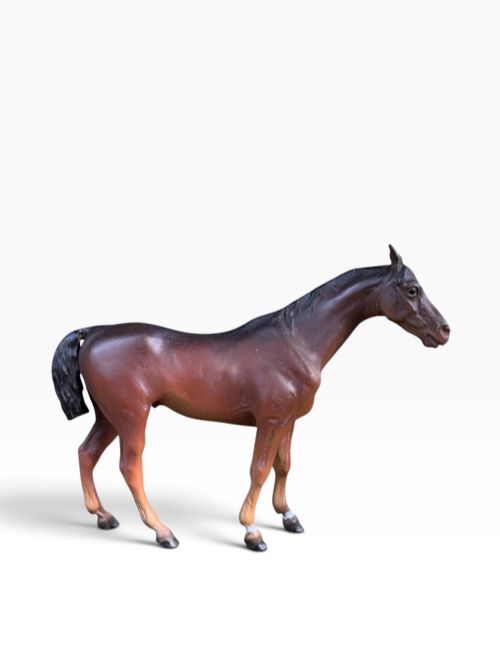
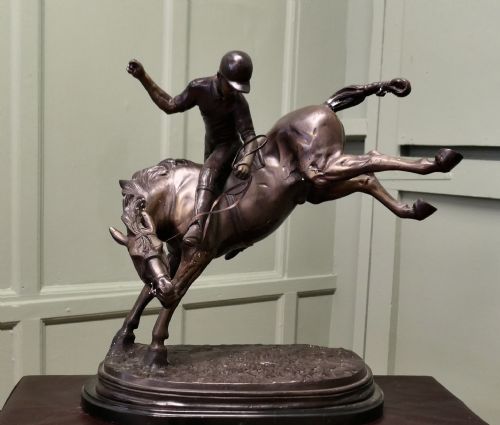
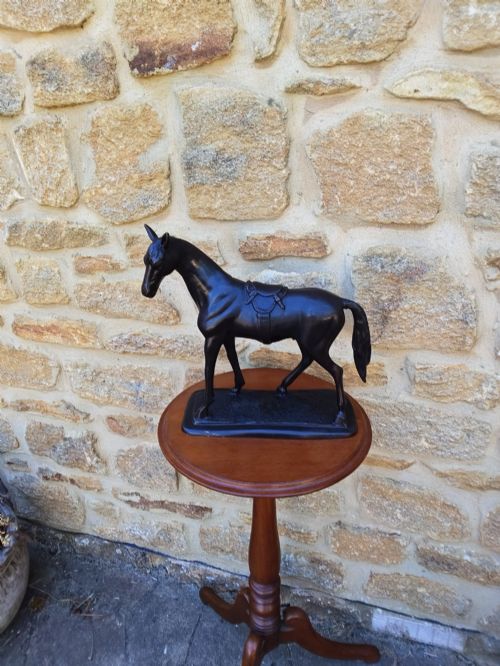
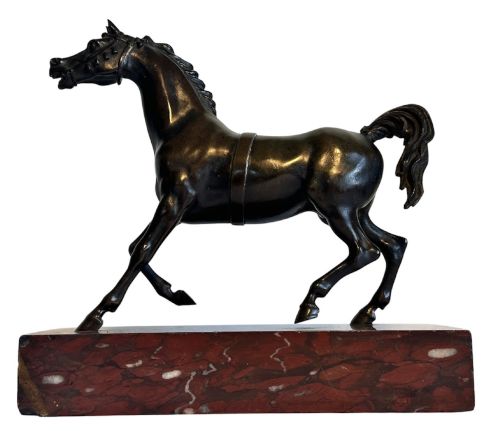
A vintage equestrian desk ornament captures the form of horses, riders, and hunting hounds in bronze, silver, or carved stone intended to steady papers or adorn a writing table. You will frequently encounter heavy metal horses or foxes mounted securely on polished plinths of marble or ebony.
The objects serve as functional paperweights or purely decorative desk accessories from periods spanning the late nineteenth century through the mid-twentieth century. Animalier subjects dominate these offerings, showing horses in motion or at rest alongside hunting motifs like boots and foxes.
Makers from Vienna, France, Italy, and England contributed to this tradition, utilising distinct regional sculpting styles from the Edwardian era to mid-century modernism. These pieces transform a utilitarian workspace by introducing sculptural weight and traditional sporting themes.
Materials and methods
Foundries cast these figures in bronze or sterling silver, sometimes applying hand-applied cold painted finishes or silver gilt to enhance surface detail. Metals are frequently paired with contrasting heavy bases cut from specimen marble or dark wood plinths.
Carvers shaped select studies directly from natural materials such as crystalline quartz and specimen marble to create substantial desk accessories. Artisans utilised casting and carving techniques designed to emphasise musculature, stance, and realistic textures.
The selection spans from nineteenth-century animalier studies to mid-century British and Italian desk accessories.
Judging the work
Finer examples display anatomical precision and crisp surface chasing that clearly delineate muscle, bridle, and mane without softening the contours. Superior casting preserves the vitality of the subject, whereas lesser pieces lose detail and appear static.
The integration between the figure and its base reveals the care taken in construction, with high-quality mountings feeling solid and balanced. Heavier metals and genuine decorative stones distinguish the more substantial desk pieces from lighter plated alternatives.
The Vintage Equestrian Desk Ornament Glossary
- Animalier
- A nineteenth-century artistic movement dedicated to the realistic portrayal of animals, particularly in bronze. Sculptors in this tradition focused heavily on accurate anatomy and dynamic movement.
- Cold painted bronze
- A method where bronze figures are painted with unfired cold oil paints after casting. This technique was notably perfected by Viennese workshops.
- Silver gilt
- Silver objects that have been coated with a thin layer of gold over the metal surface. This finish provides a rich two-tone appearance often seen on decorative statues.
- Specimen marble
- Multi-coloured decorative marble assembled from various regional stone types. It frequently forms the heavy base beneath carved animal studies.
- Desk accessories
- Functional and decorative items designed for use on a writing table, including paperweights and small statues. They combine utility with ornamental appeal.
Vintage Equestrian Desk Ornament: Frequently Asked Questions
What is an equestrian desk ornament?
These items are small sculptures or paperweights depicting horses, jockeys, or hunting scenes designed for placement on writing desks.
They combine artistic animal sculpture with practical weight to hold down correspondence.
How were these metal figures made?
Most pieces were produced using traditional metal casting techniques in bronze or silver, often followed by hand chasing.
Some items received painted highlights or were mounted onto heavy stone and wood plinths.
Where do these pieces originate?
The inventory includes works from English, French, Austrian, and Italian makers spanning the late nineteenth to mid-twentieth centuries.
Viennese and French workshops were particularly prolific in producing detailed animal bronzes.
How do I care for a bronze desk ornament?
Keep the metal clean by dusting gently with a soft cloth and avoid using harsh chemical polishes that strip patinas.
Protect marble or wooden bases from moisture and excessive direct sunlight.