




Vintage Epns Dish
A vintage epns dish brings the gleam of electroplated nickel silver to the table, offering practical serveware with distinct period character.
Vintage Epns Dish
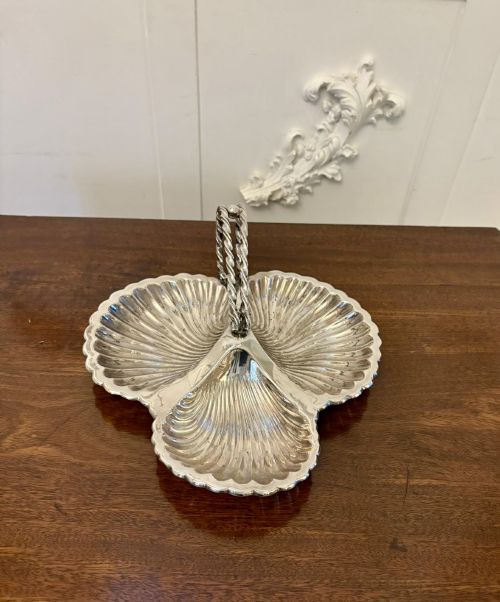
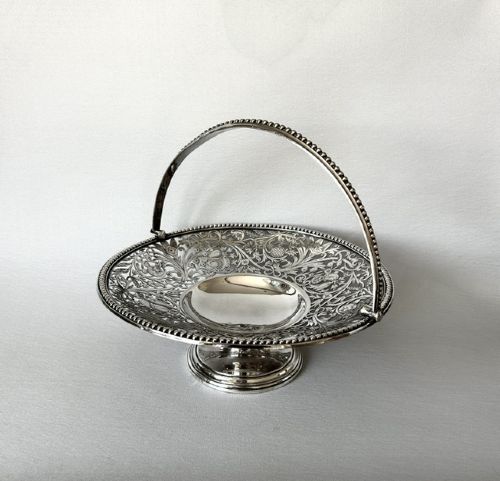
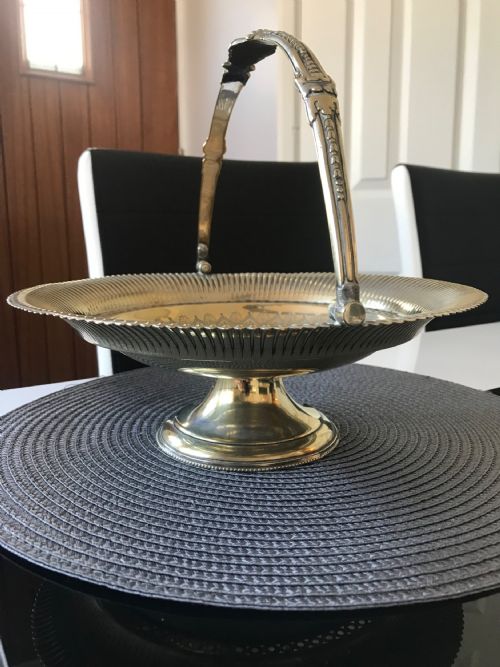
When you search for a vintage epns dish, you are looking at nineteenth- and twentieth-century serveware designed for the dining table. These pieces range from butter dishes and entree dishes to fruit baskets, asparagus dishes, and dessert bowls.
The selections on this page lean heavily towards the Edwardian and Victorian eras, alongside pieces from the Art Deco period and the early twentieth century. You will encounter serveware styled in Neoclassical, George V, and decorative variations.
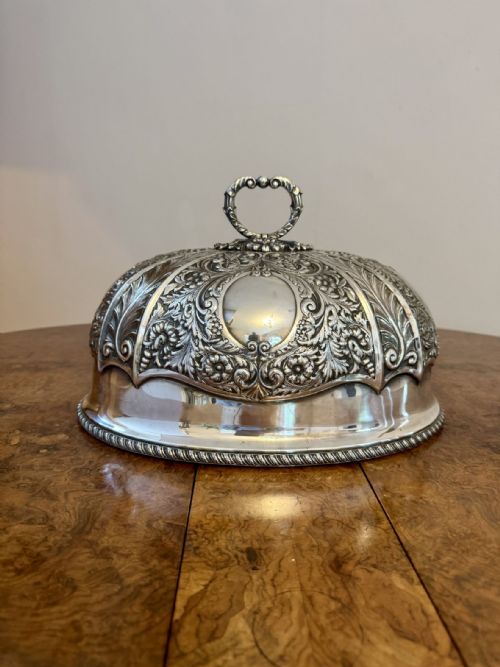
Most examples function as serving dishes, bowls, cloches, tureen covers, or handled baskets. They reflect the dining habits of the nineteenth and twentieth centuries, where silver plate provided the appearance of solid silver for formal meals.
Materials and construction
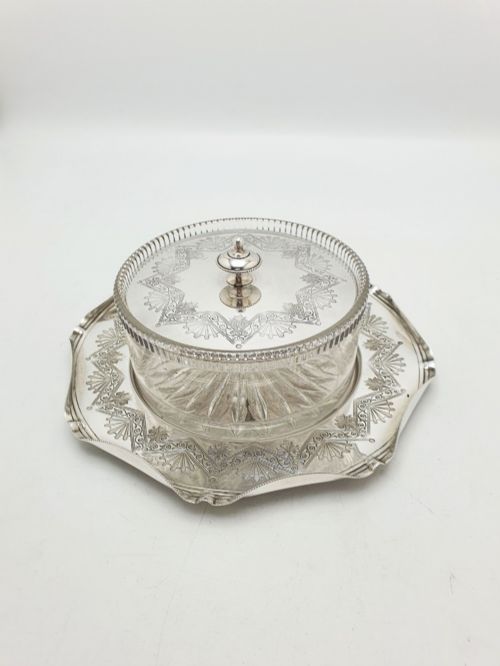
These items are constructed from nickel silver and brass, coated with silver plate through the electroplating process. Some forms incorporate cut glass liners alongside the metal structure.
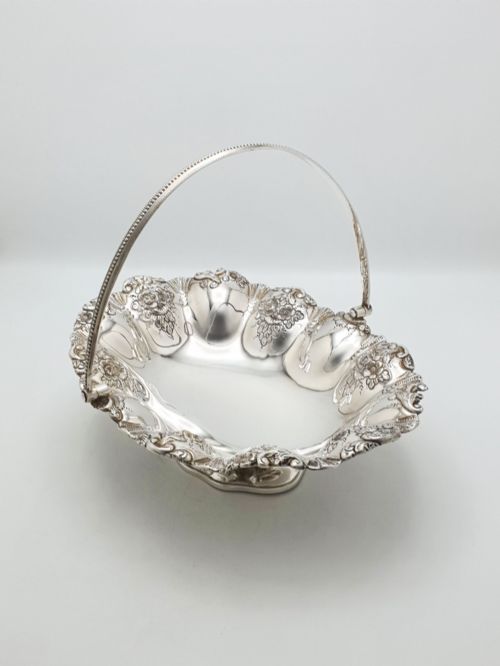
Decoration was applied by hand and machine, featuring floral repoussé rims, pierced metalwork, and loop handles. Manufacturing methods from the Victorian and Edwardian periods prioritised durability beneath the silver layer.
Asparagus dishes arrived on Victorian tables complete with dedicated draining grids, reflecting an era of highly specialised vegetable consumption.
Assessing quality and finish
The distinction between standard and superior pieces rests on the weight of the base metal and the crispness of the applied decoration. Heavier metal gauge and deep, clear repoussé work indicate higher standards of manufacture.
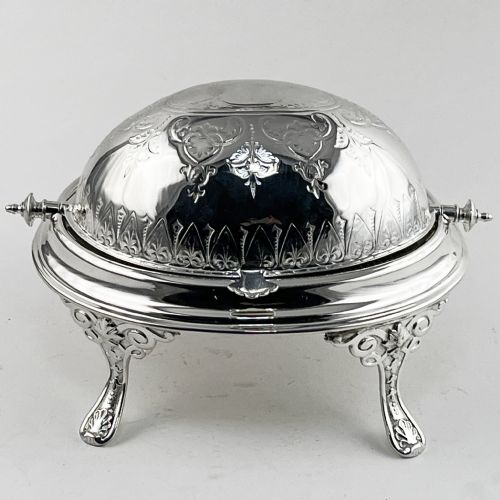
Makers such as Mappin & Webb and Elkington applied rigorous standards to their plating and structural joints. The survival of the underlying silver plate and the integrity of hinged or revolving mechanisms also separate the finest pieces from everyday utility items.
Mappin & Webb·Elkington·John Collyer Birmingham
The Vintage Epns Dish Glossary
- EPNS
- Electroplated Nickel Silver. This acronym denotes a base metal alloy of copper, nickel, and zinc coated with a layer of silver.
- Repoussé
- Metalworking technique where the metal is hammered from the reverse side to form a raised design in relief on the front. This ornamentation is common on Edwardian baskets and rims.
- Cloche
- A bell-shaped cover designed to keep food warm on the table. These metal covers often pair with matching serving dishes.
- Entree dish
- A shallow lidded vessel used for serving second-course dishes at the dining table. Many examples feature removable handles for versatile placement.
- Tureen
- A deep, large bowl with a lid used for serving soups or stews. Silver-plated versions from the Edwardian period often include matching liners.
Vintage Epns Dish: Frequently Asked Questions
How do I clean my silver plated dish?
Clean these items using a specialist silver polish and a soft cloth to avoid damaging the electroplated surface. Wash them by hand in warm soapy water and dry them thoroughly immediately after.
Avoid abrasive sponges or harsh chemical dips that strip the thin layer of silver from the nickel base. Regular gentle maintenance preserves the shine on decorative baskets and entree dishes.
Can I use these dishes for daily dining?
Most of these pieces are sturdy enough for regular use at the dining table, particularly serving dishes, trays, and bowls. Ensure you do not leave acidic foods sitting on the silver plate for extended periods.
Items with glass liners, such as butter dishes, offer practical utility for modern meals. Hand washing protects the structural integrity of hinged mechanisms on revolving pieces.
What is the difference between Victorian and Edwardian styles?
Victorian pieces often display heavier ornamentation, deep piercing, and ornate floral motifs. They reflect a period of industrial expansion and lavish dining customs.
Edwardian designs tend towards lighter Neoclassical influences or simpler geometric forms. Art Deco pieces from later decades introduce sharper angles and hexagonal shapes.
Are glass liners original to the dishes?
Many butter and preserve dishes were manufactured with fitted cut glass inserts to hold food securely. Original glass liners match the exact contours of the metal base.
Replacement liners appear frequently due to breakage over the decades. Inspect the fit where the glass meets the silver-plated rim to determine originality.