


Vintage Entryway Stand
A vintage entryway stand sets the tone for a home, offering a practical place for hats, coats, and umbrellas.
Vintage Entryway Stand
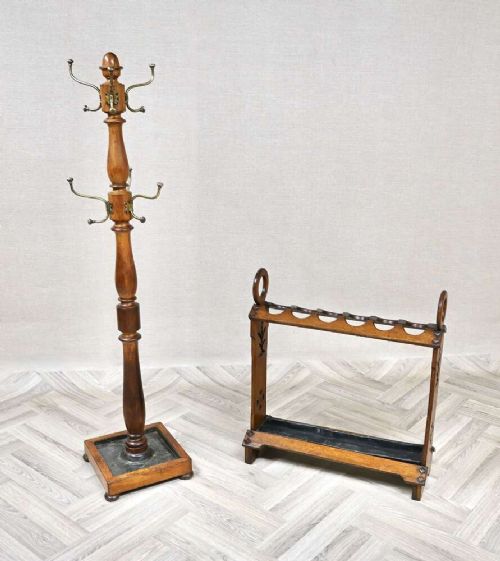
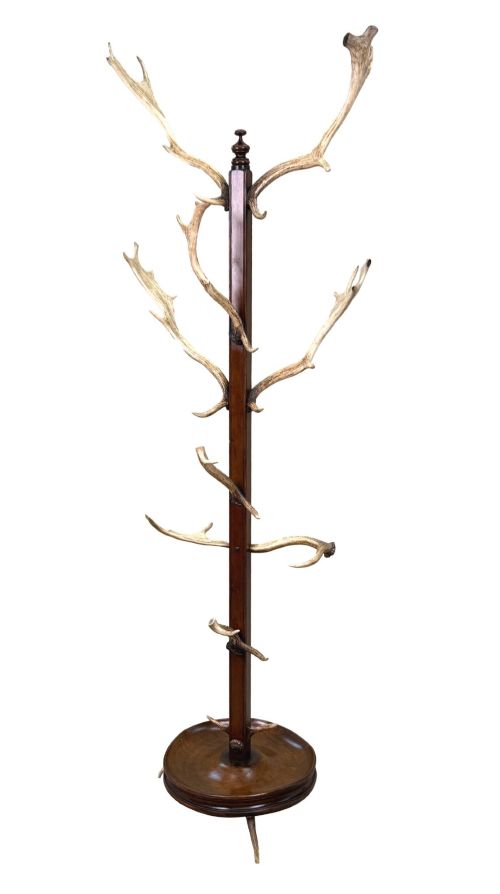
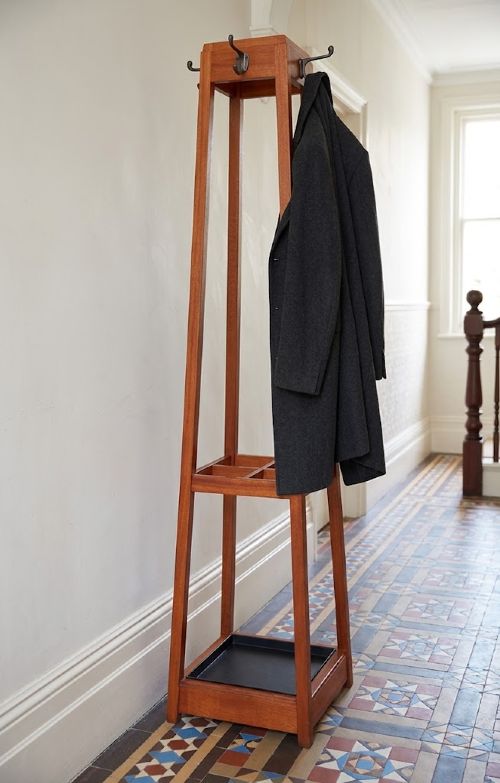
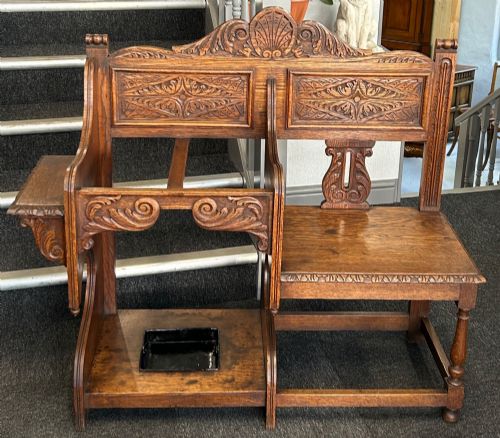
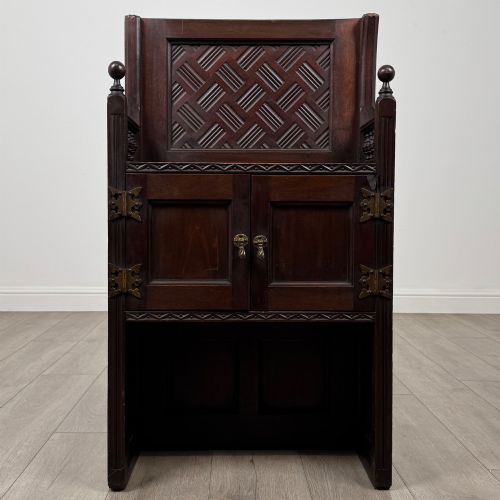
A vintage entryway stand encompasses practical hall furniture designed to organise garments and accessories right inside the front door. These pieces include tall hall stands, umbrella stands, console tables, and combined hall seats.
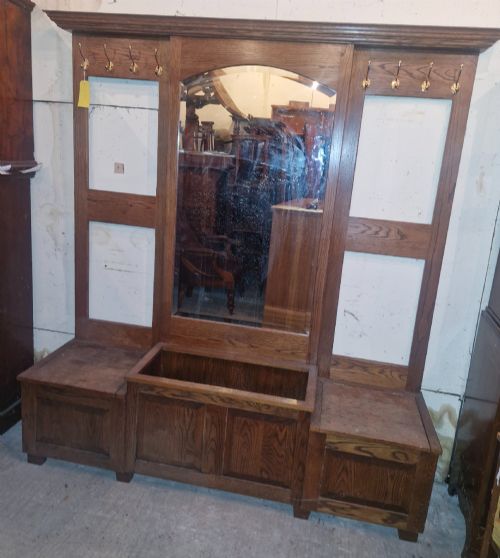
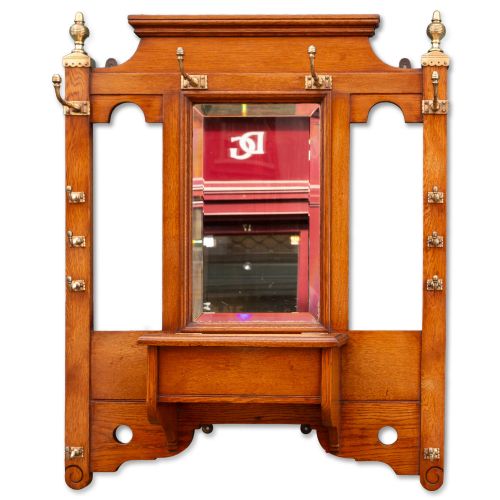
Oak, mahogany, and walnut form the structural backbone of these items, often accompanied by brass hooks and integrated mirrors. Pieces span multiple eras, including Victorian, Edwardian, Arts and Crafts, and Art Deco designs.
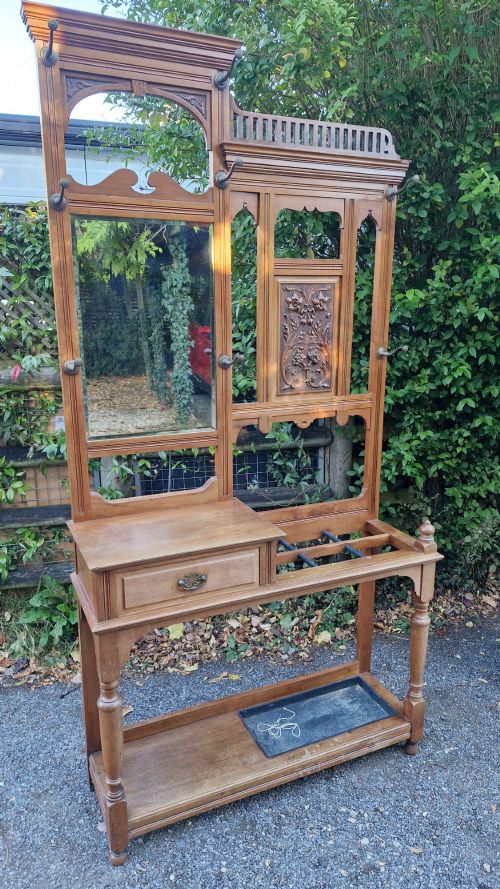
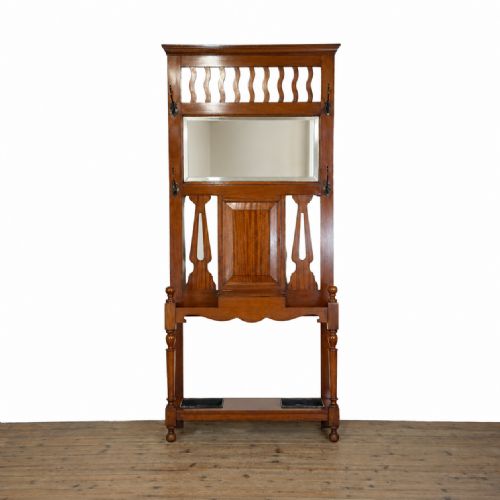
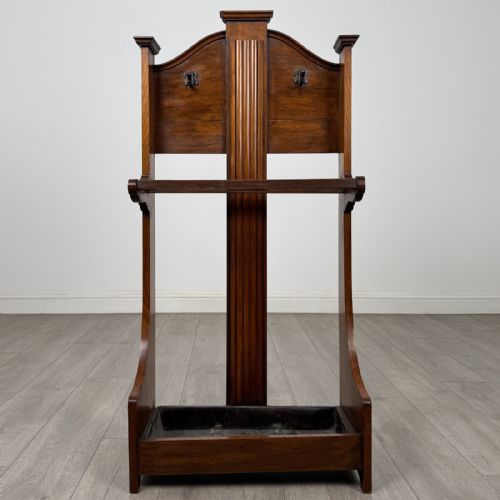
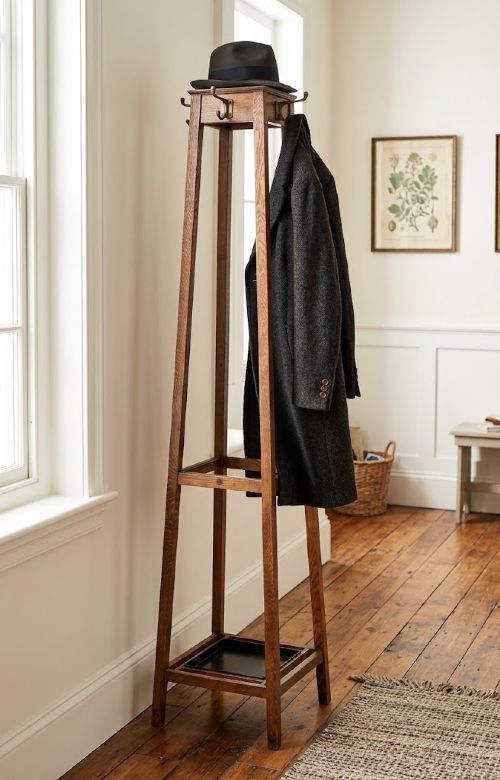
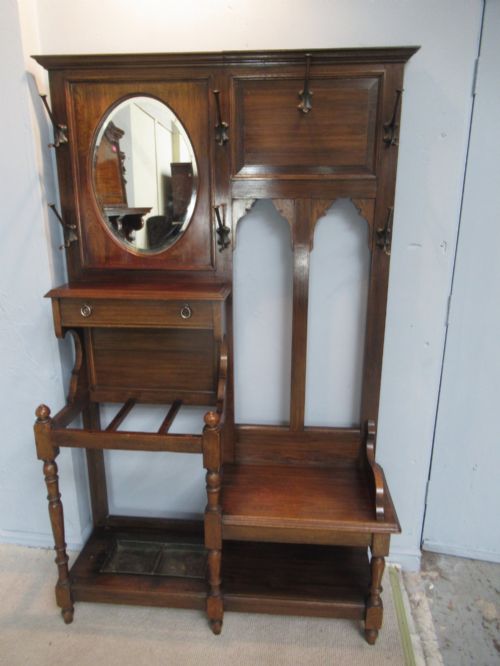
The most common examples on this page are oak and walnut hall stands from the late nineteenth and early twentieth centuries. These versatile items typically combine coat hooks, hat shelves, and umbrella wells into a single unit.
How they were made
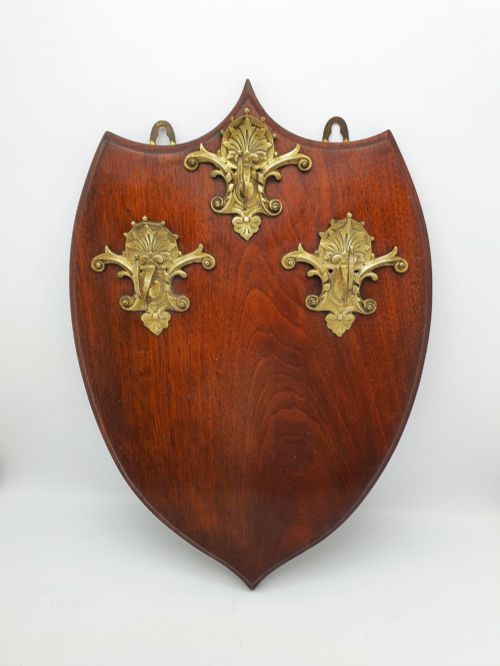
Cabinet makers utilised solid oak, walnut, and mahogany, frequently employing carved details and bentwood techniques to shape timber. Frames incorporated cast iron, brass fittings, and steel elements for structural strength and utility.
Surfaces received traditional polish or wax finishes to protect the wood while highlighting natural grain patterns. Metal components, such as hooks and drip pans, utilised cast iron or brass casting methods common to the period.
Vintage Entryway Stand Retail Price Guide 2026
Typical asking prices for vintage entryway stand among the pieces listed under this phrase on Sellingantiques today, from the lower quarter to the upper quarter. They describe what is for sale here now, not the wider market.
Materials across these listings include oak, walnut, mahogany, brass, cast iron, and bentwood spanning the Victorian to Art Deco periods.
What varies in quality
Construction methods determine durability, separating simpler utilitarian pieces from substantial furniture built by skilled cabinet makers. Superior examples feature robust joinery, heavy timber framing, and intact original hardware like brass hooks and drip pans.
Carving depth and the integration of functional elements such as mirrors and storage compartments dictate the grade of a piece. Finer items retain original surfaces and complete structural components without replacement elements.
The Vintage Entryway Stand Glossary
- Hall stand
- A multi-functional piece of furniture designed for an entrance hall, combining coat hooks, a mirror, and umbrella storage. These items often include a small bench or glove drawer.
- Stick stand
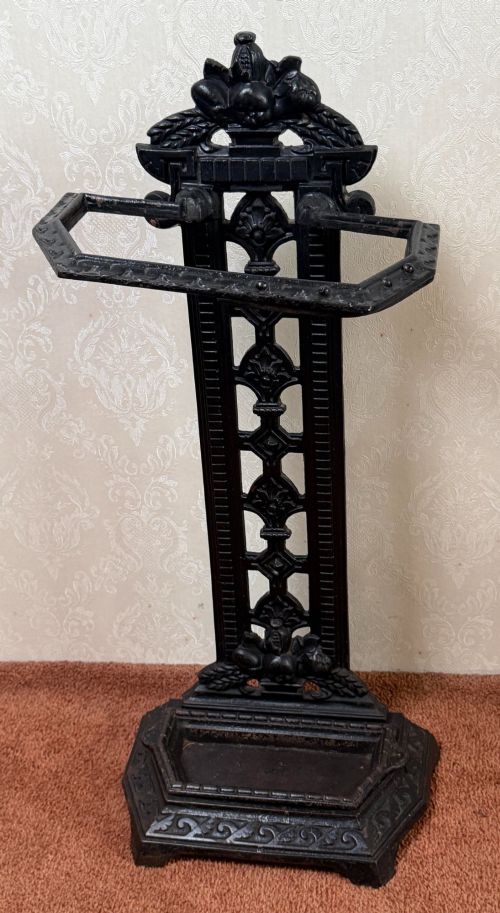
- A compact holder specifically designed for walking sticks and umbrellas, usually featuring metal drip pans at the base to catch moisture. Examples appear in cast iron, brass, and bentwood.
- Console table
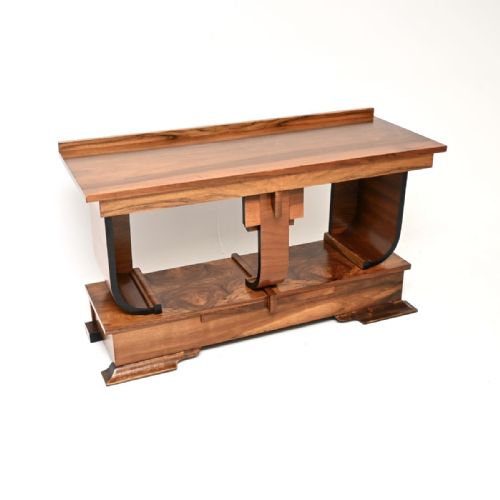
- A table designed to stand against a wall, frequently utilised in hallways for holding small items. These pieces often feature marble or wooden tops supported by decorative legs.
- Bentwood
- A manufacturing technique involving the steaming of wood to bend it into curved shapes. This method created lightweight yet sturdy coat and umbrella stands.
- Faux bamboo
- A decorative finish where wood or metal is carved and painted to resemble natural bamboo stalks. This style gained popularity during the Victorian Aesthetic Movement.
Vintage Entryway Stand: Frequently Asked Questions
What is a vintage entryway stand?
A vintage entryway stand is a piece of furniture designed for hallway use, combining storage for coats, hats, and umbrellas.
These items range from compact wall-mounted racks to large standing units with integrated seats and mirrors.
How were umbrella stands used?
Umbrella stands held wet umbrellas and walking sticks near the front door to keep hallways dry and tidy.
Most designs incorporated a metal or ceramic tray at the bottom to catch water dripping from the wet items.
What woods are commonly found?
Oak, walnut, and mahogany dominate the construction of these historical hallway furnishings.
Craftsmen selected these hardwoods for their strength and ability to support heavy winter garments and repeated daily use.
How do I identify an Edwardian hall stand?
Edwardian pieces often display lighter oak timbers and simpler geometric lines compared to heavier Victorian designs.
They frequently incorporate bevelled mirrors and polished brass coat hooks within a functional upright frame.