




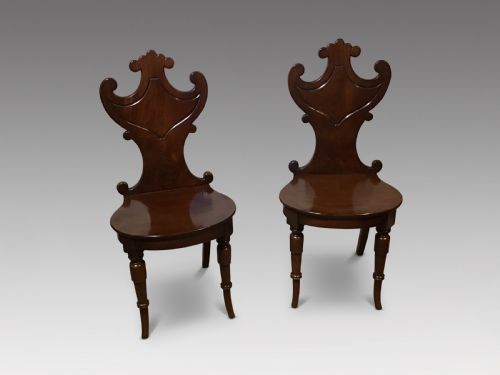
Vintage Entryway Chairs
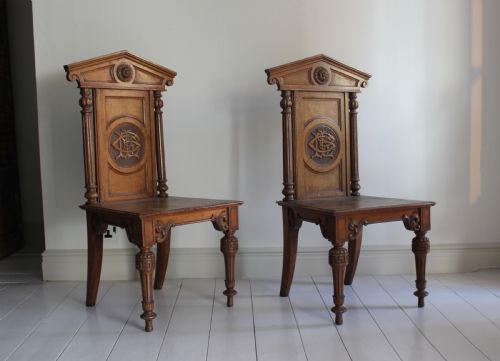
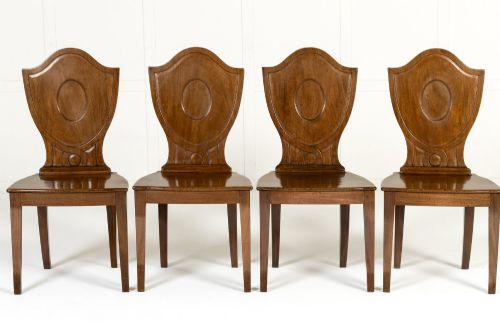
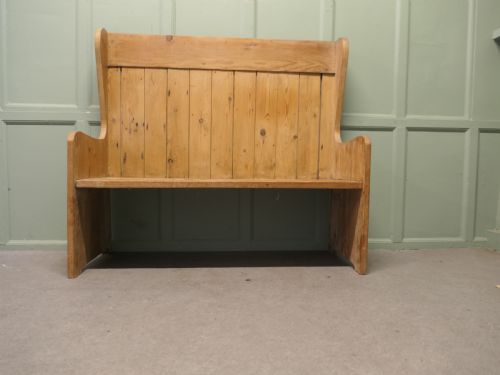
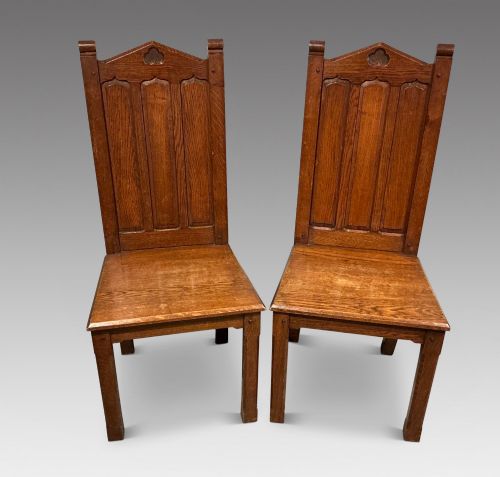
These vintage entryway chairs and hall benches bring instant character to a hall, offering a solid seat where guests drop their coats.
Vintage Entryway Chairs
When you search for vintage entryway chairs, you are looking at practical seating designed for hallways, corridors and boot rooms. These pieces include sturdy hall chairs, settles and benches from the nineteenth and early twentieth centuries.
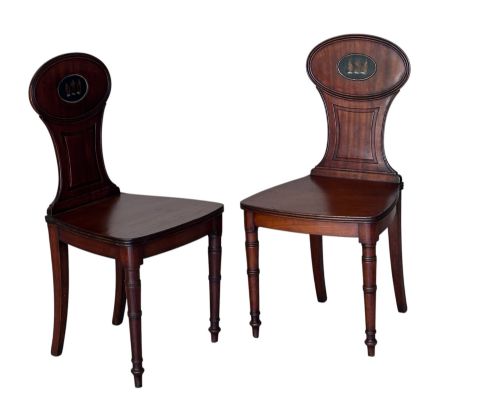
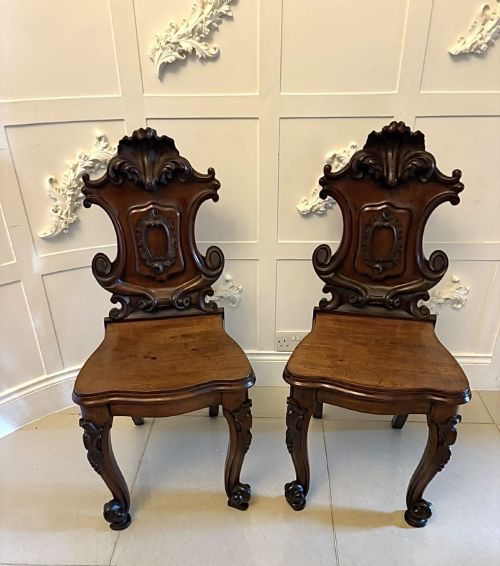
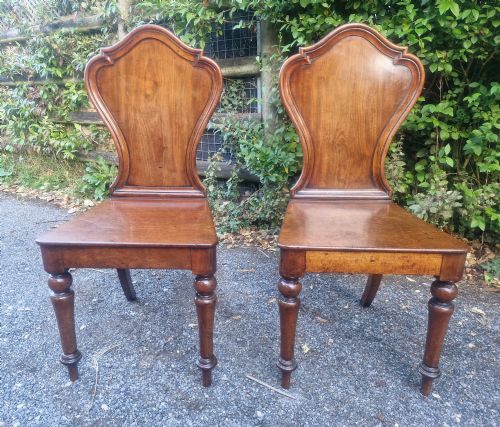
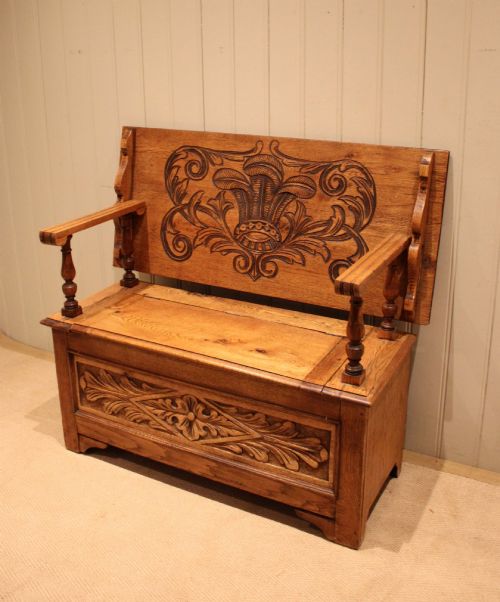
You are most likely to meet timber hall chairs and benches shaped by Victorian, Regency and rustic country hands. These functional forms range from upright mahogany chairs to high-backed pine settles built for daily use.
The selection on this page draws together English, colonial and Chinese export pieces in solid woods like oak, walnut and mahogany. Each style reflects the practical needs of past hallways, combining sturdy construction with decorative carving.
How they were made
Cabinetmakers built these entryway seats from hardwoods like mahogany, oak and walnut, alongside softer timbers such as pine and softwood. They selected solid stock to withstand the heavy wear of busy halls and country pubs.
Joinery techniques relied on sturdy framing and carved details, ranging from simple pegged joints to elaborate relief work. Workshops shaped timber into high backs and panelled settles using traditional hand tools.
Vintage Entryway Chairs Retail Price Guide 2026
Typical asking prices for vintage entryway chairs among the pieces listed under this phrase on Sellingantiques today, from the lower quarter to the upper quarter. They describe what is for sale here now, not the wider market.
The timber selection in these listings spans English oak, mahogany, walnut, pine and softwood across the nineteenth and early twentieth centuries.
What varies in quality
The distinction between standard entryway seating and finer examples lies in the selection of timber and the depth of carving. Dense woods like mahogany and walnut allow for crisper details on backsplats and panels.
Proportion and design ambition separate straightforward country pine from architectural revival pieces. Higher-grade halls chairs feature balanced Regency lines or careful Chinese export carving rather than plain utility.
The Vintage Entryway Chairs Glossary
- Hall Chair
- A wooden seat designed for an entrance hall, usually featuring an upright solid back and a timber seat. These pieces were rarely built for long lounging.
- Settle
- A wooden bench with a high back and enclosed arms to block drafts in chilly corridors. Many examples include a hinged seat lid forming a storage box beneath.
- Backsplat
- The upright central panel within a chair back. In entryway seating, this element often carries carved crests, shields or geometric motifs.
- Regency
- A style period spanning the early nineteenth century defined by neoclassical lines and classical restraint. Pieces from this era often utilise figured mahogany.
Vintage Entryway Chairs: Frequently Asked Questions
Where did people put hall chairs?
These seats stood strictly in entrance halls, corridors and vestibules rather than living rooms. Visitors used them briefly while waiting to be announced.
They occupied narrow spaces against walls, keeping corridors tidy without blocking doorways.
How do I spot a settle?
A settle stands out by its high wooden back and solid wooden arms. It resembles a bench built to shield the sitter from draughts.
Many historic examples also incorporate a storage box hidden beneath the hinged seat lid.
Are these chairs comfortable?
Entryway seating was built for utility rather than relaxed lounging. The upright wooden seats and stiff backs encouraged proper posture for short waits.
Adding a small loose cushion can soften the hard timber for everyday use.
What woods were used most?
Cabinetmakers relied heavily on durable timbers like oak, mahogany and walnut for formal hall chairs. Softer woods such as pine appeared more often in country settles and rustic benches.
Solid construction ensured the furniture survived decades of heavy hallway traffic.