





Vintage Entrance Furniture
These vintage entrance furniture pieces welcome visitors with period character and practical use.
Vintage Entrance Furniture
Vintage entrance furniture gathers hall stands, console tables, door knockers, door handles, and boot jacks into one practical group.
The hall stand forms the core of this selection, often incorporating umbrella compartments or tiled panels alongside hooks and mirrors.
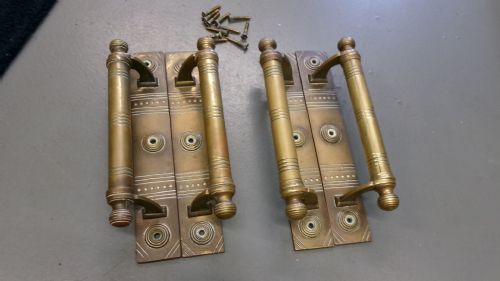
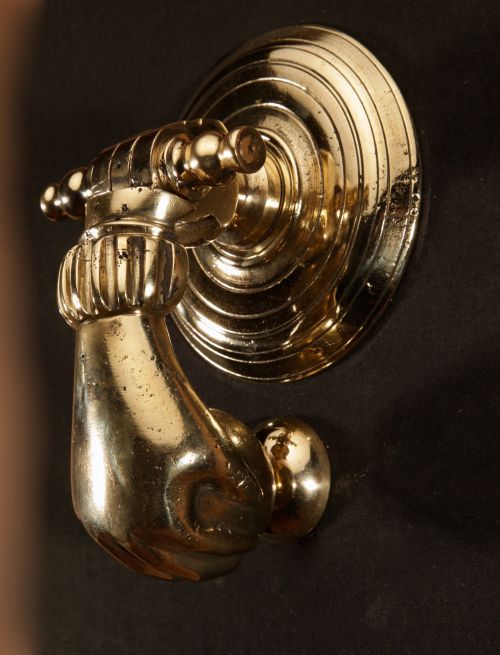
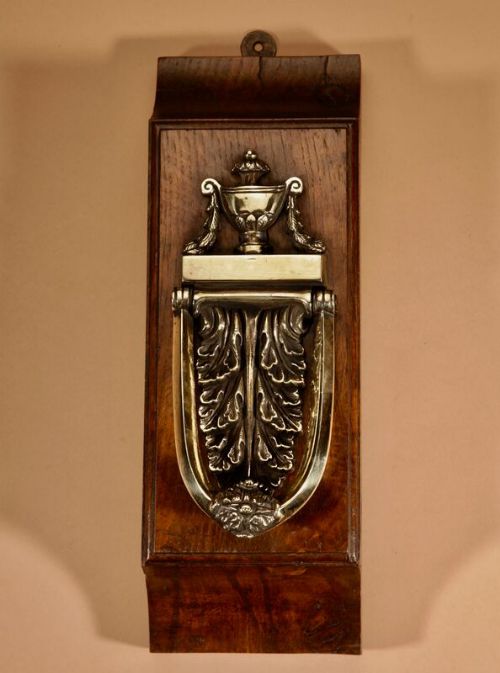
Smaller items like brass door knockers and bronze door pulls provide immediate period detail for an exterior or interior doorway.
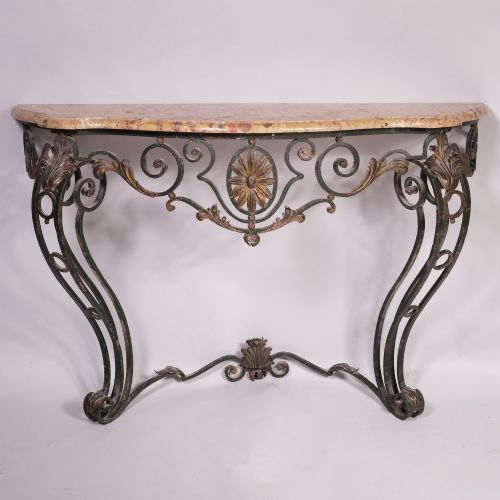
Console tables with serpentine marble tops represent the more decorative end of furnishing a hallway.
How these pieces were made
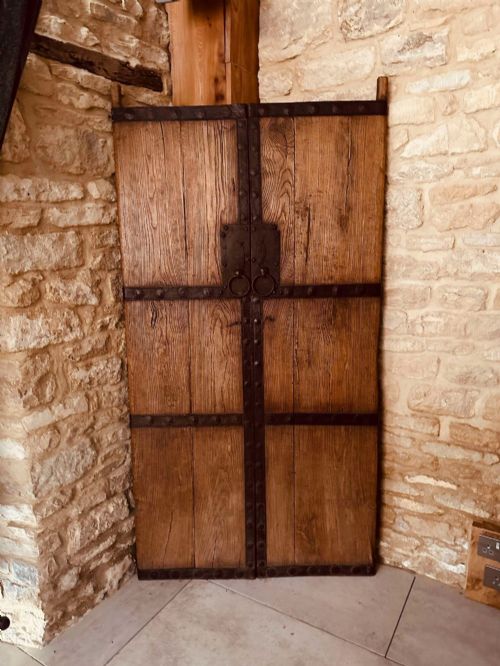
Cabinetmakers worked predominantly in solid oak and walnut for larger items like hall stands, while marble served for console tops.
Foundry workers cast brass, bronze, cast iron, and wrought iron to create durable door furniture and boot jacks.
Vintage Entrance Furniture Retail Price Guide 2026
Typical asking prices for vintage entrance furniture among the pieces listed under this phrase on Sellingantiques today, from the lower quarter to the upper quarter. They describe what is for sale here now, not the wider market.
The listings show oak, walnut, marble, brass, bronze, cast iron, and wrought iron across Victorian, Edwardian, Arts and Crafts, and Art Nouveau periods.
What varies in quality
The refinement of the casting in metalwork sets apart simple hardware from detailed hand-finished door knockers and handles.
Timber selection and the integration of functional elements, such as folding mechanisms in boot jacks or built-in umbrella storage, distinguish standard pieces from superior examples.
Maker attribution and specialised ceramic inserts elevate specific hall stands above plain utility items.
Ellen E. Houghton of Minton
The Vintage Entrance Furniture Glossary
- Hall Stand
- A tall piece of furniture designed for an entrance hall that typically includes coat hooks, a mirror, umbrella compartments, and a small shelf or drawer. This form served as a central organising point for outerwear.
- Boot Jack
- A small hinged or V-shaped device used for removing boots without soiling the hands. Walnut and cast iron examples fold flat for storage.
- Console Table
- A table fixed against a wall, frequently topped with marble and supported by decorative brackets or legs. These items occupy narrow hallways where depth is limited.
- Door Knocker
- An exterior door fitting mounted on a striking plate that allows visitors to announce their arrival. Designs range from plain rings to figurative shapes like hands.
- Serpentine Top
- A curved table surface that undulates outward and inward in a gentle S-shape. This contour appears on marble-topped console tables.
Vintage Entrance Furniture: Frequently Asked Questions
What fits in a narrow hallway?
Console tables with marble tops and wall-mounted door hardware occupy minimal floor space while adding period detail to compact entryways.
Larger hall stands require more clearance and suit wider corridors with adequate wall space.
How do I maintain oak furniture?
Solid oak hall stands benefit from occasional waxing to nourish the grain and protect the surface from moisture brought in by coats and umbrellas.
Avoid placing wooden furniture directly against damp walls to preserve the structural timber.
What metals were used?
Makers utilised brass, bronze, cast iron, and wrought iron for hardware, door knockers, and structural elements.
Each metal develops a distinct patina over time through handling and exposure to the elements.
Where were boot jacks placed?
Boot jacks sat on the floor near the entrance for immediate use upon returning from outdoors.
Folding wooden versions allowed homeowners to tuck them away when not in active service.