
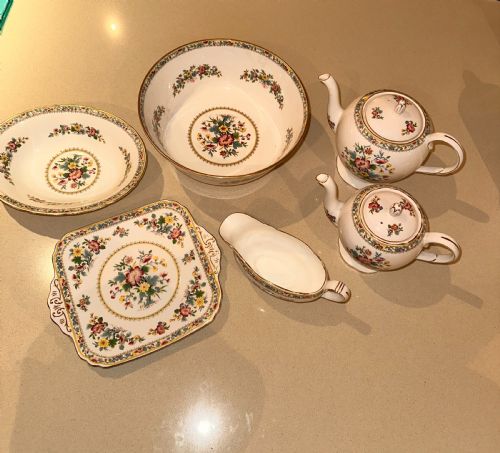


Vintage English Porcelain Bowl
When you search for a vintage english porcelain bowl, you open a long tradition of decorative and functional ceramics produced across centuries.
Vintage English Porcelain Bowl
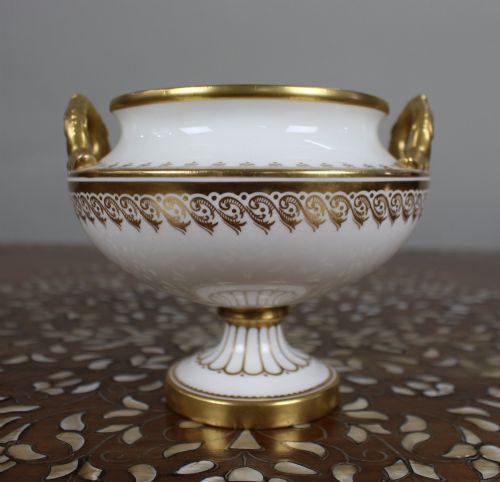
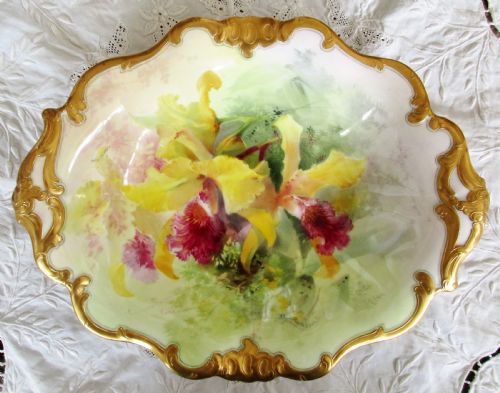
A vintage english porcelain bowl spans forms ranging from sugar bowls and dessert dishes to large decorative pieces created for display. You will encounter examples originating from various periods, including the eighteenth and nineteenth centuries, alongside Edwardian and later twentieth-century pieces.
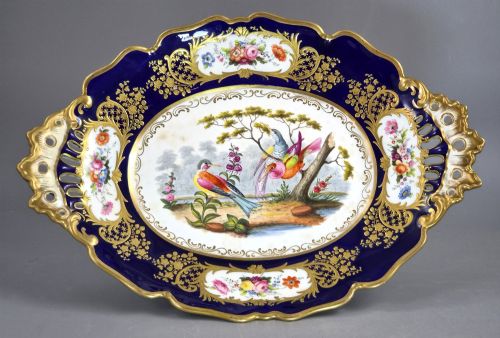
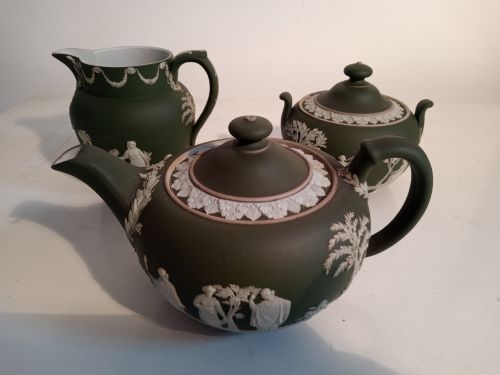
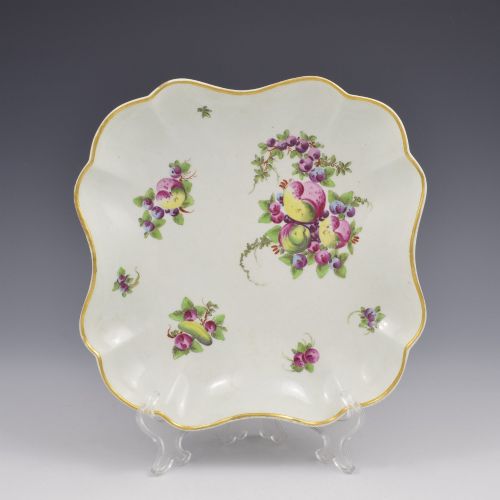
The selection here encompasses specialised items like fruit dishes, painted fruit sugar bowls, and octagonal lustre bowls. Makers such as Worcester, Wedgwood, and Royal Worcester shape the historical span represented in these listings.
How They Were Made
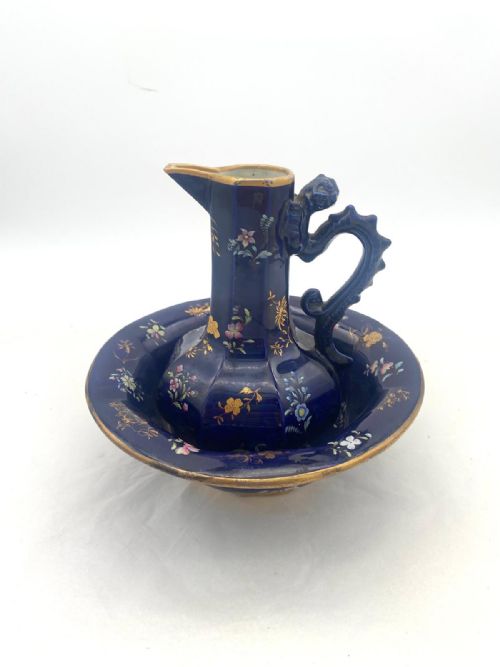
Potters utilised porcelain, bone china, and ironstone as foundational bodies, often enriched with enamel painting, gold leaf, and gilding. Lustre glaze finishes and hand-painted details frequently appear across pieces from the eighteenth century onwards.
Techniques combined skilled throwing or moulding with intricate hand-painted decoration, floral encrustations, and transfer printing. Firing methods allowed for the application of vibrant cobalt blue and complex multi-coloured enamel scenes.
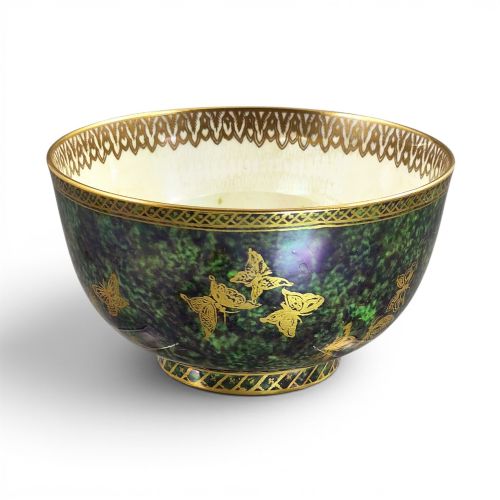
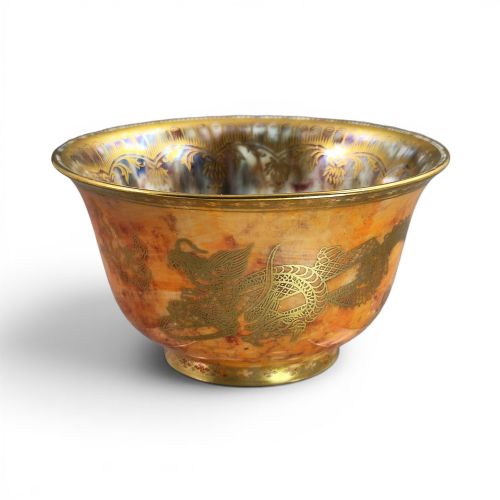
Certain bowls transport you straight into a magical landscape populated by floating butterflies and coiling dragons.
What Varies in Quality
The distinction between tiers rests upon the precision of the hand-painting, the complexity of the design, and the prominence of the maker or decorator. Pieces bearing documented signatures or attributed to renowned factories like Royal Worcester or Wedgwood command attention for their artistic execution.
Quality also manifests in the delicacy of the porcelain body, the richness of the gilding, and the preservation of enamel colours over time. Elaborate decorative programmes, such as Fairyland Lustre or detailed fruit studies, demonstrate superior craftsmanship.
Coalport·Wedgwood·Royal Worcester·Worcester·Mason
The Vintage English Porcelain Bowl Glossary
- Porcelain
- A ceramic material made by heating raw materials, generally including clay in the form of kaolin, in a kiln. It is known for its vitrified, translucent body.
- Lustre Glaze
- A type of ceramic glaze that imparts a metallic sheen through the reduction of metallic oxides during firing. It creates iridescent surface effects.
- Sucrier
- A small open or lidded bowl designed specifically for holding sugar as part of a tea service. These often match tea bowls and saucers.
- Ironstone
- A type of vitreous pottery developed in the early nineteenth century as a durable alternative to porcelain. It shares heavy utilitarian and decorative properties.
- Comport
- A decorative pedestal dish or bowl raised on a foot, traditionally used for serving fruit or sweetmeats at dessert.
Vintage English Porcelain Bowl: Frequently Asked Questions
What is a vintage english porcelain bowl used for?
These vessels served various functions historically, from holding sugar and fruit to standing alone as decorative cabinet pieces.
Today, they function primarily as display items or decorative dishes within domestic interiors.
How do I identify the period of a porcelain bowl?
Dating relies on factory marks, painter signatures, stylistic indicators such as Art Nouveau or Georgian motifs, and the specific composition of the ceramic body.
Examining the glaze and hand-painting techniques also provides clear clues to the era of manufacture.
How should I care for an antique porcelain bowl?
These pieces require gentle handling and should be washed by hand in lukewarm water using mild soap when cleaning is necessary.
Avoid automated dishwashers and harsh abrasives to protect delicate gilding and enamel decoration.
What is the difference between porcelain and ironstone?
Porcelain is a fired ceramic material known for its fine, translucent body and delicate appearance.
Ironstone is a heavier, highly durable vitrified earthenware developed to withstand more robust use.