
Vintage English Country Artwork
Vintage english country artwork captures rural life through watercolours and oils that bring pastoral quiet directly into your rooms.
Pigments, Canvas, and Paper
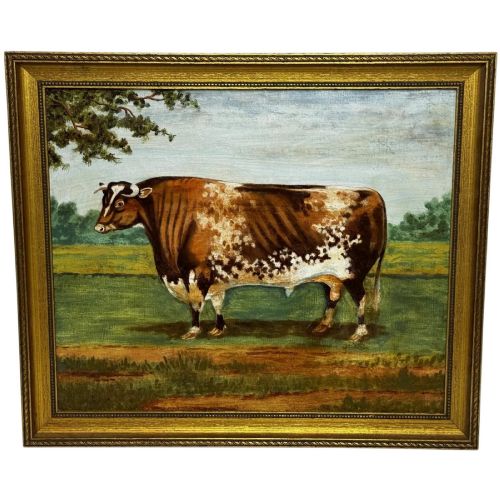
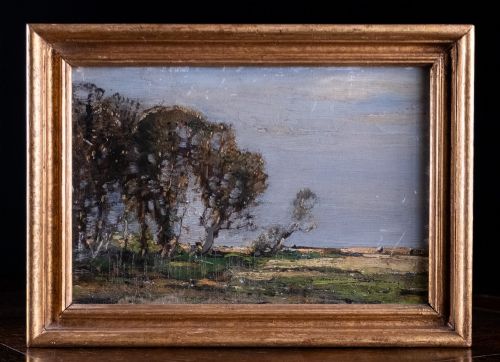
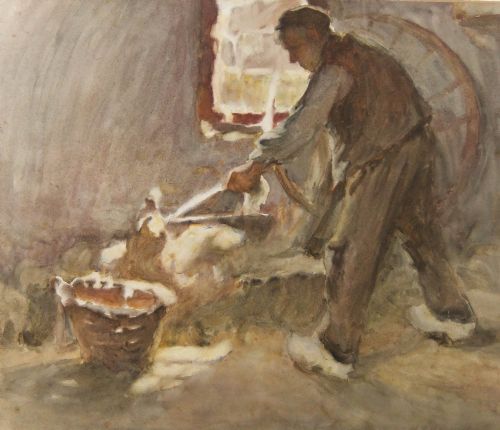
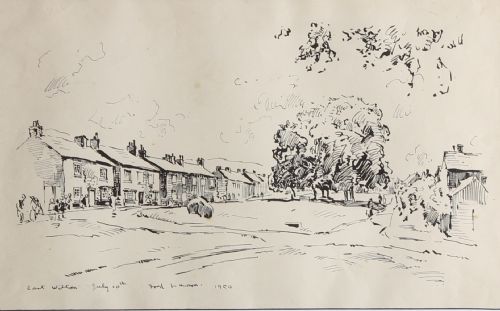
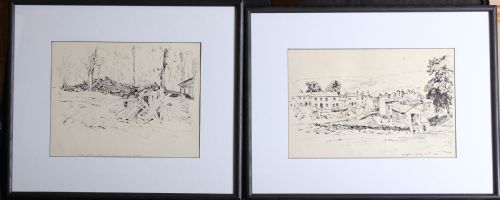
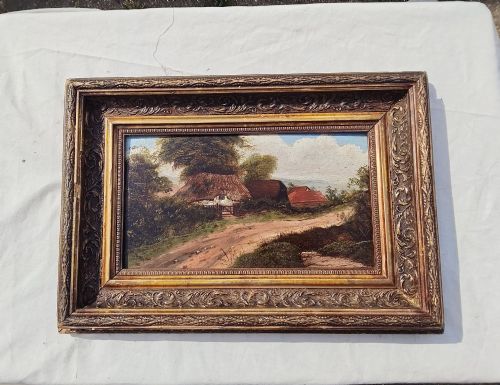
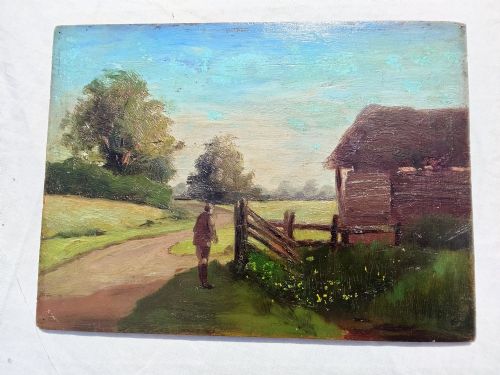
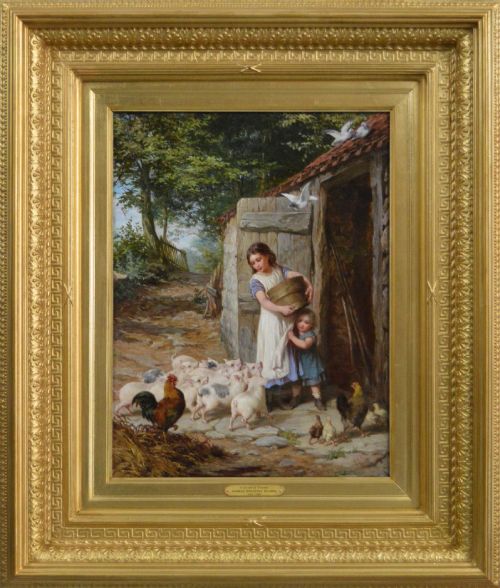
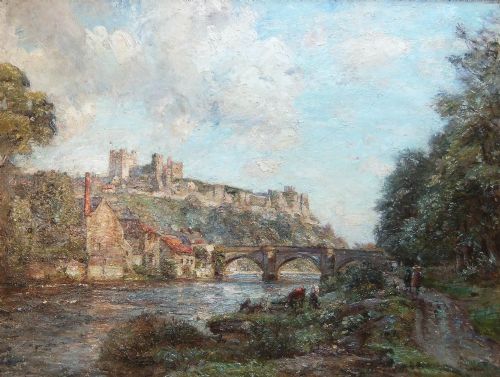
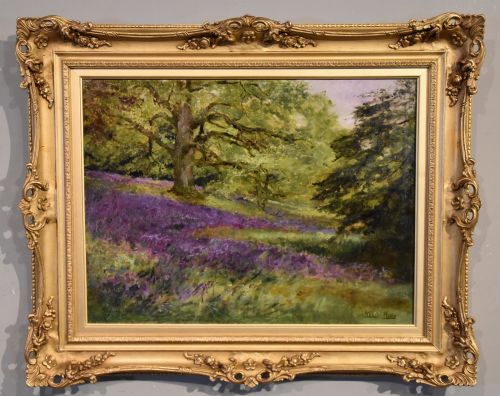
Artists utilised traditional media including oil paints, watercolours, pastel, and ink applied to supports such as stretched canvas, wood panels, card, and heavy paper. Oil on canvas or board offered durability and rich texture for larger pastoral landscapes.
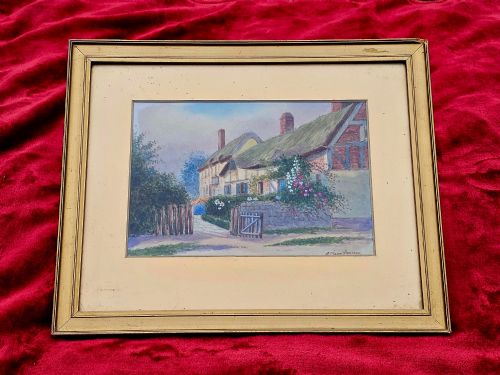
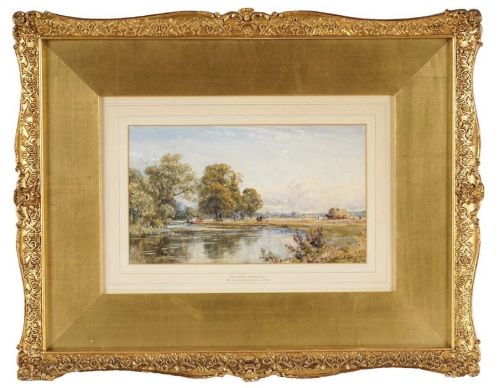
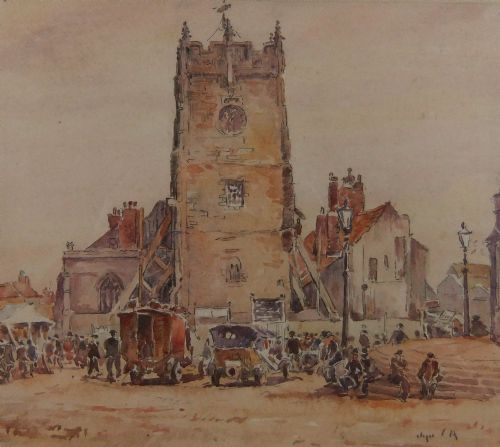
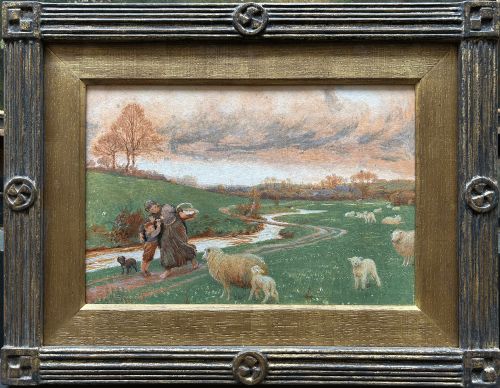
Watercolour paintings on paper relied on transparent washes to capture changing light across rural Yorkshire or West Country scenes, frequently protected beneath glass within framed settings.
Framing typically involved wood moulding finished with gold leaf or gilt, complementing the traditional tones of the paintings and safeguarding the edges of the canvas or paper.
Brushwork and Composition
Quality rests upon the confidence of the brushwork and the clarity of the composition, distinguishing accomplished regional artists from amateur practitioners. Stronger pieces demonstrate a command of light and atmosphere, particularly in capturing specific weather conditions or local topography.
The condition of the physical medium matters significantly, with superior works maintaining stable paint layers free from excessive retouching, and watercolours retaining their original pigment vibrancy without heavy fading.
The integration of the artwork with its period frame contributes to overall integrity, as original gilt wood or moulded frames preserve the historical context of the piece.
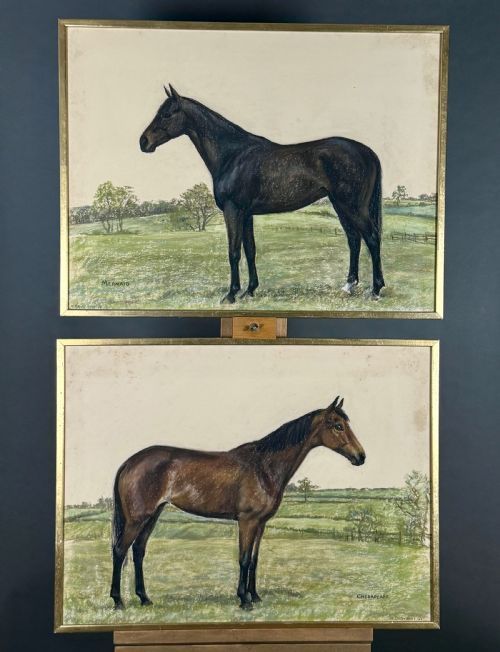
Subjects documented across the inventory include pried Shorthorn bulls, Dartmoor ponies, and West Country trawling luggers.
A. Marie Parsons·Kershaw Schofield·Henry Silkstone Hopwood·Fred Lawson·Robert Thorne Waite·John Smith Atherton·George Augustus Holmes·Frederick Walker·Herbert Royle·Henry Yeen King·C R Breytle·Herman S Melville·George Morland·Charles Edward Wilson·Hubert Wellington·John Bedloe Goddard·Charles Walter Simpson·Richard Harry Carter·Harry Freckleton·William JB Jenkins·Ernest Higgins Rigg·John Constable·J S Ainley·J. Phipps·M. C. Hider
The Vintage English Country Artwork Glossary
- Watercolour
- A painting method where fine pigment is suspended in a water-soluble binder, applied chiefly to paper. It allows for translucent washes that convey atmospheric light in landscape studies.
- Oil on Canvas
- Pigment mixed with drying oil applied to a woven fabric surface stretched across a wooden frame. This combination provides durability and allows for rich textural application.
- Gilt Wood
- Wood carved and coated with a thin layer of gold leaf or metallic powder. It provides a reflective decorative border for traditional framing.
- English School
- A classification for artists working within Britain who shared stylistic influences and subjects. It highlights regional traditions rather than a single unified academy.
- Lithograph
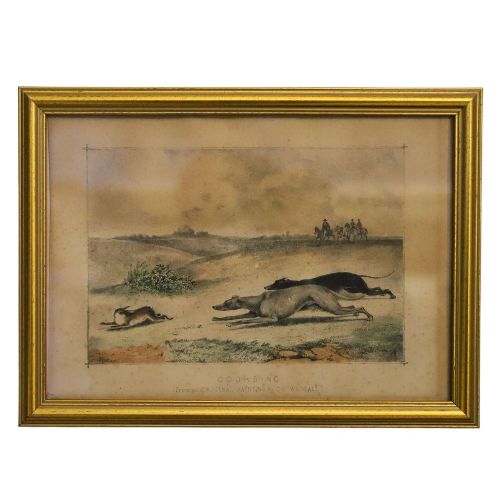
- A printmaking technique based on the immiscibility of oil and water, utilising a stone or metal plate. It enabled the reproduction of original artwork for broader distribution.
Vintage English Country Artwork: Frequently Asked Questions
How do I date vintage English country artwork?
Dating relies upon stylistic markers, framing materials, and artist signatures recorded in the listing details. Nineteenth-century pieces often feature heavier gilt frames and darker varnishes, while mid-twentieth-century works show lighter palettes and simplified mountings.
Examining the reverse of the canvas, board, or paper can reveal artist inscriptions, studio stamps, or framer labels that narrow the period of creation.
Where were these landscape paintings displayed?
These artworks traditionally hung in country houses, vicarages, and provincial sitting rooms across rural Britain. They served to celebrate local topography, agricultural achievements, and familiar pastoral views.
Today, they suit domestic interiors seeking to introduce a sense of heritage and connection to the British countryside.
What is the difference between oil and watercolour here?
Oil paintings utilise thick pigments on canvas, panel, or board, offering robust textures and deep tones well-suited to major landscape compositions. Watercolours employ transparent washes on paper, providing delicate light effects that require protection beneath glass.
Both mediums captured the distinct characteristics of rural life throughout the nineteenth and twentieth centuries.
How should I care for framed watercolours?
Watercolours on paper require placement away from direct sunlight to prevent the fading of delicate pigments. Maintaining stable indoor humidity levels protects both the paper support and the surrounding mount.
Keeping the original glass and frame intact ensures the work remains shielded from atmospheric dust and physical handling.