
Vintage Enamelled Clock
A vintage enamelled clock brings mechanical precision and fired colour together, marking the hours through polished brass and vibrant mineral pigments.
Vintage Enamelled Clock
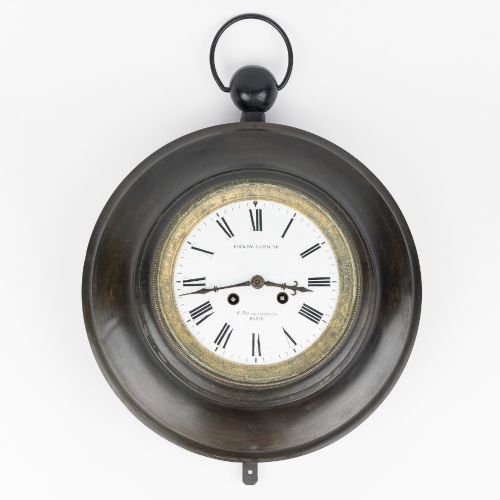
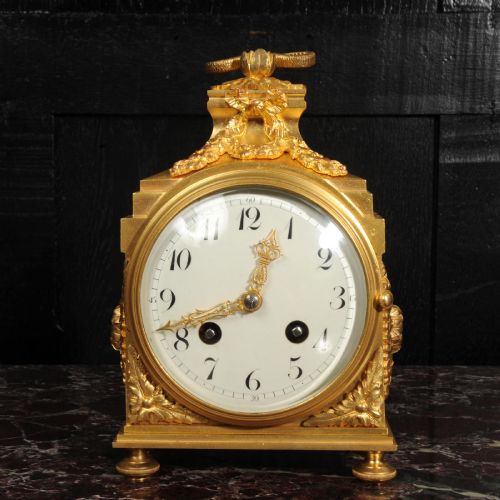
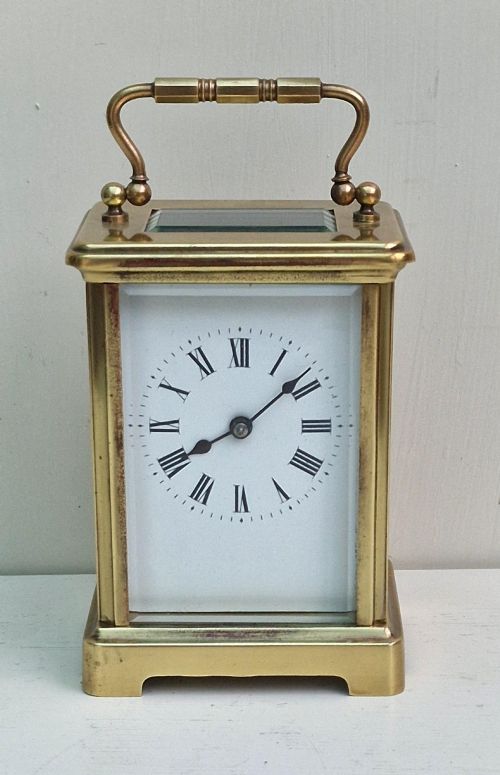
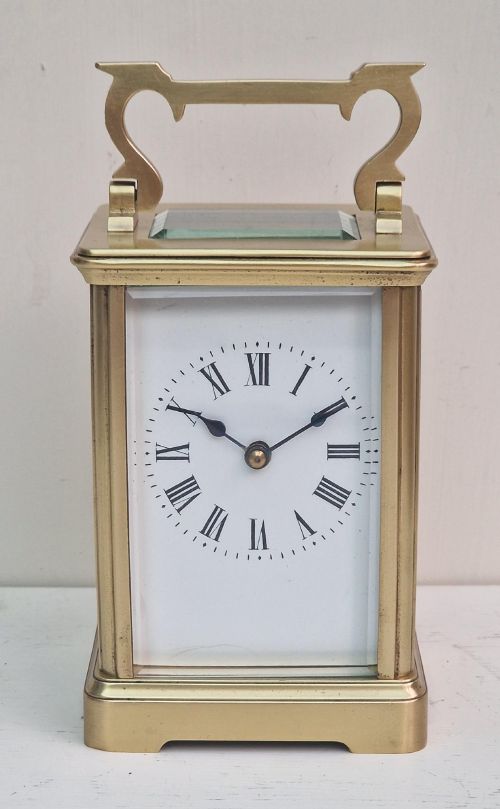
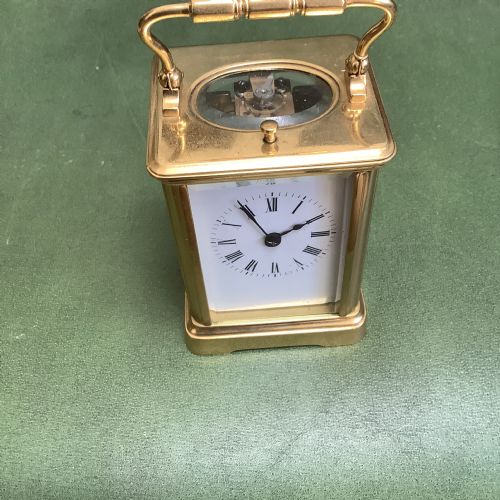
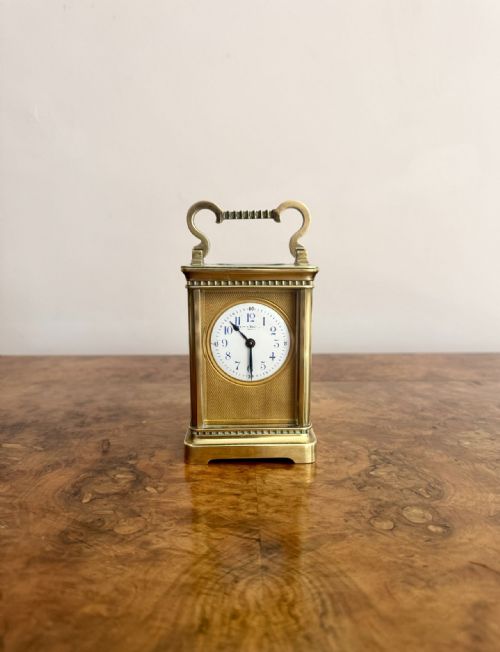
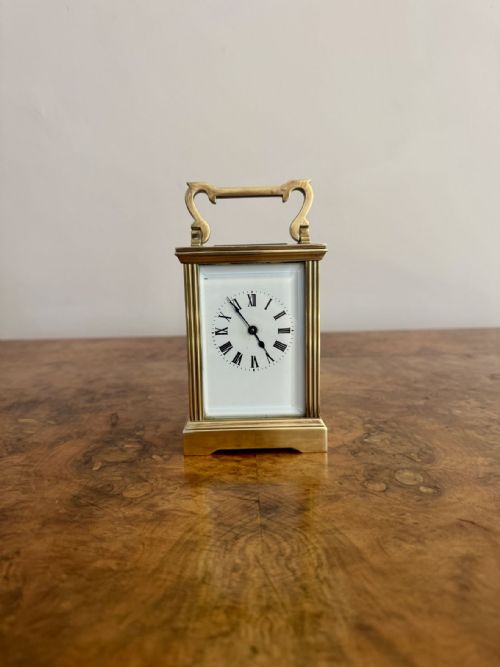
When you search for a vintage enamelled clock, you encounter timepieces dominated by brass and gilt bronze carriage clocks, mantel pieces, and porcelain or metal dials. These objects originate largely from French and British workshops active across the nineteenth and twentieth centuries.
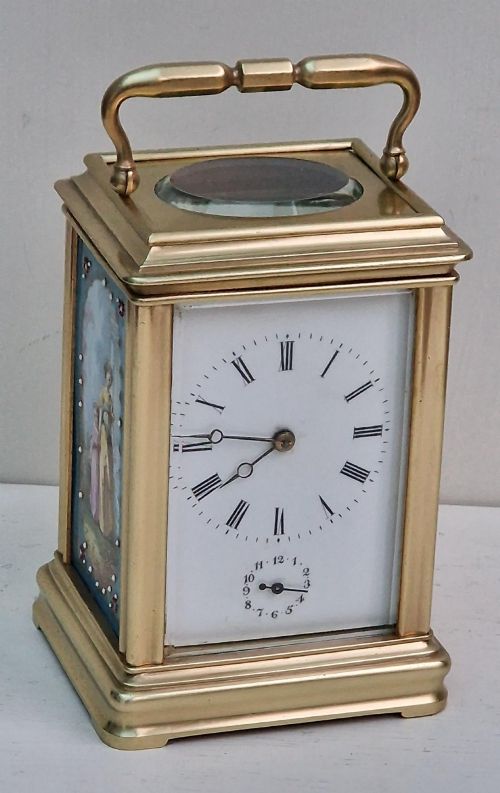
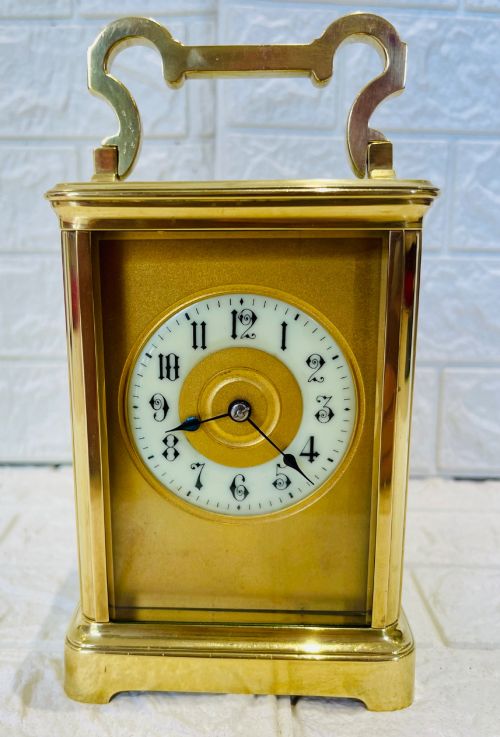
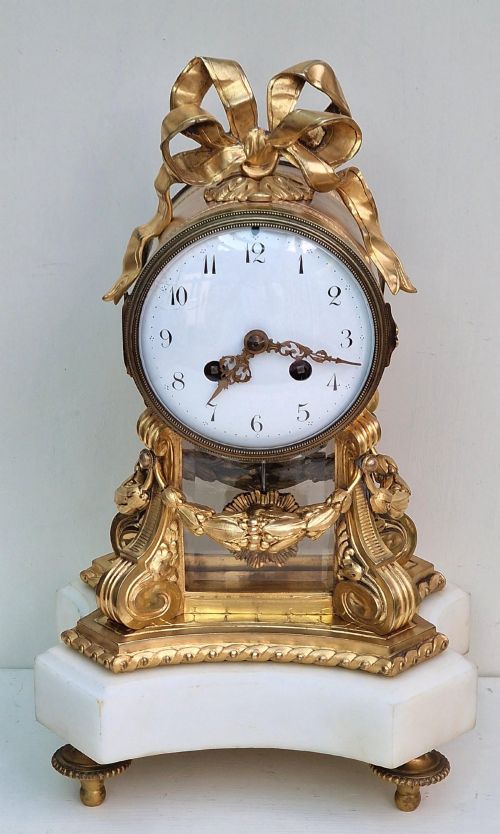
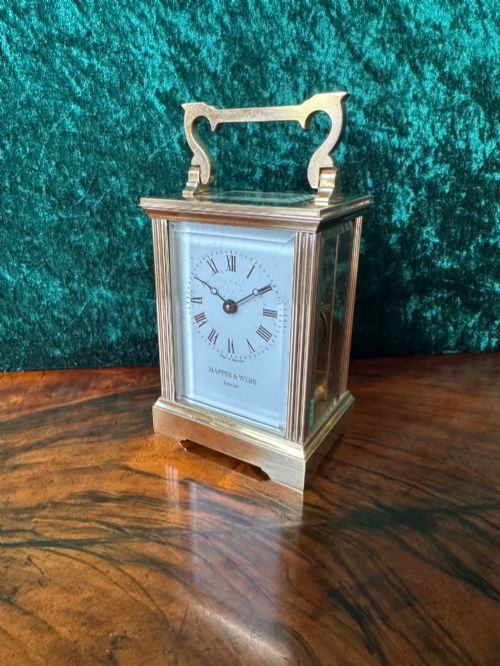
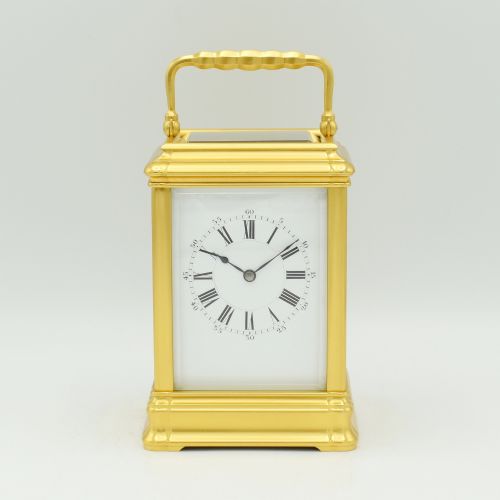
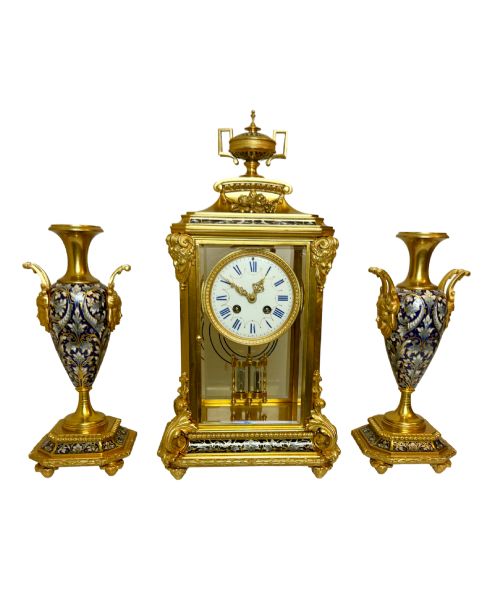
The selection on this page relies heavily on carriage clocks housed in brass frames, alongside wall clocks and pocket watches that integrate enamel dials or panels. Pieces range from modest Victorian miniatures to substantial garnitures decorated with champleve enamel.
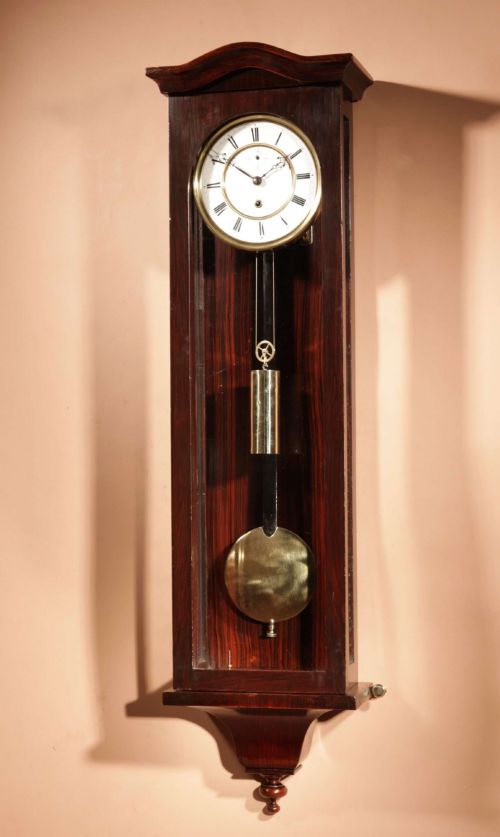
Makers and retailers such as Henri Jacot and Mappin and Webb appear frequently among the listings, alongside Vienna regulators and Black Forest wall clocks. Buyers find mechanisms spanning simple eight-day movements to bell-strike and repeating carriage clocks.
How they were made
Casings combine cast brass, ormolu, and gilt bronze, often paired with glass panels that expose the escapement and gear trains inside. Makers applied enamel by fusing powdered glass to metal surfaces at high temperatures, creating smooth, glossy coloured dials and decorative panels.
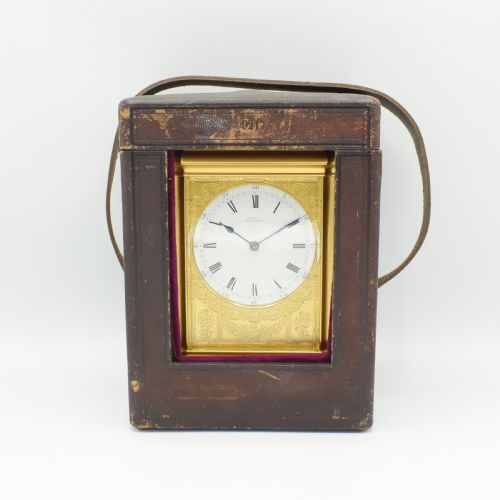
Movements rely on precision metalworking, incorporating steel pinions, brass wheels, and Swiss or French escapements driven by mainsprings or pendulums. Travel cases wrapped in leather protected these portable timepieces during transit.
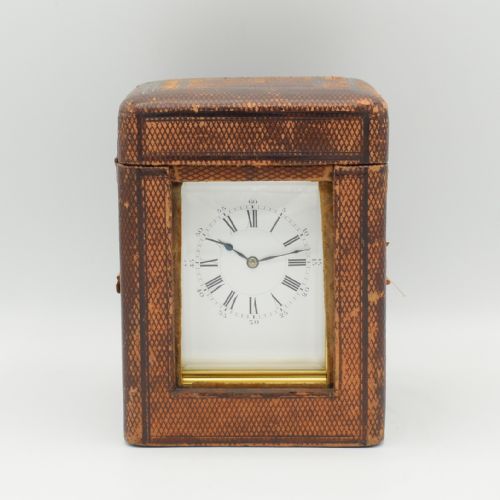
Some carriage clocks travelled across Victorian rail networks inside custom leather cases designed to absorb the persistent vibration of steam trains.
What varies in quality
The refinement of the cast brass or gilt bronze casing dictates the initial visual impact, separating simple production models from fully engraved, heavy gorge cases. Crispness in the hand-finishing of brass mouldings and the complexity of repeat-strike or alarm complications mark out superior examples.
The condition and clarity of the enamel panels or dial surfaces govern lasting appeal, as fused glass resists fading but suffers from hairline fractures or chips over decades of use.
Henri Jacot·Mappin and Webb·Pickford of London·David Veasey for Liberty and Co·T. Martin and Co
The Vintage Enamelled Clock Glossary
- Carriage clock
- A portable spring-driven timekeeper equipped with a carrying handle, originally designed for travellers in the nineteenth century.
- Champleve enamel
- A technique where troughs are dug into a metal surface and filled with powdered glass before firing, producing patterned decorative sections.
- Gorge case
- A stepped rectangular brass housing typical of better French carriage clocks, featuring moulded sections to the top and base.
- Pendule d'Officier
- A French military officer's timepiece housed in a portable brass frame, often equipped with striking mechanisms.
- Goliath watch
- An oversized pocket watch, typically measuring around sixty millimetres or more across, frequently supplied with a fitted travel stand or case.
Vintage Enamelled Clock: Frequently Asked Questions
How do I wind a carriage clock?
Use the matching key inserted into the winding square on the back plate, turning gently until resistance increases. Avoid over-winding to protect the mainspring.
Keep the clock upright during the process and ensure the escapement rests level on a stable surface.
How should I clean the brass case?
Dust the exterior regularly with a soft, dry cloth to prevent grime accumulation on the gilt surfaces. Liquid polishes strip away the gilt layer on antique brass and must be avoided entirely.
Glass panels clean safely with a tiny amount of glass cleaner applied to a cloth rather than sprayed directly.
Where should I place a vintage clock?
Select a stable mantelpiece or shelf away from direct sunlight, central heating vents, and damp exterior walls. Wood expansion and temperature swings alter metal tolerances and affect timekeeping accuracy.
Ensure the surface remains level so the pendulum or balance wheel swings symmetrically.