

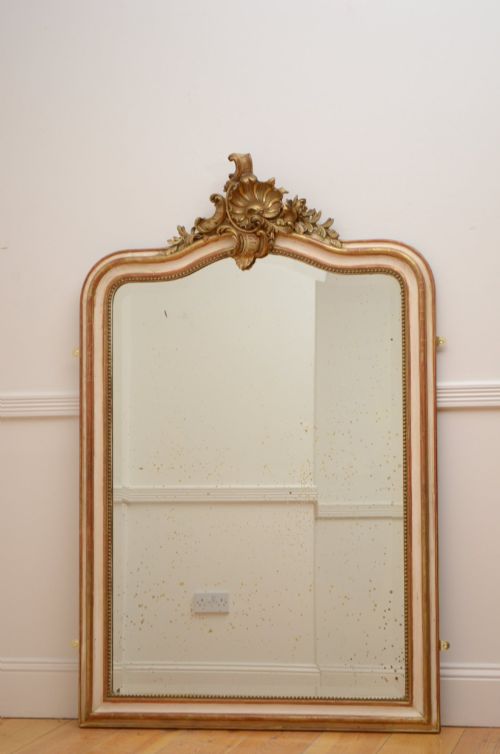


Vintage Empire Mirror
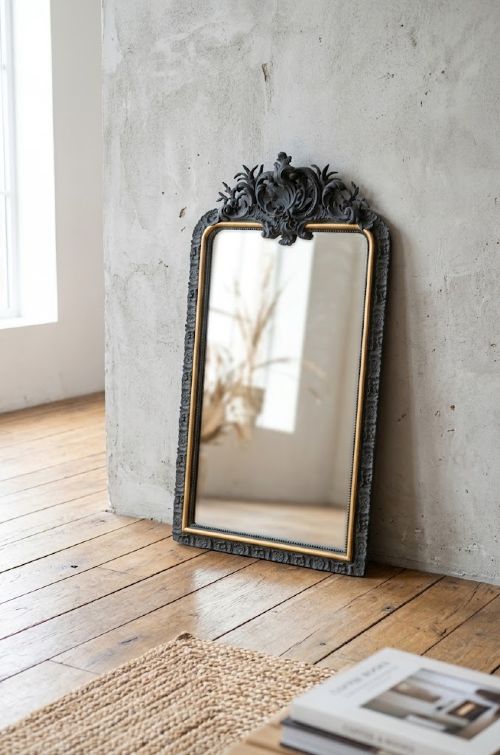
A vintage empire mirror brings architectural weight and classical proportion to a room, drawing the eye with bold frames and gilded surfaces.
Vintage Empire Mirror
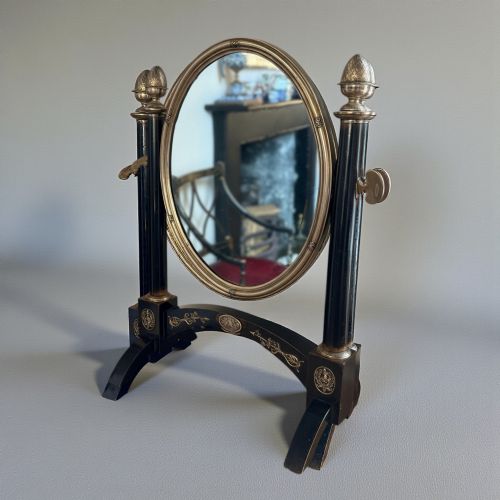
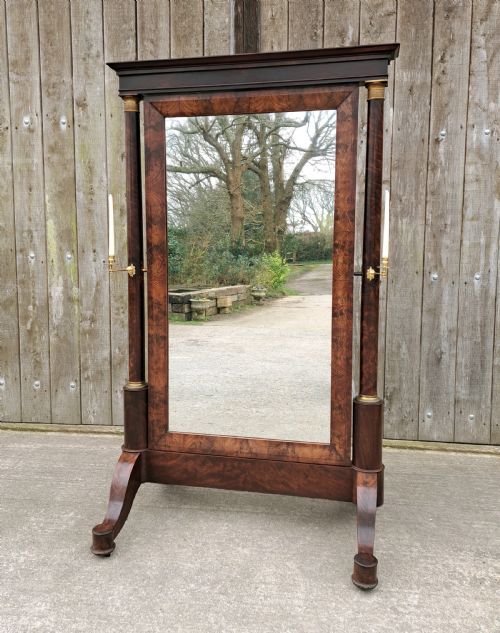
When searching for a vintage empire mirror, buyers encounter a distinct category of classical looking-glasses that draw inspiration from early nineteenth-century design vocabulary. These pieces often surface in various forms, ranging from imposing wall-hung pier mirrors to freestanding cheval glasses and smaller dressing table mirrors.
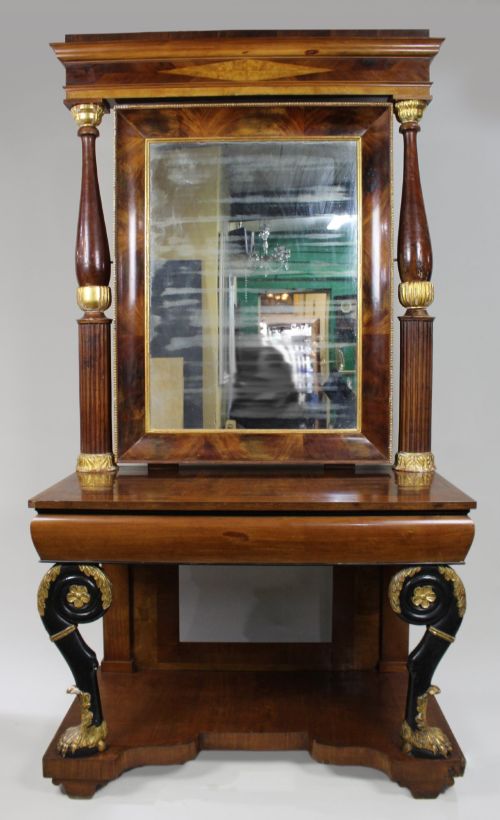
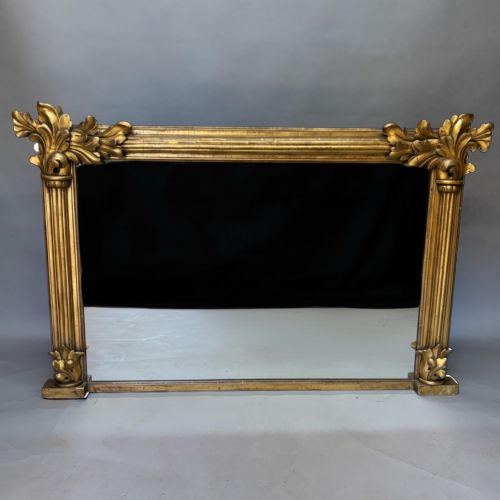
The selection reflects diverse regional interpretations, spanning French Napoleon III examples, Grand Regency adaptations, and American Empire pieces. Alongside traditional wall mirrors, the listings include related forms such as overmantel mirrors, console tables with paired glasses, and occasional wall sconces.
Originating across the nineteenth century and into the early twentieth century, these objects bridge formal neoclassical styling and domestic utility. The most frequent encounters on this page involve nineteenth-century French manufacture, characterised by substantial wooden frames and restrained classical ornamentation.
Distinctions in quality
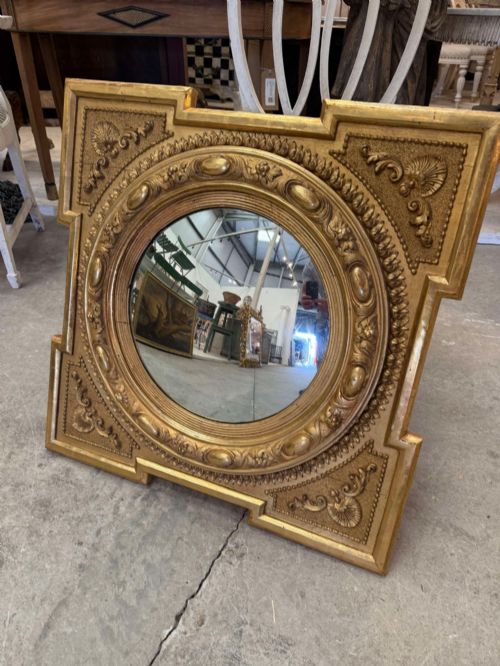
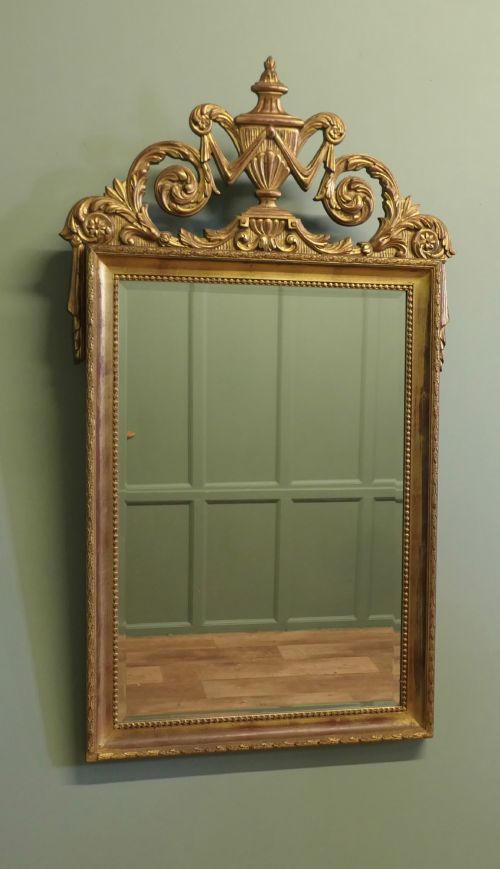
Quality rests in the crispness of the carved gesso and the depth of the original gilding, where hand-applied gold leaf retains a warmer tone than later metallic paints. Superior examples demonstrate precise joinery in the timber frames and retain their original mercury or early silvered glass plates.
The sophistication of the brass mounts and hardware distinguishes finer pieces from simpler domestic alternatives, with cast and chased bronze details indicating higher workshop standards. Original backboards, intact structural pins, and well-preserved secondary timbers further separate masterworks from utilitarian production.
Vintage Empire Mirror Retail Price Guide 2026
Typical asking prices for vintage empire mirror among the pieces listed under this phrase on Sellingantiques today, from the lower quarter to the upper quarter. They describe what is for sale here now, not the wider market.
Several mirrors include brass candle holders designed to multiply the flickering light of nineteenth-century evenings.
The Vintage Empire Mirror Glossary
- Pier mirror
- A tall, narrow looking-glass designed to hang on the wall space between two windows. These pieces often paired with matching console tables beneath.
- Cheval mirror
- A freestanding full-length mirror suspended on a pivoting frame between four supporting legs. The mechanism allows the glass to tilt to various angles.
- Gesso
- A plaster-like mixture applied to wooden frames as a base for gilding or painting. Intricate ornamental details were often moulded directly in this material.
- Ormolu
- Gilded bronze mounts applied to furniture and mirror frames for decorative contrast. The technique involves mercury amalgamation to bond gold to a bronze base.
- Overmantel mirror
- A wide looking-glass specifically proportioned to hang above a fireplace mantelpiece. These pieces often feature horizontal formats to reflect the room.
- Girandole
- A decorative wall mirror featuring attached candle branches or sconces. The polished glass and gilt surfaces served to multiply the candlelight.
Vintage Empire Mirror: Frequently Asked Questions
How do I place an empire mirror?
These mirrors command attention, so they work best on a principal wall where their architectural lines can anchor the room. Hang them opposite a window to draw natural light deeper into the space.
Freestanding cheval mirrors suit bedrooms or dressing areas, while console-mounted pier mirrors look correct in hallways or formal reception rooms.
Are these mirrors original to the nineteenth century?
The selection spans authentic nineteenth-century production alongside later revival pieces from the early twentieth century. Makers in the nineteenth century utilised traditional joinery and materials like flame mahogany and hand-applied gold leaf.
Examining the construction of the timber backboards and the silvering on the glass helps determine the exact period of manufacture.
How should I clean the antique glass?
Use a soft, dry microfibre cloth to remove dust from the glass and the surrounding frame without applying pressure. Avoid standard chemical glass cleaners, which can seep behind the edges and damage the silvering or the wooden backing.
If moisture is necessary, use a slightly damp cloth followed immediately by a dry one, taking care to keep liquids away from gilt surfaces.
What defines the empire style?
The empire style draws heavily from classical Roman, Greek, and Egyptian motifs, favouring symmetry, bold geometric forms, and restrained ornamentation. It projects a sense of monumental dignity through dark timbers and contrasting gilt details.
Mirrors from this tradition typically feature architectural cornices, column pilasters, and classical symbols such as wreaths or sphinxes.