



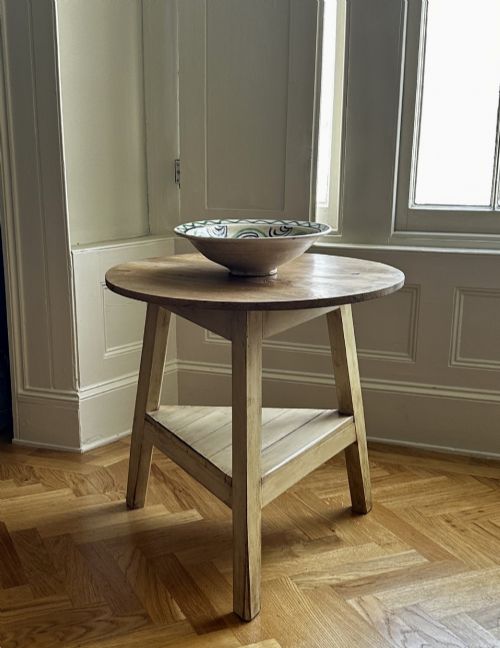

Vintage Elm Table
A vintage elm table brings a robust, tactile presence to a room, valued for its striking grain and honest domestic utility.
Vintage Elm Table
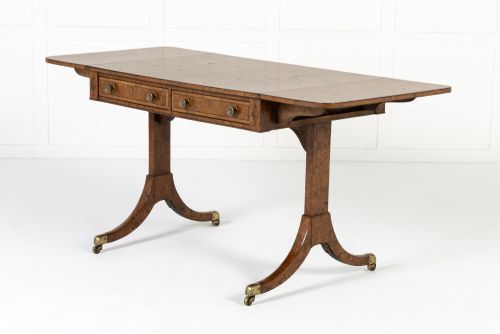
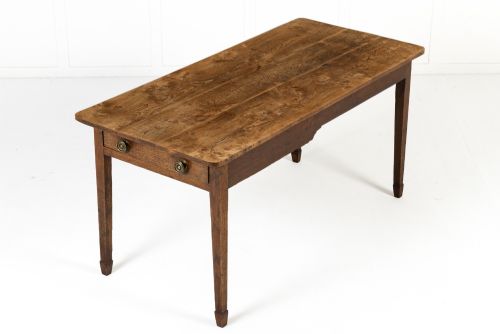
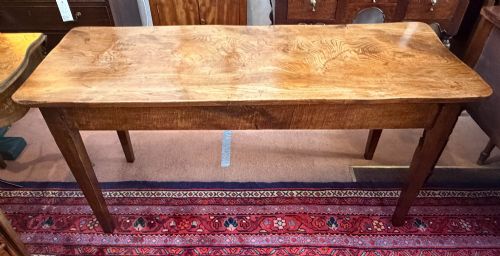
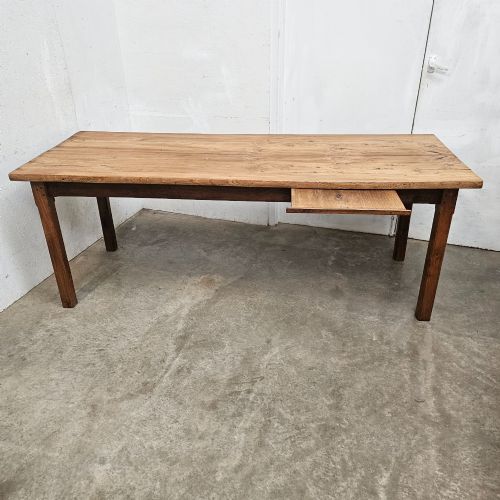
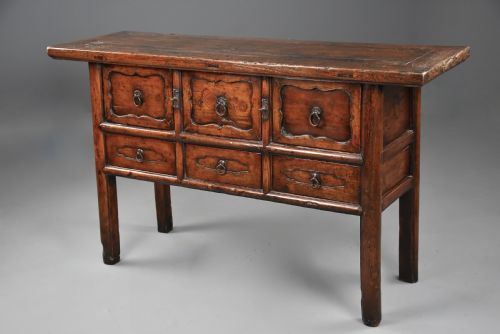
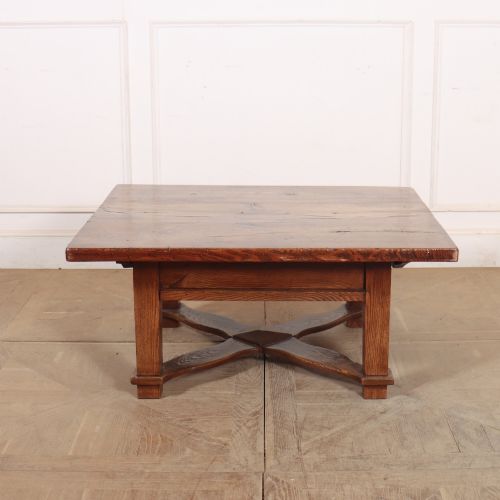
When you search for a vintage elm table, you encounter a diverse selection of utilitarian forms spanning centuries and continents. The inventory ranges from substantial nineteenth-century French farmhouse tables and English refectory designs to eighteenth-century examples and compact Chinese altar or coffee tables.
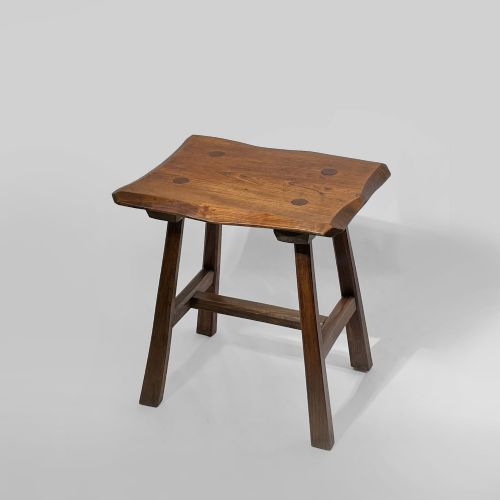
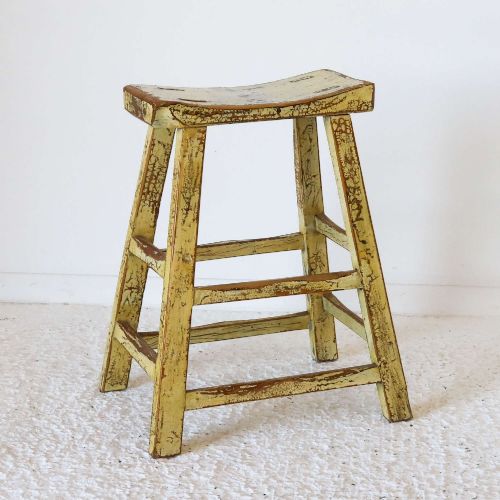
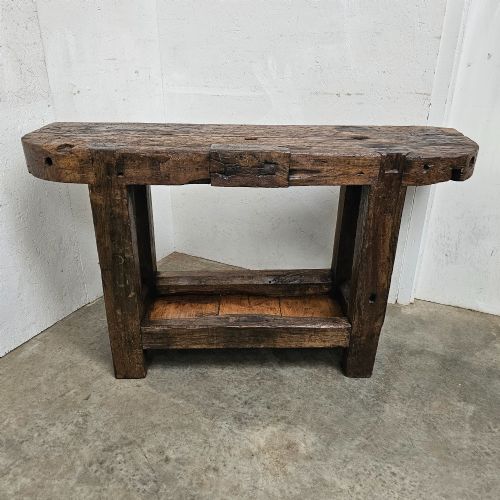
You are most likely to meet nineteenth-century provincial tables featuring plank tops, alongside simpler workbenches, occasional tables, and low seating pieces. These items bridge formal dining furniture and rustic workspace objects, reflecting practical historic domestic needs.
The global origins represented in these listings span English, French, Scandinavian, Austrian, and Chinese workshops. Each regional tradition applies elm to distinct forms, from European trestle and drop-leaf formats to Asian altar and low tables.
How they were made
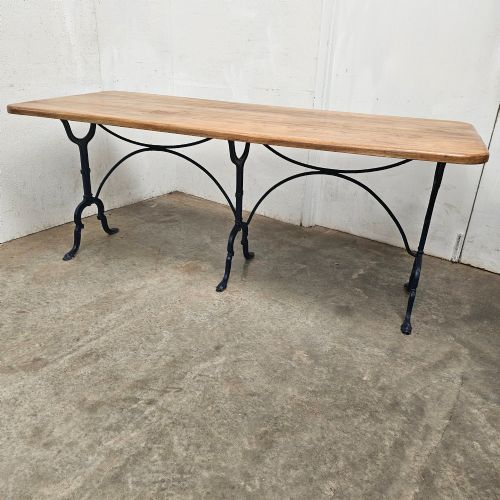
Makers utilised solid elm for its tough, interlocking grain, often pairing it with supplementary timbers such as oak, sycamore, walnut, or birch. Iron hardware, brass fittings, and occasional lacquered finishes appear on specific regional pieces like bistro tables and Chinese stools.
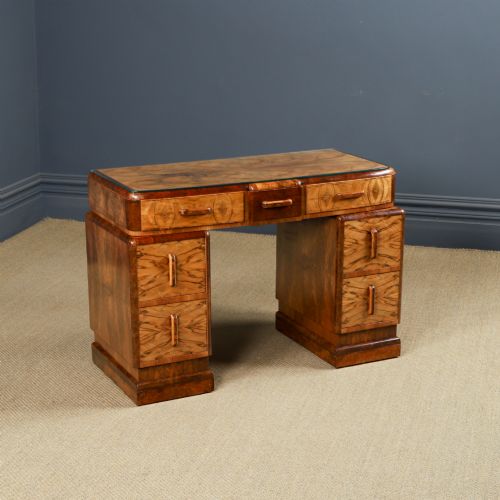
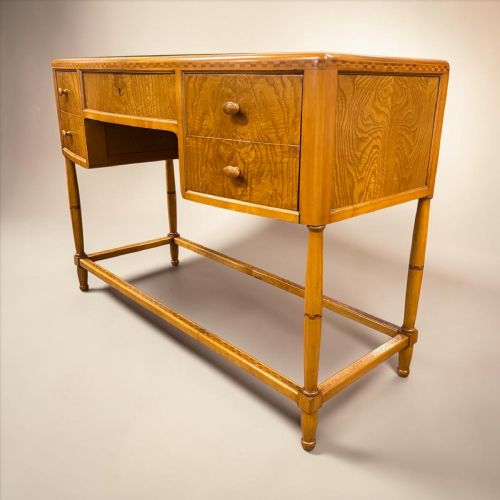
Construction techniques focus on durability, evident in multi-board plank tops, pegged joints, turned legs, and trestle supports. Carpenters also exploited burr elm growths for decorative surfaces on desks and occasional tables, highlighting natural figuring within functional designs.
Vintage Elm Table Retail Price Guide 2026
Typical asking prices for vintage elm table among the pieces listed under this phrase on Sellingantiques today, from the lower quarter to the upper quarter. They describe what is for sale here now, not the wider market.
Listings feature items from the eighteenth, nineteenth, and twentieth centuries, encompassing Victorian, Edwardian, and Art Deco design movements.
What varies in quality
The distinction between standard utility items and superior examples lies in the character of the timber and the integrity of the original construction. Tables featuring exceptional burr grain patterns or finely patinated surfaces command greater attention from collectors.
Proportion and structural retention also differentiate the range, as pieces retaining their original scrubbed finishes, iron hasps, or uncompromised joinery demonstrate higher integrity than heavily altered examples.
Liberty And Co·Heals Of London
The Vintage Elm Table Glossary
- Burr elm
- A growth deformity in the elm tree that produces highly figured, swirling wood grain patterns. It is frequently utilised on veneer surfaces for decorative occasional tables and desks.
- Refectory table
- A long dining table historically used in communal dining halls and constructed with heavy timber legs connected by a central stretcher. Many surviving examples combine elm tops with oak frames.
- Altar table
- A traditional Chinese table form featuring elevated ends or recessed legs, originally designed for ritual display. These pieces are typically constructed from elm and serve as console or display surfaces in modern interiors.
- Trestle table
- A table comprising two or more support frames connected by a horizontal beam that holds a loose or fixed top. This format provides stability without obstructing legroom.
- Patina
- The surface sheen and colour acquired by wood through age, handling, and regular polishing. A fine patina indicates decades of use and minimal harsh restoration.
Vintage Elm Table: Frequently Asked Questions
What is a vintage elm table used for?
These tables function as daily dining surfaces, kitchen work areas, console displays, and low coffee tables. Their sturdy construction suits active domestic spaces.
Historically, many served specialised roles in European farmhouses and Asian households before transitioning into decorative living room furniture.
How do I identify a nineteenth-century elm table?
Examination of the timber fixings, tool marks on the underside, and natural wear patterns helps determine age. Nineteenth-century examples often display hand-sawn board dimensions and traditional pegged joinery.
Regional styles, such as French provincial or Chinese altar formats, also provide clues to the period and geographic origin.
Is elm durable for everyday dining?
Elm is known for its interlocking grain structure, which makes it exceptionally tough and resistant to splitting under heavy impact. This durability explains its historic use in chopping blocks and hardworking farmhouse furniture.
Routine care involves simple cleaning and avoiding excessive moisture to preserve the historic wood surface.
What styles are available in these listings?
The available inventory includes rustic farmhouse, French provincial, Arts and Crafts, Art Deco, and Qing dynasty styles. These span European and Asian design traditions.
Such stylistic diversity allows you to select pieces ranging from unadorned rustic benches to polished Art Deco occasional tables.