




Vintage Elm Drawers
Vintage elm drawers offer striking grain patterns and robust construction, bringing warmth and character to traditional and modern interiors alike.
Vintage Elm Drawers
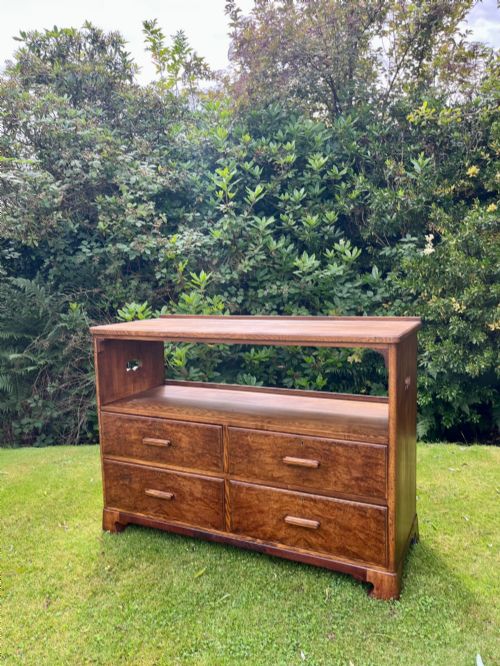
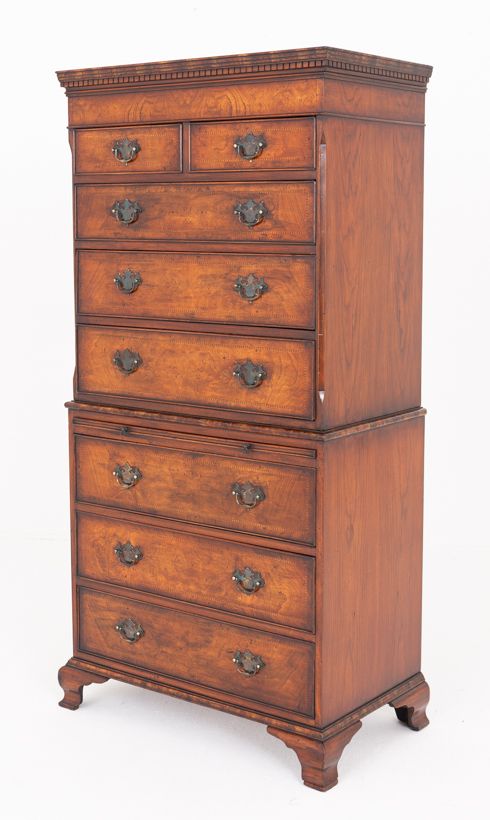
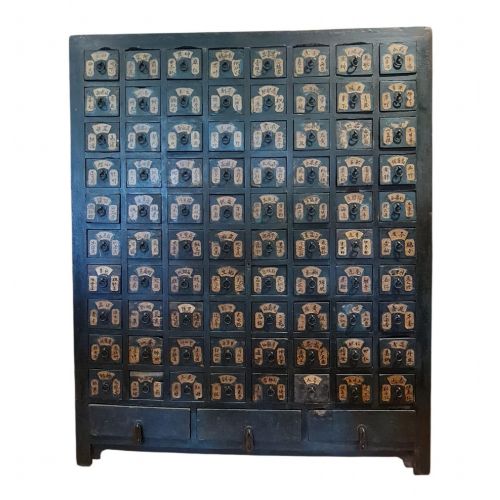
Vintage elm drawers encompass a diverse range of forms, from compact apothecary cabinets and table top chests to large storage units originating from European and Asian workshops. When exploring vintage elm drawers, buyers frequently encounter pieces created across the nineteenth and early twentieth centuries, reflecting various regional cabinet-making traditions.
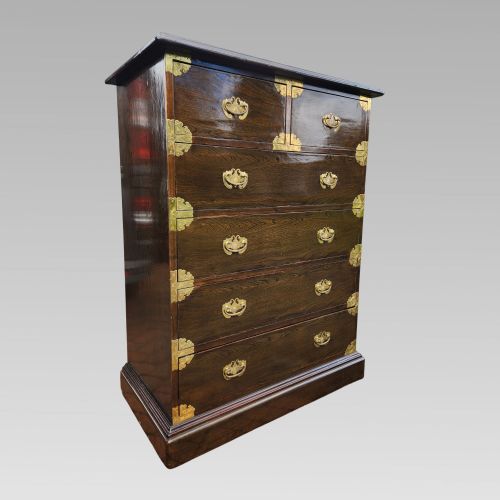
The selection includes British country furniture alongside pieces from Chinese provinces, Korea, and Japan, showcasing how different cultures utilised the tough, fibrous qualities of the timber. Forms vary from simple rustic chests to elaborate cabinets with numerous small drawers designed for specific storage purposes.
What varies in quality
Quality in these pieces rests primarily on the choice of timber figure, particularly the richness of burr elm or figured veneers, alongside the crispness of the original hardware. Superior examples display careful selection of boards to showcase natural grain movement and balanced proportions.
The integrity of the construction, the retention of original brass elements, and the subtlety of surface finishes distinguish finer workshop output from more utilitarian regional items.
Vintage Elm Drawers Retail Price Guide 2026
Typical asking prices for vintage elm drawers among the pieces listed under this phrase on Sellingantiques today, from the lower quarter to the upper quarter. They describe what is for sale here now, not the wider market.
Listings span the eighteenth, nineteenth, and twentieth centuries, incorporating British country pieces alongside Asian tansu and apothecary cabinets.
Whytock and Reid
The Vintage Elm Drawers Glossary
- Elm
- A hard, durable timber known for a distinct interlocking grain pattern that resists splitting. It has been favoured for centuries in regional furniture making.
- Tansu
- A traditional Japanese mobile storage chest built with exposed frame construction and iron hardware. These pieces often incorporate multiple small compartments and drawers.
- Apothecary Chest
- A multi-drawer cabinet originally designed to store medicinal herbs, powders, and remedies. They are distinguished by numerous small, uniform drawers, often labelled.
- Bandaji
- A traditional Korean storage chest featuring prominent brass or iron strapwork and hinges. The term translates as striking chest due to the manner of closing the heavy front hardware.
Vintage Elm Drawers: Frequently Asked Questions
How do I care for vintage elm furniture?
Keep elm furniture away from direct heat sources and sudden humidity changes to prevent the timber from drying out or splitting.
Apply natural beeswax periodically to nourish the wood and maintain a soft, protective sheen without building up heavy chemical residues.
Are these drawers suitable for daily use?
The robust nature of elm makes these chests and cabinets exceptionally well suited for practical, everyday storage in modern homes.
Traditional drawer construction handles regular opening and closing reliably, provided the runners remain clean and free from excess moisture.
How do I distinguish regional styles?
European pieces often feature classical proportions and subtle mouldings, whereas Asian tansu and apothecary chests display exposed joinery and characteristic metal strapwork.
Examining the underlying construction methods and secondary timbers helps clarify the specific geographical workshop tradition behind each piece.
What causes burr figure in wood?
Burr growth occurs as a reaction to stress or viral infection in the tree, causing dormant buds to multiply and create swirling grain patterns.
Cabinet-makers slice these sections into thin veneers to display the dramatic natural patterns across larger drawer fronts and table surfaces.