





Vintage Elm Chest
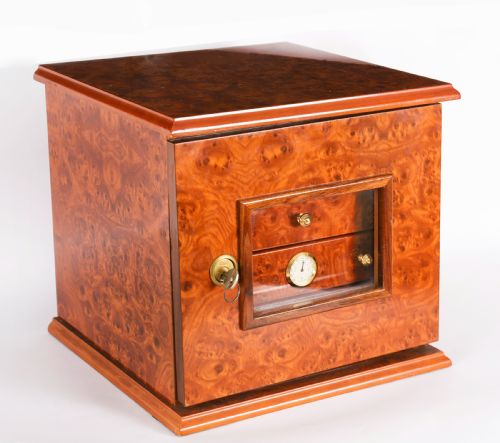
A vintage elm chest brings exceptional grain and character to an interior, offering robust storage shaped by centuries of diverse cabinet-making traditions.
Vintage Elm Chest
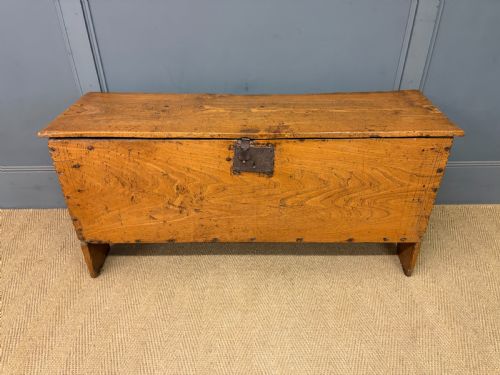
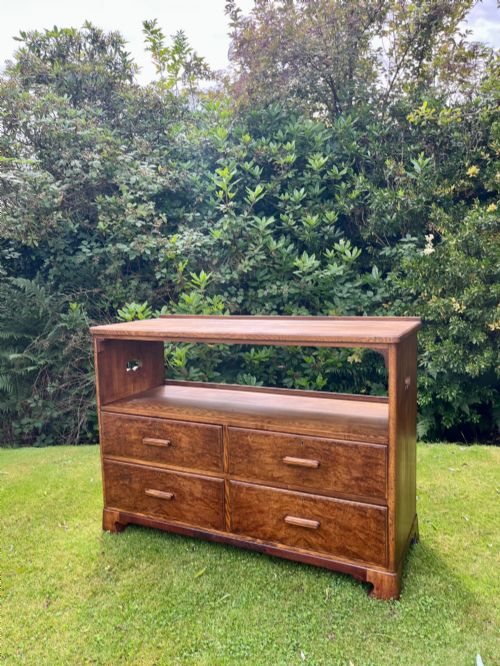
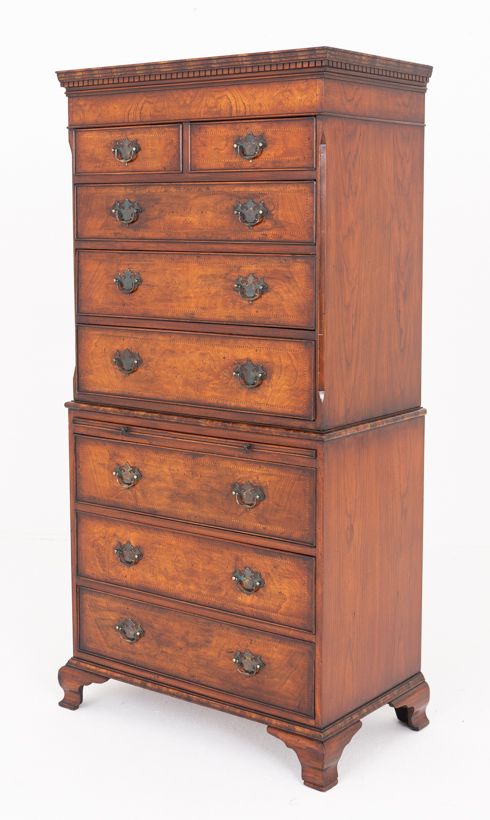
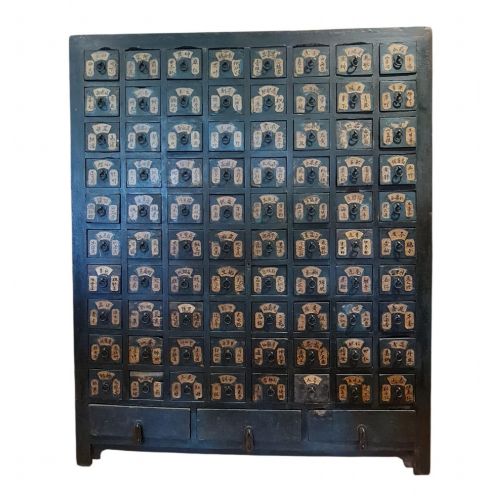
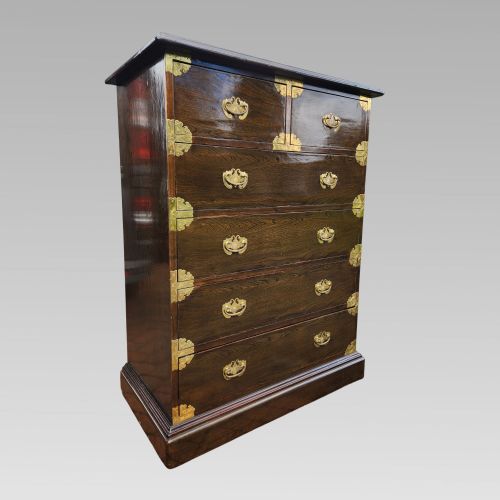
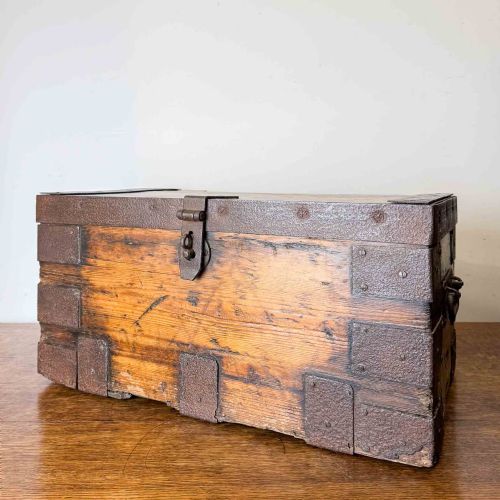
When you search for a vintage elm chest, you encounter a remarkable diversity of forms ranging from English country coffers to eighteenth-century chests of drawers and Asian medicine cabinets. The pieces seen here span the eighteenth, nineteenth, and twentieth centuries, encompassing Georgian vernacular designs, Arts and Crafts examples, and traditional furniture from China, Japan, and Korea.
Materials and Construction
The construction relies heavily on the dense and heavily figured properties of elm, frequently enhanced by burr figuring or contrasting panels of walnut and pine. Cabinet makers exploited the toughness of the wood for heavy-duty storage, utilising exposed dovetails, tongue-and-groove joints, and solid planking.
Metal hardware plays an integral structural and decorative role across these pieces. Blacksmith-forged iron bands, hinges, hasps, and carrying hoops appear alongside polished brass mounts, drop handles, and escutcheons to secure and reinforce the timber.
Vintage Elm Chest Retail Price Guide 2026
Typical asking prices for vintage elm chest among the pieces listed under this phrase on Sellingantiques today, from the lower quarter to the upper quarter. They describe what is for sale here now, not the wider market.
Listings feature elm combined with iron, brass, and glass across periods from the eighteenth century through the 1940s.
Assessing Quality and Execution
Quality reveals itself primarily in the selection of the timber and the handling of its grain. Highly figured burr elm veneers and carefully matched solid boards distinguish finer cabinet work from utilitarian regional pieces.
The integrity of the original hardware and joinery further separates examples. Hand-forged iron strapping, working locks with period keys, and cleanly cut dovetailing indicate superior craftsmanship whether the origin is English vernacular or East Asian export.
Whytock and Reid
The Vintage Elm Chest Glossary
- Elm
- A tough, durable hardwood characterised by an interlocked grain pattern that resists splitting. It has historically been favoured for furniture subjected to heavy domestic or trade use.
- Coffer
- A large wooden chest traditionally used for storing valuables, linens, or documents. Early examples often feature heavy plank construction and iron reinforcement.
- Dough Bin
- A specialised utilitarian box with a lid, historically used for resting and rising bread dough. In regional furniture, these often double as compact storage chests.
- Tansu
- A traditional Japanese mobile storage chest built in modular sections. These pieces frequently incorporate distinct metal hardware and structural framing.
Vintage Elm Chest: Frequently Asked Questions
What is a vintage elm chest?
A vintage elm chest is a storage piece constructed primarily from elm timber, spanning simple nineteenth-century domestic boxes to sophisticated eighteenth-century drawer units and international cabinets.
These items range from utilitarian dough bins and strongboxes to refined Georgian secataire chests and highly decorative East Asian apothecary cabinets.
How do I identify the age of an elm chest?
Dating relies on examining construction methods, hardware styles, and timber preparation. Hand-cut dovetails, forged iron straps, and Georgian proportions point to earlier centuries.
Later twentieth-century examples often display machine-assisted joinery, simpler internal fittings, and twentieth-century finishing techniques.
Where were these chests made?
The pieces originate from diverse geographic workshops, combining British country workshops with international cabinet-making centres. You will find domestic English vernacular pieces alongside pieces from China, Japan, and Korea.
Each region utilises distinct joinery traditions and hardware appointments characteristic of its local craft history.
How do I care for a vintage elm surface?
Elm furniture responds best to stable indoor humidity and protection from direct sunlight, which can dry out the timber and veneer. Regular dusting with a dry cloth maintains the finish.
Occasional application of appropriate natural wax preserves the polish and nourishes the grain without building up heavy residues.