


Vintage Electric Wall Sconces
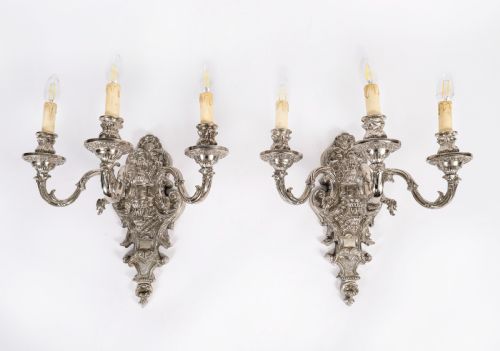
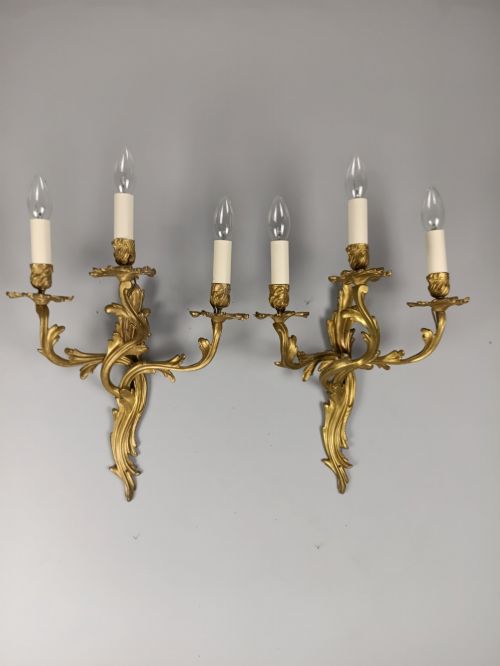
These vintage electric wall sconces bring focused illumination and period character to a room, spanning styles from French Rococo to Mid-Century Modern.
Vintage Electric Wall Sconces
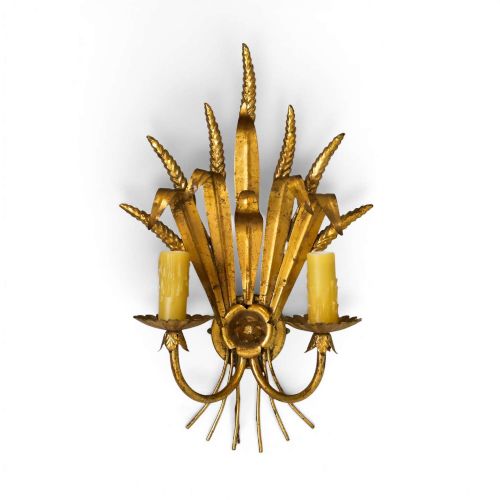
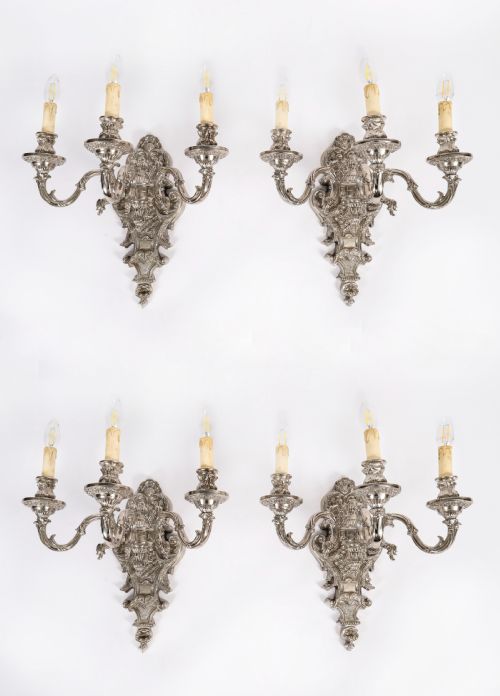
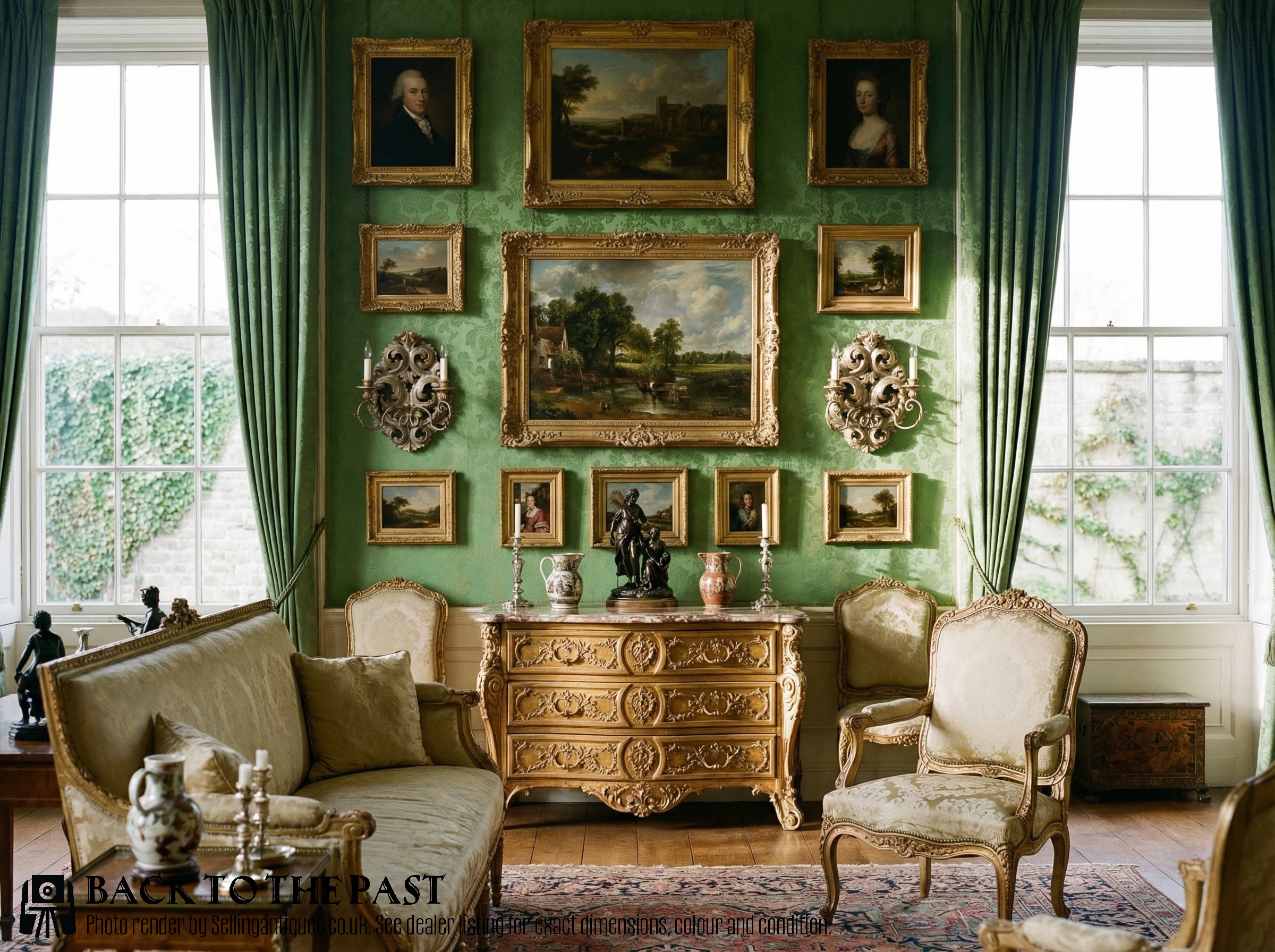
Vintage electric wall sconces encompass wired lighting fixtures mounted directly to vertical surfaces, originating from periods such as the nineteenth century, Edwardian era, and mid-century. When searching for vintage electric wall sconces, buyers encounter pairs and sets featuring single, twin, triple, or four-arm configurations designed to hold electrical fittings.
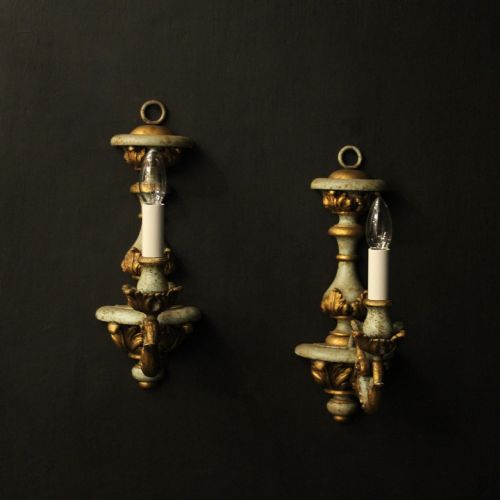
The selections span distinct regional aesthetics, including Florentine and French Rococo Revival styles alongside English traditional designs and Italian Neoclassical forms. Many pieces began life as oil lamps or candle brackets before conversion to electricity, retaining their original wall-mounted architecture.
How they were made
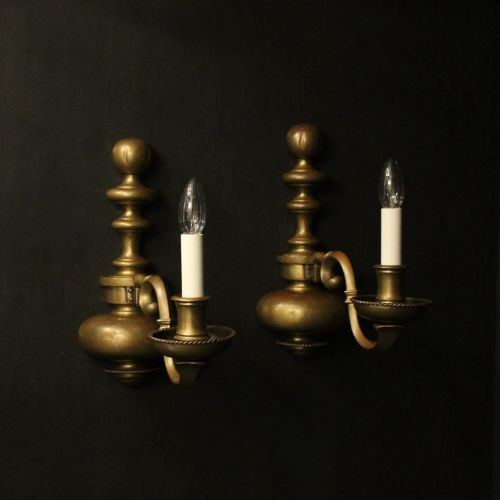
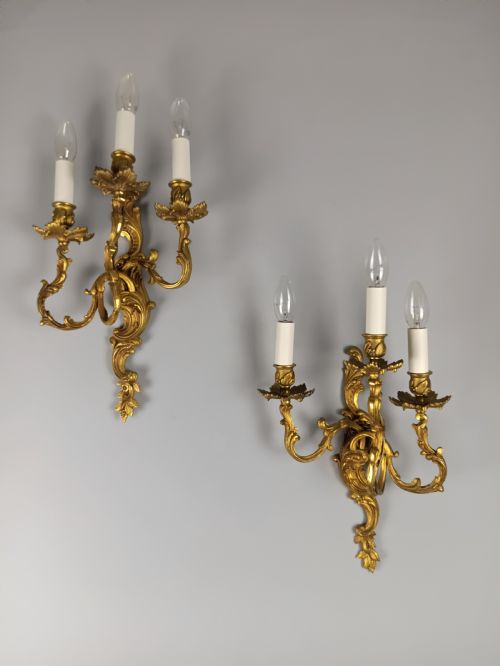
Metal components rely on traditional casting techniques using brass, bronze, or ormolu, often enhanced with silver plating, silver leaf, or gilt finishes. Metal workers shaped armatures into flowing scrolls and leaf motifs, particularly evident in Rococo and Neoclassical revival pieces.
Wooden elements employ hand-carving and gesso application, notably seen in Florentine giltwood frames and wall light brackets from the early twentieth century. Artisans built structural foundations from timber before applying intricate surface gilding and polychrome details.
Conversion work involved adapting original oil lamp reservoirs and candle sconces to house electrical wiring and lamp holders. This process preserved the antique metalwork and wooden structures while updating the functionality for modern interiors.
Vintage Electric Wall Sconces Retail Price Guide 2026
Typical asking prices for vintage electric wall sconces among the pieces listed under this phrase on Sellingantiques today, from the lower quarter to the upper quarter. They describe what is for sale here now, not the wider market.
Single, twin, triple, and four-arm configurations appear frequently, reflecting diverse regional lighting requirements from Italy, France, and England.
What varies in quality
The refinement of the casting and carving defines the upper tier of these wall lights, distinguishing sharp, deep relief work on bronze and ormolu from softer, shallower production. Hand-chased details on metal surfaces and meticulous layering on giltwood elements separate exceptional artisan output from standard commercial manufacture.
Proportion and symmetry within matched pairs dictate desirability, as balanced armatures and harmonious branch spreads reflect superior design planning. The integrity of the original surface patination, whether aged bronze or worn silver leaf, contributes significantly to the visual weight of the fixture.
The Vintage Electric Wall Sconces Glossary
- Ormolu
- A finely ground high-zinc brass alloy finished to resemble gold, applied to bronze mounts and decorative hardware. It provides a warm, enduring metallic lustre on nineteenth-century French light fittings.
- Giltwood
- Timber carved and coated with a thin layer of gold leaf or gesso, commonly found on Florentine wall sconces. This technique creates a radiant surface that catches ambient light.
- Applique
- A wall-mounted light fitting or sconce designed to hold candles or electrical lamps. The term frequently appears in descriptions of French lighting from the Edwardian period and earlier.
- Neoclassical
- A style drawing inspiration from classical antiquity, characterised by symmetry, straight lines, and urn or floral motifs. It contrasts with the asymmetrical curves of the Rococo movement.
- Polychrome
- The practice of decorating architectural elements or wooden carvings in multiple colours. Italian workshops utilised this method to add depth and naturalistic detail to floral and scroll motifs.
Vintage Electric Wall Sconces: Frequently Asked Questions
How do I install vintage wall sconces?
Most wall-mounted fixtures require direct wiring into standard electrical junction boxes recessed in the wall. Consulting a qualified electrician ensures safe mounting, particularly when dealing with heavier brass, bronze, or carved wooden brackets.
Positioning depends on ceiling height and room proportions, though flanking a mirror or doorway remains a traditional placement. Ensuring the backplate secures firmly to the wall supports the weight of multi-branched arms safely.
Were these fixtures originally electric?
Many early fixtures started life as oil-burning lamps or candle sconces before undergoing later conversion to electricity. This adaptation preserved the decorative metalwork and wooden frames while accommodating modern wiring.
Converted pieces retain their original nineteenth-century or early twentieth-century character while functioning safely with contemporary bulbs. The wiring process typically feeds a cord through the existing central hollow of the mounting bracket or arm.
How do I clean giltwood wall lights?
Dusting gently with a dry, soft brush prevents particle buildup without disturbing fragile gilt surfaces or gesso. Moisture and chemical cleaning agents damage historic gold leaf and carved wooden layers.
Keeping these fixtures away from direct sources of heat and excessive humidity protects the underlying timber and prevents the gilding from flaking over time.
What is the difference between Rococo and Neoclassical sconces?
Rococo sconces feature asymmetrical C-scrolls, elaborate floral motifs, and dynamic organic shapes that create a sense of flowing movement. These designs dominated French and Florentine decorative arts during revival periods.