



Vintage Ebonised Glass
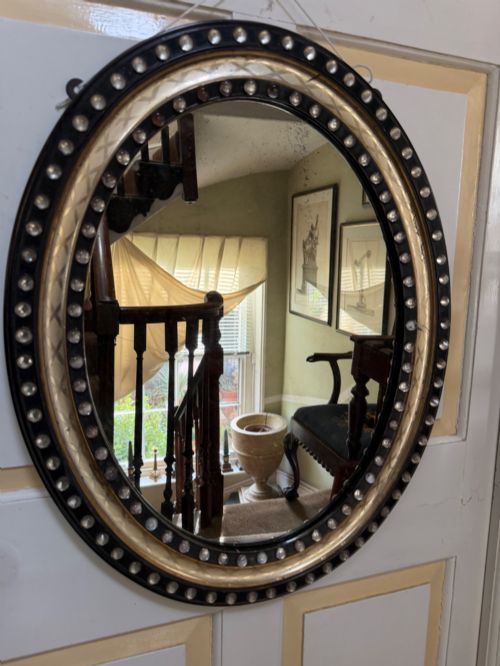
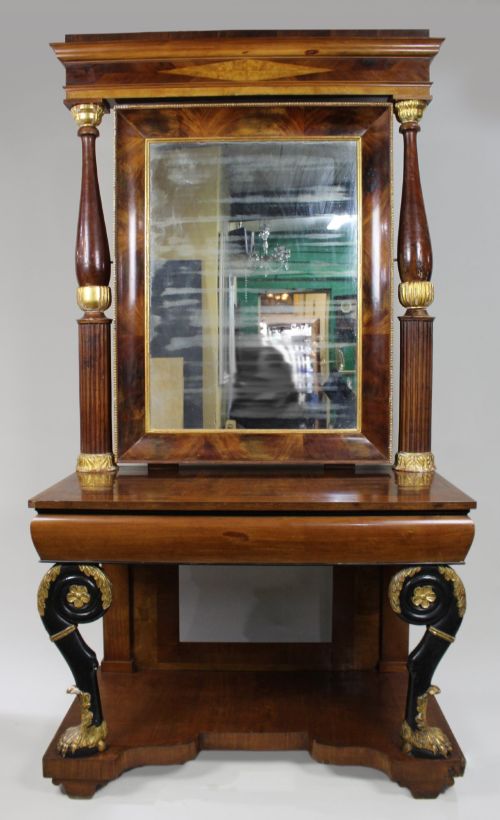
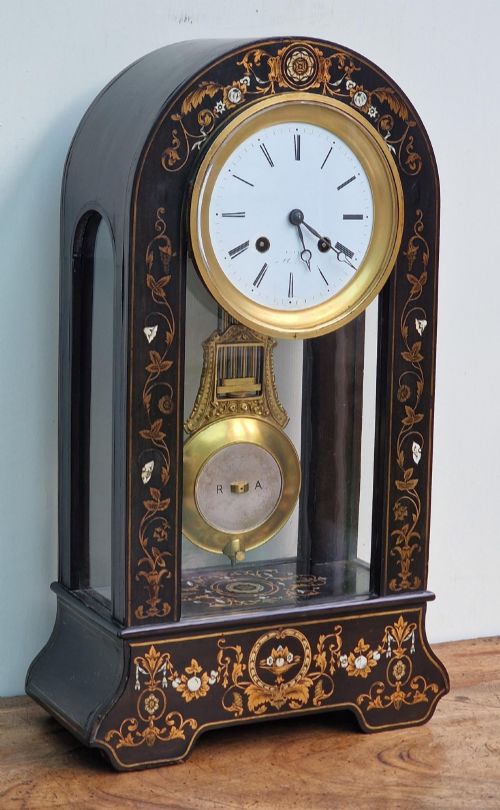
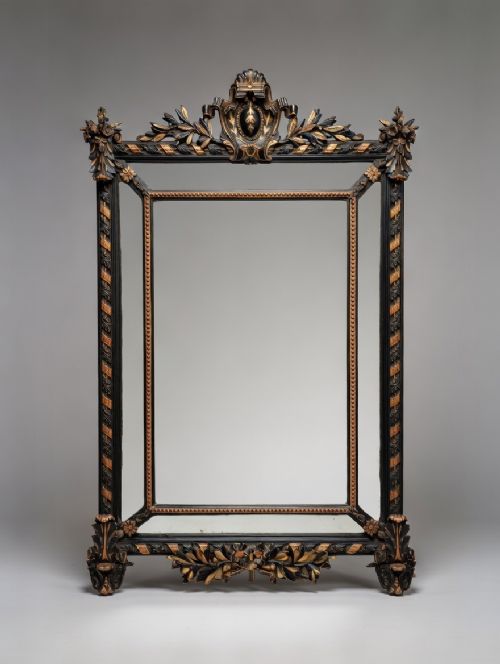
These vintage ebonised glass pieces bring dark timber frames and reflective surfaces together to catch the light in any interior.
Vintage Ebonised Glass
Vintage ebonised glass encompasses a range of decorative objects and furnishings where blackened wood meets reflective, painted or printed glass surfaces. Buyers seeking this phrase encounter items spanning the 19th century through to the 1920s, including wall mirrors, display cabinets, and table top showcases.
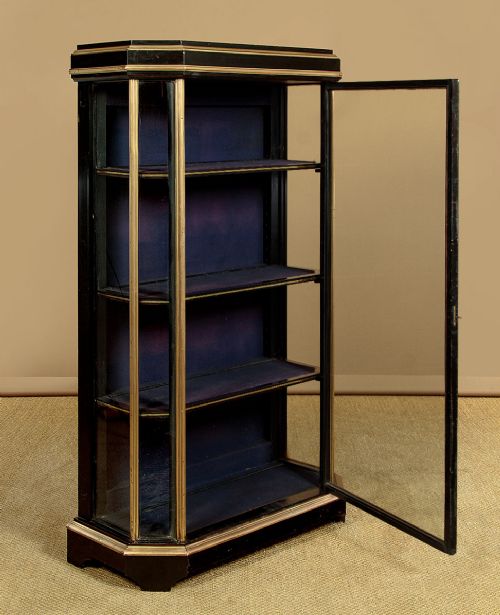
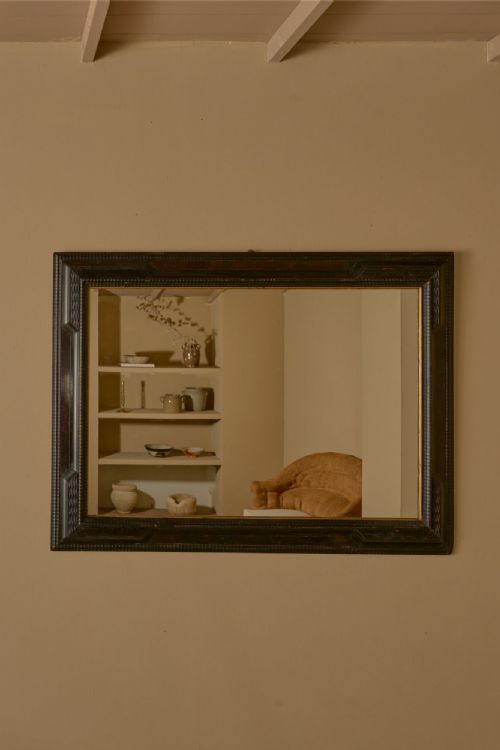
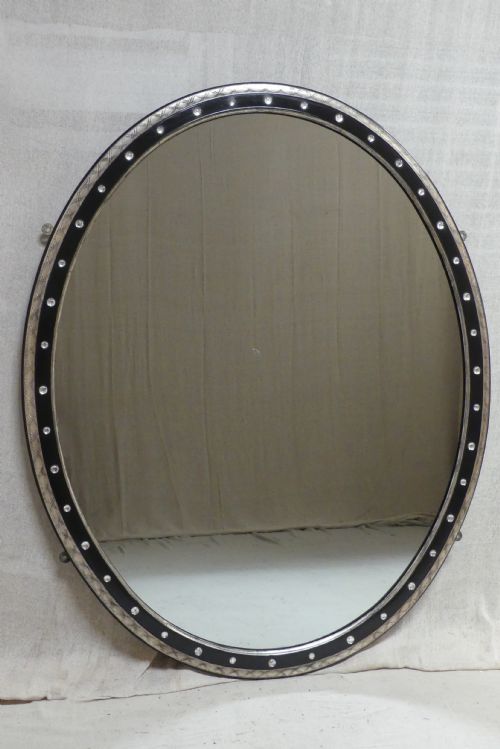
The selections on this page lean heavily towards mirrors with ebonised frames, alongside glass display domes and countertop cabinets framed in dark timber. Pieces originate from periods such as the Victorian era, the Edwardian years, and the 1920s, with domestic and retail origins represented.
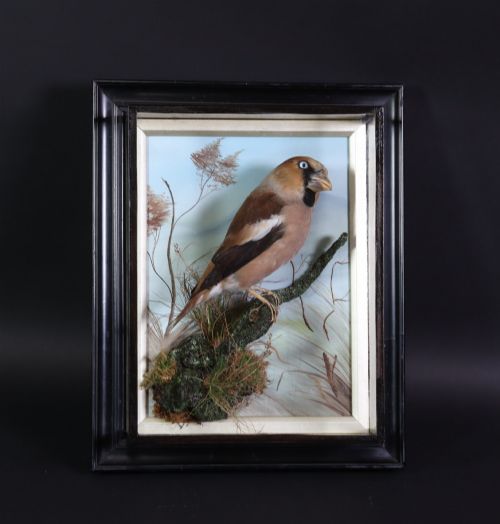
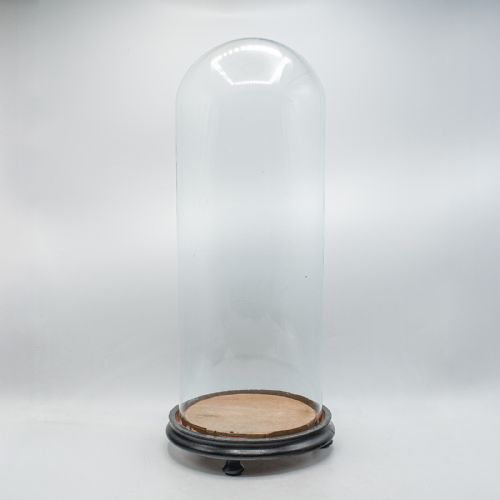
Mirror glass paired with ebonised wood dominates the form, while specialised display items incorporate glass domes over taxidermy or botanicals. These objects serve both practical storage and decorative display functions within domestic spaces.
Materials and methods
Makers utilised timber such as mahogany, birch or general framing wood, treating the surface with an ebonising stain or paint to imitate ebony. This dark finish frequently appears alongside parcel gilt highlights, brass mounts, or applied glass decoration.
Glass components range from mirror plates and acid-etched pub mirrors to heavy blown display domes and reverse glass prints. Cabinet makers and framing specialists joined these glass elements into wood structures using traditional joinery and brass hardware.
Vintage Ebonised Glass Retail Price Guide 2026
Typical asking prices for vintage ebonised glass among the pieces listed under this phrase on Sellingantiques today, from the lower quarter to the upper quarter. They describe what is for sale here now, not the wider market.
Among the glass wares sit taxidermy specimens including stuffed birds, a golden carp, and a display of fruits.
Assessing quality
The standard of a piece rests in the crispness of the ebonised finish, the depth of the parcel gilt or brass detailing, and the clarity of the original mirror plate or glass dome. Finer examples display meticulous carving on the wood frames and well-preserved silvering on the glass.
Construction integrity distinguishes workshop-made items from simpler utility pieces, particularly in the joinery of display cabinets and the stability of large framed mirrors. The presence of original backboards, period glass, and maker or retailer details elevates the standing of an item.
Heals of London·James Gardner·J Cooper and Sons
The Vintage Ebonised Glass Glossary
- Ebonised
- Timber treated with a stain, dye, or paint to simulate the appearance of dense black ebony. This finish became popular in furniture and framing during the Victorian period.
- Parcel Gilt
- Wood or metal partially gilded with gold leaf applied to specific carved details or highlights. It frequently contrasts against an ebonised background.
- Convex Mirror
- A circular mirror with a curved spherical glass surface that reflects a wide-angle, panoramic view of the room. These often feature decorative frames with candle sconces or eagle crests.
- Cloche
- A bell-shaped glass cover utilised to protect and display delicate objects such as taxidermy, clocks, or botanical specimens. They rest on circular wooden or ebonised bases.
- Reverse Glass Print
- An image painted or transferred directly onto the back of a glass sheet, viewed through the front. This technique produces a distinct glossy surface finish.
Vintage Ebonised Glass: Frequently Asked Questions
How do I clean an ebonised frame?
Dust the ebonised timber gently with a dry, soft cloth to remove surface particles without disturbing the dark finish.
Avoid liquid cleaners and harsh chemicals, which can strip the black stain or damage any parcel gilt highlights.
Are the glass domes original?
Many display domes and cloches remain with their original blown glass and matching wooden bases from the Victorian and Edwardian eras.
Look for small bubbles and slight irregularities in the glass, which indicate period manufacture rather than modern replacement.
Where were shop display cabinets used?
Countertop and tower display cabinets served merchants and shopkeepers in the late 19th and early 20th centuries to showcase small goods.
Today, these glazed wooden cases function in homes to display collections behind glass panels.
How do I date a Victorian mirror?
Examine the construction of the wooden frame, the type of backboards used, and the composition of the glass plate itself.
Slight imperfections in the mirror silvering and older fixing nails point towards a 19th-century origin.