


Vintage Easel Stand
A vintage easel stand holds pictures, mirrors, and books with steady grace, bringing practical utility and period character to any room.
Vintage Easel Stand
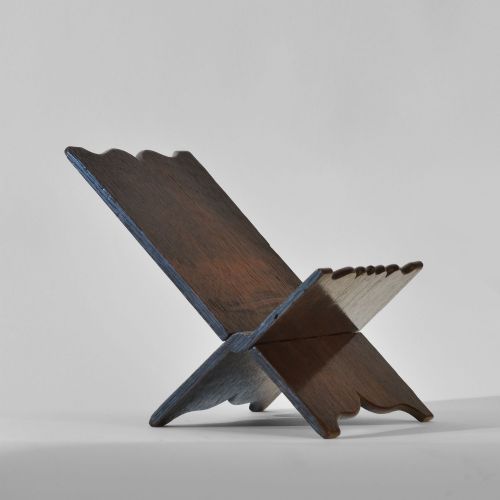
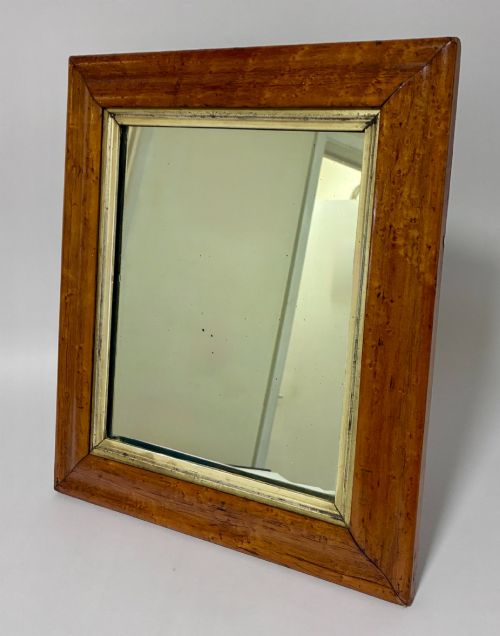
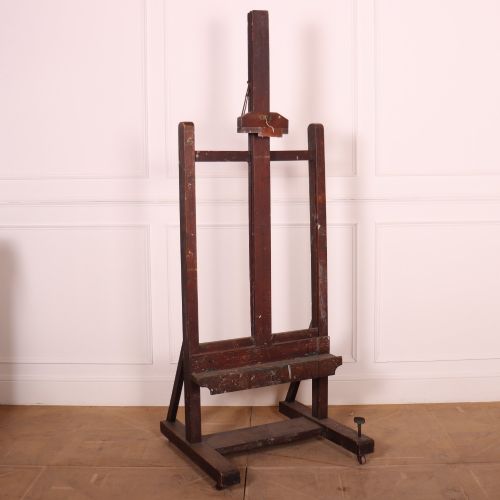
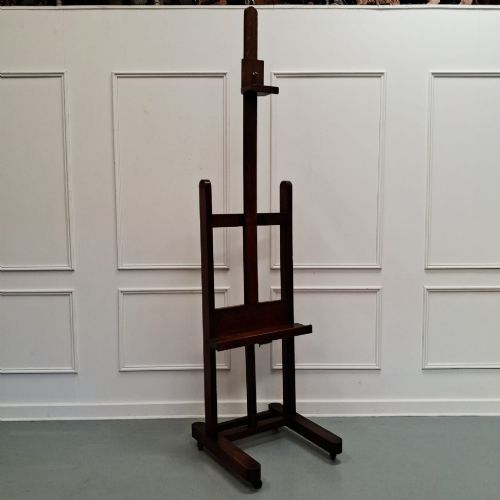
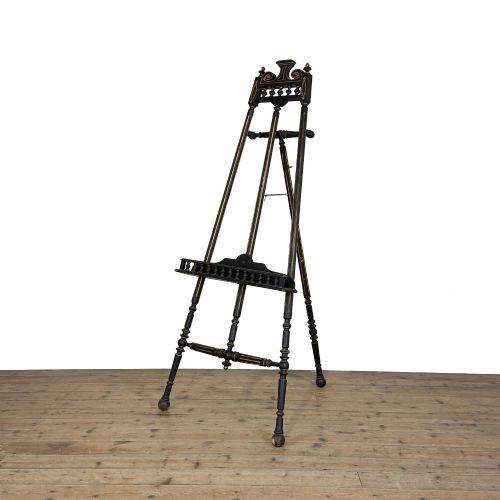
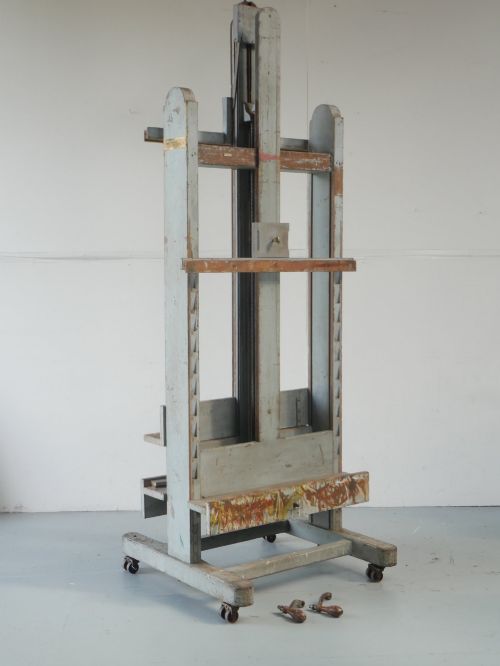
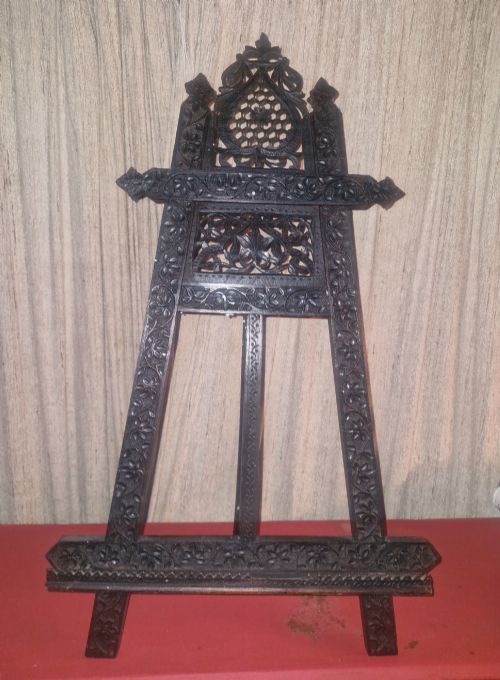
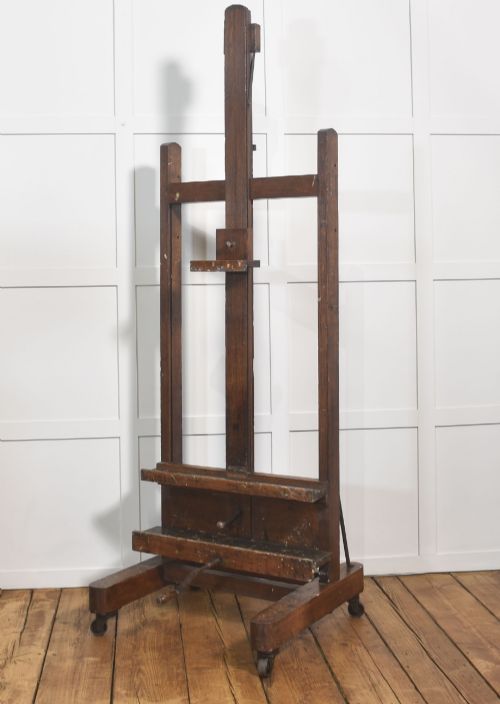
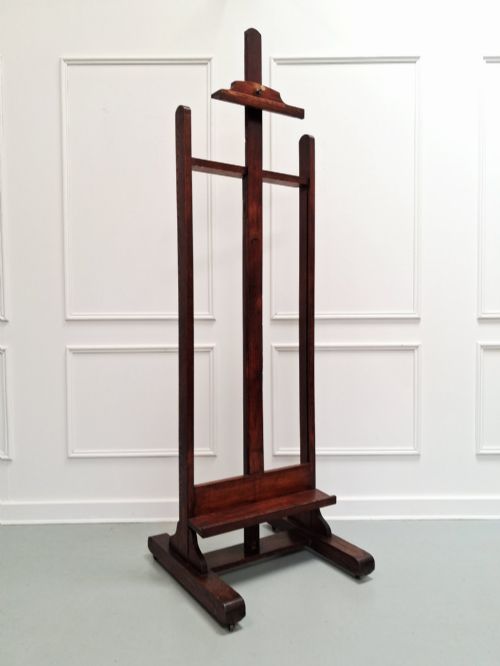
When you search for a vintage easel stand, you encounter pieces designed to display books, mirrors, photographs, and canvases rather than merely sit against a wall. The selections available encompass heavy studio floors models and compact tabletop designs created for domestic and artistic use.
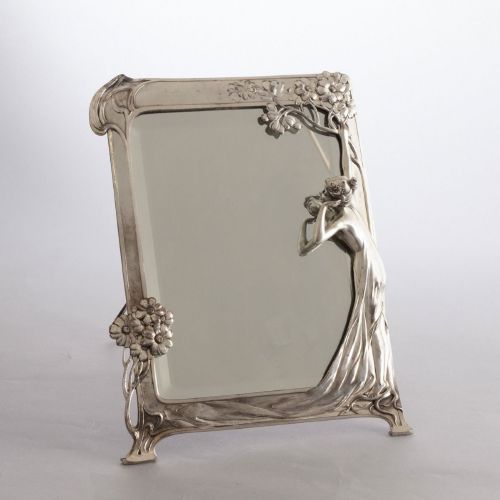
The assortment spans diverse periods, featuring 19th Century and Victorian workshops alongside Edwardian, Art Nouveau, Art Deco, and 1930s examples. Forms range from reading stands and music lecterns to picture displays and vanity mirrors.
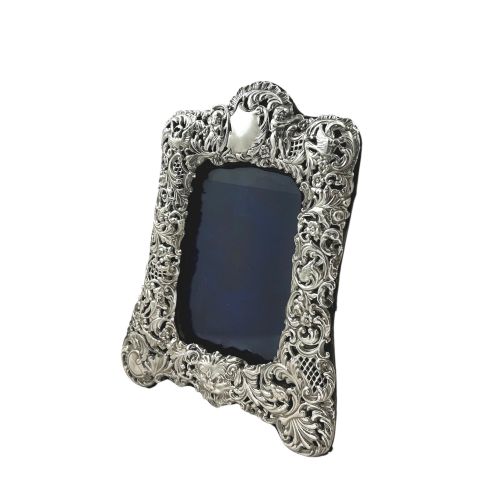
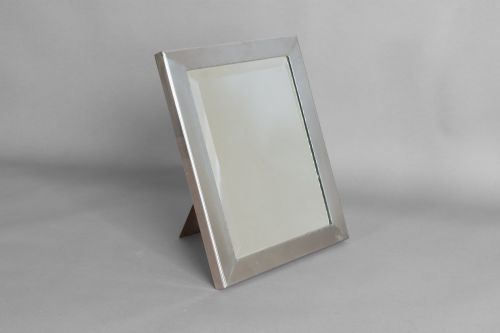
Oak, mahogany, brass, and sterling silver dominate the physical presence of these items. Many incorporate adjustable mechanisms, folding frames, and double-sided viewing panels intended for practical utility.
How they were made
Cabinetmakers and metalworkers utilised solid hardwoods such as oak and mahogany, alongside cast iron, brass, and silver plating. Joinery relied on traditional methods, while metal elements often featured repoussé work, gilding, or champlevé enamel.
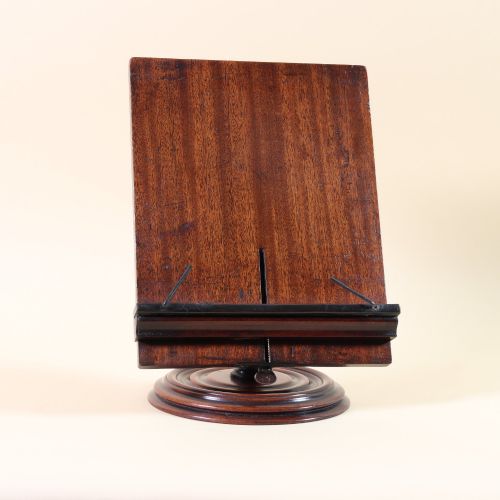
Makers integrated functional mechanics, including screw adjustments and ratchets, allowing reading stands and studio easels to alter height and angle. Surfaces received ebonising, carving, or simple polished finishes to highlight the grain of the wood or the lustre of the metal.
Vintage Easel Stand Retail Price Guide 2026
Typical asking prices for vintage easel stand among the pieces listed under this phrase on Sellingantiques today, from the lower quarter to the upper quarter. They describe what is for sale here now, not the wider market.
What varies in quality
The standard of craftsmanship shows in the integrity of the adjustable mechanisms and the precision of the joinery. Studio models with smooth, working brass screws and solid timber frames demonstrate superior utility compared to stiff or stuck examples.
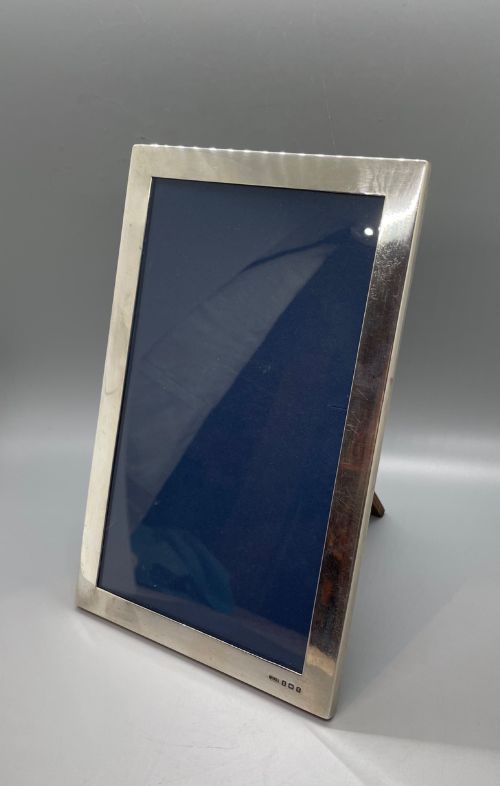
Materials dictate distinction, separating simple pine or plated items from substantial sterling silver photo frames, intricately carved giltwood, and heavy cast iron bases. Maker stamps and hallmarks provide definitive markers of origin and metal purity.
WMF·Carters Of London·Windsor and Newton·Pinci
The Vintage Easel Stand Glossary
- Easel
- A framework used to hold an artist canvas, photograph, or display piece upright. These objects range from heavy floor-standing studio versions to small tabletop variants.
- Repoussé
- A metalworking technique where the artisan hammers the metal from the reverse side to form a raised design on the front. This ornamentation appears frequently on Edwardian dressing table mirrors.
- Champlevé
- An enamel technique where troughs or cells are hollowed out of a metal surface and filled with vitreous enamel before firing. French decorative frames often display this method.
- Lectern
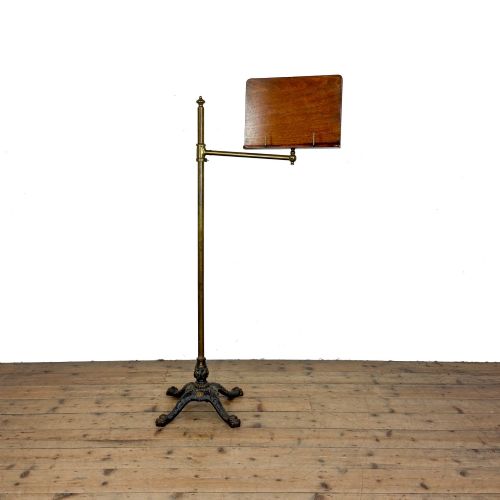
- A slanted reading desk or stand designed to hold books or music scores at a comfortable viewing angle. Examples in the listings include walnut and oak constructions with adjustable heights.
- Strut mirror
- A small looking glass supported by a hinged back leg for tabletop placement. These pieces often feature silver frames with wooden or leather backs.
Vintage Easel Stand: Frequently Asked Questions
How were tabletop reading stands used?
Tabletop reading stands and book rests held heavy volumes, Bibles, or folios open at a readable angle for study or display on desks and tables.
Many incorporated adjustable ratchets underneath to alter the slant, reducing strain for the reader and protecting delicate book bindings.
How do I date a silver photo frame?
Silver photo frames often carry hallmarks stamped directly into the metal border, which identify the assay office, such as Birmingham or Chester, alongside a date letter indicating the exact year of manufacture.
Stylistic cues like Art Nouveau curves, Edwardian plain borders, or Aesthetic Movement motifs further help narrow down the production era.
Can these stands support heavy books?
Robust oak and mahogany book stands and reading rests are engineered with sturdy ledges and solid wood supports designed to hold substantial volumes securely.
Adjustable music stands and lecterns from the 19th century onward similarly rely on heavy timber or cast iron bases to maintain balance under weight.