


Vintage Earthenware
Vintage earthenware gathers centuries of ceramic utilitarian and decorative forms, offering collectors tactile pottery shaped by traditional kilns and glazing techniques.
Vintage Earthenware
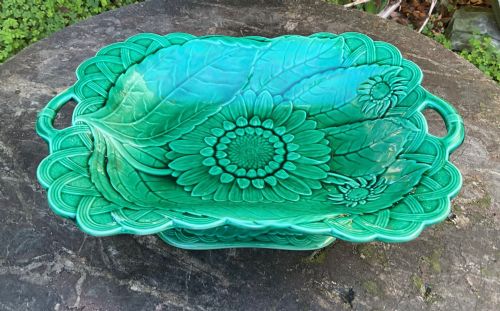
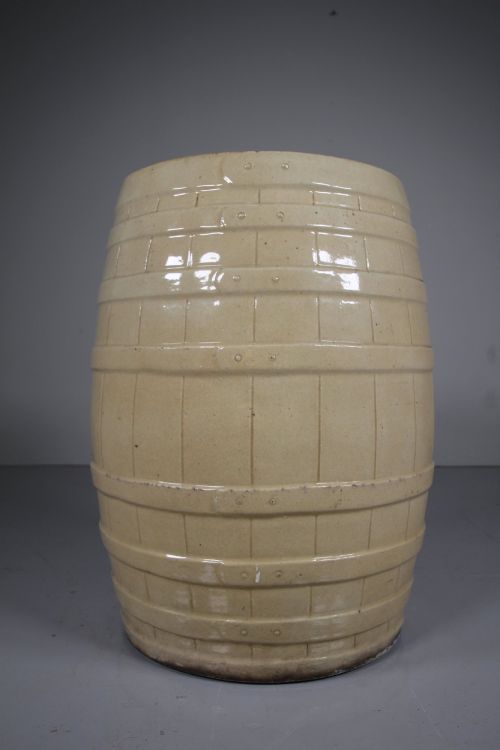
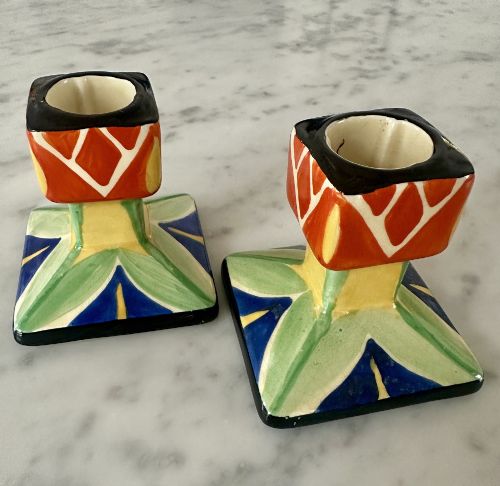
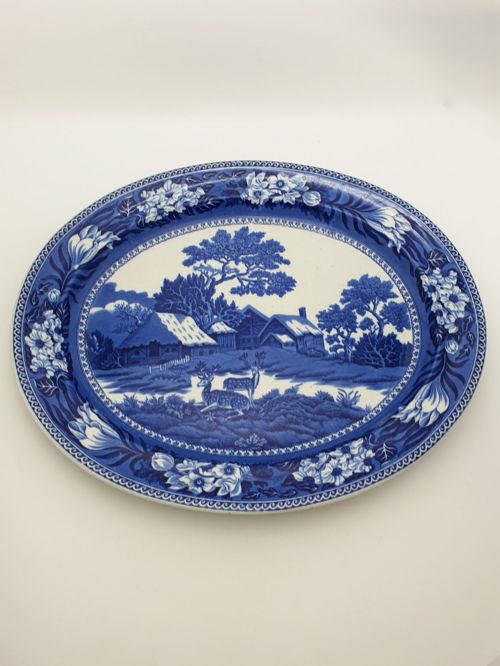
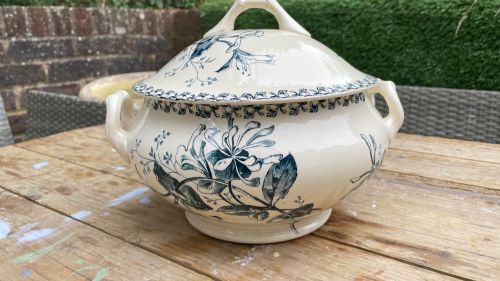
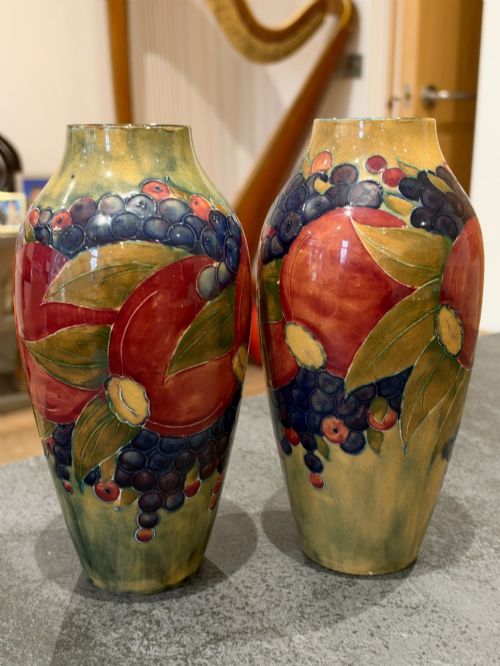
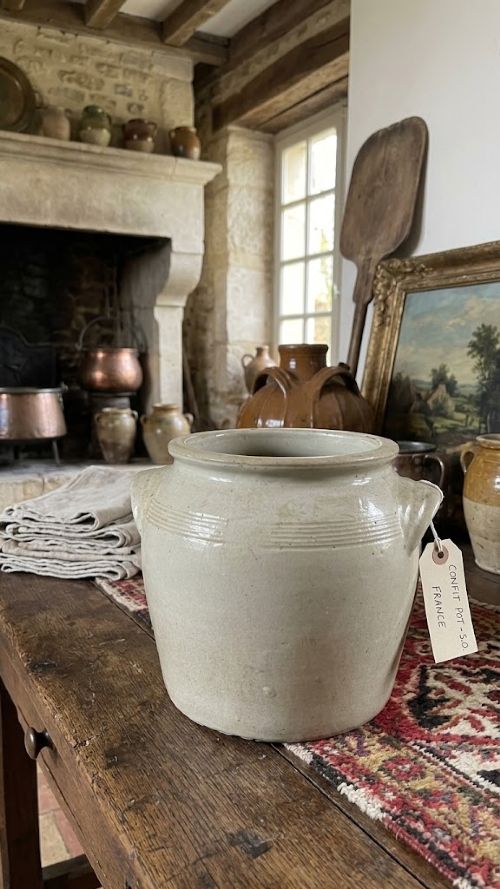
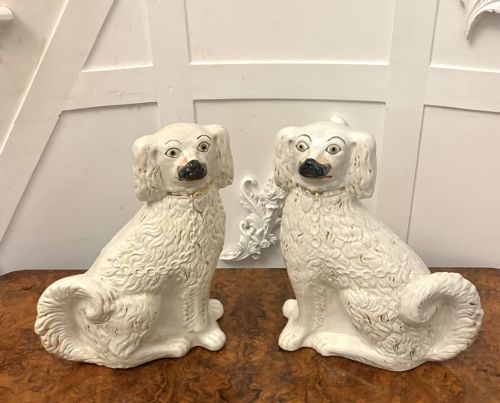
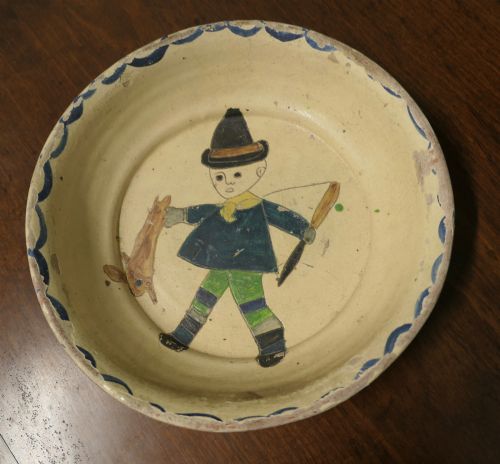
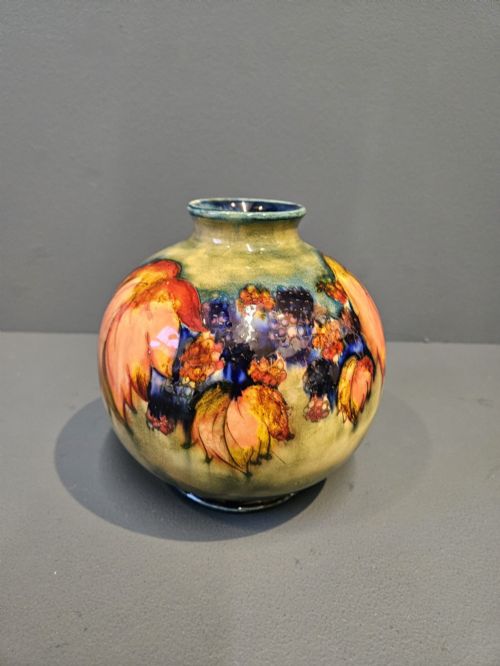
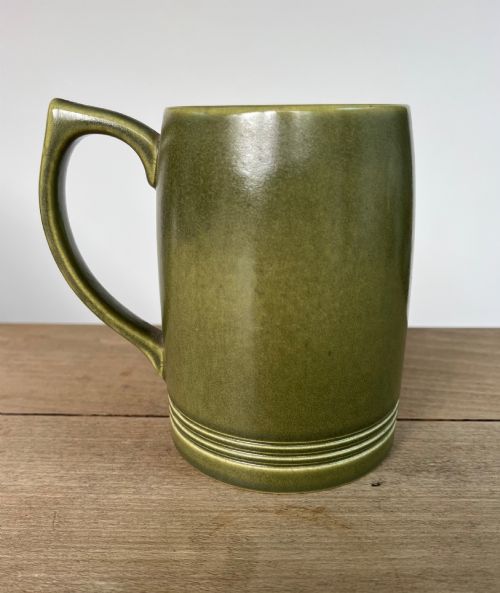
Vintage earthenware encompasses a broad spectrum of ceramic output spanning from the eighteenth century through the twentieth century, taking the form of vases, jugs, plates, figures, and kitchenalia. Collectors seeking vintage earthenware frequently encounter Staffordshire figures, Moorcroft vases, and blue and white dishes reflecting periods such as the Victorian era, Art Deco, and Georgian eras.
The objects listed display varied utilitarian and decorative functions, from dairy equipment like milk pails to ornamental tulipieres and mantel ornaments. Originating from British potteries, Dutch workshops, and Japanese kilns, these pieces demonstrate the international scope of historic ceramic production.
Materials and Techniques
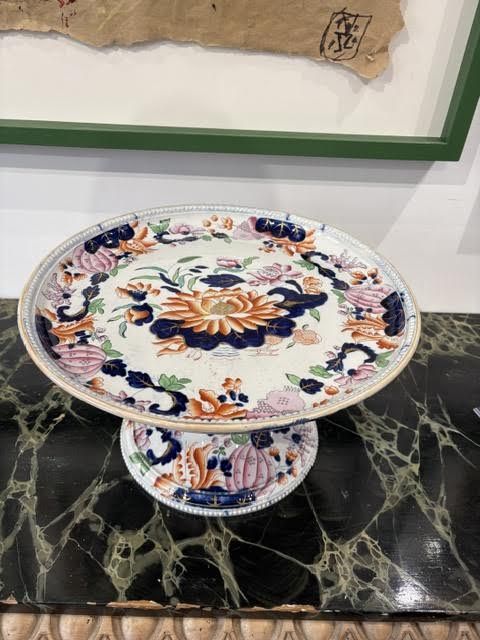
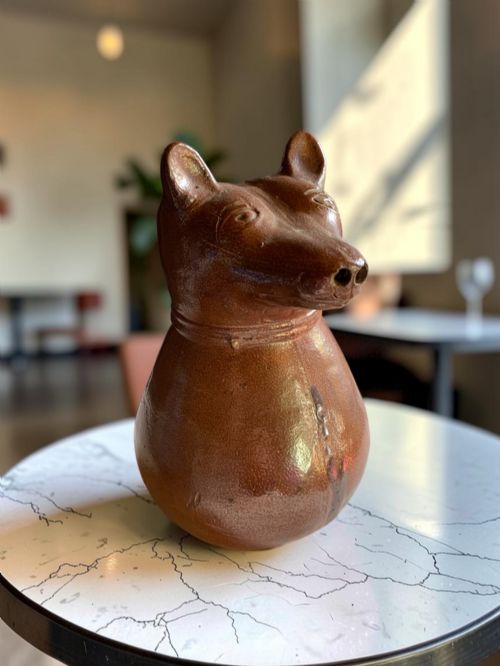
Potters constructed these pieces using porous clay bodies like earthenware, terracotta, and creamware, often sealed with glazes, enamel, or salt glazing methods. Artisans applied hand-painted motifs, transfer printing, and fluid glazes including treacle glaze and pink lustre to decorate the raw ceramic surfaces before firing.
Makers utilised specialised techniques such as iron banding, pewter mountings, and gold leaf additions to strengthen and adorn functional items like measuring jugs, flagons, and loving cups.
Vintage Earthenware Retail Price Guide 2026
Typical asking prices for vintage earthenware among the pieces listed under this phrase on Sellingantiques today, from the lower quarter to the upper quarter. They describe what is for sale here now, not the wider market.
Among the utilitarian kitchenware, ceramic weights weighing precisely four pounds remind us that historic recipes relied on heavy clay to keep measurements honest.
Judging Quality
Quality in these ceramics rests on the crispness of the moulded relief, the depth and control of the glaze, and the precision of hand-painted or transfer-printed details. Pieces that retain their original pigments, clear markings, and structural integrity without heavy overpainting represent superior examples of their type.
The reputation of the pottery, the complexity of the decorative scheme, and the survival of secondary elements such as lids or matching sets distinguish standard utilitarian output from exceptional collector pieces.
Wedgwood·Royal Doulton·Moorcroft·Burmantofts·William Smith and Co
The Vintage Earthenware Glossary
- Creamware
- A light-coloured refined earthenware developed in the eighteenth century, notable for its pale yellow or cream tone under a transparent lead glaze. Leeds Pottery produced notable examples of this refined ceramic.
- Toby Jug
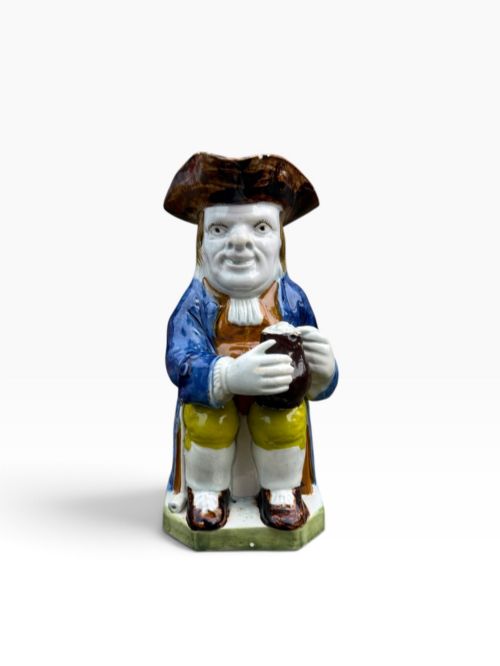
- A pottery jug shaped as a stout, jovial person usually seated and holding a mug of beer or a pipe. These figures frequently date from the eighteenth and nineteenth centuries.
- Transferware
- Pottery decorated by applying a printed design from an engraved copper plate to tissue paper, which was then transferred onto the unglazed or bisque ceramic body. This technique allowed for intricate repeating scenes on plates and dishes.
- Lustreware
- Earthenware coated with a metallic glaze that produces an iridescent sheen, often created using copper, silver, or gold solutions. Sunderland jugs frequently utilised pink splash lustre effects.
- Faience
- Tin-glazed earthenware, often associated with continental European pottery traditions and adopted by British makers like Burmantofts for decorative wares. It provides an opaque white surface suitable for painted decoration.
Vintage Earthenware: Frequently Asked Questions
What is vintage earthenware?
Vintage earthenware consists of porous ceramic objects fired at lower temperatures than stoneware or porcelain, typically covered in a protective glaze. These pieces include utilitarian vessels, decorative vases, and figural ornaments made across multiple centuries.
Items range from eighteenth-century creamware plates to twentieth-century studio pottery and commercial art pottery. The category bridges domestic utility with ornamental craft.
How do I clean vintage earthenware?
Cleaning requires gentle dusting with a soft brush or wiping with a damp cloth without soaking the ceramic body. Because historic earthenware can be porous and glazes may develop hairline cracks, immersion in water should be avoided.
Harsh chemical detergents and abrasive pads will damage historic enamels, lustres, and gold leaf additions. Proper maintenance preserves the fragile patina accumulated over generations.
How do I identify the period?
Dating relies on factory marks, glaze types, stylistic indicators like Art Nouveau or Victorian neo-classical motifs, and manufacturing techniques. Transfer-printed patterns and colour palettes often correspond to specific decades of production.
Comparing base markings and clay bodies against documented examples helps narrow down the manufacturing window. Stylist transitions from Georgian creamware to Victorian transferware provide clear chronological markers.
Were these items used daily?
Many earthenware pieces served practical domestic functions in kitchens, dairies, and dining rooms before entering collections. Items such as milk pails, measuring jugs, and footed bowls were built for daily household labour.
Other objects like wall relief paintings, decorative figures, and mantel dogs were made exclusively for display. Utility wares often display wear patterns reflecting their original functional service.