





Vintage Duck Ornament
These vintage duck ornament pieces bring character to a room through folk art carvings, painted finishes, and metal miniatures.
Vintage Duck Ornament
A vintage duck ornament encompasses working decoys, folk art studies, and small decorative items shaped as waterfowl. Buyers searching for a vintage duck ornament will find pieces ranging from utilitarian decoys to diminutive silver pin cushions.
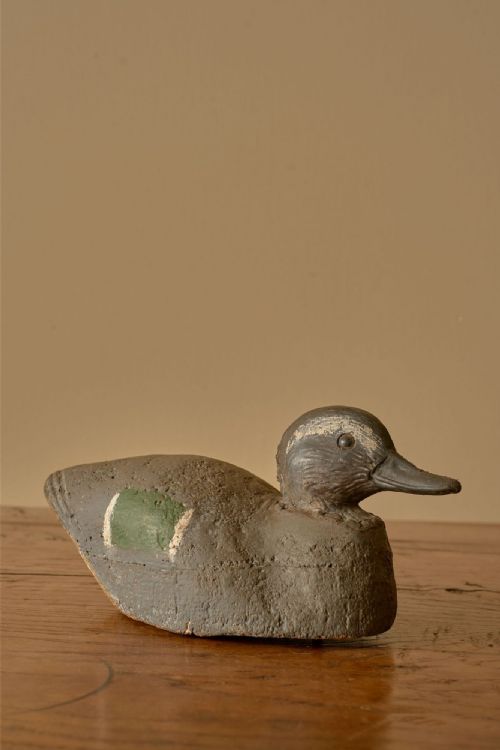
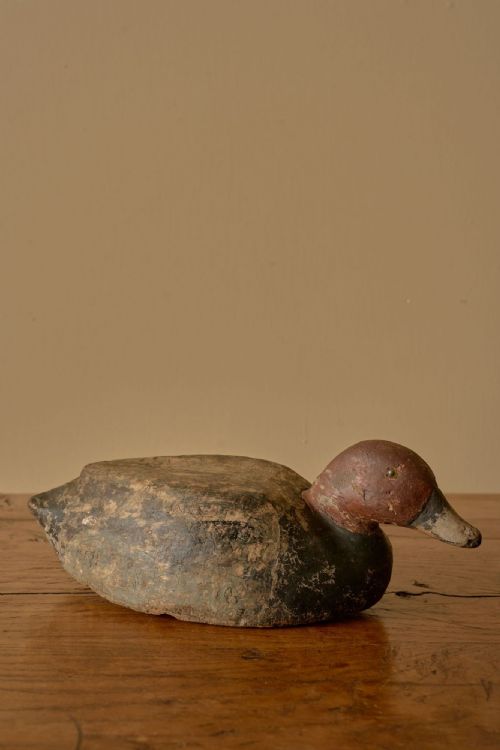
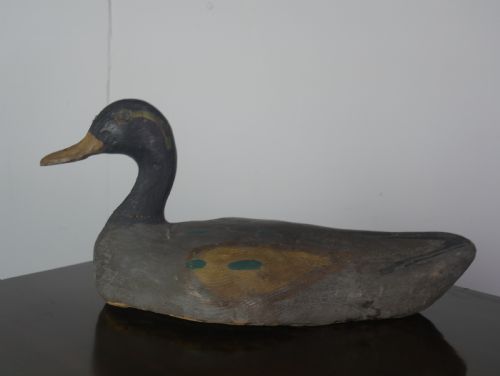
The most common iterations on this page are carved and painted wooden decoy ducks originating from the early twentieth century. These rustic objects bridge the gap between functional working tools and appealing decorative sculptures.
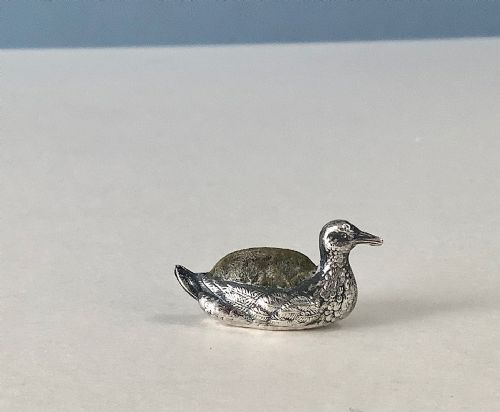
Other notable forms include papier-mâché duckling studies, cold-painted bronze drakes on onyx plinths, and Edwardian silver pin cushions. Each type reflects the specific domestic or sporting tastes of its era.
How they were made
Carved wood forms the backbone of these pieces, shaped by hand and finished with painted surfaces that show weathering and age. Craftsmen used simple tools to block out the form of a decoy before applying pigment to suggest plumage.
Alternative materials include cast metals and papier-mâché reinforced with straw, demonstrating the variety of manufacturing approaches in early twentieth-century workshops. Silver items utilised fine casting and detailed chasing, often combined with velvet for pin cushion inserts.
Vintage Duck Ornament Retail Price Guide 2026
Typical asking prices for vintage duck ornament among the pieces listed under this phrase on Sellingantiques today, from the lower quarter to the upper quarter. They describe what is for sale here now, not the wider market.
Several ducks live double lives as pin cushions, quietly holding sewing needles while disguised as stately waterfowl.
What varies in quality
Quality rests primarily in the strength of the carving and the character of the remaining paint surface. A confident hand in a wooden decoy creates a convincing silhouette that transcends simple utility.
The sophistication of the material also dictates distinction, moving from rustic painted wood up to refined Austrian cold-painted bronze mounted on onyx. Natural wear and untouched patination add depth to better examples.
The Vintage Duck Ornament Glossary
- Decoy duck
- A floating or field bird sculpture originally used to lure waterfowl, now valued as folk art. These working pieces often display robust tool marks and layered paint.
- Cold-painted bronze
- A method where bronze figures received non-fired paint finishes, popular in Austrian workshops. The technique allows for fine, naturalistic coloration on small sculptures.
- Folk art
- Utilitarian or decorative objects made by self-taught or traditional craftsmen outside academic art circles. This style prioritises directness of form over strict anatomical accuracy.
- Pin cushion
- A small domestic object designed to hold sewing pins, frequently fashioned into animal shapes during the Edwardian period. Silver versions combined precious metalwork with soft inserts.
Vintage Duck Ornament: Frequently Asked Questions
What is a decoy duck?
A decoy duck is a carved and painted wooden figure once employed by hunters to attract real birds onto water. Over time, these working objects transitioned into decorative folk art.
Today, collectors appreciate them for their sculptural forms and the honest wear recorded on their painted surfaces.
How old are these duck ornaments?
The pieces available span from the nineteenth century through the Edwardian era and into the 1930s. Most examples date from the early decades of the twentieth century.
Materials and construction methods help indicate the specific period of origin for each item.
Where were bronze ducks made?
Metal duck figures often originate from Austrian workshops, particularly Vienna, where cold-painted bronze was a speciality. These pieces were frequently mounted on stone plinths like onyx.
They represent a more formal decorative style compared to rustic wooden decoys.
How do I style a duck ornament?
These ornaments suit a variety of interiors, from traditional country houses to modern eclectic spaces. Wooden decoys bring texture to bookshelves or sideboards.
Smaller silver pieces and bronze studies work well grouped on desks or display tables.