
Vintage Dressing Stand
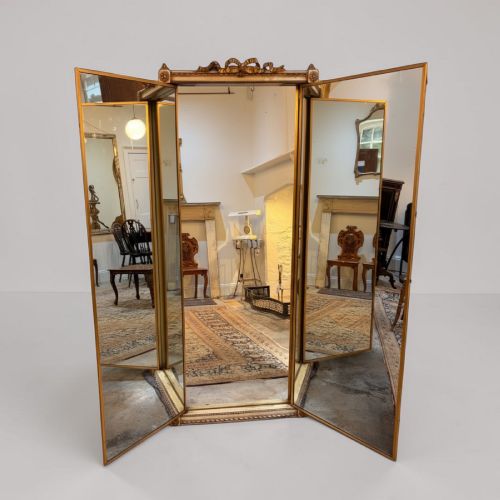
A vintage dressing stand organises a bedroom through tall cheval mirrors, small table glasses and marble-topped basins.
Vintage Dressing Stand
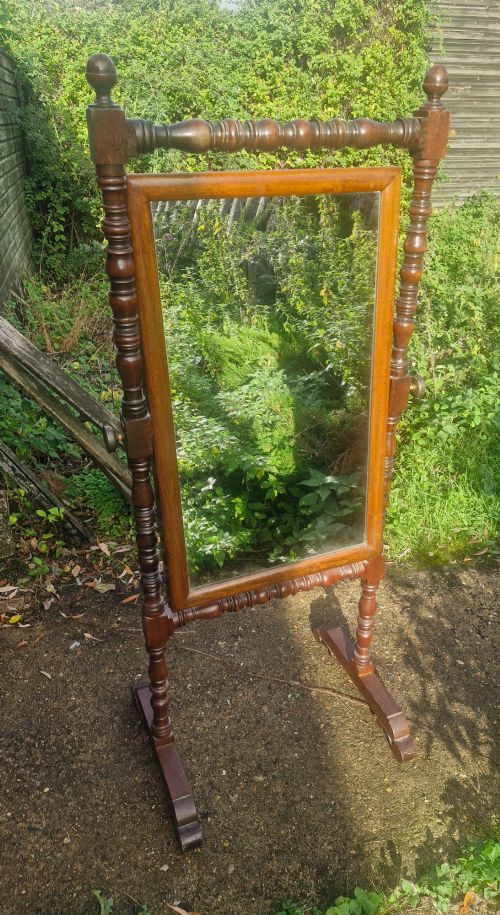
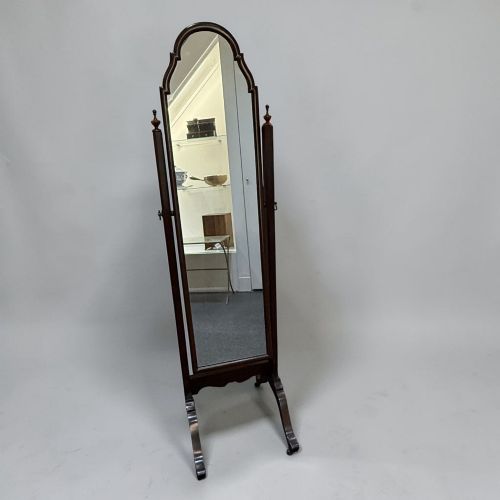
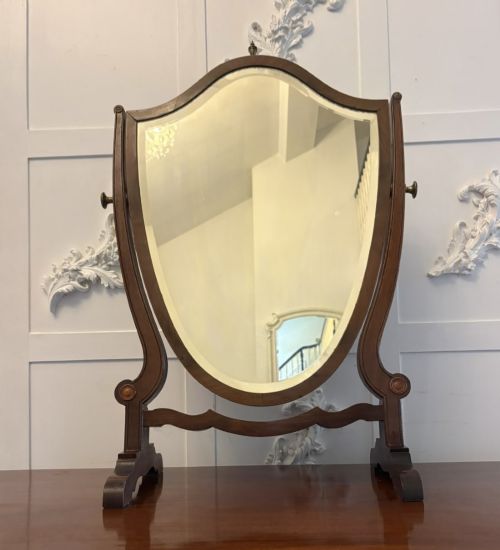
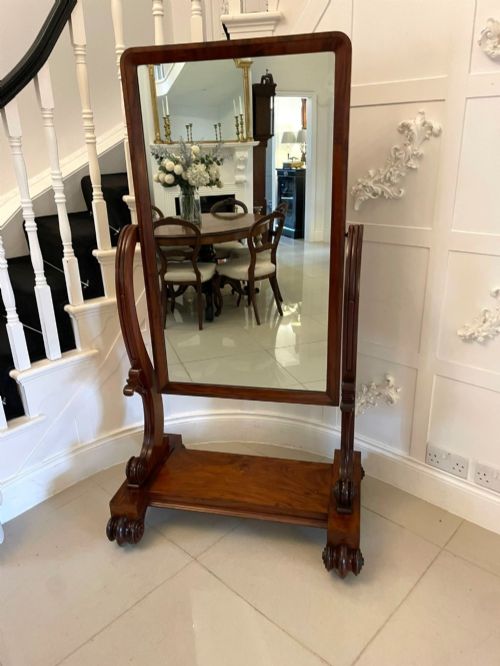
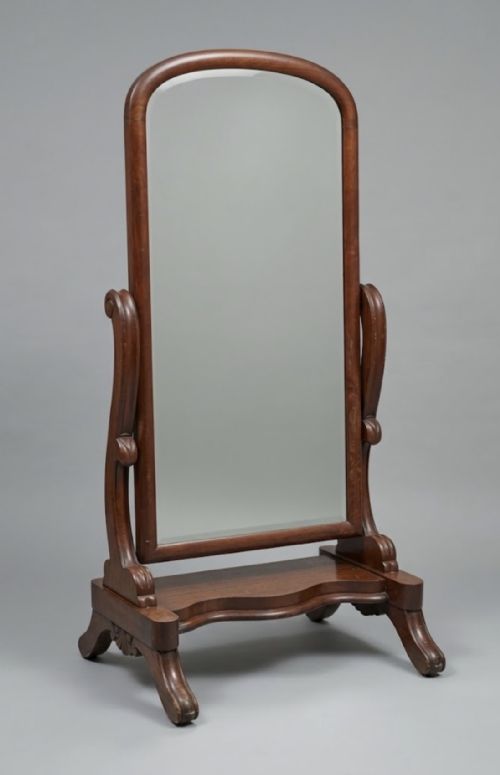
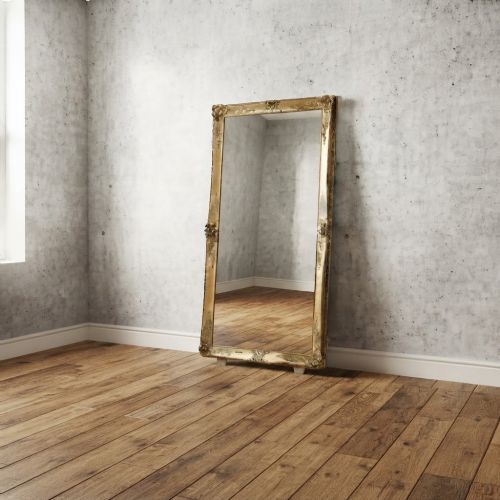
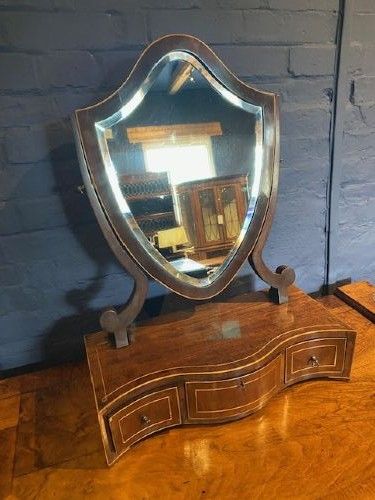
When you search for a vintage dressing stand, you encounter a range of bedroom furnishings spanning the Victorian, Edwardian and early twentieth-century periods. These pieces include freestanding cheval mirrors, table-top vanity glasses, shaving stands and washstands designed for personal grooming. Mahogany and walnut dominate the taller floor-standing mirrors, whilst smaller dressing table variants appear in brass, silver and giltwood.
The selection on this page relies heavily on nineteenth-century craftsmanship alongside pieces from the 1900s to the 1920s. You will frequently find cheval mirrors mounted on swivelling frames, alongside marble-topped washstands in pine and oak. Styles shift from heavy Victorian proportions to lighter Edwardian designs, French chateau influences and Queen Anne revival forms.
Distinctions in quality
The refinement of the timber carving and the weight of the supporting frame dictate the grade of a piece. Heavier, well-figured mahogany and burr walnut with crisp joinery distinguish superior standing mirrors from simpler pine washstands. The clarity of the mirror glass and the solidity of the brass pivot hardware also separate finer examples from standard utility items.
Decorative ambition elevates certain items, seen in carved giltwood frames, champleve bronze mounts or detailed Chinoiserie ebonising. The presence of original maker stamps or retail signatures, such as those from Heal and Sons or Harrods, marks out the upper tier of production.
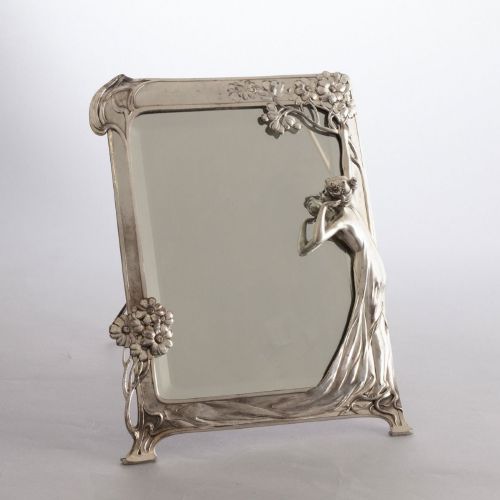
A charming Edwardian silver ring tree waits patiently on the dressing table to hold stray jewellery.
WMF·Heal and Sons
The Vintage Dressing Stand Glossary
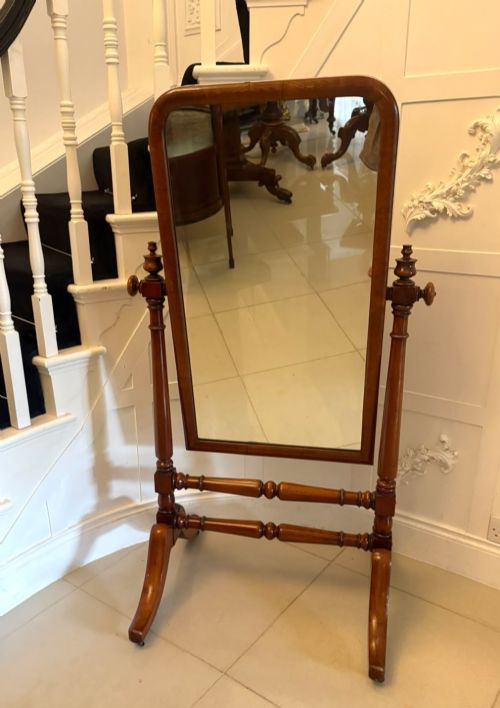
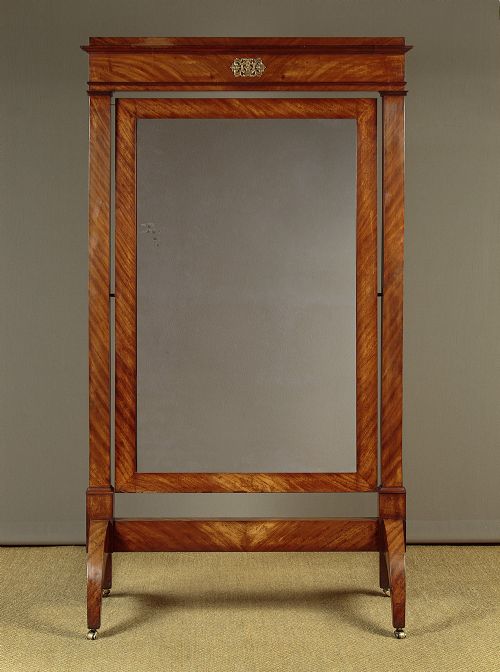
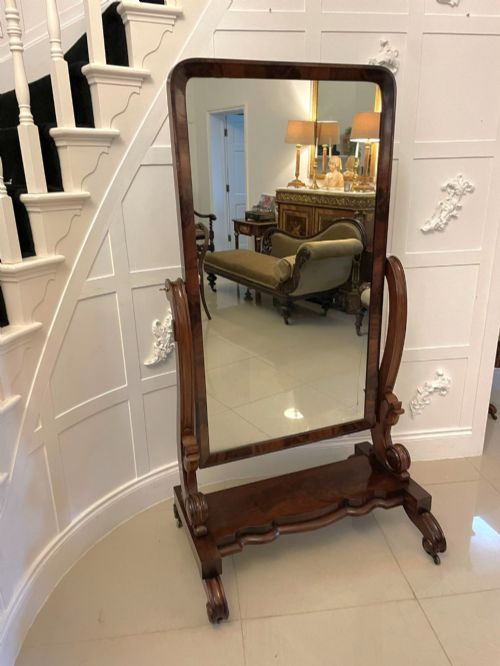
- Cheval mirror
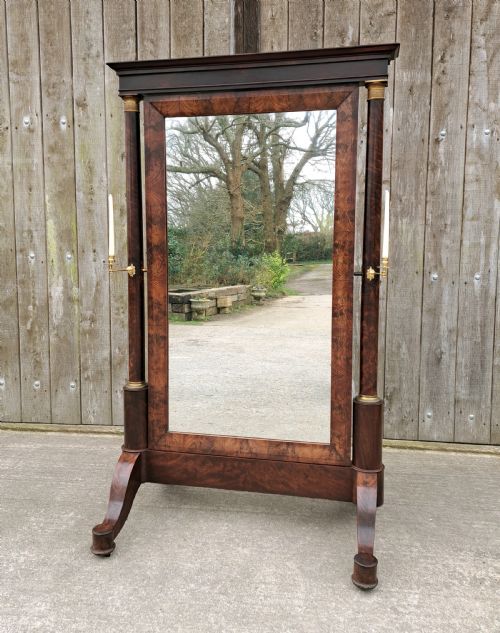
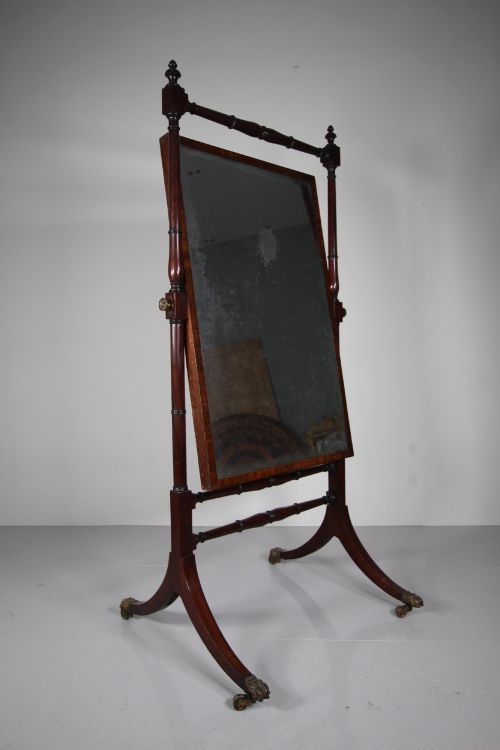
- A large, full-length mirror suspended on a vertical frame that tilts on central pivot pins. These tall glass plates allowed individuals to view their entire outfit.
- Washstand
- A wooden bedside or bathroom unit, frequently topped with marble, designed to hold a washing basin and water jug. Victorian examples often utilise pine or oak.
- Strut mirror
- A small table mirror supported by a hinged prop or leg at the rear. These portable desk glasses commonly appear in silver or brass during the Edwardian era.
- Champleve
- An enamelling technique where troughs are dug into a metal surface and filled with coloured vitreous enamel before firing. This decorative method appears on French table mirrors.
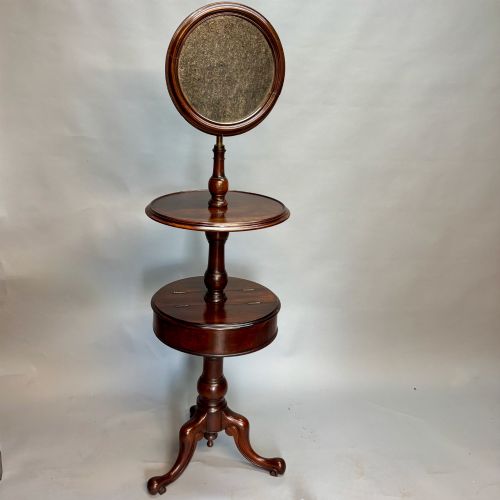
- Shaving stand
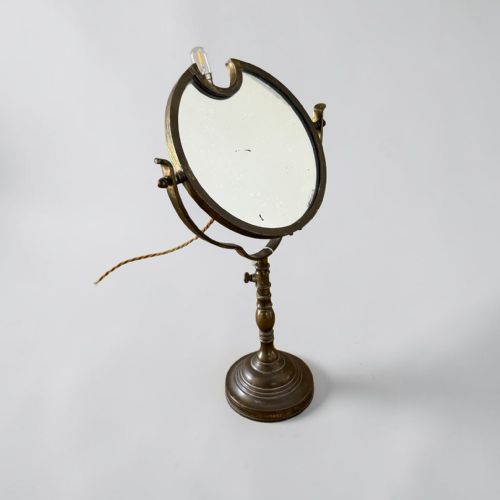
- An adjustable upright stand featuring an integrated mirror and small shelf surfaces. These pieces accommodated gentlemen's grooming rituals in the Victorian bedroom.
Vintage Dressing Stand: Frequently Asked Questions
What is a cheval mirror?
A cheval mirror is a full-length floor-standing glass mounted on a swivelling frame between two upright pillars. The term derives from the French word for horse, referencing the supporting trestle base.
These tall mirrors allowed users to check their complete attire from head to toe in bedrooms and dressing rooms. They became particularly popular during the Victorian and Edwardian periods in mahogany and walnut.
How do I date a dressing mirror?
Dating relies on observing the timber species, the mounting hardware and the decorative style of the frame. Heavy proportions and dark mahogany typically point to mid-nineteenth-century Victorian origins, whereas lighter walnut and revival styles often indicate the early twentieth century.
Mirror glass characteristics also assist, as older plates may show subtle distortions or bevelled edges created by hand rather than modern machinery. Maker stamps and retailer marks provide the most definitive chronological markers.
How were washstands used?
Washstands served as the primary washing station in bedrooms before plumbed bathrooms became standard in homes. They held ceramic washbowls and pitchers of water for morning and evening ablutions.
The marble tops found on many surviving examples provided a durable, water-resistant surface that prevented splashing from damaging the underlying pine or oak cabinetry.
Where should I place a dressing stand?
Freestanding cheval mirrors work effectively in bedrooms or dressing rooms where natural light can reflect across the space. Their pivoted frames allow you to angle the glass precisely for daily use.
Table mirrors and strut stands suit top surfaces like chests of drawers or dressing tables. Marble-topped washstands function well as side tables or alternative bathroom basin units.