


Vintage Dressing Bureau
These vintage dressing bureau selections combine dedicated writing spaces and personal grooming surfaces, offering practical utility and period character for daily use.
Vintage Dressing Bureau
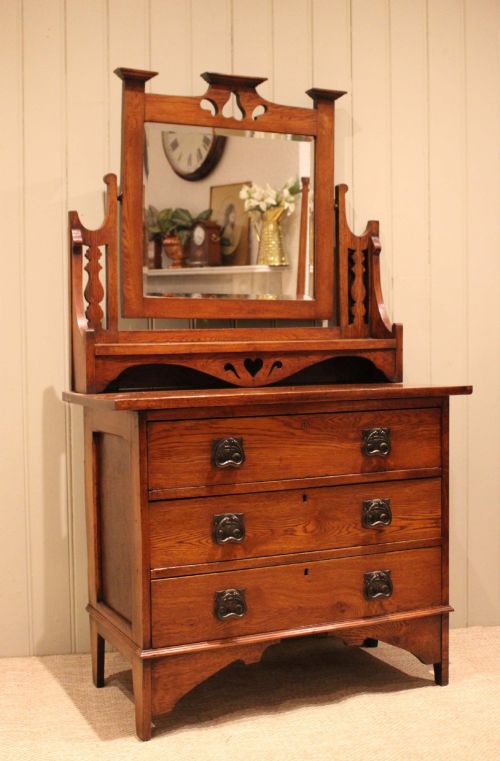
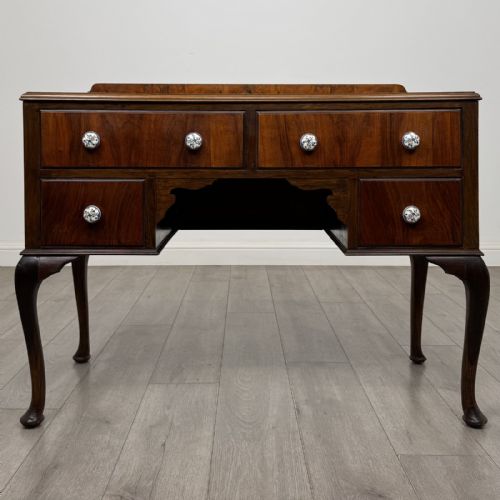
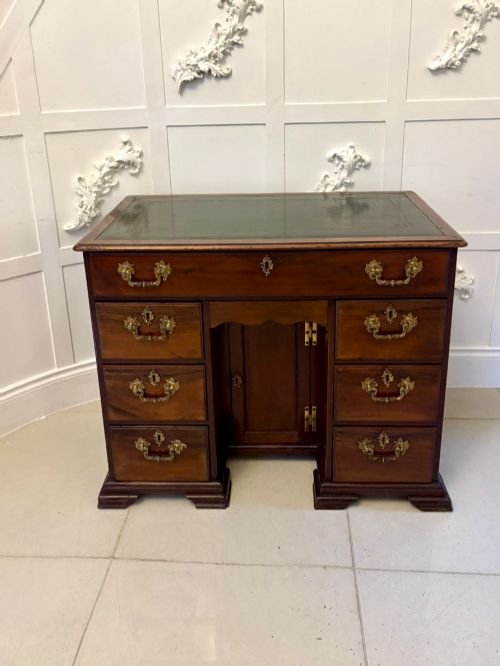
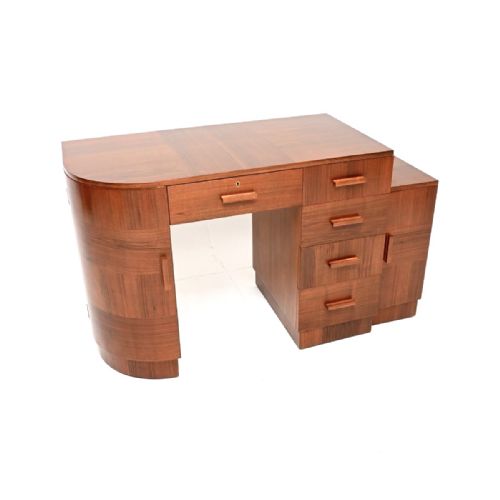
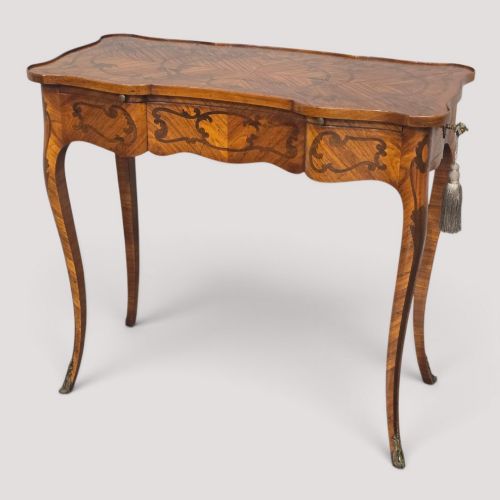
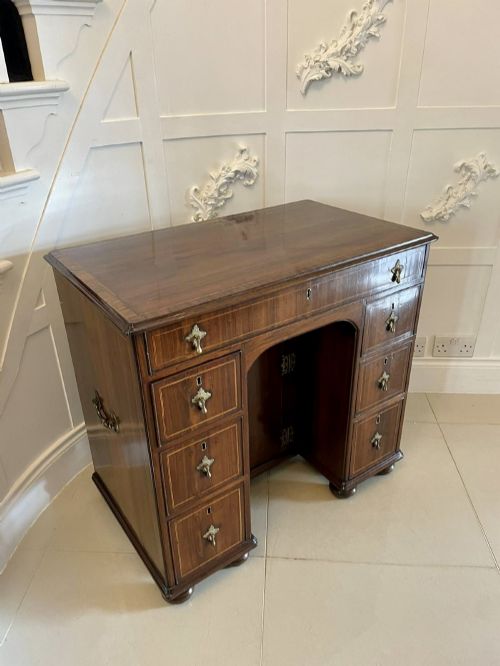
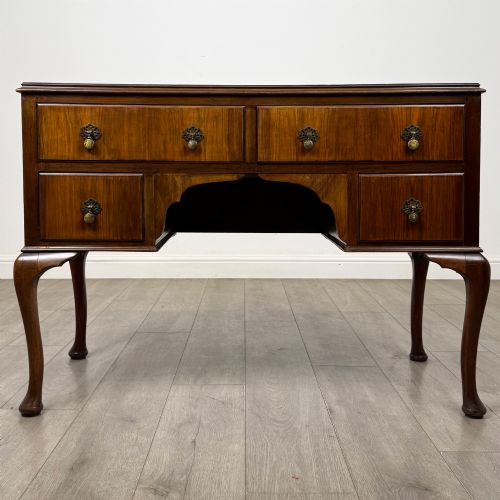
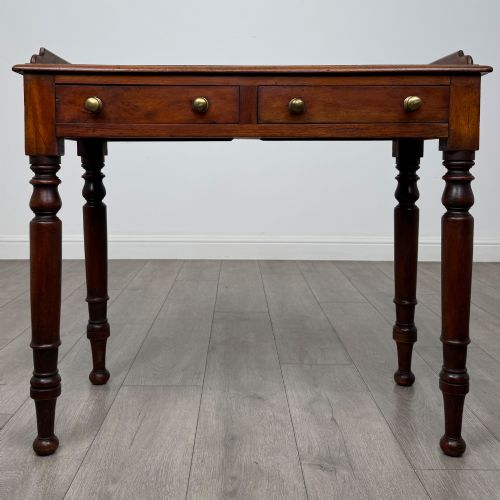
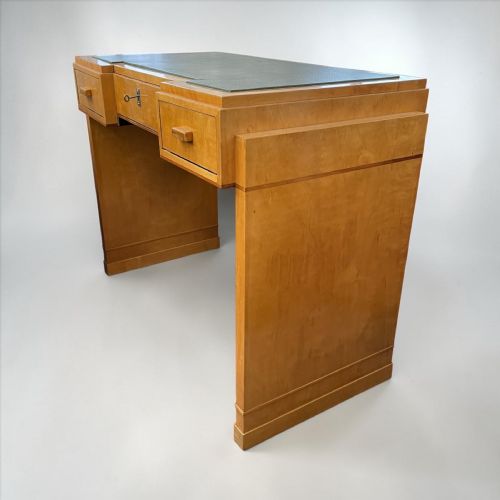
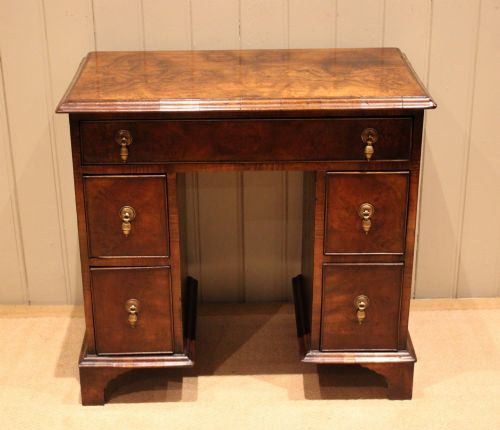
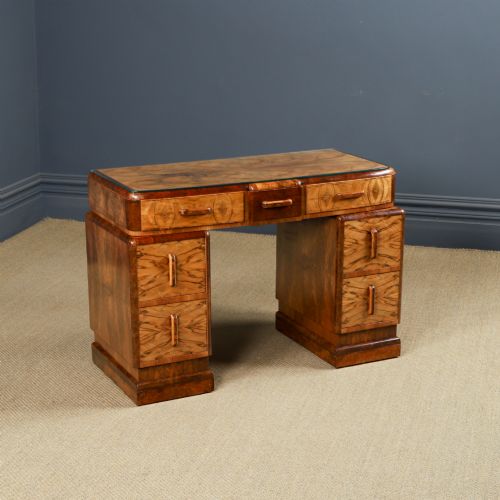
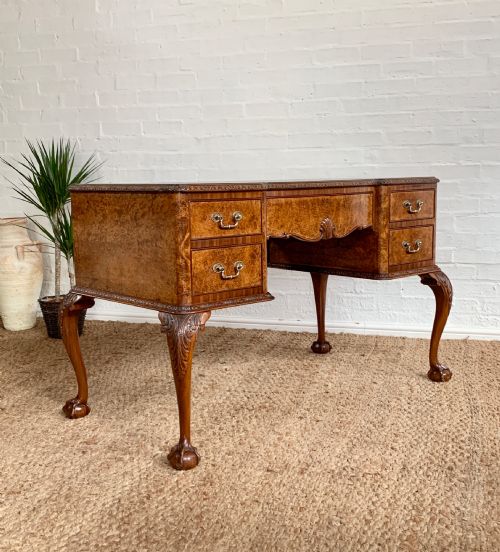
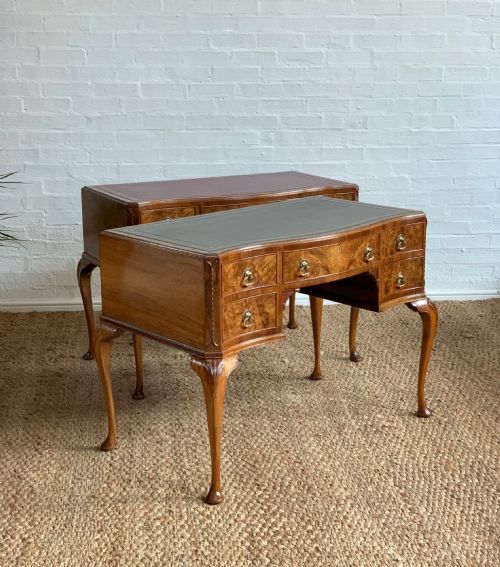
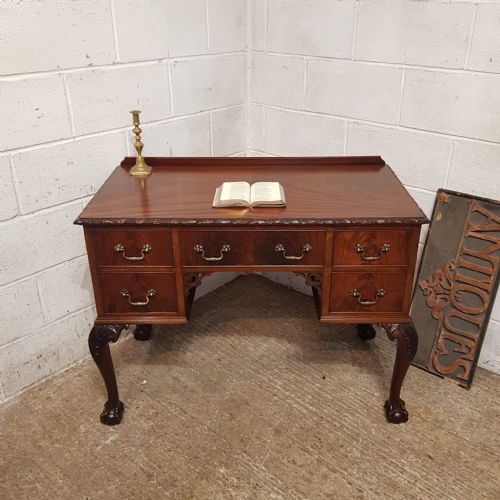
Buyers seeking a vintage dressing bureau encounter pieces that span formal writing tables, kneehole desks, and combined dressing furniture from several centuries. The selection ranges from robust 18th-century mahogany and walnut kneehole pieces to lighter Edwardian and Art Deco designs.
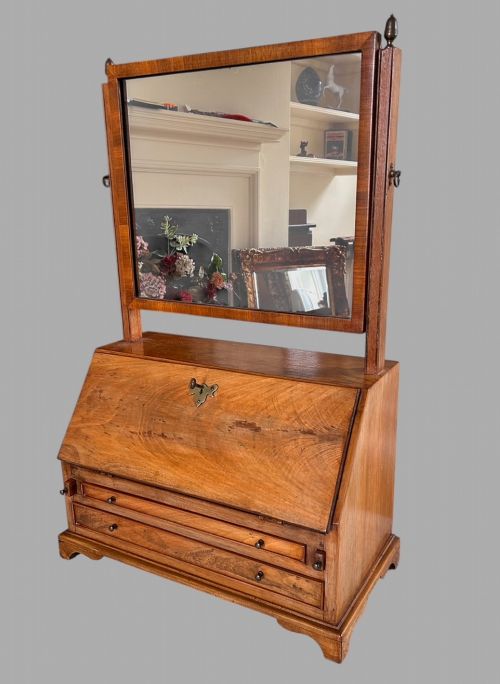
Most examples appearing in this category bridge the gap between compact writing desks and personal grooming tables. Pieces often feature fitted drawers, tooled leather writing surfaces, and integrated mirrors suited for domestic workspaces.
Origins stretch across English workshops, Scottish makers, and French provincial studios. Pieces reflect distinct regional preferences in timber selection, from figured burr walnut to polished oak and satinwood.
Materials and construction methods
Construction relies heavily on hardwoods like mahogany, walnut, and oak, often enhanced by decorative veneers including burr walnut, satinwood, and tulipwood. Brass handles, hinges, and ormolu mounts provide structural accents and operational hardware.
Surfaces frequently incorporate inset leather writing panels, sometimes gold-tooled along the borders. Joinery techniques range from traditional dovetail drawer construction to finely executed marquetry and French polishing.
Vintage Dressing Bureau Retail Price Guide 2026
Typical asking prices for vintage dressing bureau among the pieces listed under this phrase on Sellingantiques today, from the lower quarter to the upper quarter. They describe what is for sale here now, not the wider market.
Listings feature walnut, mahogany, oak, and satinwood across periods spanning the eighteenth century to the art deco era.
Factors determining quality
Quality rests on the choice of timber figure, such as highly patterned burr walnut or figured mahogany, paired with the precision of the cabinetmaker's joinery. Superior examples maintain original hardware, intact leather inserts, and balanced proportions.
Execution of decorative details like stringing, marquetry inlay, and ormolu mounts separates standard utility furniture from high-workshop production. The integrity of the internal drawer linings and the smoothness of the sliding mechanisms further define the tier of the piece.
Wylie & Lochhead Glasgow·Heal and son·Jenners·James Shoolbred of London
The Vintage Dressing Bureau Glossary
- Kneehole desk
- A writing table featuring a central recess for the legs, flanked by pedestals of small drawers. This form became particularly popular during the Georgian period.
- Burr walnut
- Timber harvested from the warted growths on walnut trees, yielding a swirling, highly decorative grain pattern. Cabinetmakers use it extensively for fine veneering.
- Ormolu
- Gilded bronze used for decorative mounts, handles, and feet on French and English furniture. It provides metallic contrast against dark hardwoods.
- Marquetry
- The art of applying small pieces of veneer to a structure to form decorative patterns and pictures. It appears frequently on French and Edwardian writing tables.
- Satinwood
- A pale, lustrous timber native to India and Ceylon, prized for its golden sheen. It serves as a primary wood or a contrasting veneer in late periods.
Vintage Dressing Bureau: Frequently Asked Questions
What is a vintage dressing bureau?
A vintage dressing bureau encompasses writing desks, kneehole tables, and furniture designed for personal grooming and correspondence. These pieces combine flat writing surfaces with storage drawers and occasionally mirrors.
Originating across multiple centuries, they serve as functional desks and decorative storage items in modern homes.
How do I care for leather desk surfaces?
Leather writing inserts require gentle cleaning with a slightly damp cloth and occasional application of appropriate leather cream. Avoid harsh chemicals and excessive moisture to preserve the surface.
Keep desks away from direct sunlight and heat sources to prevent the leather from drying and cracking over time.
How do I identify a Georgian bureau?
Georgian pieces typically feature solid proportions, dense hardwoods like mahogany and walnut, and traditional dovetail joinery. Drawer linings are often constructed from secondary timbers like oak.
Hardware on these examples generally consists of brass drop handles or batwing plates consistent with 18th-century production standards.
Can I use these desks for a home office?
These historical desks accommodate modern laptops and writing materials while adding period character to a room. Their compact footprints make them suitable for home studies and bedroom corners.
Many incorporate internal compartments and drawers for organising stationery and small electronic items.