

Vintage Drawing Art
Vintage drawing art comprises original works on paper spanning the nineteenth century through the mid twentieth century, offering collectors direct touch with historical hand execution.
Vintage Drawing Art
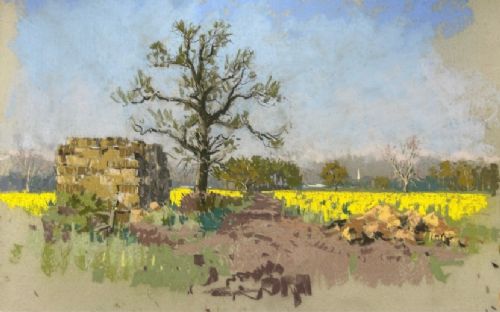
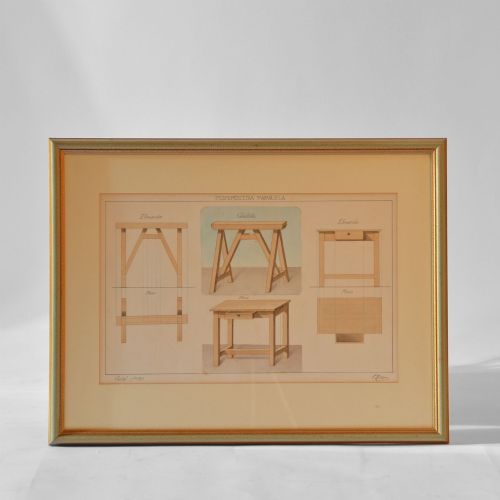
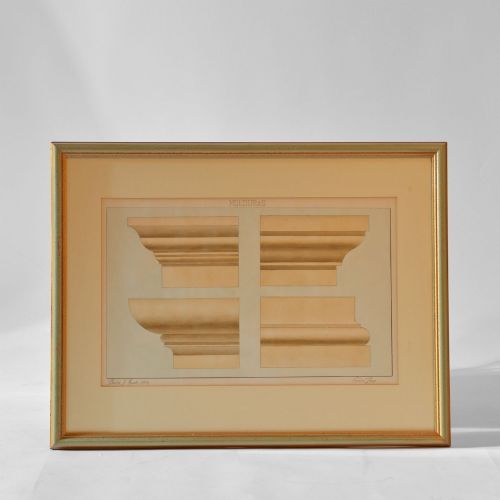
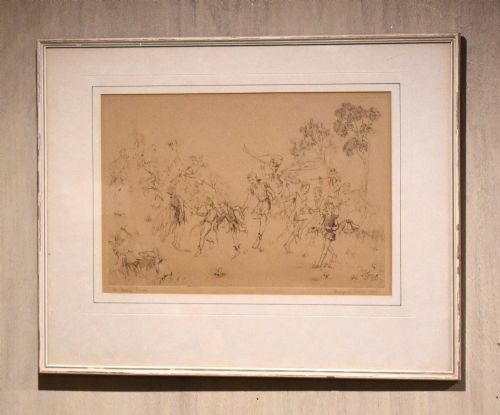
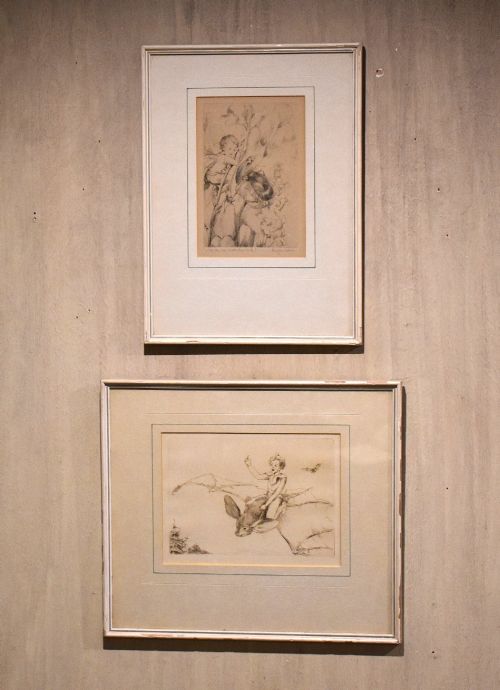
Vintage drawing art encompasses original works on paper produced across the nineteenth and twentieth centuries, spanning periods from the Victorian era through the mid-century modern movement. Buyers encounter diverse forms including architectural studies, landscape views, and portraiture created by named artists and regional schools.
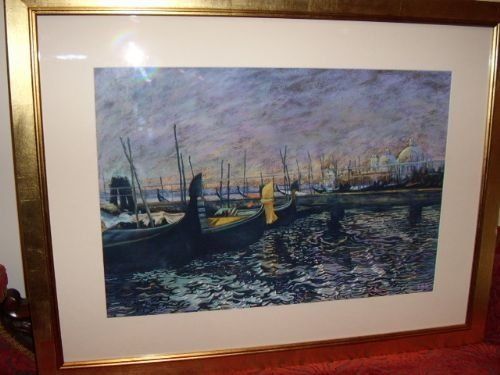
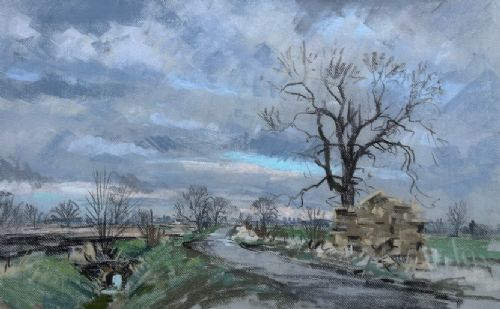
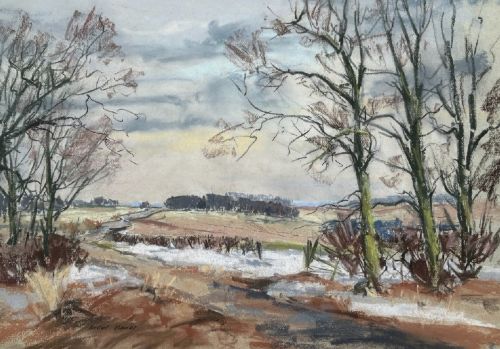
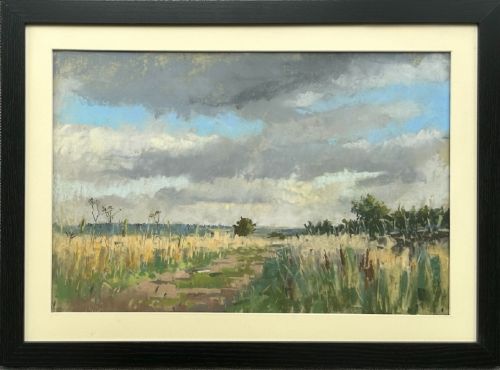
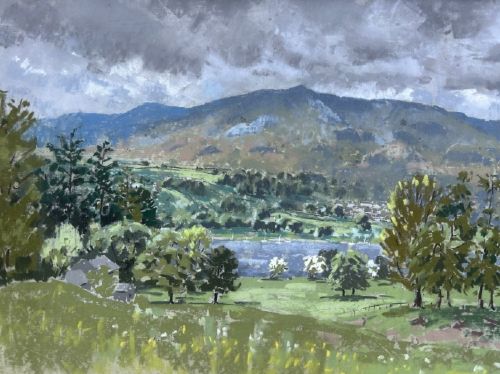
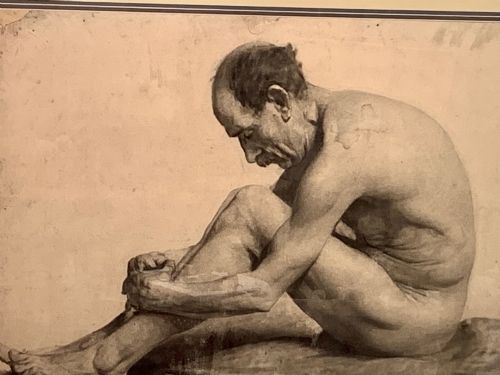
The selection ranges from academic figure studies in pencil and ink to expressive pastels and gouache compositions. Pieces frequently arrive framed under glass, preserving delicate media such as charcoal and pastel on buff paper.
How they were made
Artists executed these works primarily on paper supports using graphite pencil, pen and ink, pastel, and gouache, frequently combining media for layered effect. Support surfaces vary from standard artist paper to buff paper and card stock.
Framing typically involves wood mouldings and protective glass to safeguard friable pigment layers such as pastel and charcoal against smudging and atmospheric moisture.
Vintage Drawing Art Retail Price Guide 2026
Typical asking prices for vintage drawing art among the pieces listed under this phrase on Sellingantiques today, from the lower quarter to the upper quarter. They describe what is for sale here now, not the wider market.
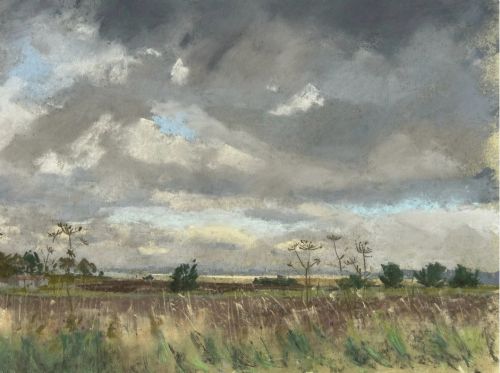
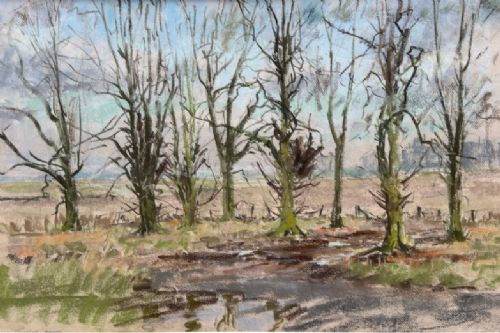
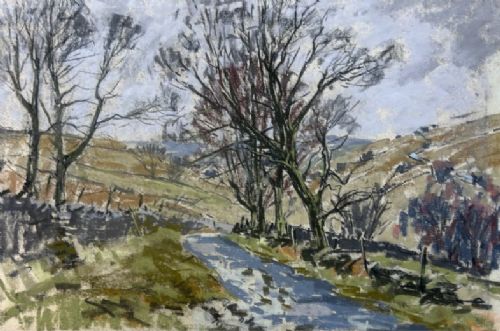
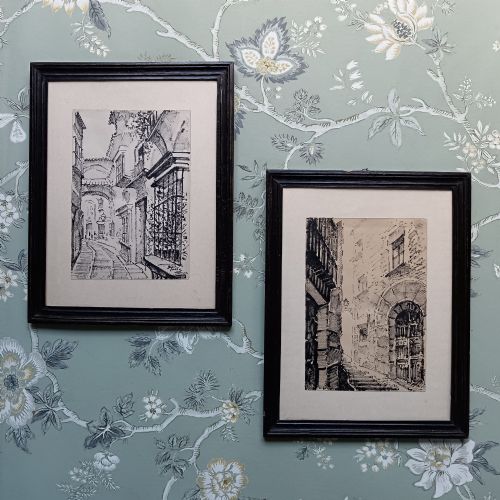
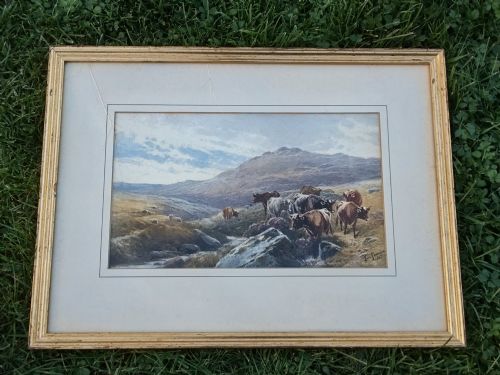
Subject matter ranges from academic male nude studies and architectural plates to Cumbrian landscapes and portraits of dogs.
What varies in quality
Quality rests upon the sureness of the line, the sensitivity of the tonal handling, and the strength of the composition. Accomplished draughtsmanship demonstrates deliberate mark-making and anatomical or spatial understanding.
Condition of the paper support and stability of the medium also dictate standing. Well-preserved sheets retain pigment vibrancy without excessive foxing or light degradation.
Angus Rands·Marjorie L Davies·Thomas Rowden·Jacob Kramer·Fred Lawson·Cecil Keeling·Bruce Bairnsfather·George Lorain Stampa·Henry Percy Huggill·Emily Eyres·Alfred Young Nutt·Herskind·William Etty·Robert Leslie Howey·Augustus John·Maurice Brianchon·Frank Dobson·James Stroudley·Herbert Johnson Harvey·Samuel Rabin
The Vintage Drawing Art Glossary
- Gouache
- An opaque water-based paint that provides solid, flat areas of colour and sharp highlights on paper. It often appears alongside pencil or ink in twentieth-century works.
- Pastel
- A dry medium composed of powdered pigment and a binder, pressed into sticks for drawing. It yields velvety surfaces that require framing under glass.
- Foxing
- Brown spots of chemical oxidation that develop on older paper over time. Collectors monitor their extent when assessing preservation.
- Academic Realism
- A style of painting and drawing produced under the influence of European academies of art. It emphasises precise anatomy and traditional rendering.
- Mixed media
- An artwork combining two or more artistic materials or techniques on a single support. Examples include pencil combined with watercolour wash.
Vintage Drawing Art: Frequently Asked Questions
How do I care for vintage drawings?
Keep works on paper away from direct sunlight to prevent the fading of inks, pastels, and watercolours.
Maintain stable indoor humidity to protect both the delicate paper fibres and the wooden frames.
Are these drawings always signed?
Many pieces feature artist signatures, studio stamps, or period inscriptions detailing the subject and date. Unsigned works frequently emerge from regional British and European schools.
Attribution then relies upon stylistic analysis, framing labels, and documented provenance.
What is the difference between an etching and a drawing?
A drawing is a unique, direct hand-executed work created with pencil, ink, pastel, or paint on paper. An etching is a print pulled from a metal plate that has been chemically incised.
Drawings show individual hand pressure and unique marks that printing processes lack.
How do I identify the period of a drawing?
Dating relies upon stylistic cues such as Edwardian costume, Art Deco geometry, or mid-century modernist composition. Paper watermarks, framing methods, and artist biographical dates offer further confirmation.
Inscriptions on the reverse frequently record the exact year of execution.