



Vintage Double Seat
A vintage double seat brings intimate two-person seating to a room, offering compact proportions and traditional craftsmanship.
Vintage Double Seat
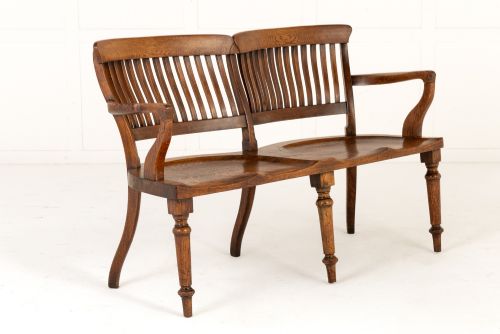
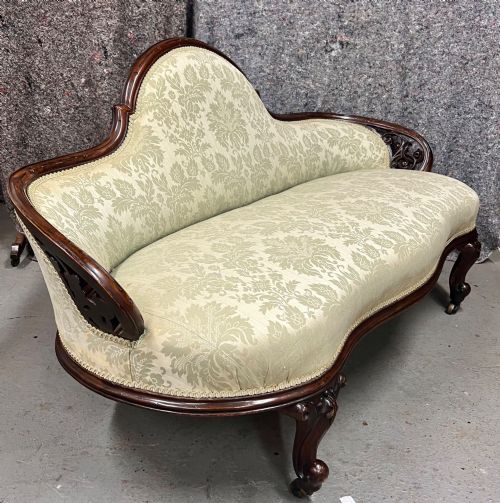
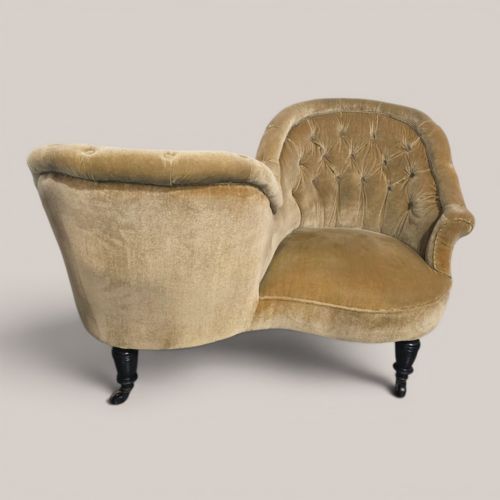
A vintage double seat encompasses diverse forms designed for two occupants, ranging from compact duet piano stools and conversation sofas to Edwardian settees and wooden benches. Buyers exploring this category encounter pieces spanning the eighteenth, nineteenth, and early twentieth centuries, reflecting changing domestic habits across multiple design periods.
Smaller seating forms such as piano stools and window seats dominate the functional end of the category, whilst larger settees and conversation sofas serve as primary drawing room furniture. Each variation offers a distinct seating arrangement tailored to music rooms, parlours, or hallways.
Distinctions in construction and finish
The refinement of carved woodwork and the crispness of applied inlay separate standard production from superior examples. Finishes range from simple painted surfaces to deeply polished mahogany and walnut showing rich natural grain patterns.
Structural integrity depends on the tightness of joints and the quality of internal springing or webbing. Upholstery execution, from button-back leather work to ticking fabric application, defines the overall finish of cushioned variants.
Vintage Double Seat Retail Price Guide 2026
Typical asking prices for vintage double seat among the pieces listed under this phrase on Sellingantiques today, from the lower quarter to the upper quarter. They describe what is for sale here now, not the wider market.
Current listings feature hardwood materials including mahogany, walnut, oak, and pine across pieces dated from the eighteenth to the early twentieth century.
Howard And Sons
The Vintage Double Seat Glossary
- Settee
- A long upholstered seat with a back and arms, designed for two or more people. This form evolved through various stylistic revivals during the nineteenth century.
- Duet stool
- A double-width stool designed specifically for two musicians sharing a piano bench. These often feature lift-up seats revealing music storage compartments.
- Conversation sofa
- An upholstered seating form engineered to allow two occupants to sit facing opposite directions whilst conversing. These pieces typically feature an S-curved upholstered frame.
- Inlay
- A decorative technique where contrasting woods or materials such as satinwood are fitted flush into the primary wood surface. This ornamentation appears frequently on Edwardian cabinetwork.
- Fiddle back
- A chair or settee back featuring splats shaped like the body of a violin. This silhouette is common in eighteenth and nineteenth-century seating designs.
Vintage Double Seat: Frequently Asked Questions
Where should I place a double seat?
Compact double seats and duet stools fit well in music rooms, narrow hallways, or positioned beneath windows as low seating.
Larger settees and conversation sofas function effectively as focal points in living spaces or drawing rooms.
How do I distinguish Victorian from Edwardian seats?
Victorian seating generally displays heavier timber proportions, darker polished finishes, and more ornate carved ornamentation or button-backed upholstery.
Edwardian pieces tend to feature lighter mahogany frames, satinwood inlay, and airier silhouettes influenced by eighteenth-century revivals.
What is a duet piano stool?
A duet piano stool is an elongated seat built to accommodate two players side by side at a keyboard instrument.
Many examples include hinged tops that open to reveal internal storage compartments for sheet music.
Are these seats suitable for daily use?
Solid hardwood frames provide strong structural foundations suitable for regular domestic seating.
Upholstered versions may require professional evaluation of internal webbing and springs depending on their age and prior wear.