


Vintage Double Doors
Vintage double doors frame grand entrances to storage, appearing on wardrobes, armoires, and linen presses crafted across the nineteenth and twentieth centuries.
Vintage Double Doors
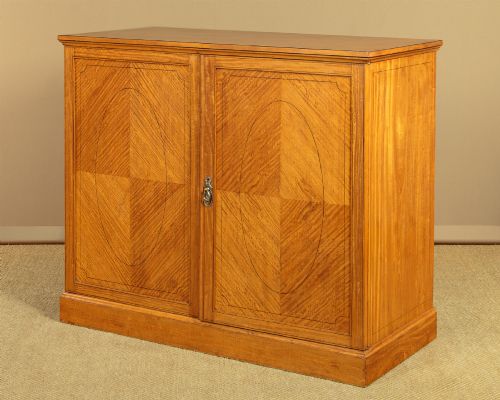
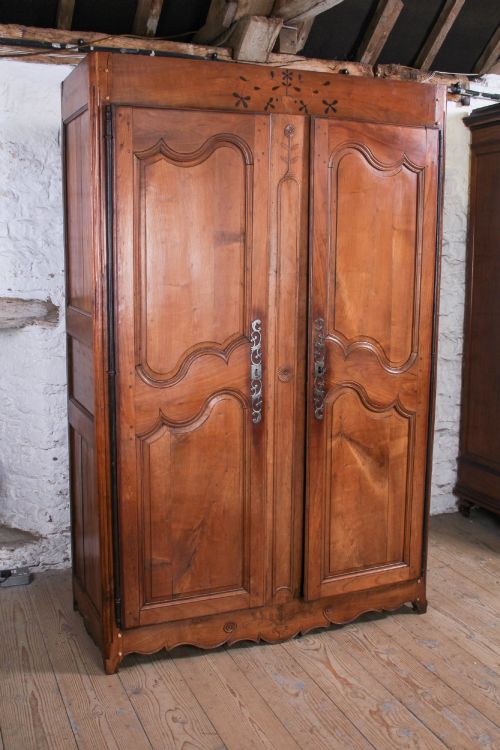
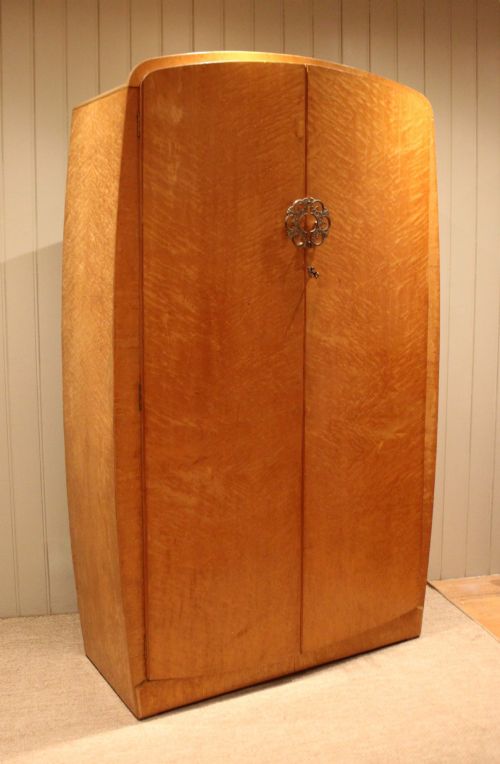
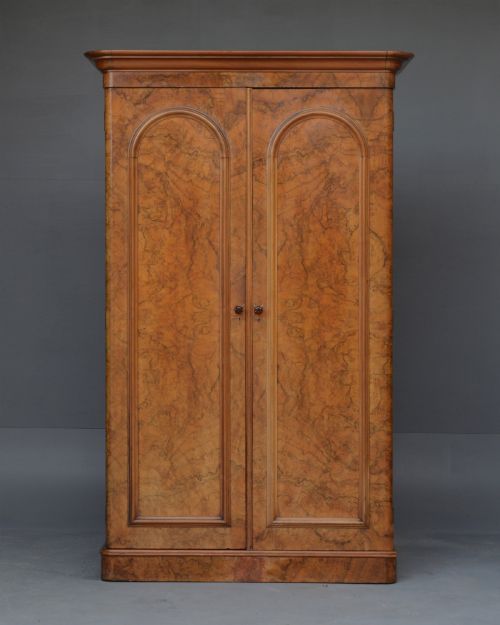
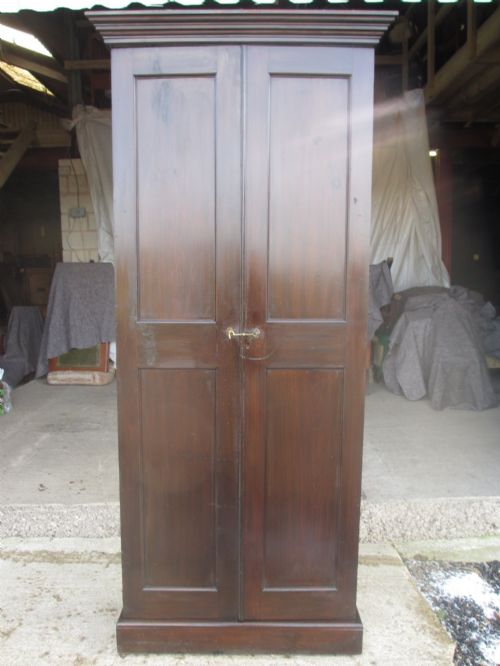
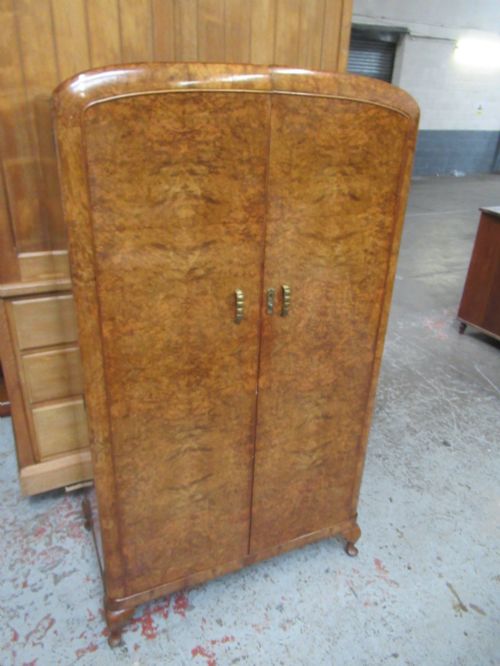
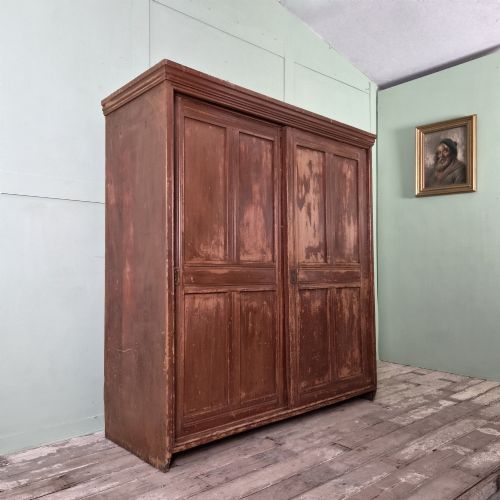
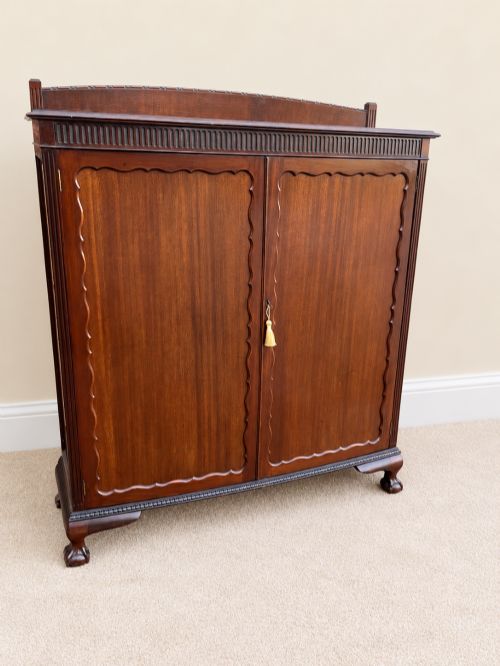
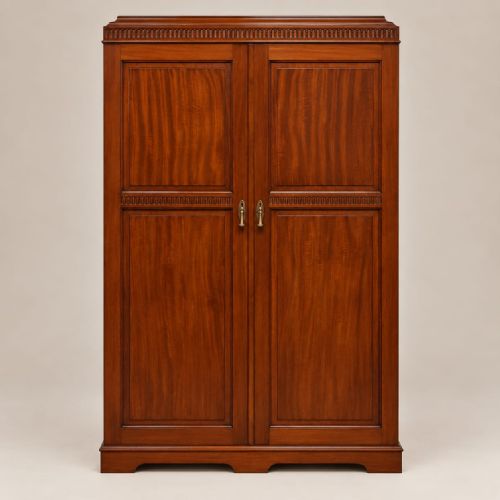
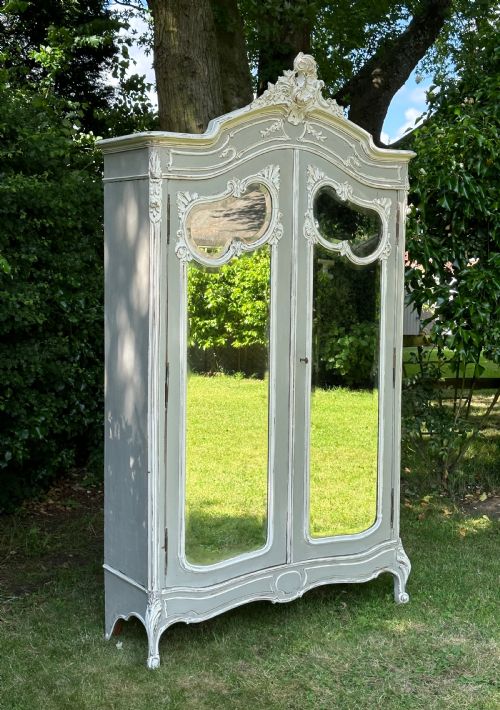
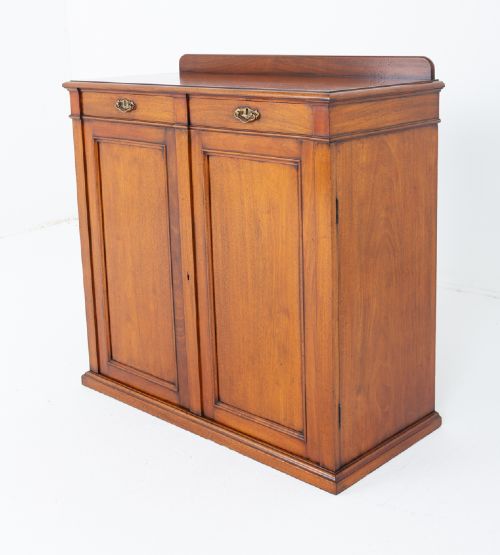
Vintage double doors present themselves most frequently as the paired panelled or glazed portals of wardrobes, armoires, and linen presses. These pieces span periods from the Victorian and Edwardian eras through to Art Deco designs of the 1930s.
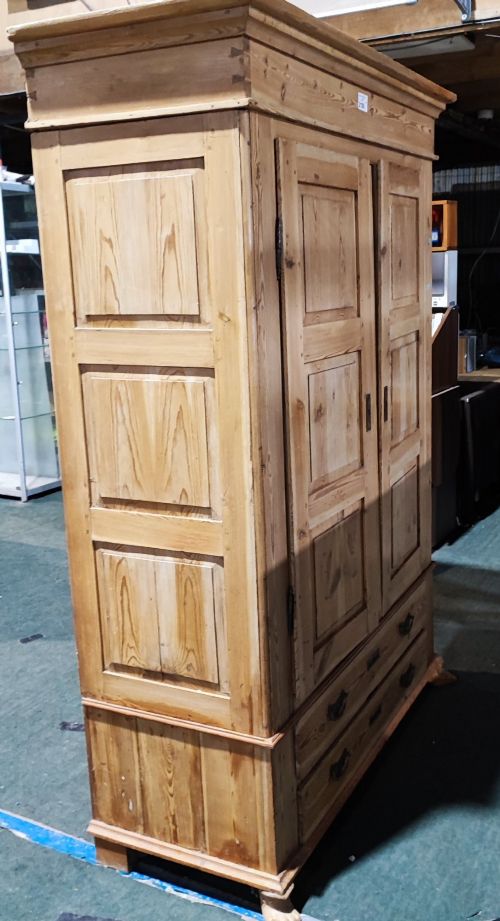
The selection here encompasses large country house pieces in flame mahogany alongside knockdown pine cupboards designed for simpler assembly. Buyers encounter French provincial armoires, Georgian style cabinets, and compactum wardrobes sharing the same dual-door format.
Originating from English workshops and French ateliers, these items serve primarily for bedroom and library storage. The emphasis rests squarely on architectural presence and timber figure across two opening leaves.
How they were made
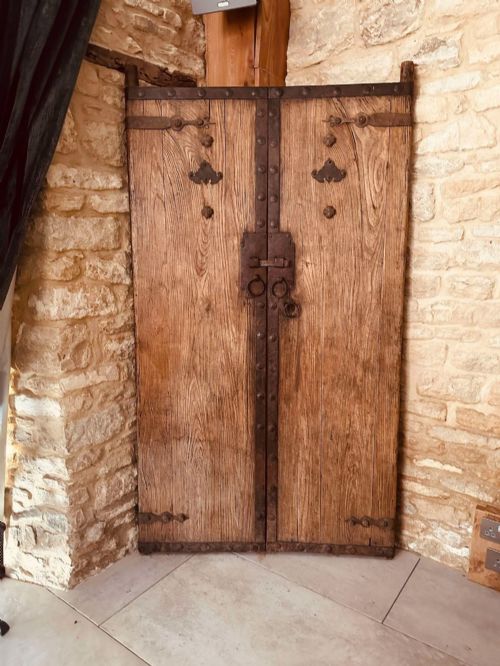
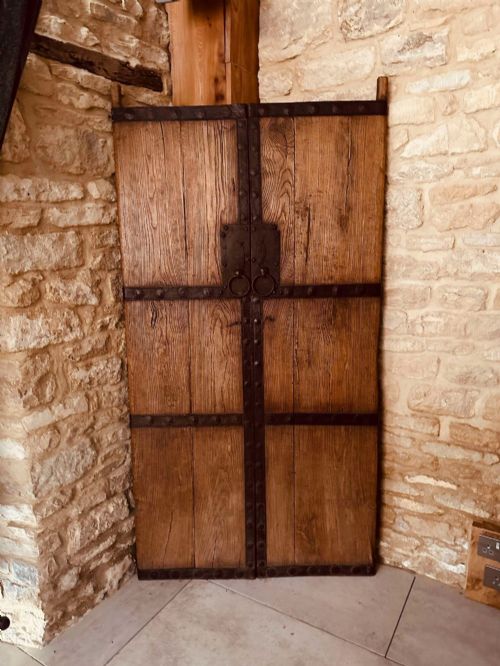
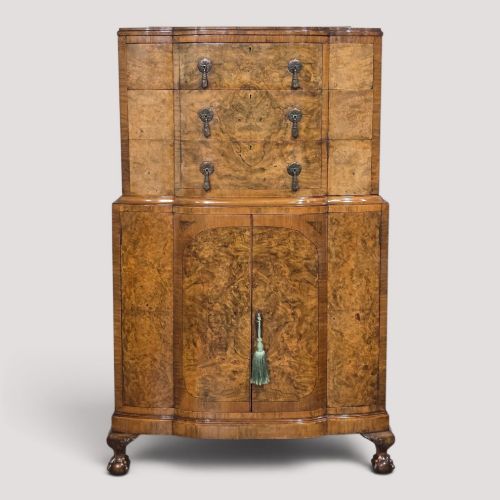
Construction relies heavily on traditional cabinet-making timbers, chiefly mahogany, oak, walnut, and pine, often enhanced by burr walnut and flame mahogany veneers. Iron and brass provide the hinges, lock plates, and handles necessary to support heavy swinging panels.
Glass panels appear in bookcase and vitrine doors, while scumble paintwork and wax finishes treat the pine surfaces of regional cupboards. Carving, bowfront shaping, and fitted interiors distinguish the more ambitious pieces from simpler knockdown carcases.
Vintage Double Doors Retail Price Guide 2026
Typical asking prices for vintage double doors among the pieces listed under this phrase on Sellingantiques today, from the lower quarter to the upper quarter. They describe what is for sale here now, not the wider market.
Early knockdown wardrobes allowed Victorian owners to easily move massive bedroom furniture through narrow staircases.
What varies in quality
Quality separates along the lines of timber selection and the precision of joinery, particularly in how the twin doors meet and hang true over time. Figured veneers like burr walnut and flame mahogany demand superior craftsmanship to apply and preserve across large expanses.
The presence of original fitted interiors, working locks with keys, and sound structural timber elevates a piece above standard utility items. French polish or period scumble paint finishes that survive in clean condition indicate careful historical maintenance.
Crown Furniture·Harris Lebus
The Vintage Double Doors Glossary
- Armoire
- A tall double-door cupboard or wardrobe, typically of continental European origin. These pieces often feature deep proportions and ornate carved details.
- Compactum
- A fitted wardrobe containing internal drawers, sliding trays, and hanging space combined into a single piece of furniture. This design maximises storage efficiency within a room.
- Knockdown
- Furniture constructed to be dismantled into flat sections for ease of transport and relocation. This clever engineering allowed large bedroom pieces to move between properties.
- Linen Press
- A tall piece with upper doors enclosing sliding trays or shelves, surmounting a base of deeper drawers. Linen presses were traditionally used for storing freshly laundered household textiles flat.
- Scumble
- A decorative paint technique applied to imitate the grain of finer woods like oak. Artisans worked translucent glazes over a lighter base coat to create artificial figuring.
Vintage Double Doors: Frequently Asked Questions
How do I assemble a knockdown wardrobe?
Knockdown wardrobes utilise interlocking timber tenons, bolts, or simple peg systems to secure the cornice, base, and side panels together without permanent glue. Keeping the original numbered or matching components aligned ensures the frame squares up correctly.
Once the main carcase stands plumb on level flooring, the double doors hang true upon their original butt hinges. Assistance proves essential during assembly to support the heavy weight of the panels.
What is a compactum wardrobe?
A compactum combines hanging space, linen slides, and internal drawers within a single unified cabinet behind two main doors. This format became popular in the late nineteenth and early twentieth centuries for efficient bedroom organisation.
The clever internal partitioning allows garments, hats, and folded textiles to share one footprint. Buyers appreciate the comprehensive fitted interiors that many standard wardrobes lack.
How do I care for antique mahogany?
Antique mahogany benefits from regular dusting with a soft, dry cloth and occasional feeding with traditional beeswax to nourish the timber grain. Avoiding direct sunlight prevents the rich red-brown polish from fading unevenly over the large expanse of the doors.
Excessive heat and dampness cause timber to warp, which stops doors from closing flush against the frame. Maintaining stable room humidity keeps the wood stable and preserves the original hinges.
Can I paint a pine cupboard?
Many nineteenth-century pine cupboards arrive in raw timber or historic wax finishes suited for repainting or waxing to personal taste. Preparing the surface by cleaning away old wax ensures modern paints adhere evenly to the pine.
Applying traditional mineral paints or chalk finishes allows these versatile storage pieces to blend into contemporary interiors. The sturdy softwood construction accepts decorative treatment readily.