



Vintage Double Chair
A vintage double chair provides a sociable seating arrangement, drawing on centuries of settee and conversation seat design.
Vintage Double Chair
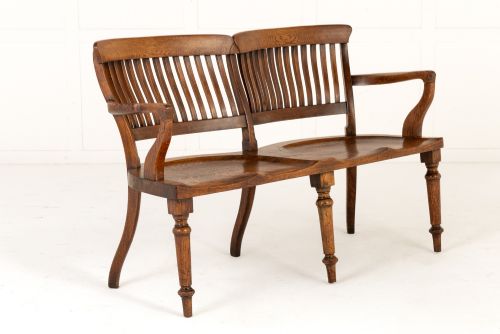
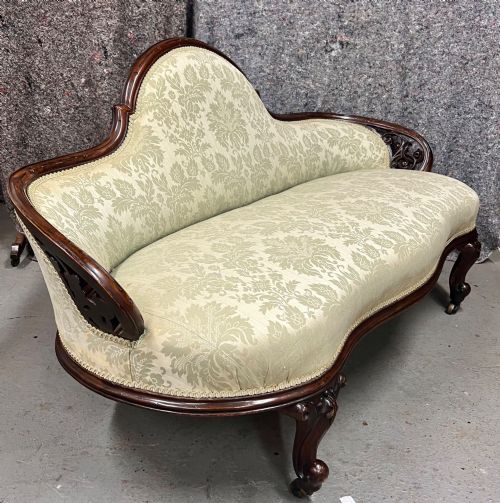
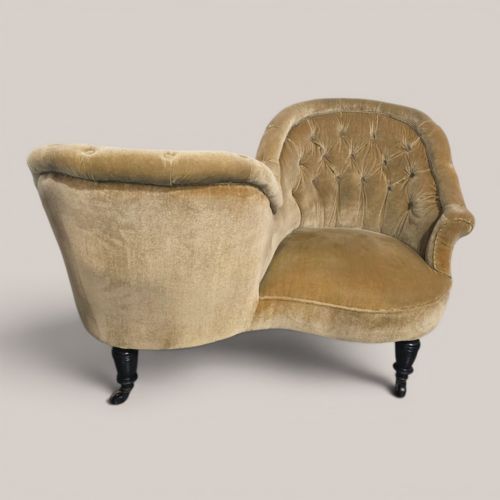
A vintage double chair encompasses nineteenth-century settee forms, two-seater sofas, and double chair-back settees designed for shared seating. These pieces range from Victorian conversation seats and Louis XVI revival walnut caned settees to Edwardian two-seater sofas and Chinese blonde wood benches.
Buyers browsing this selection encounter various configurations, including nineteenth-century English oak double chair-back settees and carved mahogany framed settees. The offerings span multiple decades, from eighteenth-century corner chairs up to early twentieth-century examples.
Origin and period heavily dictate the character of each piece, drawing on English country, Victorian, Arts and Crafts, and Georgian revival styles. Many pieces combine structural timber frames with upholstered seating or exposed cane panels.
How they were made
Makers utilised solid hardwoods including mahogany, walnut, oak, elm, and unspecified blonde woods to construct the primary frames of these double seats. Joinery techniques and wood turning supported the structural integrity of double chair-backs and bench supports.
Upholstery and decorative detailing involved traditional fabrics such as damask and ticking, alongside brass hardware elements. Caning appeared on specific revival frames, while intricate carving defined the mahogany and walnut frameworks of Victorian and revival pieces.
Vintage Double Chair Retail Price Guide 2026
Typical asking prices for vintage double chair among the pieces listed under this phrase on Sellingantiques today, from the lower quarter to the upper quarter. They describe what is for sale here now, not the wider market.
What varies in quality
The refinement of the timber carving and the precision of the joinery set higher-tier examples apart from simpler utilitarian seating. Detailed inlay work in satinwood and the complexity of revival styling distinguish more ambitious cabinet-maker output from plain vernacular forms.
The preservation of original materials, whether cane panels, turned double stretchers, or structural framing timbers, determines the overall integrity of the piece. Superior proportions and balanced double seating layouts reflect deliberate design hierarchy in period workshop production.
Howard And Sons
The Vintage Double Chair Glossary
- Double chair-back
- A settee design featuring two conjoined chair backs sharing a single integrated seat frame. This form often appears in eighteenth-century and nineteenth-century dining or parlour seating.
- Conversation seat
- An upholstered seat configuration designed to allow two occupants to sit facing opposite directions while conversing. These circular or S-shaped forms were popular during the Victorian era.
- Caned
- A seating panel woven from split rattan or cane strips, frequently utilised in lightweight revival frames. This technique provides flexible support within open wooden frameworks.
- Stretcher
- A horizontal timber brace connecting the legs of a chair or settee to increase stability. Double stretchers provide additional structural reinforcement in vernacular kitchen and dining seating.
Vintage Double Chair: Frequently Asked Questions
What is a double chair-back settee?
A double chair-back settee combines two distinct chair backrests above a single unified bench seat. These pieces borrow the back designs of single dining or parlour chairs.
They appeared frequently in English furniture production throughout the eighteenth and nineteenth centuries as an alternative to fully upholstered sofas.
How do conversation seats work?
Conversation seats are built to let two people sit together while facing opposite directions in an S-shape or circular layout. This arrangement allows occupants to talk easily without turning their heads.
Victorian makers favoured this form for drawing rooms and receiving parlours where social interaction took priority.
What woods were used for these frames?
Makers constructed frames from dense hardwoods such as mahogany, walnut, oak, and elm, alongside lighter exotic timbers. Regional pieces often utilised native hardwoods like oak and elm for domestic durability.
Revival and high-status pieces relied on mahogany and walnut to support intricate carving and contrasting satinwood inlay.
How do I identify a revival style?
Revival pieces appropriate decorative motifs from earlier eras, such as eighteenth-century Chippendale or Hepplewhite designs, executed with nineteenth-century or Edwardian manufacturing methods. Cabinet makers during the Victorian period frequently revived Louis XVI and Georgian aesthetics.
Examining the secondary woods and construction marks helps separate these later interpretations from genuine period pieces.