


Vintage Double Cabinet
A vintage double cabinet offers substantial dual-door storage, spanning eras from Georgian craftsmanship to Art Deco walnut forms.
Vintage Double Cabinet
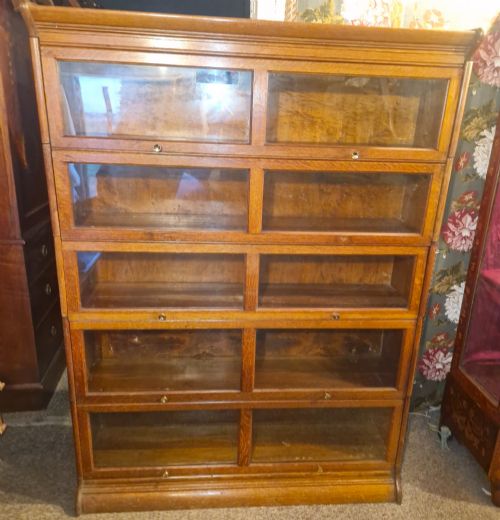
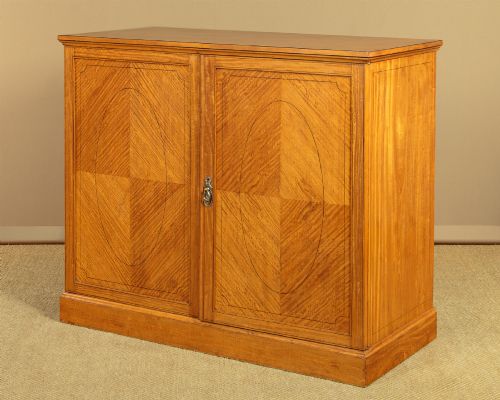
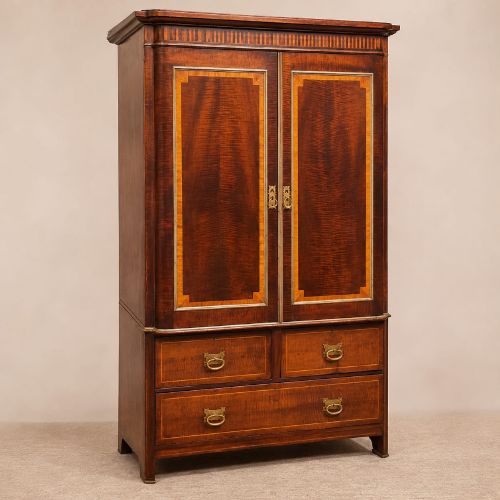
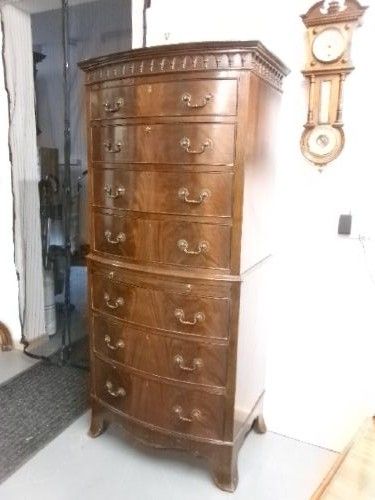
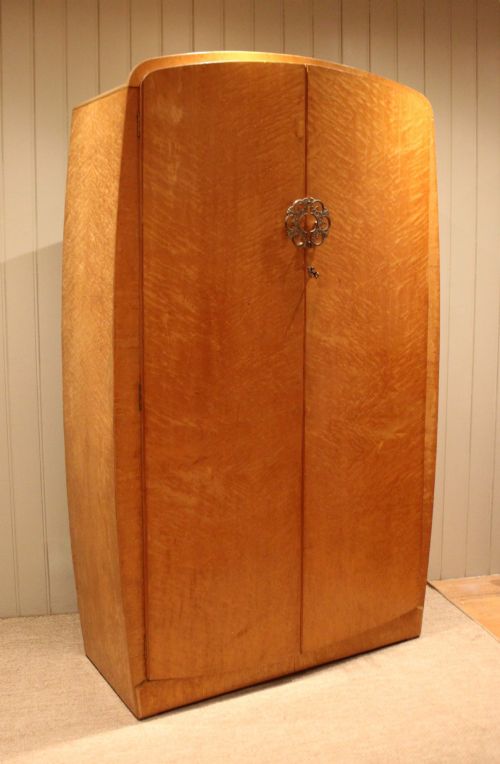
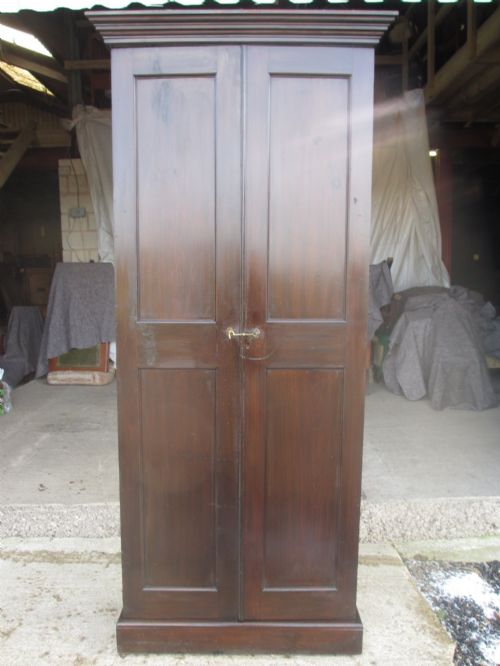
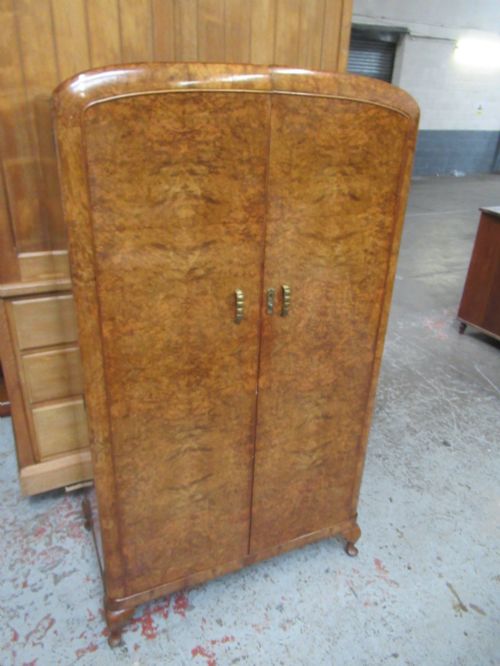
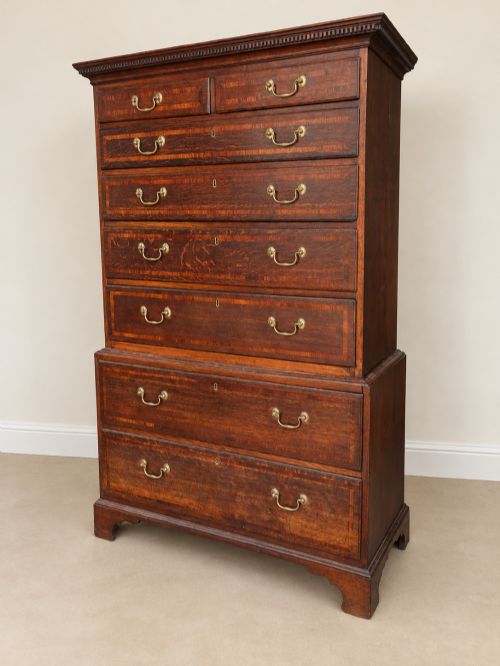
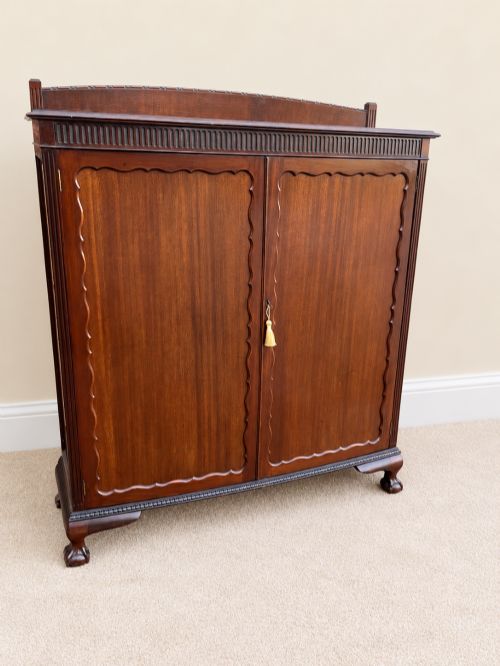
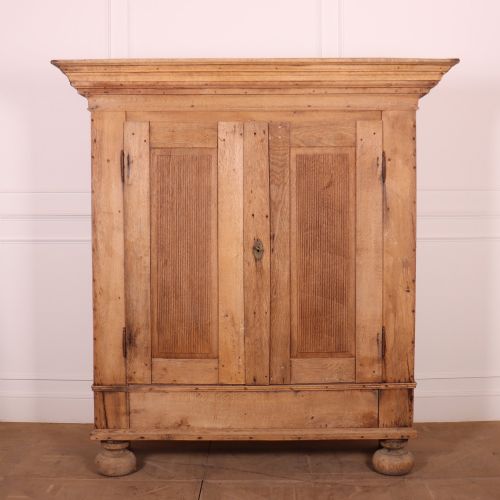
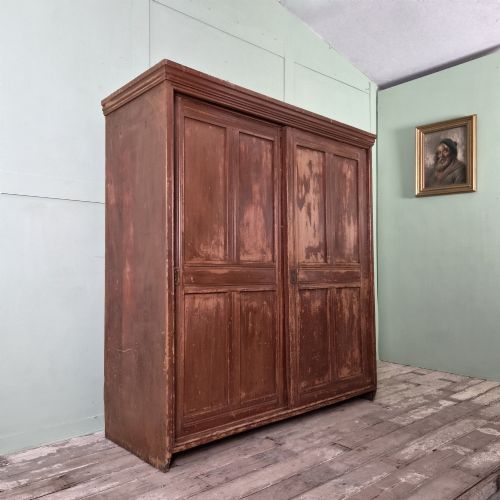
A vintage double cabinet encompasses large two-door storage furniture, including wardrobes, linen presses, bookcases, and side cabinets found on this page. These pieces serve practical storage needs while anchoring a room with period presence.
The selections span centuries, incorporating Georgian and Victorian forms alongside Edwardian designs and 1930s Art Deco pieces. Buyers meet numerous wardrobe and linen press variations constructed from traditional timbers.
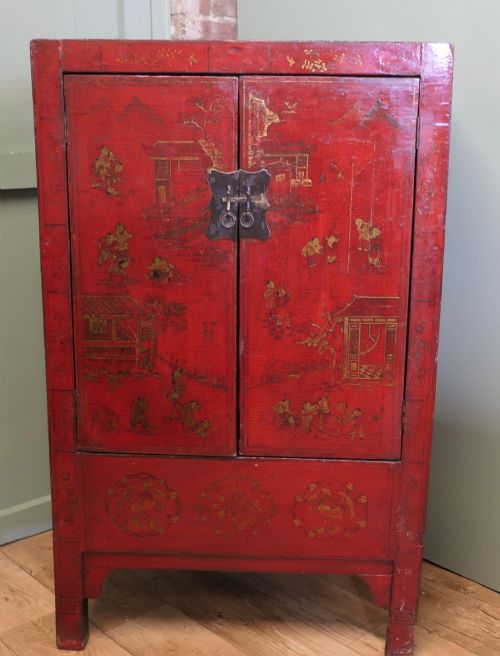
Origins range across British workshops, French provincial origins, and traditional Chinese red lacquered wedding pieces. Each style brings distinct architectural proportions and historical detail to domestic interiors.
Materials and Construction
Construction relies heavily on dense hardwoods like mahogany, oak, and walnut, often enhanced by burr walnut veneers. Pine and metal appear in functional framing, shelving, and hardware components.
Surface finishes involve traditional polishing, wax treatments, and detailed hand-carving. Specialised examples display red lacquerwork and painted Chinoiserie decoration.
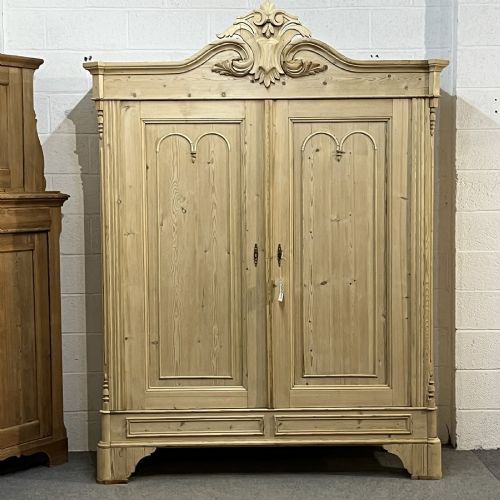
Many large items, particularly pine wardrobes, utilise knockdown construction to allow disassembly during transport.
Vintage Double Cabinet Retail Price Guide 2026
Typical asking prices for vintage double cabinet among the pieces listed under this phrase on Sellingantiques today, from the lower quarter to the upper quarter. They describe what is for sale here now, not the wider market.
The furniture range extends from British library bookcases and linen presses to French armoires and Chinese wedding cabinets.
Evaluating Quality
Quality differentiates through the selection of timber veneers, such as finely figured burr walnut against plain utility woods. Grain matching across double doors indicates superior cabinet-making standards.
The refinement of internal fittings, including original sliding trays in linen presses and fitted wardrobe compartments, elevates a piece. Structural integrity in heavy doors and functional brass hardware complete the assessment.
Crown Furniture·Waring & Gillow
The Vintage Double Cabinet Glossary
- Linen press
- A tall storage piece combining upper cupboard doors with lower drawers, originally intended for folded textiles. These items provide deep internal shelving.
- Chest on chest
- A tall case furniture form stacking one chest of drawers directly on top of another. Georgian and later iterations offer massive vertical storage.
- Armoire
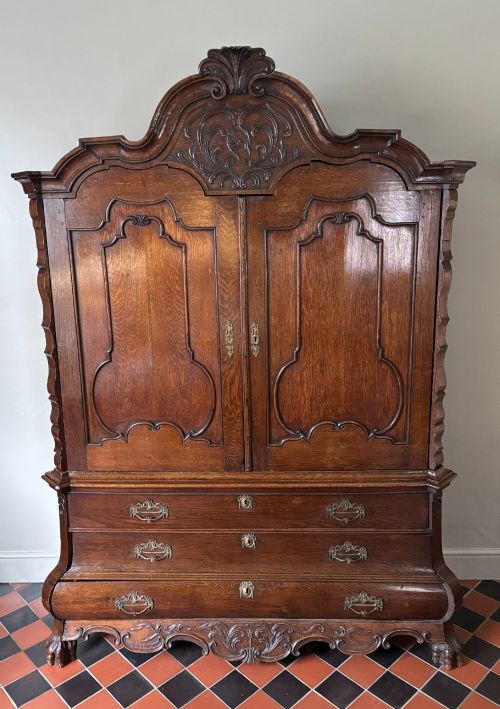
- A large freestanding wardrobe featuring two doors, rooted in continental European tradition. French and Dutch examples frequently display substantial proportions and carved panels.
- Chiffonier
- A compact sideboard or side cabinet developed in the nineteenth century. These items often feature enclosed lower cupboards beneath a surface or tier.
- Vitrine
- A glass-fronted display cabinet designed for books or decorative objects. These pieces utilise glazed double doors to protect contents while maintaining visibility.
Vintage Double Cabinet: Frequently Asked Questions
What is a double cabinet used for?
These pieces provide substantial enclosed storage capacity for clothing, linens, books, or household goods behind dual doors.
Depending on the specific internal fittings, they adapt easily to modern wardrobes, bedroom linen stores, or living room display units.
How do I date a vintage cabinet?
Dating relies on identifying characteristic period styles, such as Georgian proportions, Victorian mahogany richness, or 1930s Art Deco geometric lines.
Timber choice and construction methods, including dovetailing and backboard panels, offer further clues to the decade of manufacture.
Will a large wardrobe fit in my home?
Many large nineteenth-century and Edwardian wardrobes feature knockdown construction designed to dismantle into manageable sections for transport and assembly.
Checking overall dimensions and confirming whether a piece disassembles ensures safe installation in rooms with restricted access.
How do I care for antique timber?
Maintain wood finishes by applying appropriate natural waxes and avoiding placement near direct heat sources or strong sunlight.
Regular gentle dusting preserves the polished surface and protects decorative veneers from drying out over time.