






Vintage Display Form
A vintage display form brings workshop utility into the home, offering structural presence through turned wood and industrial metal shaped for millinery and tailoring.
Vintage Display Form
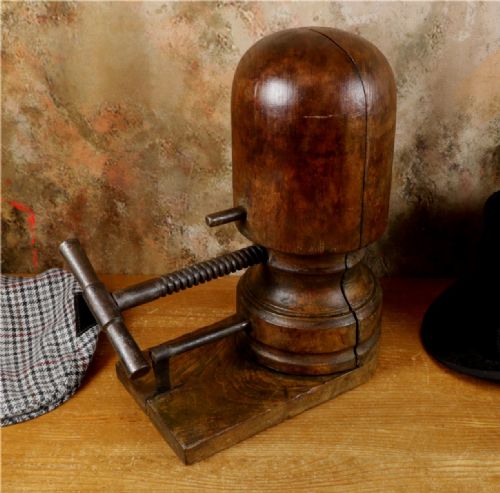
When you search for a vintage display form, you encounter functional studio equipment originally designed for shaping hats, gloves, and garments. These objects span the nineteenth century through the 1930s, shifting from traditional timber workshop tools to early industrial aluminium moulds.
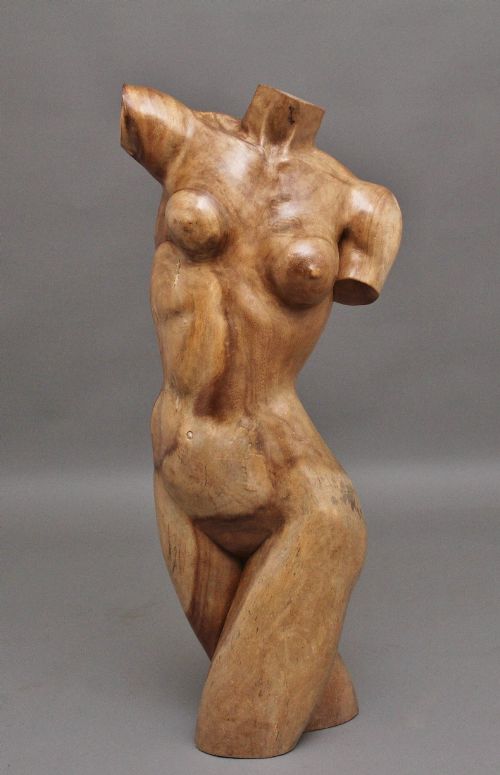
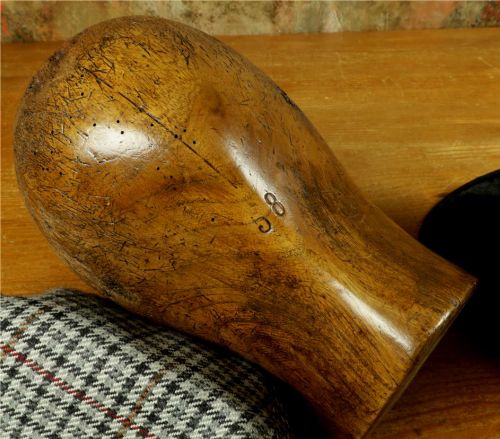
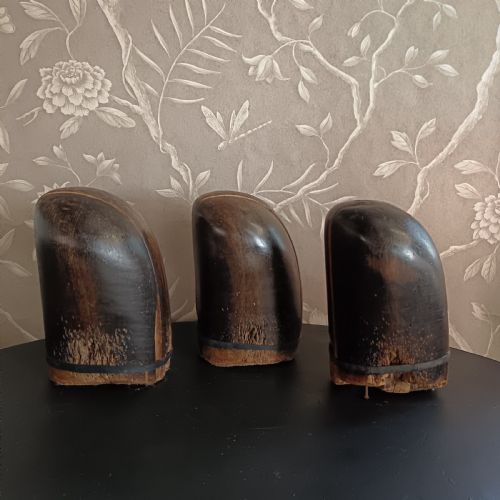
The most common examples on this page are millinery blocks, hat stretchers, and tailors' mannequins. They take the form of carved wooden heads, sectional fruitwood blocks, and cloth-covered male figures originating from French, British, and Japanese workshops.
Beyond practical millinery equipment, the category includes related display items such as mahogany etageres and porcelain dishes shaped like leaves. These diverse objects share a sculptural quality derived from their original utilitarian purpose in trade and display.
Materials and construction
Makers shaped these pieces from dense timbers including beech, fruitwood, oak, walnut, and mahogany, often turning them on a lathe to achieve precise cranial and bodily contours. Woodworkers joined sections carefully to withstand the pressure of stretching felt and straw hats over decades of workshop use.
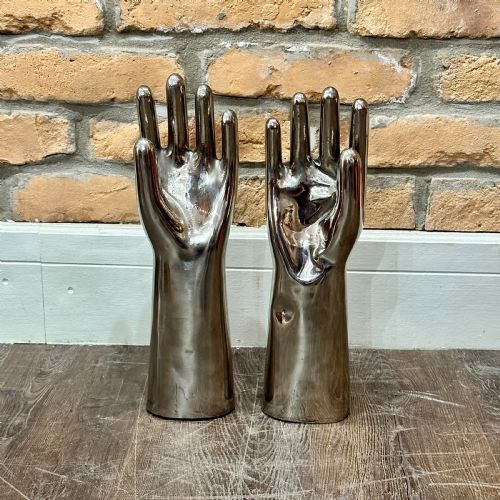
Later twentieth-century examples introduce cast iron, iron, and aluminium into the category. These metal moulds utilised industrial casting techniques to create durable, hollow forms for millinery and glove production.
Vintage Display Form Retail Price Guide 2026
Typical asking prices for vintage display form among the pieces listed under this phrase on Sellingantiques today, from the lower quarter to the upper quarter. They describe what is for sale here now, not the wider market.
Several military bearskin caps owe their intimidating height to specialised wooden blocks built just for the British guards.
Distinctions in quality
Original surface patination separates superior examples from heavily restored ones. Retaining the accumulated wax, dye traces, and tool marks of the hatting trade marks a piece with genuine workshop history.
The Vintage Display Form Glossary
- Hat block
- A solid wooden form used by milliners to shape and dry hats. These are typically carved from beech or fruitwood in distinct sections.
- Milliner's stretcher
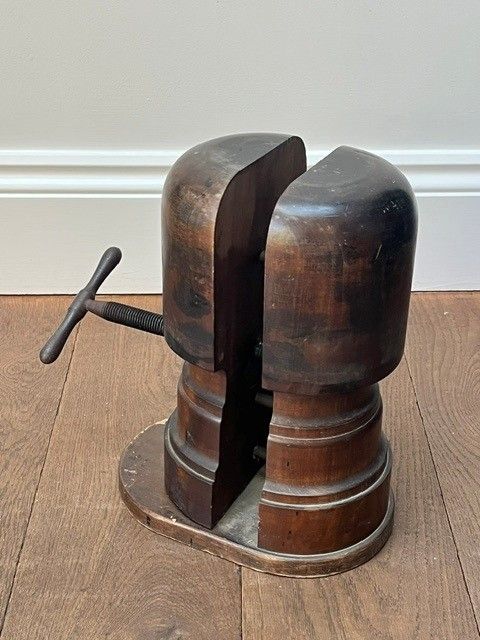
- A mechanical wooden tool inserted into a hat band and expanded via a screw mechanism to increase the hat size. They feature segmented wooden fingers.
- Mannequin
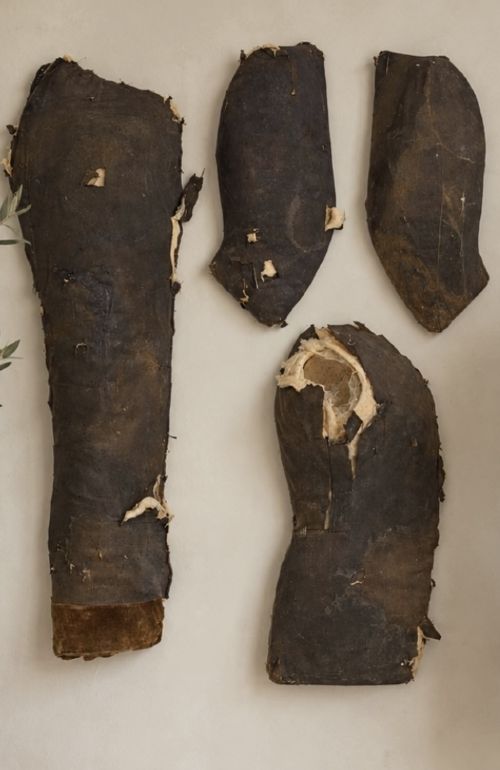
- A full or partial human figure used for fitting and displaying garments. Cloth-covered versions over iron frames appear in early twentieth-century workshops.
- Etagere
- A set of open shelves for displaying small objects or ornaments. Regency examples utilise tapering forms in mahogany.
- Imari
- A style of Japanese porcelain decorated in underglaze blue and iron red with supplementary gold. Dishes in this style take decorative leaf forms.
Vintage Display Form: Frequently Asked Questions
What is a millinery block?
A millinery block is a solid wooden carving shaped like a human head or crown over which hatters wet and press felt or straw.
These heavy wooden forms were essential tools in hat production, allowing artisans to create precise curves and fits.
How were aluminium moulds used?
Aluminium moulds served as lightweight, durable alternatives to wood for shaping millinery and gloves during the early twentieth century.
Metal workshops cast these hollow forms to resist moisture and the repeated pressure of commercial hat manufacturing.
Can I use hat stretchers functionally?
Vintage hat stretchers operate on mechanical screw principles that still allow them to adjust the interior circumference of hats.
Careful turning expands the wooden segments, though many collectors prefer to exhibit them as sculptural objects.
How do I date a mannequin?
Dating relies on the materials, construction methods, and textile coverings used in the torso. Nineteenth-century examples typically feature simpler wooden or papier-mache builds, while 1920s pieces introduce cloth-covered canvas over rigid internal structures.