




Vintage Display Bottles
These vintage display bottles bring practical utility and character to an interior, offering a glimpse into nineteenth and twentieth century commerce and craft.
Vintage Display Bottles
When you search for vintage display bottles, you encounter an assortment of vessels originally made for chemists, shop windows, and domestic settings during the nineteenth and twentieth centuries. These objects range from massive apothecary carboys and jars to delicate perfume bottles and maritime folk art pieces.
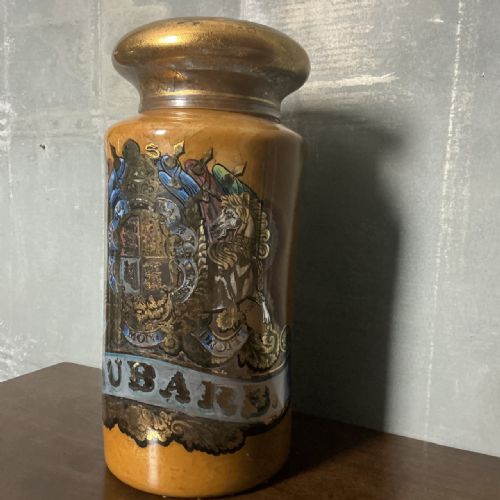
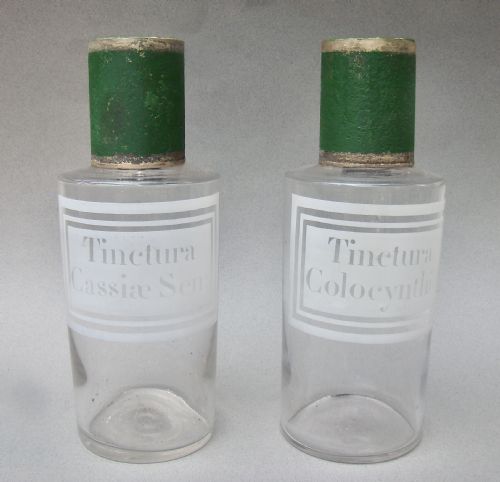
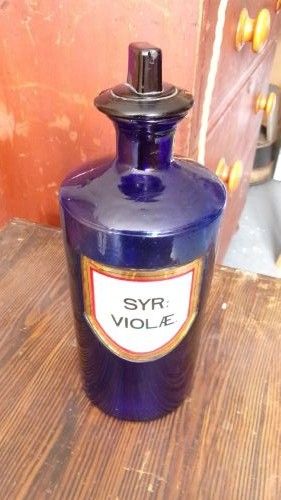
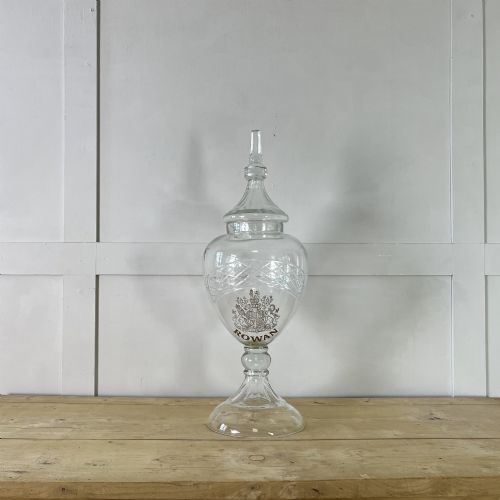
The most common versions met on this page are apothecary jars and carboys originating from the Victorian and Edwardian eras. Such pieces often retain their original stoppers, labels, or etched glass detailing designed to attract the attention of customers in a high street shop.
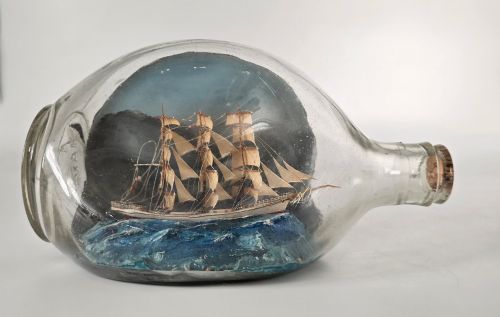
Beyond pharmacy wares, the selection embraces decorative items such as ships in bottles and crystal decanters housed in tantaluses. These diverse forms share a common purpose of visual presentation, whether intended for a merchant's window or a Victorian sideboard.
Materials and construction
Glass is the dominant material across the collection, shaped into heavy-walled jars, blown carboys, and pressed decanters. Makers utilised techniques including cutting, etching, and enamel painting to finish the surfaces.
Wood, metal, paper, and thread appear primarily in folk art maritime pieces, where makers constructed detailed model sailing ships inside glass vessels. Gold leaf and paint also feature on display pieces to highlight lettering and decorative motifs.
Vintage Display Bottles Retail Price Guide 2026
Typical asking prices for vintage display bottles among the pieces listed under this phrase on Sellingantiques today, from the lower quarter to the upper quarter. They describe what is for sale here now, not the wider market.
Listings span the nineteenth and twentieth centuries, encompassing Victorian, Edwardian, and Meiji period items made from glass, wood, and metal.
Assessing quality and merit
Quality in these items rests upon the clarity and weight of the glass, the presence of original components such as stoppers or covers, and the crispness of any cut or etched decoration. Heavier carboys and deeply cut Edwardian jars stand apart from simpler utilitarian vessels through their substantial manufacture.
In folk art examples, the intricacy of the internal rigging and the condition of the wooden components determine the merit of the piece. Well-preserved labels, original silver mounts, and untouched surfaces elevate individual items within their respective categories.
The Vintage Display Bottles Glossary
- Carboy
- A large glass bottle with a narrow neck, traditionally used in laboratories and chemists' shops for storing liquids or displaying coloured water in windows.
- Tantalus
- A decorative wooden frame holding decanters securely under a locking metal bar, designed to prevent unauthorized access to the contents.
- Apothecary jar
- A vessel made to hold medicinal drugs, herbs, or chemicals, frequently featuring painted labels or ground glass stoppers.
- Cloisonné
- A technique where enamel is applied to compartments created by soldering metal wires to a metal base.
- Maritime folk art
- Handmade objects created by sailors or coastal craftspeople, often depicting ships and nautical scenes using accessible materials.
Vintage Display Bottles: Frequently Asked Questions
What were apothecary carboys used for?
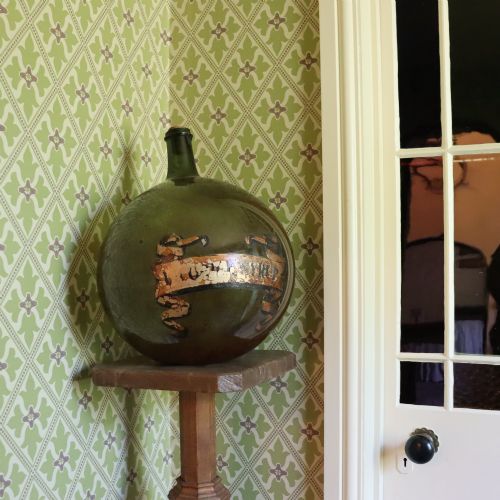
Apothecary carboys stood in chemist shop windows filled with brightly coloured liquids to signal the profession to passersby. They also served as bulk storage vessels for ingredients in the dispensary.
Over time, these large glass containers transitioned from working shop equipment into decorative items valued for their scale and coloured glass.
How do I care for antique glass display bottles?
Antique glass benefits from gentle cleaning with lukewarm water and a soft cloth to avoid scratching fragile surfaces or historic labels. Harsh chemicals and abrasive sponges can damage old glass and painted details.
Display the bottles away from direct sunlight and sudden temperature shifts to protect the material and any accompanying paper components.
Are ships in bottles difficult to make?
Makers construct ships in bottles by collapsing the masts of the model so they pass through the narrow neck of the bottle. Once inside, pull strings attached to the rigging raise the masts into position.
This technique requires patience and dexterity, resulting in intricate folk art objects that often depict specific sailing vessels.
How do I identify Victorian glass?
Victorian glass often displays deep colours, substantial weight, and hand-finished pontil marks on the base where the vessel was detached from the blowpipe. Etched or cut patterns from this period tend to show manual irregularity rather than uniform machine work.
Matching the form and style to known nineteenth-century manufacturing techniques helps confirm the period of origin.