


Vintage Diamond Bridge Ring
A vintage diamond bridge ring sits low on the finger, combining sparkling stones with coloured gems in classic Edwardian, Victorian, and Art Deco designs.
Vintage Diamond Bridge Ring
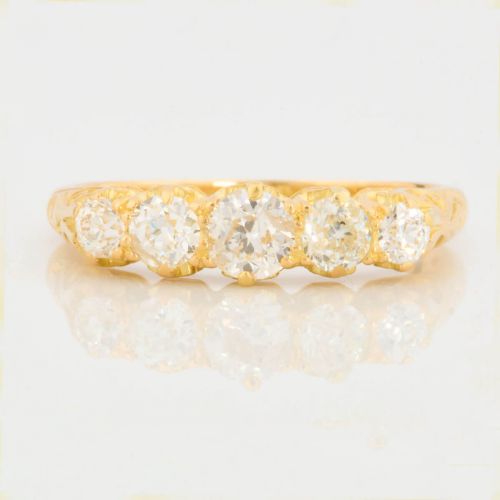
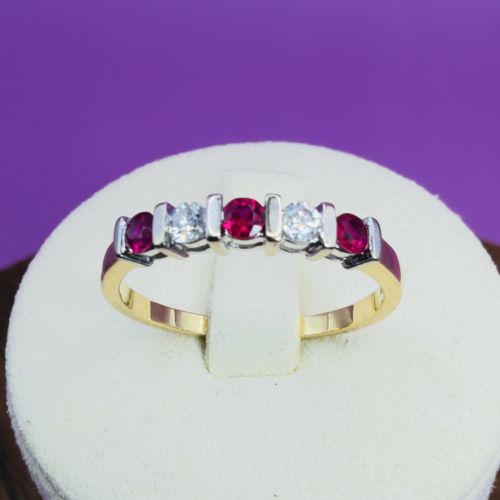
A vintage diamond bridge ring is a sophisticated piece of jewellery designed to sit flat and comfortable on the hand, often featuring a row of stones or a boat-shaped setting. When you search for a vintage diamond bridge ring, you encounter elegant configurations such as five-stone bands, trilogy settings, and bateau styles that span the finger. These pieces bridge different eras of design, drawing on the refined aesthetics of the nineteenth and twentieth centuries.
Makers and jewellers of these periods favoured mounting these gem clusters in durable metals like eighteen carat yellow gold and platinum. The stones are typically arranged to maximise light capture while maintaining a low profile that catches the eye without snagging on clothing. This combination of structural grace and gemstone brilliance defines the appeal of every piece.
Materials and construction
Goldsmiths utilised eighteen carat yellow gold and platinum to construct the secure settings that hold each stone in place. Platinum gained popularity for its strength and bright finish, allowing for delicate claw and bezel settings, while yellow gold provided a warm contrast to the sparkling facets of the gems.
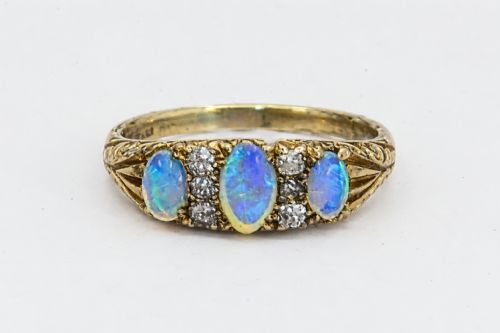
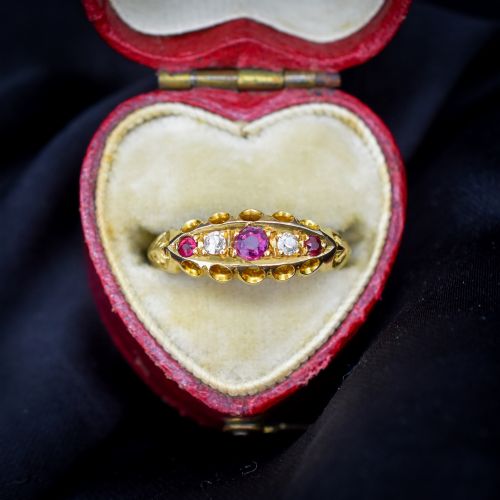
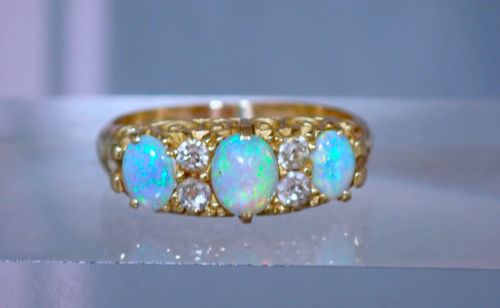
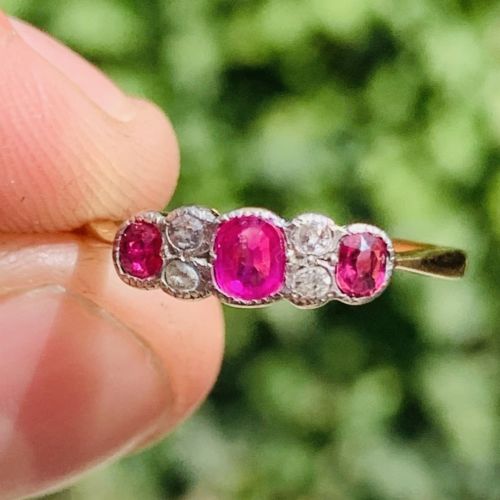
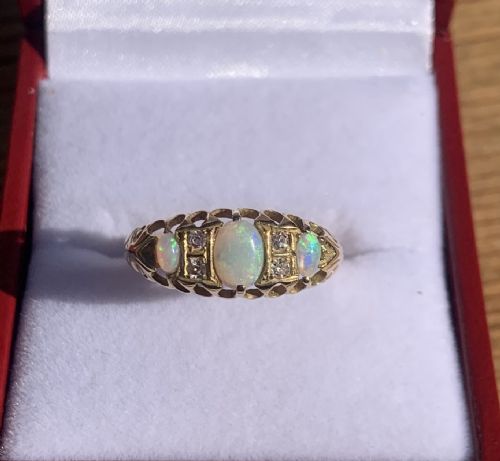
The gemstones themselves include old cut diamonds and rose cut diamonds, paired alongside natural rubies, sapphires, and opals. Craftsmen set these stones by hand into boat-shaped or linear arrangements, ensuring each gem sat flush or evenly aligned across the bridge of the finger.
Some Victorian bridge rings feature opals paired with diamonds, capturing the superstitious belief that the colourful play of light brought good fortune.
Factors that distinguish quality
The quality of a bridge ring depends heavily on the precision of the stone setting and the matching of the gems. Finer examples display evenly matched diamonds and vibrant, well-matched coloured stones such as rubies and sapphires that sit harmoniously within the metal framework.
Structural integrity and the preservation of original claw work or engraving also separate superior pieces from standard examples. Skilled hand-finishing by period artisans ensures that the metalwork remains robust yet refined, protecting the gems while presenting a seamless profile.
The Vintage Diamond Bridge Ring Glossary
- Old cut diamond
- A diamond cut by hand in the nineteenth or early twentieth century, characterised by a small table, high crown, and open culet. These stones possess a softer, romantic sparkle under candlelight compared to modern brilliant cuts.
- Boat ring
- A ring featuring a curved, boat-shaped setting that tapers towards the ends of the finger, historically known as a bateau or navette style. This configuration allows multiple stones to sit closely together in an elegant arc.
- Trilogy ring
- A ring set with three prominent stones, traditionally symbolising the past, present, and future. In bridge rings, these are often flanked by smaller accent stones.
- Platinum
- A dense, durable, and naturally white precious metal used extensively in Edwardian and Art Deco jewellery for secure, delicate settings. It does not tarnish and holds fine detail exceptionally well.
- Rose cut diamond
- An antique diamond cut featuring a flat base and a faceted dome that resembles an unopened rosebud. This cut imparts a subtle, glassy shimmer rather than intense fire.
Vintage Diamond Bridge Ring: Frequently Asked Questions
What is a bridge ring?
A bridge ring is a style of finger jewellery featuring a setting that spans the finger, often in a boat shape or a flat row. This design keeps the stones secure and close to the hand.
Such configurations were particularly favoured during the Victorian and Edwardian eras, offering both comfort and visual impact.
How do I style a vintage bridge ring?
These rings work well worn alone on the hand as a statement piece, or paired alongside simple plain bands. Their low profile makes them practical for daily wear.
When combining them with other rings, consider matching the metal tone, such as eighteen carat yellow gold or platinum, for a cohesive appearance.
How do I date a bridge ring?
Dating relies on examining the cut of the diamonds, the choice of metals, and any accompanying hallmarks. Old cut diamonds and platinum settings frequently point towards the Edwardian period or nineteen hundred.
Victorian pieces often utilise yellow gold and feature distinct boat-shaped or trilogy arrangements with rubies and sapphires.
Are these rings suitable for daily wear?
Most bridge rings are robustly constructed in metals like platinum and eighteen carat gold, making them durable for regular use. The low-profile setting protects the stones from accidental knocks.
Owners should nonetheless remove them during heavy manual tasks to preserve the delicate claw settings and softer gems like opals.
What stones are typically found in these rings?
Diamonds form the primary sparkle, often accompanied by vibrant coloured gems such as natural rubies, sapphires, and opals. These combinations reflect the colourful tastes of the Victorian and Edwardian periods.
Cut styles range from old cut diamonds to rose cut diamonds and calibré-cut side stones.