




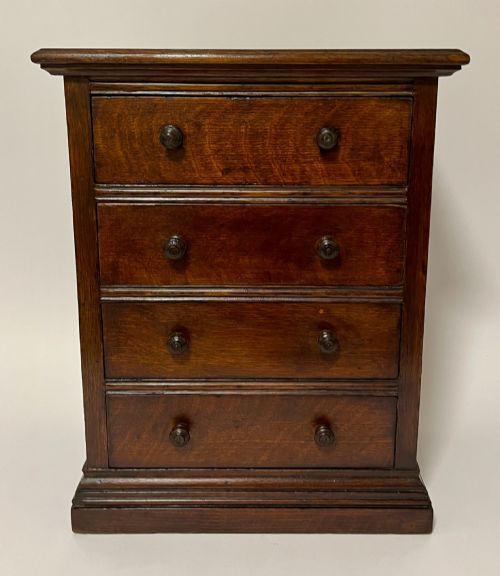
Vintage Desk with Cupboard
When you search for vintage desk with cupboard, you find practical workspaces combining drawers, shelves and enclosed storage from Georgian to Edwardian eras.
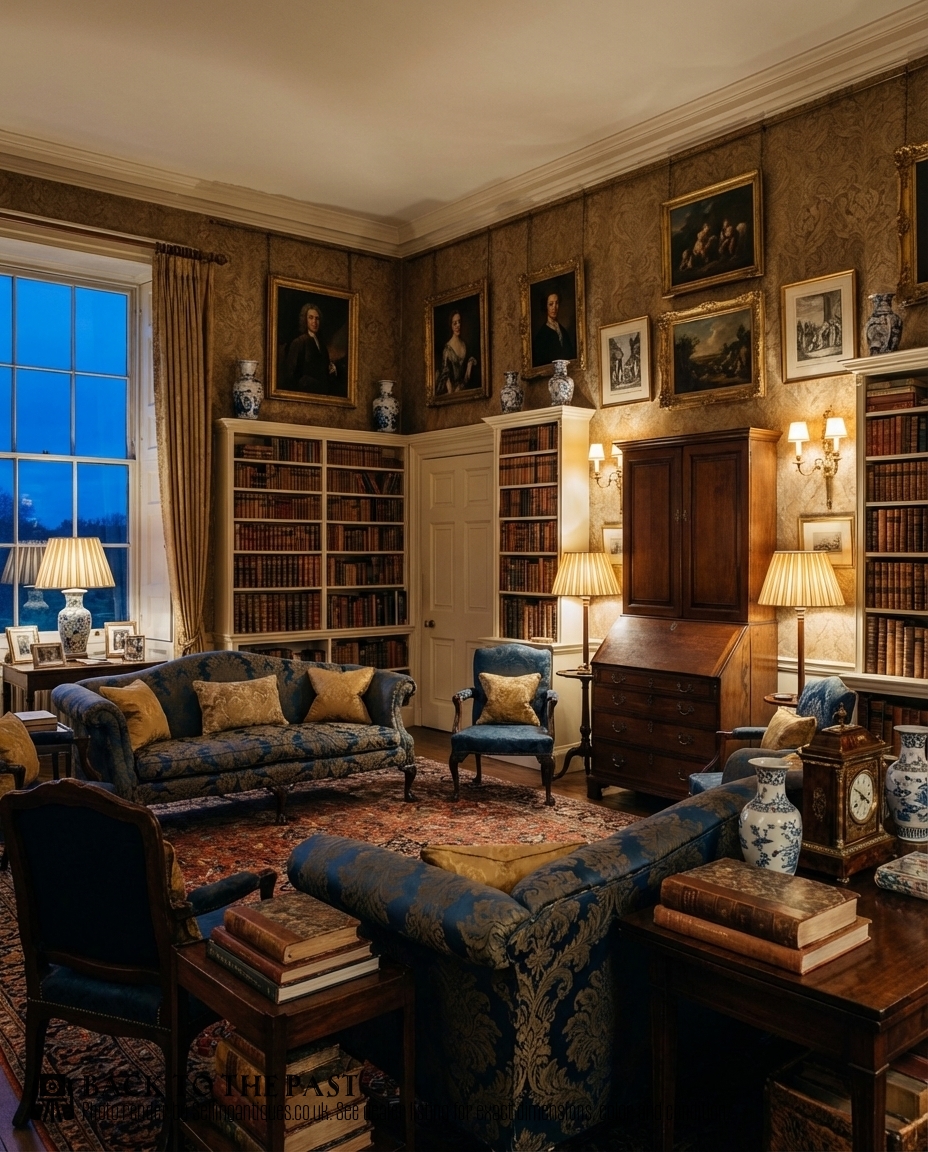
Vintage Desk with Cupboard
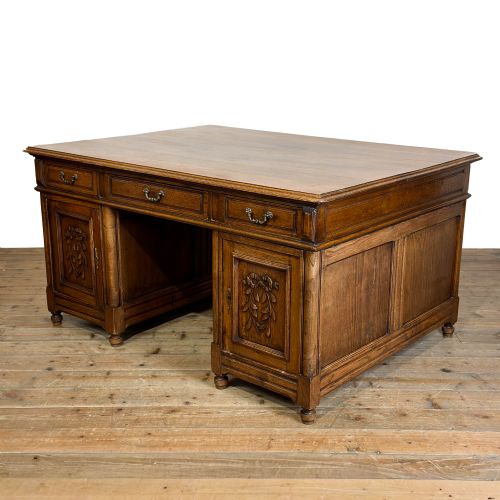
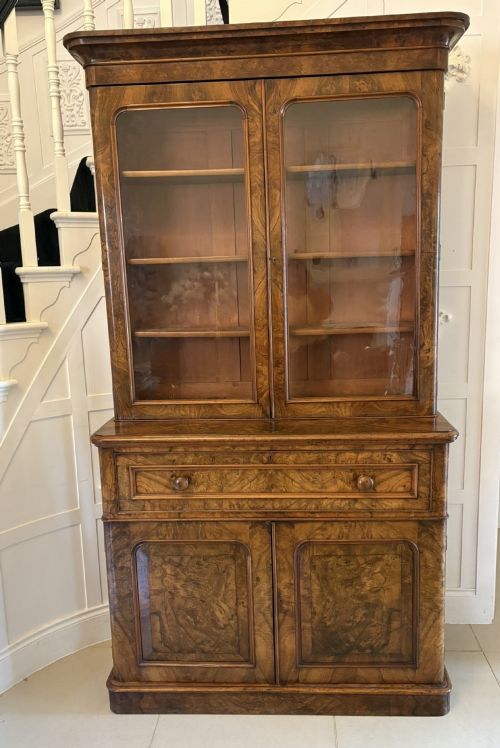
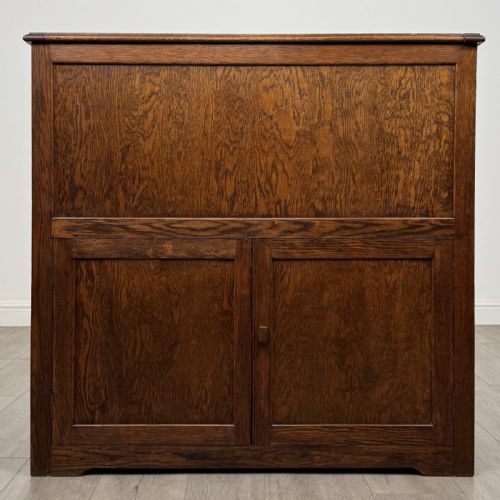
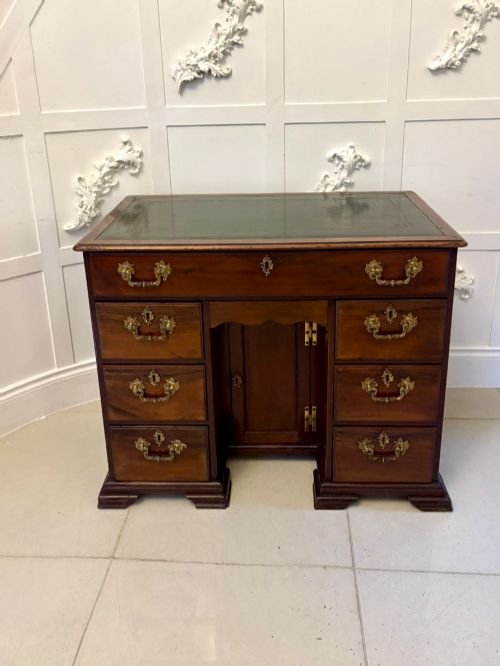
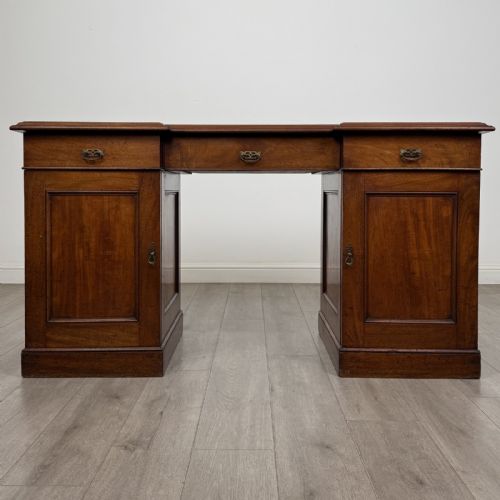
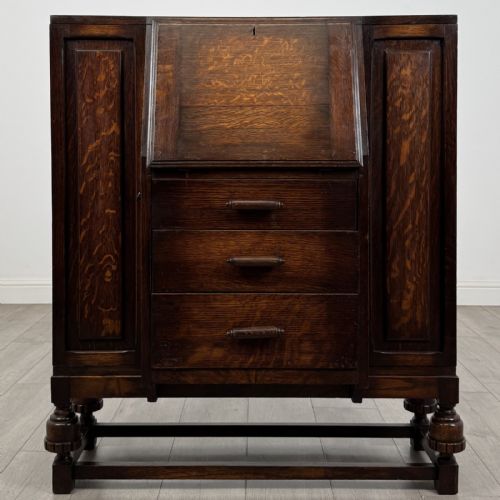
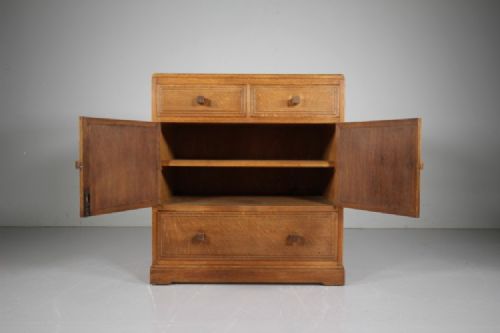
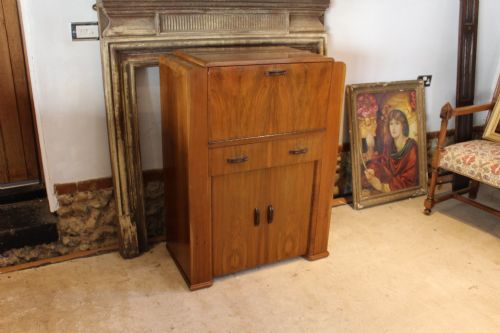
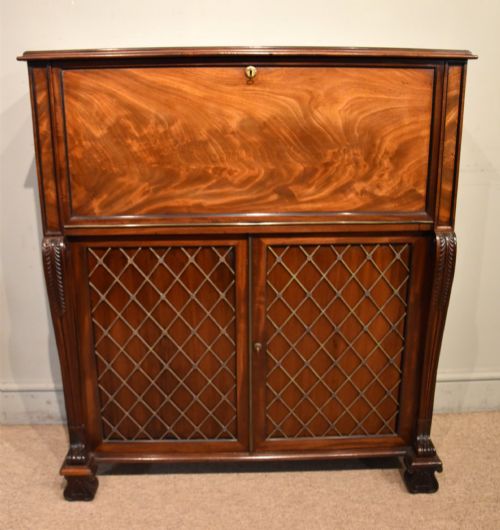
A vintage desk with cupboard encompasses various forms from simple oak bureaux and bureau bookcases to mahogany kneehole desks and pedestal desks. These pieces merge writing surfaces with concealed or glass-fronted storage, originating from periods such as the Georgian, Victorian, and Edwardian eras.
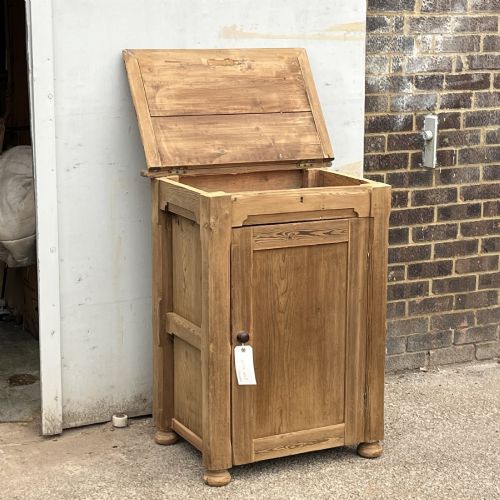
The selection ranges from compact tabletop cabinets and miniature chests to substantial pedestal configurations and bureau cabinets. Buyers encounter diverse regional origins and structural designs, including Jacobean Revival, Tudor Revival, and industrial interpretations.
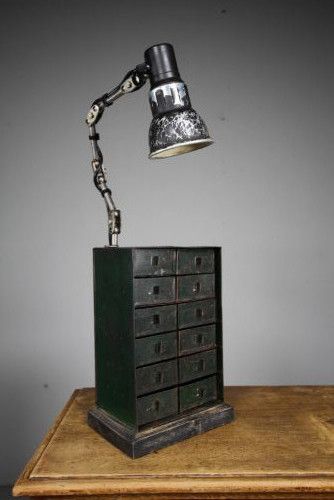
Many examples incorporate specialised compartments like linenfold panelling, gothic panel doors, or integrated lighting fixtures. The fundamental purpose remains providing a dedicated workstation alongside secure containment for documents and personal items.
Materials and Construction Techniques
Makers primarily utilised solid and veneered timbers such as mahogany, flame mahogany, and oak, often paired with secondary woods for internal drawer construction. Brass and iron hardware, including drop handles and key escutcheons, provide functional and decorative accents.
Surface treatments range from plain polished finishes to intricate carved details, linenfold motifs, and gothic panel doors. Glazed glass panels and leather writing inserts frequently appear on refined desk variations, reflecting the stylistic preferences of Georgian, Victorian, and Edwardian craftsmen.
Vintage Desk with Cupboard Retail Price Guide 2026
Typical asking prices for vintage desk with cupboard among the pieces listed under this phrase on Sellingantiques today, from the lower quarter to the upper quarter. They describe what is for sale here now, not the wider market.
Listings feature woods including mahogany, flame mahogany, and oak, alongside brass, iron, and glass hardware from the Georgian to Edwardian periods.
Factors Defining Quality
Quality rests upon the selection of timber, the precision of joinery, and the integrity of the original hardware. Pieces featuring figured timbers like flame mahogany or detailed hand-carved oak demonstrate superior craftsmanship compared to plain or heavily altered equivalents.
The preservation of original components, such as brass drop handles, locks, glass panes, and fitted interior compartments, distinguishes the highest grade of workspace furniture. Structural stability in drawers, writing flaps, and cupboard doors dictates longevity and daily usability.
Gillows·Johnstone & Jeanes
The Vintage Desk with Cupboard Glossary
- Bureau
- A writing desk with a sloping hinged flap that covers a fitted interior of small drawers and pigeonholes. It often sits upon a chest of drawers or a framed stand.
- Kneehole desk
- A compact pedestal desk featuring a central recessed space for the user's legs, flanked by banks of small drawers. This form became popular during the Georgian period.
- Pedestal desk
- A heavy freestanding writing table supported by two vertical columns of drawers or cupboards. The top surface typically incorporates an inset panel of leather or fabric.
- Linenfold
- A style of wood carving representing folded linen, frequently seen on panels of oak furniture from the Tudor and Jacobean revivals. It creates a textured vertical drapery effect.
- Secretaire
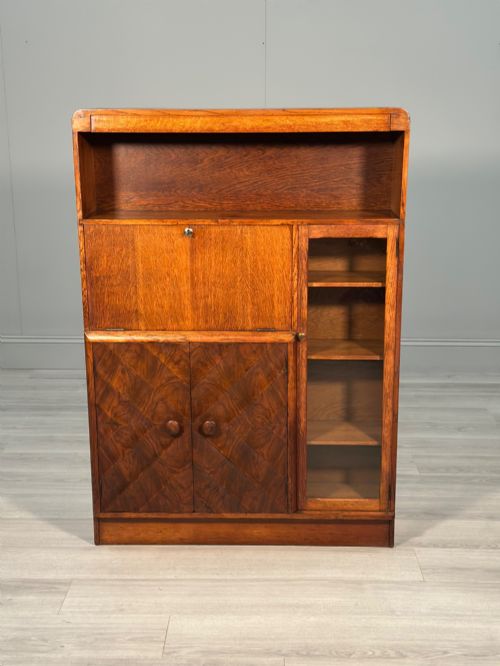
- A piece of furniture containing a concealed writing drawer or fold-down writing surface. It often takes the form of a chest or a cabinet with upper shelving.
Vintage Desk with Cupboard: Frequently Asked Questions
How do I date an oak bureau?
Dating an oak bureau involves examining construction methods, timber selection, and decorative motifs. Pieces from the Georgian era often feature clean lines and straightforward bracket feet, whereas Edwardian or revival pieces may display linenfold carving or gothic panels.
Hardware such as brass drop handles and drawer linings also provide clues. Hand-cut dovetails generally indicate older construction, while machine-cut equivalents point towards later nineteenth or twentieth-century production.
Are pedestal desks practical for daily use?
Pedestal desks offer substantial work surfaces and extensive storage within the flanking drawer columns. Their sturdy construction makes them well-suited for modern offices or studies.
Many vintage examples include leather writing surfaces and multiple drawers to organise paperwork. Buyers should verify dimensions and kneehole clearance to ensure comfort for daily sitting and working.
What distinguishes mahogany from oak desks?
Mahogany desks typically present a reddish-brown hue with fine, straight grain or decorative flame patterns, often associated with formal Georgian and Victorian interiors. Oak desks tend to exhibit a more prominent, coarse grain structure and feature in earlier periods or revival styles.
Mahogany allowed for smoother finishes and delicate polished surfaces, whereas oak provided robust durability favoured in rustic, Arts and Crafts, or revival furniture.