
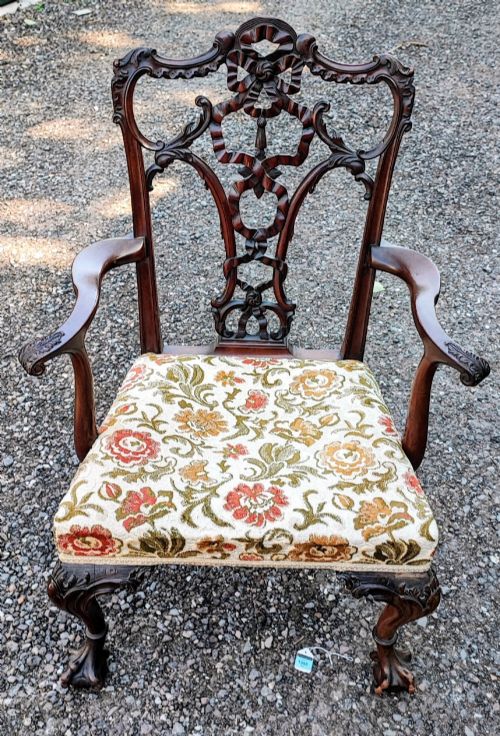
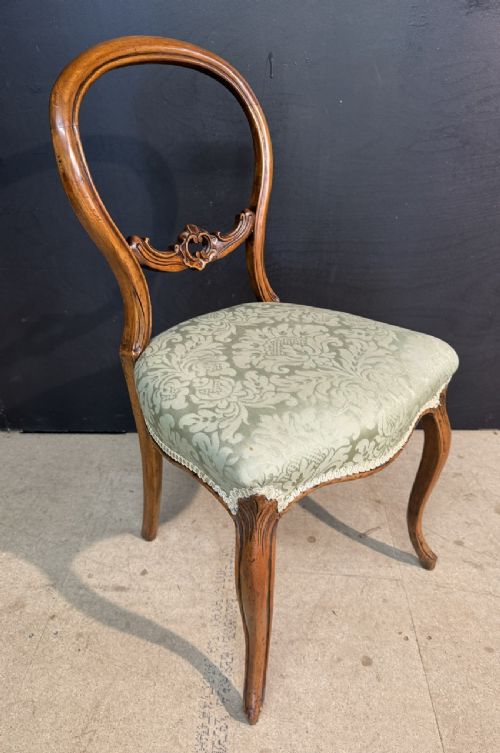
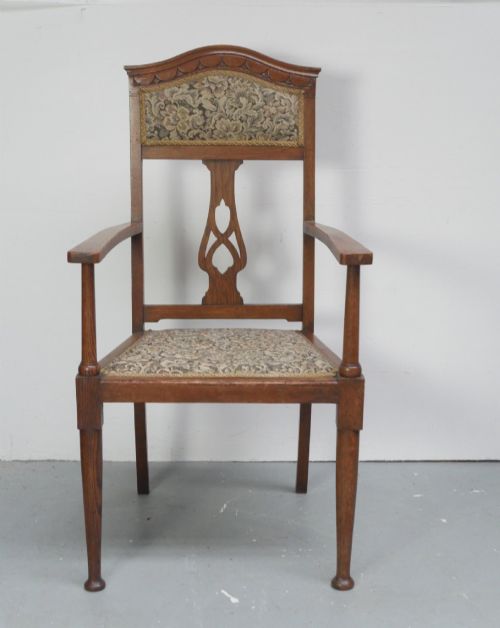

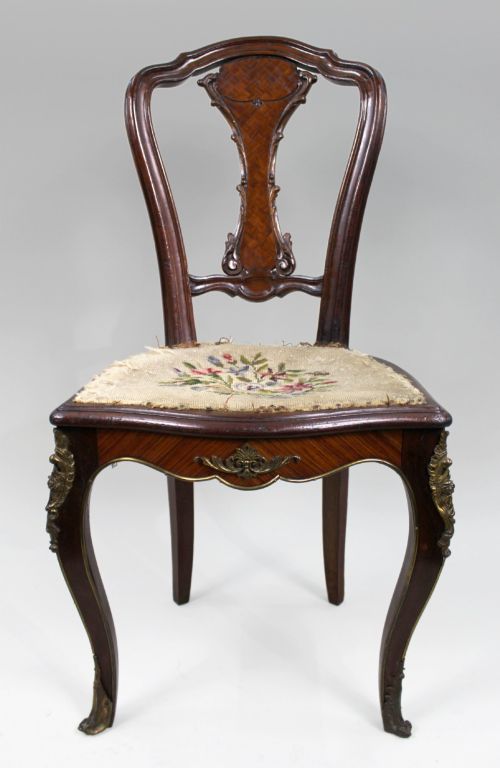
Vintage Desk Side Chair
A vintage desk side chair is a practical seat built for a study, workspace or dressing table, offering both period character and daily function.
Vintage Desk Side Chair
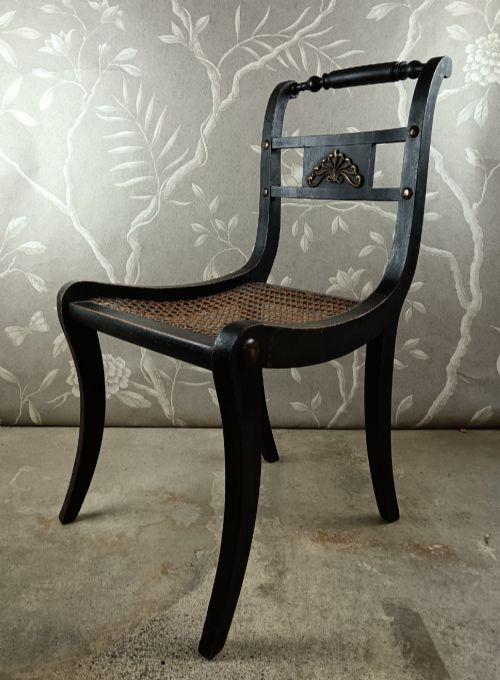
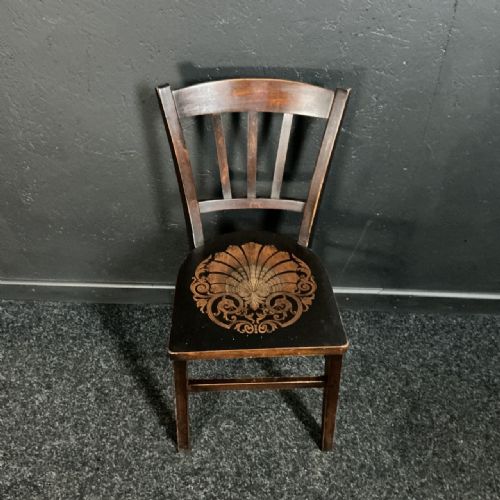
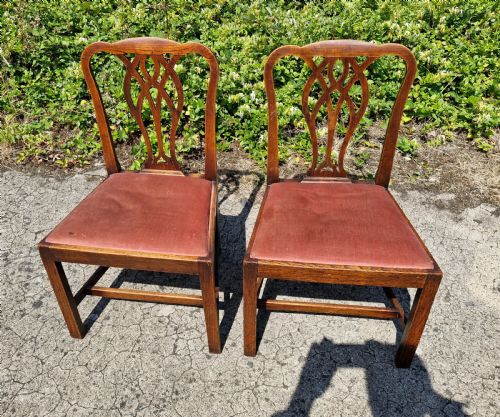
When you search for a vintage desk side chair, you encounter seating built across several centuries, from Georgian and Victorian eras through to the Edwardian period and the 1930s. These pieces often overlap with bedroom chairs, side chairs and small armchairs adapted for modern workspaces.
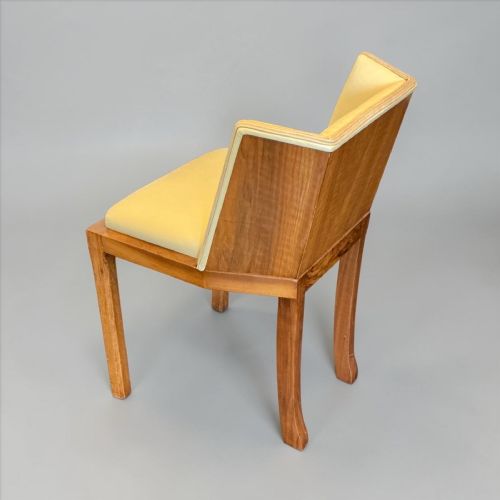
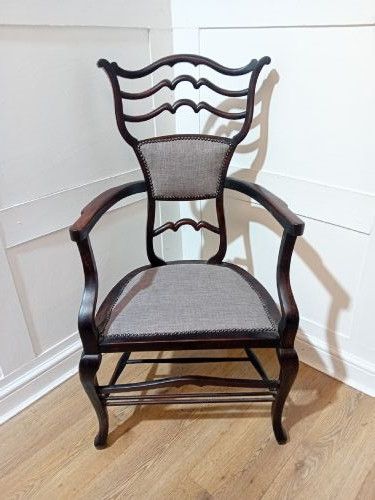
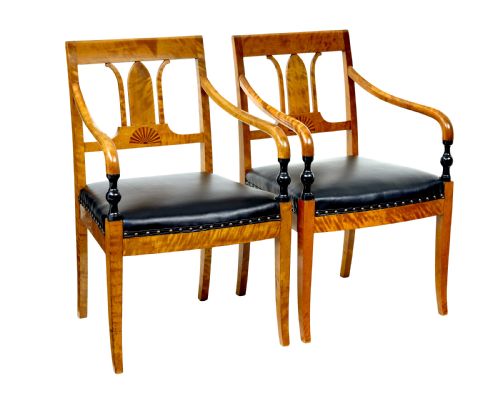
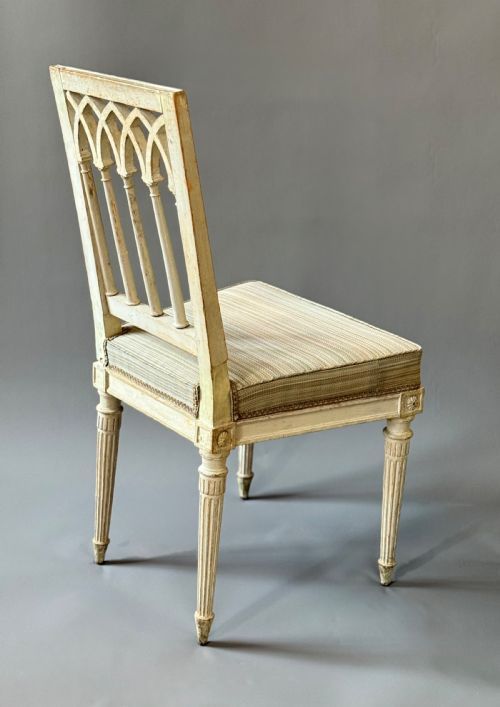
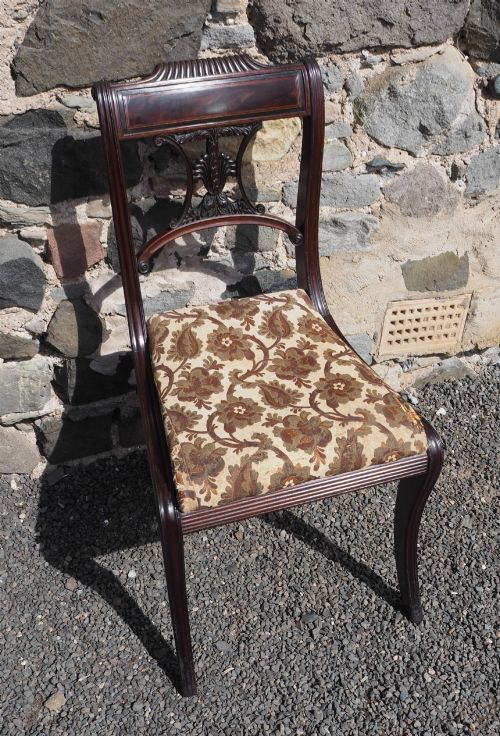
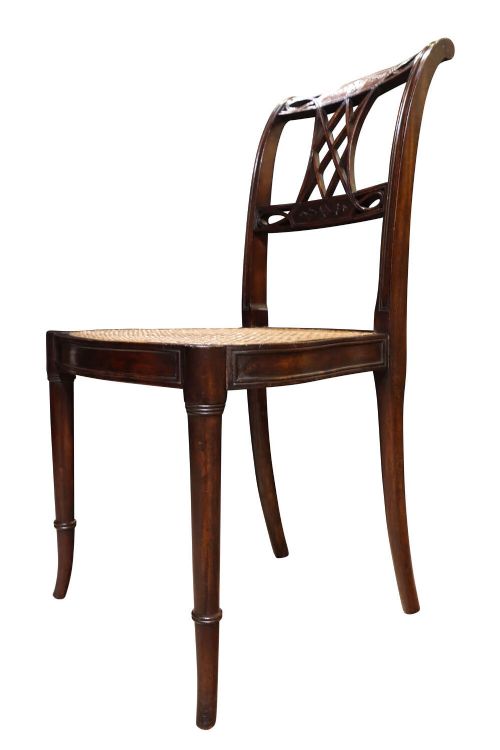
The selection ranges from simple beech and elm kitchen or office variants to elaborately carved mahogany and walnut examples in Chippendale, Regency or Gothic Revival styles. Many pieces show specific regional or period traits, such as lyre backs, sabre legs or cabriole supports.
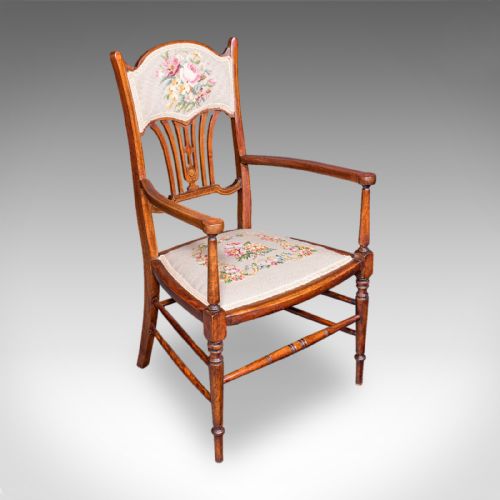
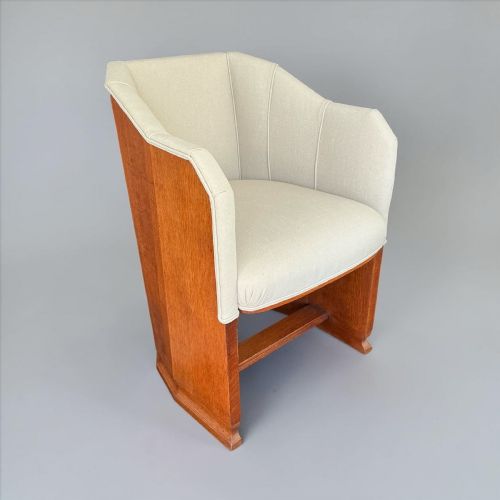
Buyers frequently find Edwardian inlaid mahogany models alongside earlier 19th-century designs and Art Deco birch or satinwood creations. Each form reflects the domestic habits and workspace requirements of its original era.
Materials and Construction
Cabinet makers relied heavily on hardwoods such as mahogany, oak, walnut and beech, frequently employing cane, leather and woven fabric for seats and upholstery. Brass mounts, ormolu details and marquetry inlays appear on finer examples from the 19th and early 20th centuries.
Construction techniques combine traditional joinery like mortise and tenon frames with steam-bent components seen in bentwood designs. Surfaces range from polished French polish and ebonised finishes to painted grey schemes and exposed natural grain.
Materials across the selection include traditional hardwoods like mahogany, walnut and oak, paired with brass, leather, fabric and woven cane.
Distinctions in Standard
The depth of carving and the precision of inlaid wood separate standard utility seating from high-end salon or library pieces. Timber selection dictates longevity, with dense Cuban mahogany or figured walnut marking superior manufacture compared to basic secondary woods.
Original elements such as cane panels, brass castors, leather upholstery and surface patination elevate a piece's integrity. Chairs retaining their original finish and structural joinery demonstrate superior craftsmanship over heavily restored examples.
Bath Cabinet Makers·Harry and Lou Epstein
The Vintage Desk Side Chair Glossary
- Cane
- Woven rattan material used for seats and back panels. It offers lightweight flexibility and decorative transparency.
- Lyre-back
- A chair back featuring an open splat shaped like an ancient Greek lyre instrument. It is common in late Georgian and Edwardian designs.
- Parquetry
- Geometric mosaic woodwork using small pieces of veneer arranged on a surface. It appears on panelled backs and seat rails of decorative chairs.
- Gothic Revival
- A 19th-century architectural and decorative style incorporating pointed arches, trefoil motifs and heavy ecclesiastical detailing.
- Ormolu
- Gilded bronze mounts applied to furniture edges and legs. This technique enhances formal French and neoclassical pieces.
Vintage Desk Side Chair: Frequently Asked Questions
How do I identify a true period desk chair?
Examine the timber shrinkage, joint construction and fastener types underneath the seat frame. Hand-cut dovetails and pegged mortises generally indicate older, traditional workshop methods.
Compare the overall proportions and decorative motifs against known historical styles represented in the woodwork and carved details.
Can I use an antique bedroom chair at a modern desk?
Many older side and bedroom chairs share similar seat heights with contemporary office desks, making them suitable for casual daily work. Check the specific dimensions and leg clearance before placing one at a workstation.
Ensure the structural frame and cane or upholstered seat can support regular sitting without compromising the vintage joinery.
What is the difference between a side chair and an armchair?
Side chairs are built without armrests, allowing them to tuck neatly beneath tables and small desks when not in use. Armchairs include supportive side framing that provides a more enclosed seating position.
Both forms appear across various periods, fulfilling different placement needs within a room.
How should I care for leather and cane seats?
Maintain leather upholstery with appropriate specialist waxes or conditioners to prevent the hide from drying and cracking over time. Keep the material away from direct heat sources and strong sunlight.
Clean cane panels gently with a damp cloth and avoid excessive moisture that can weaken the natural woven fibres.