






Vintage Desk Clock Wood
Vintage desk clock wood pieces bring tactile warmth to an interior through rich cabinet timbers and mechanical timekeeping.
Vintage Desk Clock Wood
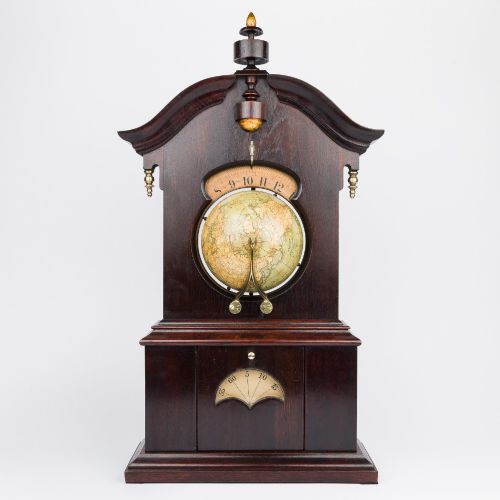
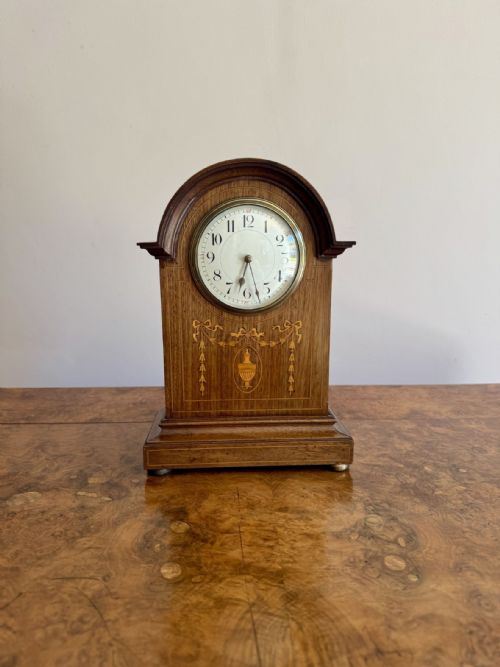
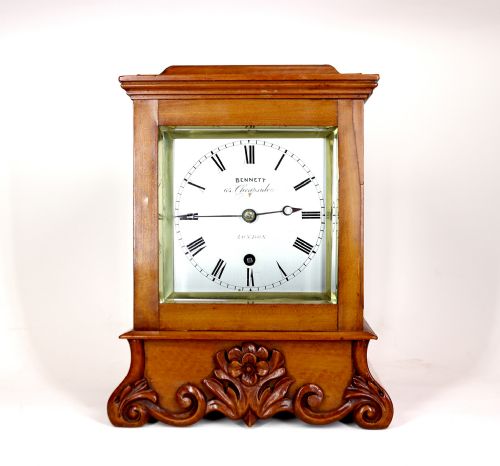
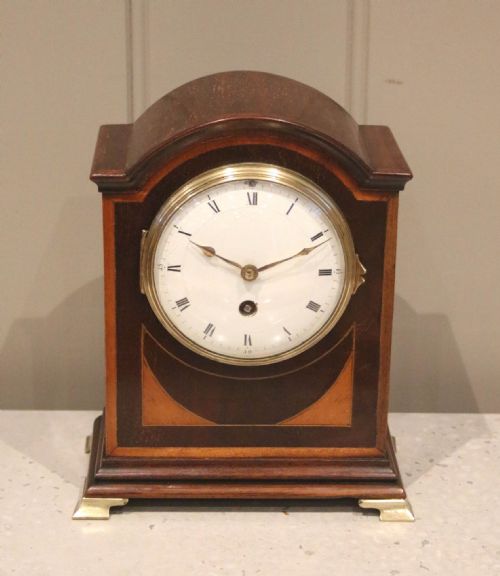
When you search for vintage desk clock wood, you encounter portable timepieces housed in timber cases designed for surfaces rather than walls. These objects function as practical desk accessories and ornamental mantel or table pieces.
The selections span distinct periods from the nineteenth century through the Edwardian era and into the Art Deco style of the 1930s. Mahogany, walnut, rosewood and satinwood dominate the material record of these items.
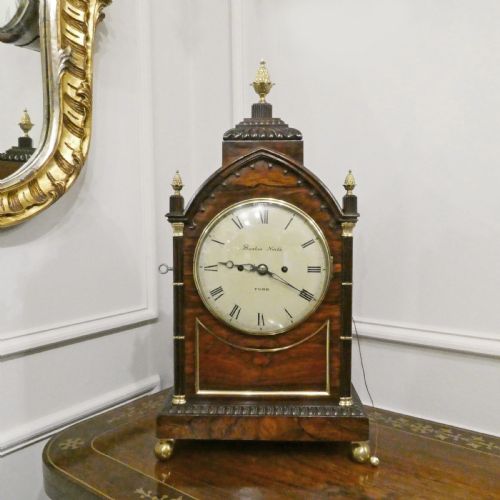
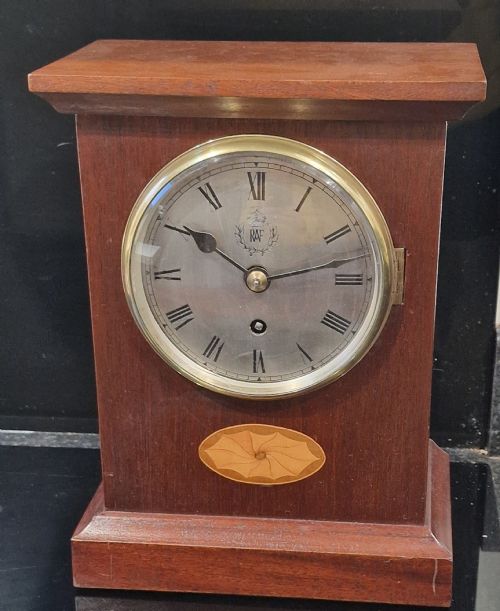
You most frequently meet Edwardian inlaid mahogany mantel clocks alongside compact library clocks and bracket clocks. These formats combine brass dials and glass bezels with traditional cabinet woods.
How they were made
Cabinetmakers constructed the timber housings using figured hardwoods such as mahogany, rosewood, walnut and satinwood, frequently adding marquetry or string inlay. These cases enclose brass clock movements that regulate time via springs, fuses or pendulum mechanisms.
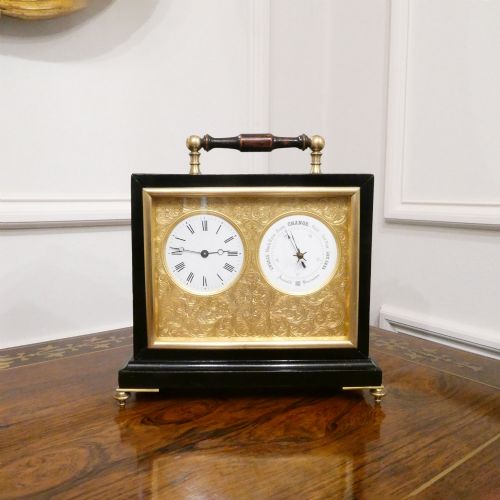
Dial construction incorporates silvered brass, enamel and engraved chapter rings protected behind bevelled glass panels. Selected models integrate additional instruments like barometers into the fitted wooden chassis.
Vintage Desk Clock Wood Retail Price Guide 2026
Typical asking prices for vintage desk clock wood among the pieces listed under this phrase on Sellingantiques today, from the lower quarter to the upper quarter. They describe what is for sale here now, not the wider market.
Listings feature timber cases in mahogany, walnut, rosewood and satinwood spanning the Victorian, Edwardian and Art Deco periods.
What varies in quality
The standard of a timber clock rests upon the selection of the wood grain, from plain boards to highly figured pollard oak, burr yew or rich mahogany. Subtlety of inlaid decoration and crispness of brass dial engraving separate standard production pieces from finer workshop commissions.
Mechanical execution distinguishes maker-signed movements with fusee or striking capabilities from simpler timepieces. The integration of the wooden case with heavy brass fittings and stable joinery determines the overall structural integrity.
Mappin & Webb·Sir John Bennett·Winterhalder & Hofmeier·Henry Marc·Joseph Jump·Walker and Hall
The Vintage Desk Clock Wood Glossary
- Fusee
- A conical pulley connected to the mainspring by a chain or cord to ensure even tension as the spring unwinds. This mechanism improves timekeeping accuracy across the power reserve.
- Bracket Clock
- A portable timepiece traditionally placed on a dedicated wall bracket or table surface. These timber-cased clocks often feature substantial brass carrying handles.
- Inlay
- Pieces of contrasting wood, shell or metal fitted into recessed pockets in the timber surface to form decorative patterns. Edwardian makers utilised this technique extensively on mahogany cases.
- Mantel Clock
- A clock designed to sit upon the shelf above a fireplace opening. These domestic timepieces utilise varied architectural wooden cases.
- Library Clock
- A compact table clock intended for study or office spaces. Examples frequently incorporate high-grade movements within small wooden housings.
Vintage Desk Clock Wood: Frequently Asked Questions
What is a fusee clock movement?
A fusee movement uses a conical drum to equalise the power delivered by the mainspring as it unwinds.
This mechanical refinement helps the clock maintain consistent timekeeping from the beginning to the end of its run.
How do I identify an Edwardian wooden clock?
Edwardian timepieces frequently display light mahogany or satinwood surfaces enhanced with delicate string inlay. The aesthetic reflects lighter domestic interiors of the early twentieth century.
Cabinet proportions tend to be refined, often following balloon or arched bracket silhouettes.
Where were these desk clocks placed historically?
These timepieces sat upon writing desks, library tables, sideboards and mantel shelves. Their portable nature allowed owners to move them between rooms as daily routines required.
Miniature formats served travellers or occupied compact study spaces.
How do I care for a vintage wooden clock case?
Keep the timber housing away from direct sunlight and fluctuating heat sources to prevent the wood from drying or splitting. Dust the polished surfaces gently with a soft dry cloth.
Avoid applying modern liquid polishes that might damage historic French polish or wax finishes.