





Vintage Deer Mount
These vintage deer mount pieces bring the heavy presence of the nineteenth and early twentieth-century lodge straight into a modern hall.
Vintage Deer Mount
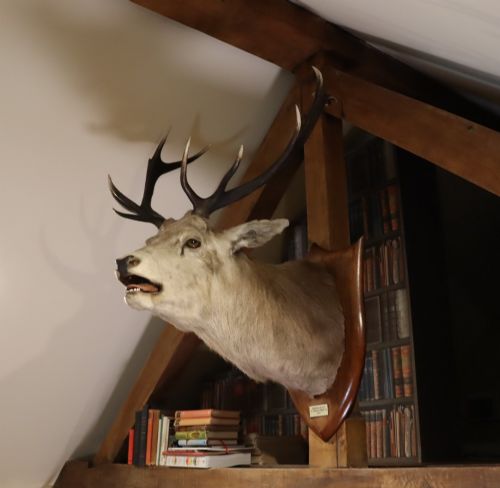
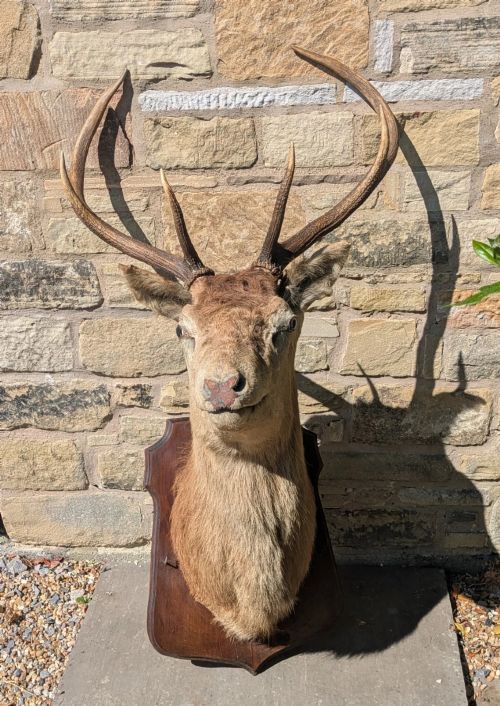
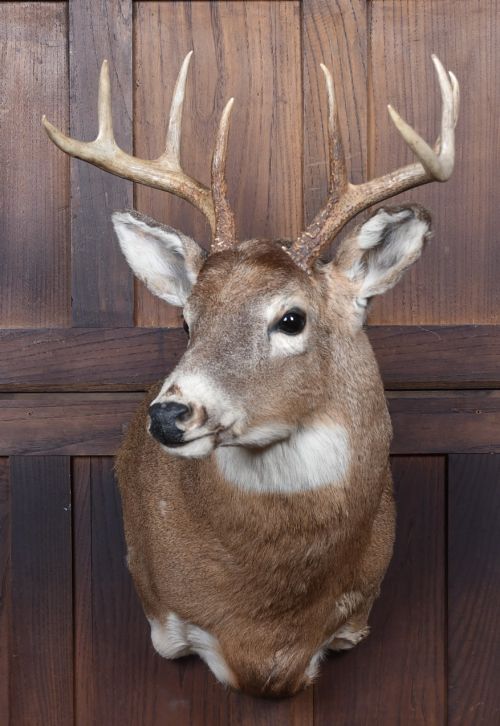
When you search for vintage deer mount, you are looking at taxidermy heads, antler trophies, and functional carved wooden pieces dating from the 1880s through to the 1930s. The selection relies heavily on traditional Scottish red deer stags, white-tailed deer, and roebucks alongside continental European work.
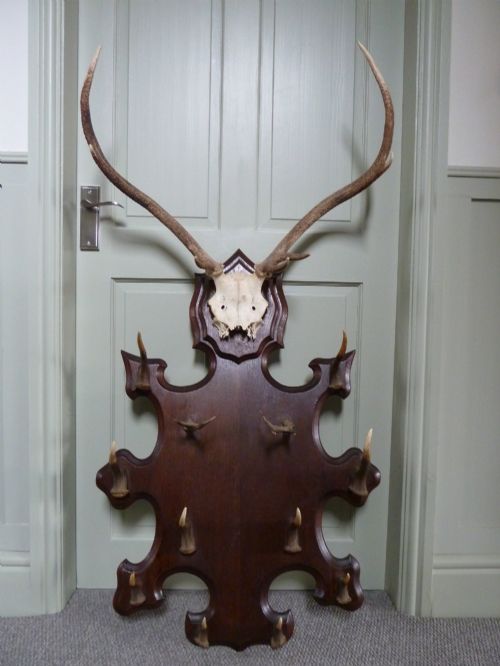
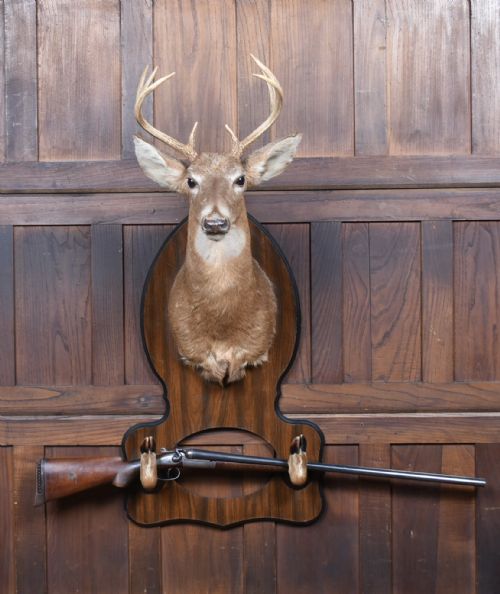
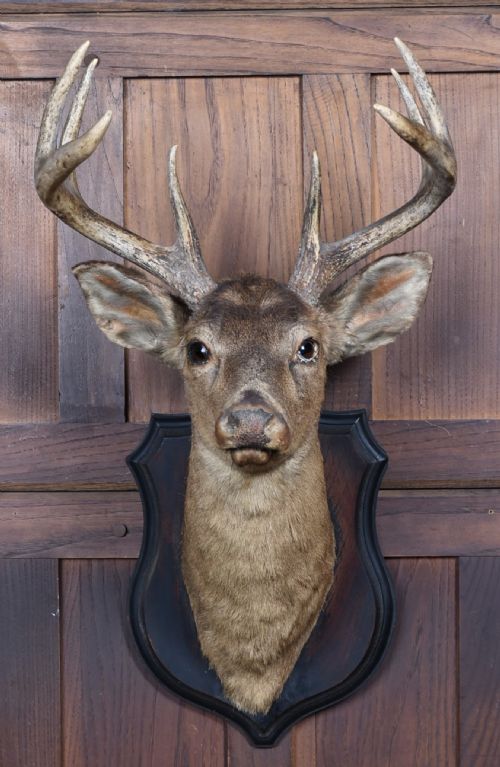
You will most commonly meet mounted stags' heads on carved wooden shields, antler coat racks, and occasional desk accessories like inkstands or table lamps. These objects originate from distinct decorative traditions including Victorian country houses, Black Forest workshops, and Highland hunting lodges.
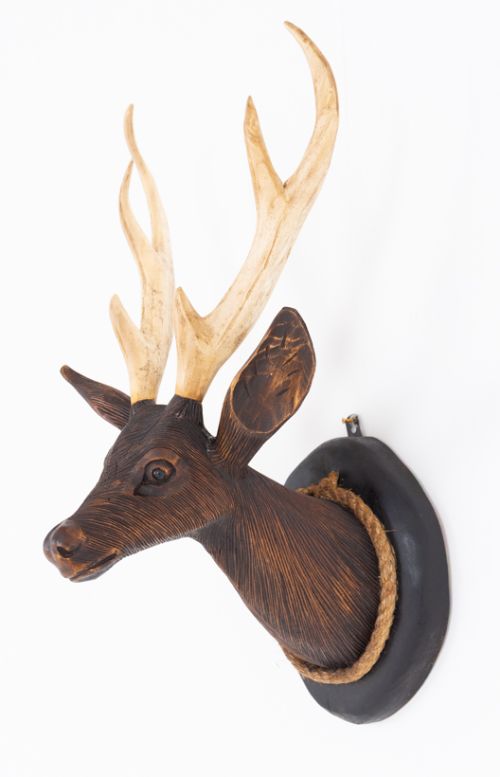
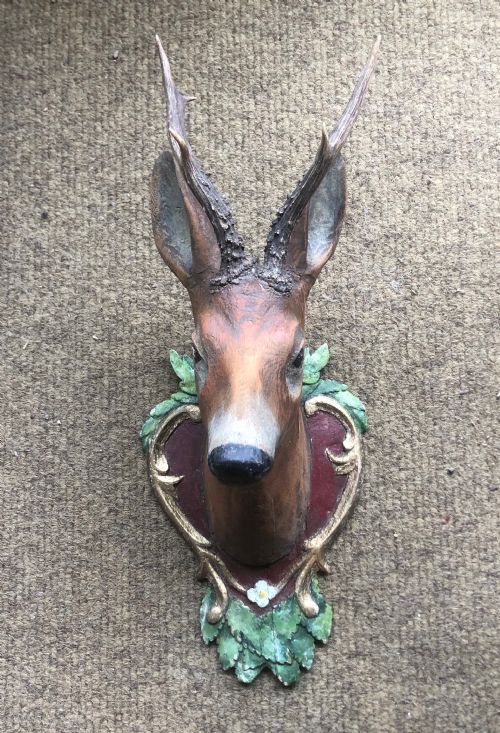
The assortment spans straightforward naturalistic taxidermy and more stylised carved wood or folk art interpretations. A buyer finds everything from massive twelve-point royal antler sets to compact roebuck mounts suited for smaller wall spaces.
How they were made
Taxidermists of the nineteenth and early twentieth centuries prepared animal pelts over sculpted forms while preserving the natural bone and antlers of the deer. Skilled artisans mounted these heads onto solid oak, walnut, or pine shields, often incorporating carved foliage details into the wood.
Black Forest and continental pieces utilise hand-carved wood to replicate or frame real antlers and skulls, demanding precise carpentry and deep relief carving. Functional items integrate natural deer hooves and antlers directly into hardware for items like hallstands, gun racks, and inkwells.
Vintage Deer Mount Retail Price Guide 2026
Typical asking prices for vintage deer mount among the pieces listed under this phrase on Sellingantiques today, from the lower quarter to the upper quarter. They describe what is for sale here now, not the wider market.
Listings incorporate materials such as oak, glass, bone, and carved wood alongside natural deer hide and antlers.
What varies in quality
The standard of a vintage deer mount rests upon the anatomical accuracy of the taxidermy work and the crispness of the supporting woodwork. Master taxidermists captured realistic glass eye placement and natural tension in the skin, whereas lesser pieces show stiffening or poor hide preservation over time.
The prominence and symmetry of the antlers dictate much of the distinction, with broader point counts and balanced spreads commanding greater visual authority. Furthermore, the depth and execution of the carved oak or Black Forest shields separate standard workshop output from exceptional commissions.
Peter Spicer & Sons
The Vintage Deer Mount Glossary
- Point
- An individual tine or branch on a deer's antler. Collectors count these points to assess the maturity and scale of the trophy.
- Taxidermy
- The art of preparing, stuffing, and mounting the skins of animals with lifelike effect. In this context, it refers specifically to preserved deer heads and hooves.
- Black Forest Style
- A nineteenth-century decorative carving tradition originating in Switzerland and Germany. It is characterised by naturalistic depictions of animals and foliage, frequently applied to furniture and wall mounts.
- Royal
- A term used by hunters and collectors to describe a red deer antler set possessing twelve distinct points. It denotes a particularly mature and impressive specimen.
Vintage Deer Mount: Frequently Asked Questions
How should I clean a vintage deer mount?
Dust the hair and antlers gently using a soft, dry artist's brush or a feather duster on a regular basis. Avoid water, harsh chemical cleaners, or damp cloths on the hide.
Wood shields can be treated sparingly with appropriate furniture wax, taking care not to let any product touch the taxidermy fur.
What rooms suit a deer mount best?
These pieces suit traditional hallways, studies, libraries, and living rooms with high ceilings and adequate wall space. They anchor a room by introducing strong organic textures.
Pair them with neutral or dark walls to let the natural tones of the fur and carved oak stand out clearly.
How can I tell a Victorian mount from a later one?
Victorian pieces from the nineteenth century generally feature simpler taxidermy methods and denser, darker oak shields with hand-cut fixings. Later twentieth-century examples often display refined taxidermy techniques and lighter wood finishes.
Examining the backboards, screws, and any historical paper labels helps establish the decade of production.