
Vintage Decorative Glass
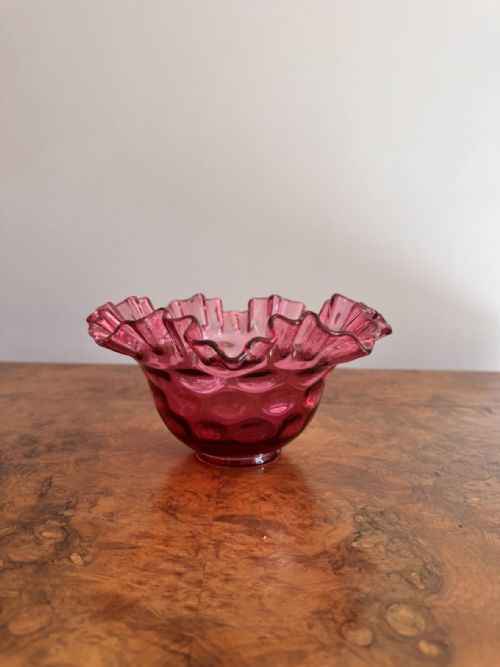
Vintage decorative glass encompasses everything from hand-blown pharmacy carboys to moulded bowls, offering colour and form through diverse periods.
Vintage Decorative Glass
Origins vary across European and American workshops, incorporating distinct aesthetic movements from Art Nouveau to Mid-Century Modern. Buyers are most likely to meet items that merge practical utility with ornamental design, reflecting the prevailing styles of their respective decades.
How vintage decorative glass pieces were made
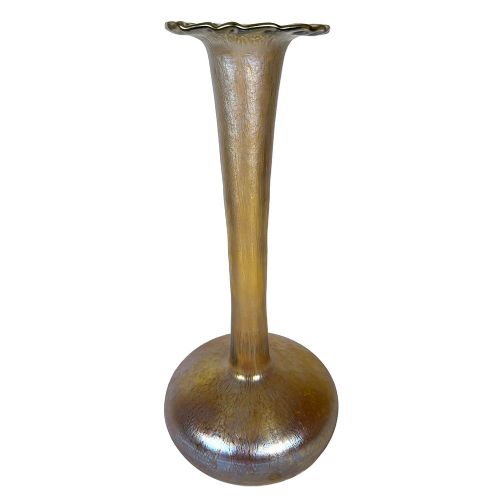
Makers utilised traditional hand-blowing techniques alongside moulding and cameo carving to shape the material, often combining glass with brass, bronze, or gilt metal mounts. Hand-blown pieces exhibit subtle irregularities from the blowing iron, while moulded and pressed items achieve crisp geometric or figural relief.
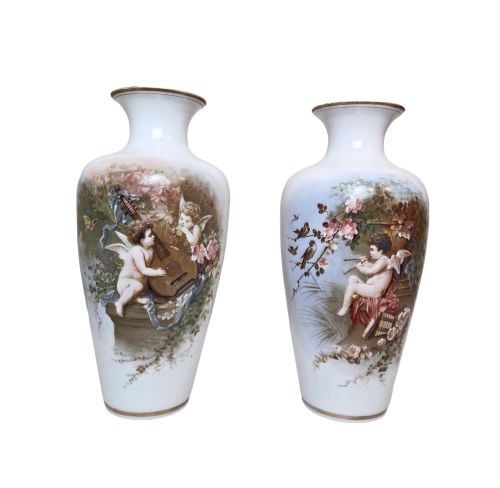
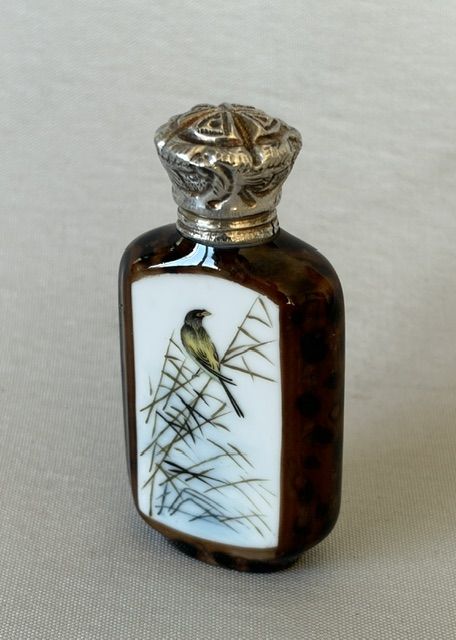
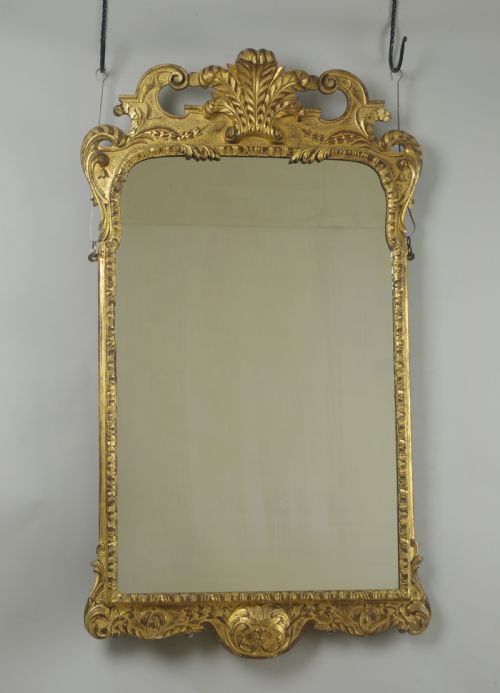
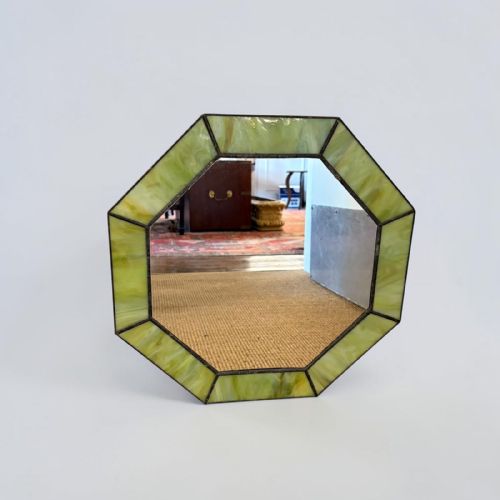
Decoration involved enamel painting, acid etching, overshot techniques, and leaded stained glass construction. Workshops applied metallic highlights, such as gilding on rims and surfaces, to enhance the visual depth of the finished objects.
Listings feature items spanning the nineteenth century through the Art Deco period, utilising clear glass, frosted glass, and crystal.
What varies in quality
Execution and material purity separate standard production items from superior examples. The clarity of the crystal, the precision of the mould work, and the delicacy of any hand-painted or acid-etched detail determine the visual strength of the piece.
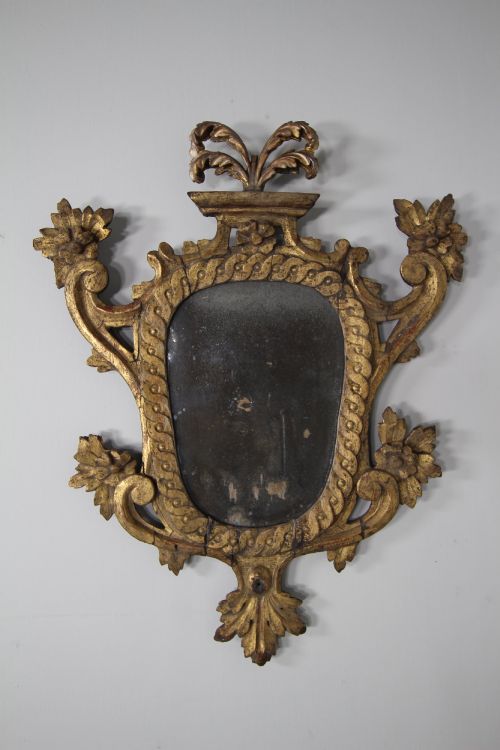
The integration between the glass body and any metal mountings, such as bronze, brass, or gilt frames, indicates the level of craftsmanship involved. Superior pieces maintain harmony between the glass vessel and its supporting structure, with refined finishing on all visible surfaces.
Rene Lalique·Venini·Daum Freres
The Vintage Decorative Glass Glossary
- Carboy
- A large, bulbous glass bottle traditionally used for holding liquids, often seen in a pharmacy context.
- Cameo glass
- Glass vessels created by layering different colours and carving away the surface to produce a raised design in relief.
- Overshot glass
- Glass decorated by rolling a hot gathered piece over fine fragments of crushed glass before reheating and blowing.
- Crystal
- A high-clarity glass containing metal oxides that increase its weight, brilliance, and capacity for light refraction.
- Enamel
- Opaque glass-based paint applied to the surface of a vessel and fired to fuse it permanently with the material.
Vintage Decorative Glass: Frequently Asked Questions
Can these lamps be used safely?
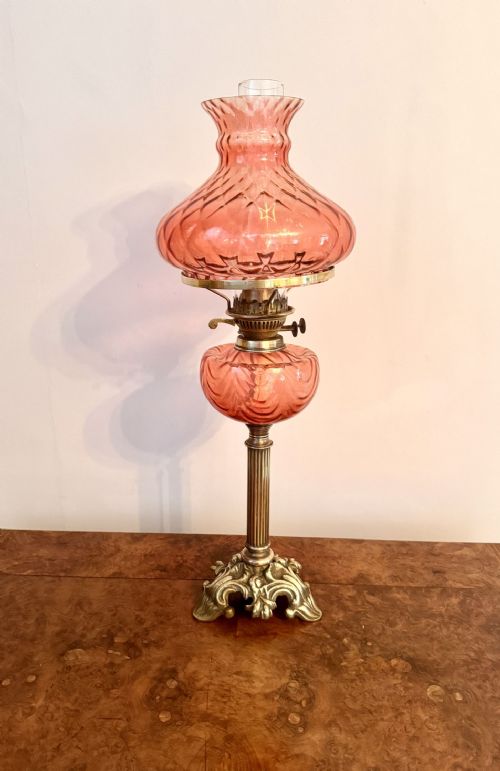
Many vintage glass lamps and chandeliers retain original wiring, which should be inspected by a qualified professional before connection to a modern electrical supply.
Rewiring ensures that historical lighting fixtures meet current safety standards while preserving the original glass shades and metal components.
How do I identify Art Deco glass?
Art Deco glass typically displays geometric patterns, stylised floral motifs, and bold colour palettes ranging from mottled tones to deep greens and ambers.
Moulded signatures, heavy relief work, and symmetrical forms are common characteristics found on pieces produced during this period.
What is cameo glass?
Cameo glass is produced by fusing two or more layers of coloured glass together and carving away the exterior layer to reveal a contrasting design.
This technique requires significant skill from the artisan, resulting in detailed low-relief ornamentation that highlights the colour variations.