






Vintage Decorative Bust
A vintage decorative bust brings character and sculptural presence to a room, ranging from classical figures to tribal art.
Vintage Decorative Bust
A vintage decorative bust is a sculpted representation of the head, neck and shoulders, designed purely for aesthetic display rather than portraiture of an unknown family member. When searching for a vintage decorative bust, buyers encounter pieces spanning the nineteenth century through the mid twentieth century, reflecting diverse artistic movements from Art Deco and Art Nouveau to classical revival and African tribal art. These sculptures function as focal points on mantels, pedestals and tabletops, bringing three dimensional form and historic narrative into interior spaces.
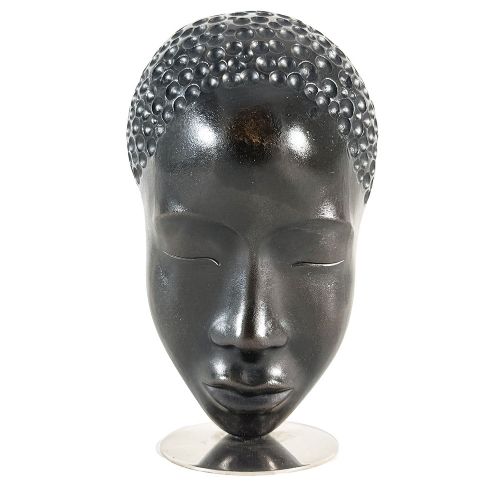
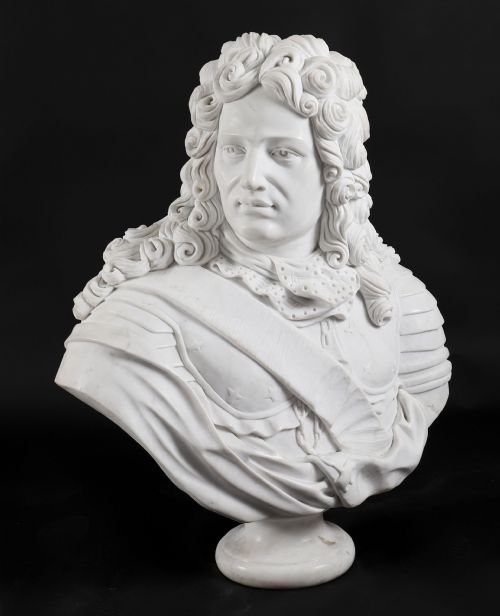
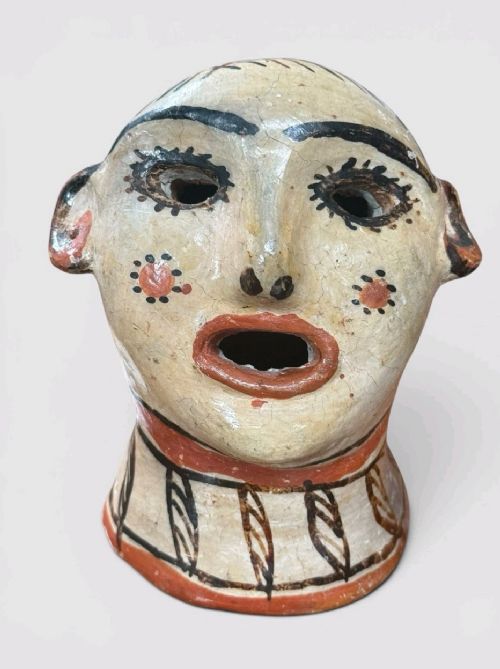
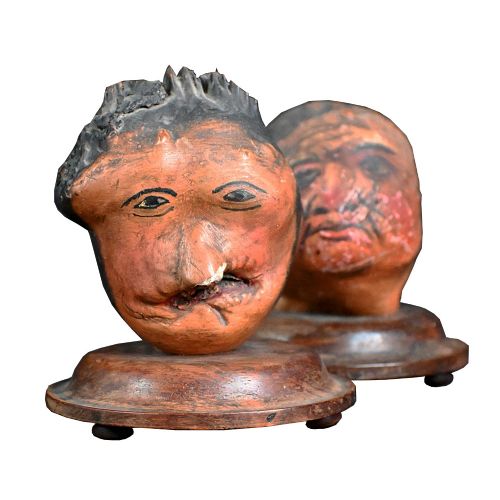
The selection on this page demonstrates considerable variety in origin and material, leaning heavily toward European foundry work, Italian marble carving, and African tribal casting. Buyers frequently find terracotta and painted plaster works alongside cast bronze and carved wood, capturing likenesses of noblemen, mythological figures, dancers and folk subjects. Each piece represents the prevailing decorative taste of its decade, from nineteenth century classical subjects to sleek nineteen thirties modernist lines.
Materials and Construction
Sculptors utilised traditional media including terracotta, marble, plaster, wood and cast bronze to achieve differing textures and weights. Terracotta works were shaped by hand or pressed into moulds before firing, often finished with paint or left in their natural porous state. Plaster casts offered an accessible medium for detailed portraiture, frequently painted to simulate metal or stone.
Metal pieces rely on the lost wax casting method or sand casting for bronze and gilt bronze, capturing fine details in hair, armour and drapery. Wood and alabaster sculptures show direct carving techniques, where the artisan worked the grain or stone to reveal the final contours of the head and shoulders.
Vintage Decorative Bust Retail Price Guide 2026
Typical asking prices for vintage decorative bust among the pieces listed under this phrase on Sellingantiques today, from the lower quarter to the upper quarter. They describe what is for sale here now, not the wider market.
The listings here span the nineteenth century through the nineteen sixties, utilising materials from carved marble and cast bronze to painted plaster and clay.
Assessing Craftsmanship and Detail
Quality in these sculptures rests upon the fidelity of the modelling and the crispness of the cast or carve. Finer pieces display anatomical precision in the musculature of the neck and sensitive handling of facial expressions, whereas simpler works remain more stylised or generic.
The choice of material and finish dictates the refinement of the object, from heavily chased gilt bronze and figured marble to simpler painted plaster and folk art clay. Surface patination and the preservation of original polychrome paint surfaces contribute significantly to the visual integrity of the finished sculpture.
Hagenauer·Ernst Whaliss·Bohumil Rezl·P.H MOUREY
The Vintage Decorative Bust Glossary
- Terracotta
- Fired clay used extensively for sculptural works. It often carries an earthy reddish brown tone or a painted surface finish.
- Patina
- The natural surface alteration or applied chemical coloration developed on bronze, wood and metal over time. It adds depth and visual warmth to the material.
- Neoclassical
- A style drawing inspiration from the classical art and culture of ancient Greece and Rome. It prioritises symmetry, restraint and heroic subjects.
- Art Deco
- A design movement prevalent in the nineteen twenties and thirties characterised by stylised geometric forms and sleek lines. Busts from this era often feature streamlined hair and modernist facial geometry.
- Polychrome
- Decorated in a variety of colours. Painted plaster and terracotta sculptures frequently utilise this technique to heighten realism.
Vintage Decorative Bust: Frequently Asked Questions
Where should I display a decorative bust?
These sculptures suit prominent locations where their three dimensional form can be appreciated from multiple angles. Place them on mantelpieces, entrance hall tables, or dedicated display pedestals to anchor a room.
Heavier stone and bronze pieces require sturdy support surfaces, while plaster and terracotta works benefit from stable environments away from high traffic areas where accidental knocks might occur.
How do I clean a plaster or terracotta bust?
Dust these surfaces gently using a soft, dry brush or a clean microfiber cloth. Avoid using water or liquid cleaning solutions on plaster and painted terracotta, as moisture can soften the material and damage historic finishes.
Bronze and marble pieces tolerate slightly more robust maintenance, though harsh chemical cleaners should still be avoided to protect the aged surface patination.
Are these sculptures solid or hollow?
Construction varies entirely by the medium used by the sculptor. Cast bronze works are typically hollow with varying wall thicknesses, while carved marble and alabaster pieces are solid stone.
Terracotta and plaster sculptures are often cast or formed with hollow interiors to reduce weight, though smaller decorative examples may be solid throughout.