




Vintage Decanter Base
These vintage decanter base pieces protect tables and hold bottles steady, bringing classic British dining charm straight to your sideboard.
Vintage Decanter Base
When you search for a vintage decanter base, you find items designed to hold bottles and decanters firmly on the dining table. The pieces available here include wine coasters, decanter sets, and individual glass decanters ranging from the Georgian period up through the Victorian and Art Deco eras.
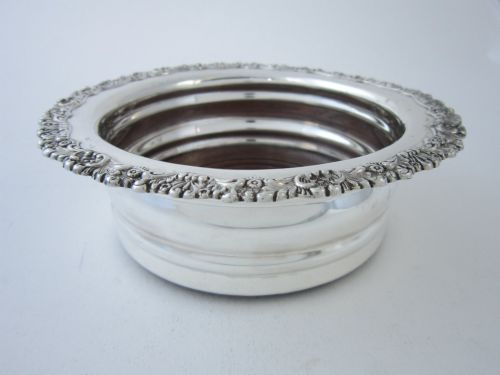
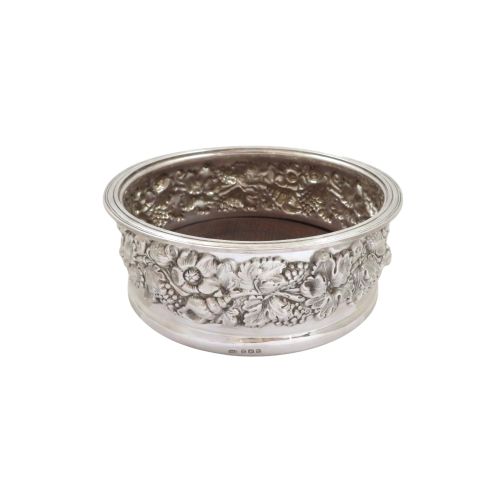
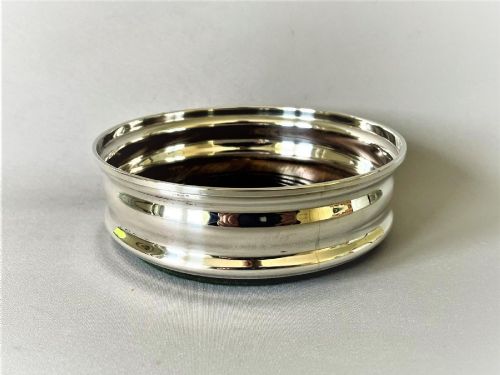
The most common form you will meet on this page is the round bottle coaster, fashioned from wood, silver plate, or sterling silver. These circular trays keep moisture and rings away from polished mahogany surfaces during dinner.
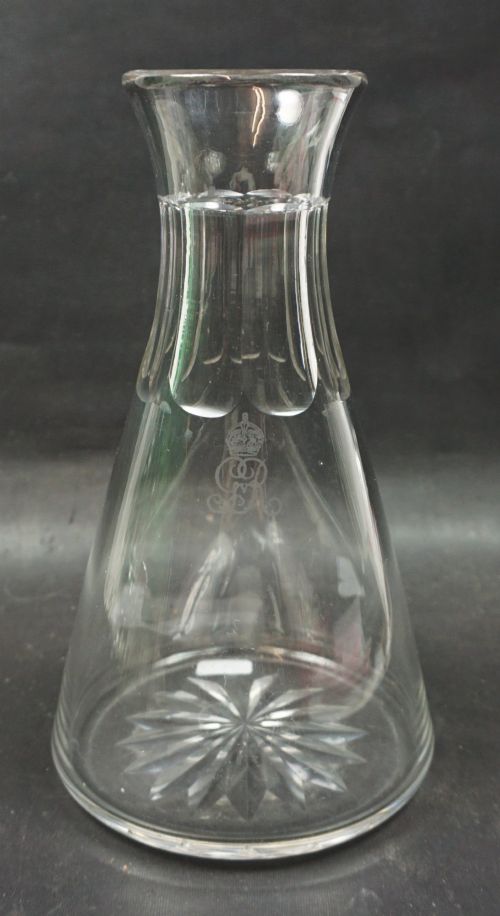
Alongside metal and wood frames, you also encounter heavy glass decanters and ship's decanters that serve as the actual vessels holding the wine. These glass forms span multiple centuries, showing traditional British styles and distinct cut glass patterns.
Materials and construction
Makers constructed these items using a combination of turned mahogany wood, silver plate, and sterling silver, often pairing a wooden base with a metal gallery. Many coasters feature a fitted felt lining underneath to protect fine furniture from scratches.
Glass pieces rely on lead crystal and cut glass techniques, shaped into heavy vessels or multi-bottle frames. Silversmiths and glass cutters worked by hand to achieve the decorative motifs seen across the Victorian and Edwardian examples.
Vintage Decanter Base Retail Price Guide 2026
Typical asking prices for vintage decanter base among the pieces listed under this phrase on Sellingantiques today, from the lower quarter to the upper quarter. They describe what is for sale here now, not the wider market.
Assessing quality and finish
The distinction between standard items and finer examples lies in the crispness of the cut glass and the weight of the silver or silver plate. Heavier gauge metalwork and deeply faceted crystal show greater attention to detail during production.
The integration of materials also defines the better pieces, such as tightly fitted mahogany bases within polished silver rims. Clean joinery and well-preserved felt undersides indicate careful manufacturing from the outset.
Val Saint Lambert
The Vintage Decanter Base Glossary
- Ship's Decanter
- A glass decanter with a wide, heavy base and a tapered body designed to prevent tipping on board a rocking ship. This specific form became popular during the Georgian era.
- Lead Crystal
- A type of glass containing metallic oxide that increases weight, clarity, and brilliance. It allows for deep, sharp decorative cutting.
- Silver Plate
- A base metal coated with a thin layer of silver. This technique offered the appearance of solid silver at a lower cost.
Vintage Decanter Base: Frequently Asked Questions
What is a vintage decanter base used for?
These items serve primarily to hold bottles and decanters while protecting dining tables from spills and condensation rings. They provide a stable resting place for glassware during meals.
Many designs also allow the bottle to be slid easily across the mahogany surface from guest to guest.
How do I tell Victorian pieces apart from Georgian ones?
Victorian examples often display heavier ornamentation and bolder silver plating techniques typical of the later nineteenth century. Georgian pieces tend to show simpler, more restrained proportions.
Examining the cut glass patterns and the style of the metal gallery helps clarify the period of manufacture.
Are these bases meant for everyday dining?
You can use these pieces regularly on modern dining tables provided you handle them with reasonable care. The sturdy wood and metal construction suits active dining settings.
Periodic gentle cleaning keeps the silver and glass surfaces in good condition for daily use.
What materials are most common?
Silver plate and sterling silver frequently appear alongside turned mahogany bases and felt linings. Lead crystal and cut glass form the structural bodies of the decanters and glassware.
These materials reflect the traditional manufacturing standards of British dining accessories.