

Vintage Country Pine Drawers
These vintage country pine drawers bring practical storage and honest domestic utility to a room through traditional forms.
Vintage Country Pine Drawers
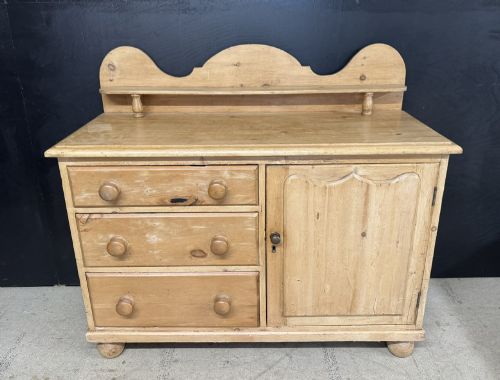
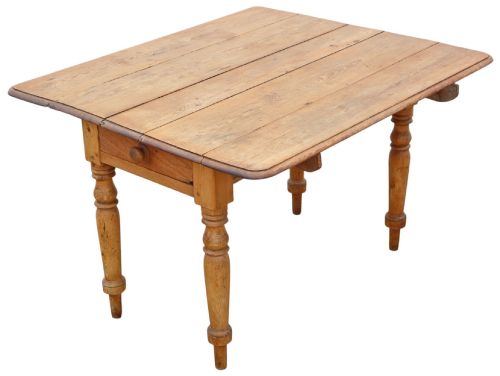
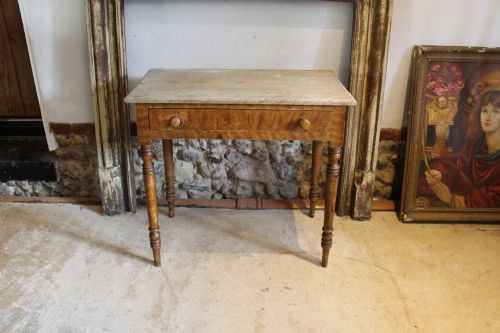
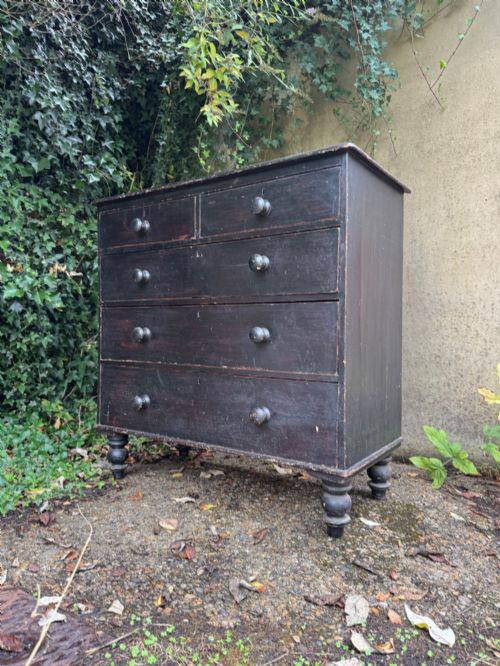
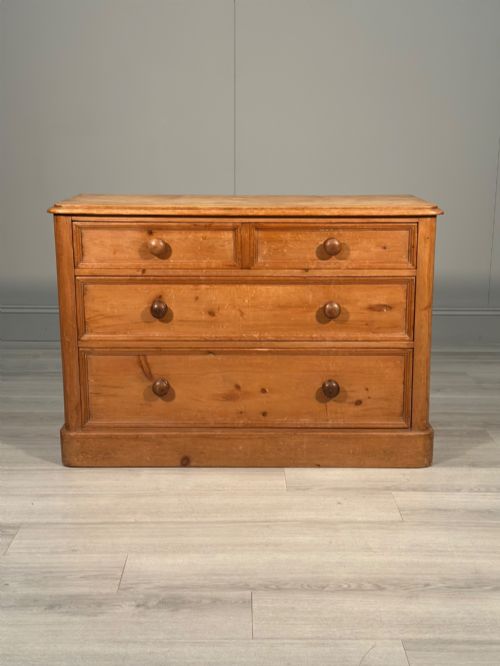
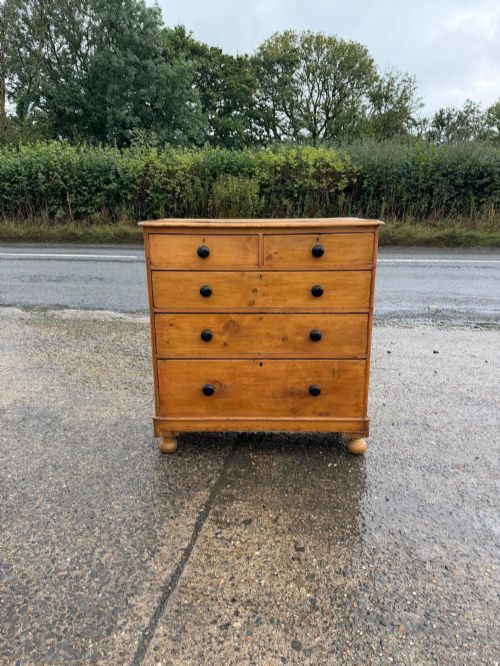
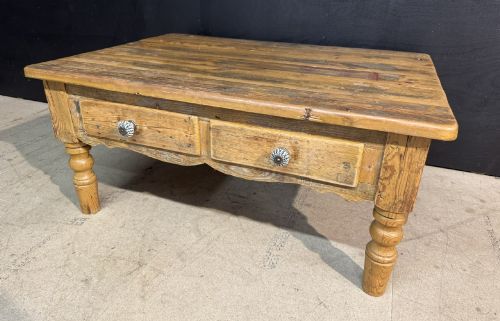
Vintage country pine drawers encompass sturdy chests of drawers, utility washstands, and dresser bases intended for daily household storage. The pieces here predominantly date from the Victorian period and the nineteenth century, reflecting regional English, Welsh, and continental farmhouse traditions.
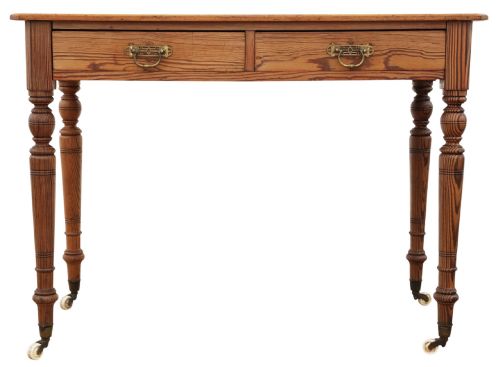
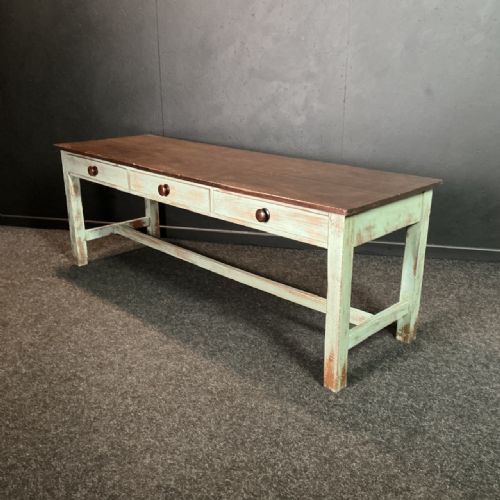
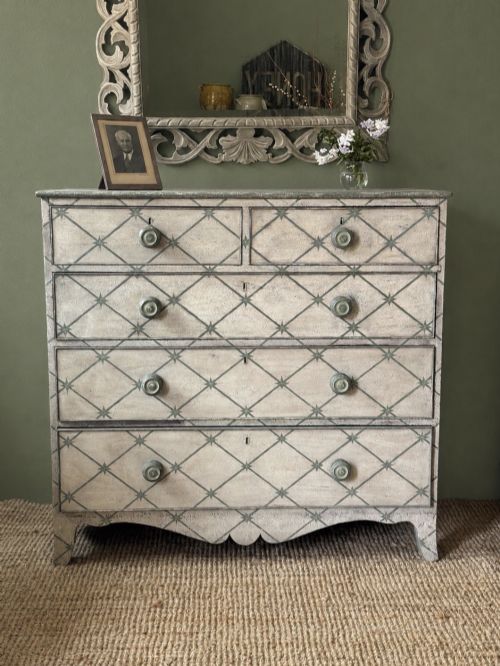
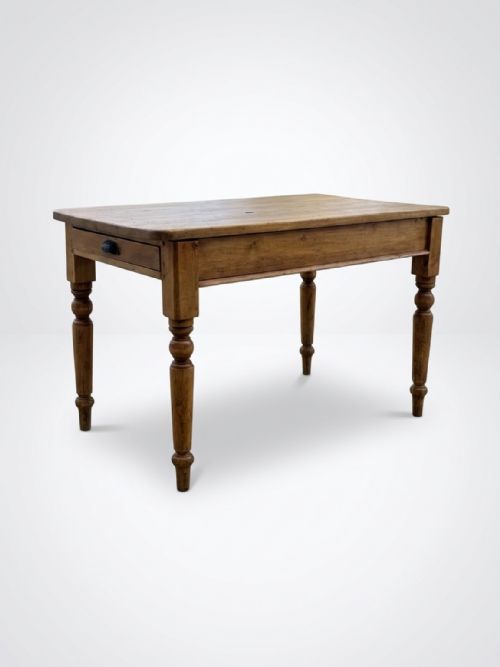
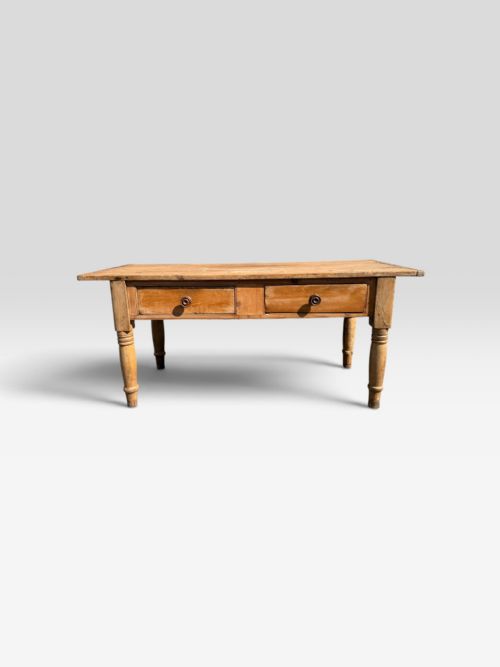
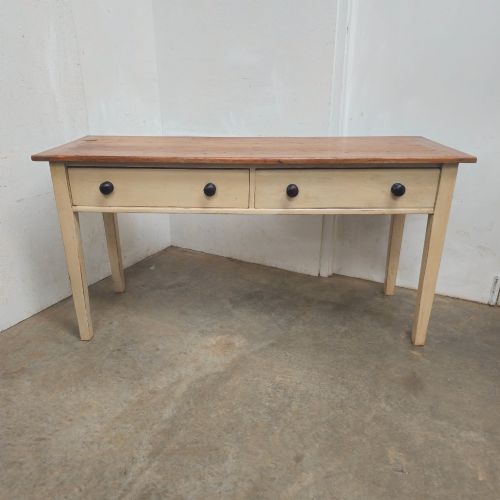
Buyers encounter various configurations, from compact three-drawer chests to larger two-over-three drawer arrangements and multi-drawer server units. Many examples feature simple turned legs or bun handles, alongside occasional painted or scrubbed finishes suited to rural interiors.
How they were made
Construction relies primarily on solid pine and pitch pine timbers, frequently paired with secondary woods like oak for internal framing and drawer linings. Metal hardware, iron brackets, and brass fixtures provide structural support and operational fittings.
Surface treatments vary between traditional clear wax finishes that highlight the grain and original scumble or decorative paintwork. Cabinet makers utilised straightforward joinery methods, including dovetail joints for drawers and panelled construction for larger carcasses.
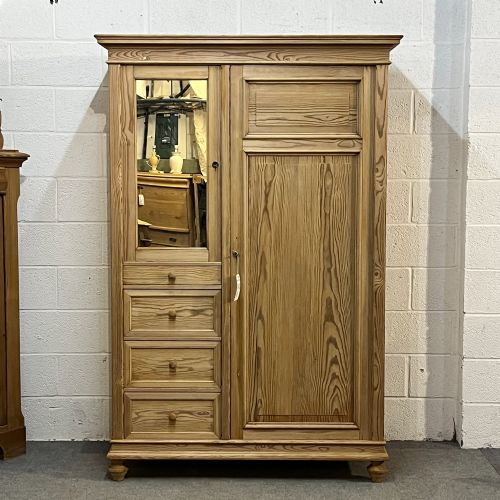
One exceptional wardrobe hides drawers inside a mirrored compactum frame, ready to out-organise the most demanding Victorian fashionista.
What varies in quality
Quality rests upon the integrity of the timber selection and the retention of original surfaces, such as early paint layers or period wax patination. Pieces retaining original turned bun handles, backboards, and undisturbed drawer runners command greater interest.
Proportion and execution distinguish finer items, where balanced drawer arrangements and clean joinery elevate utilitarian furniture. Alterations to feet, replacement hardware, or stripped surfaces without remaining patina alter the character of a piece.
Johnston’s of London
The Vintage Country Pine Drawers Glossary
- Scumble
- A decorative paint technique used to imitate the grain of more expensive hardwoods or to create a mottled finish. This finish is frequently found on nineteenth-century country furniture.
- Pitch pine
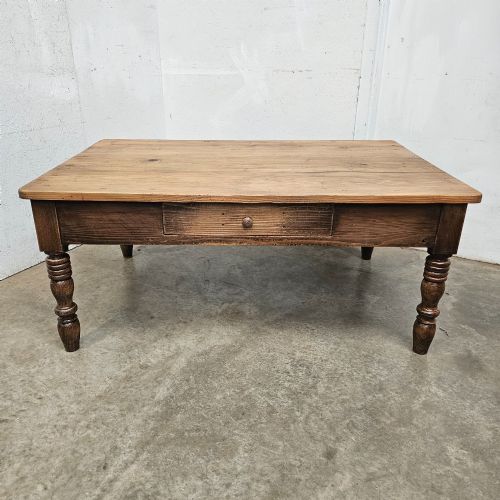
- A dense, resinous softwood variety valued for durability and prominent grain patterns. It appears often in nineteenth-century tables and larger storage items.
- Dresser base
- The lower section of a kitchen or dining room storage unit, typically incorporating cupboards and drawers beneath a solid top. These pieces served as primary work surfaces in domestic settings.
- Compactum
- A fitted wardrobe or multi-compartment storage cabinet designed to maximise internal space efficiently. They often combine hanging space with banks of drawers.
- Bun handle
- A small, rounded wooden knob turned on a lathe, commonly affixed to drawer fronts on Victorian chests. They offer a simple grip suited to domestic utility furniture.
Vintage Country Pine Drawers: Frequently Asked Questions
How do I date an old pine chest of drawers?
Dating relies on examining construction methods, timber types, and hardware details such as hand-cut dovetails or turned wooden knobs. Nineteenth-century pieces often display specific proportions and regional characteristics.
Surface wear and the presence of original paint layers or early wax finishes also help establish the age and domestic history of the item.
What is the difference between painted and waxed pine?
Waxed pine showcases the natural grain and golden tones of the wood through traditional polishing methods. This finish developed through decades of domestic cleaning and maintenance.
Painted pine surfaces utilise decorative layers, sometimes in original scumble or milk paint, which protected the softwood and added colour to farmhouse interiors.
Are these drawers suitable for modern bedrooms?
These chests offer functional storage capacities with deep drawer configurations that accommodate contemporary clothing needs. Their modest depths suit various room layouts without dominating the floor space.
The neutral tones of aged pine integrate easily with diverse interior styles, from traditional country houses to modern minimalist settings.
How should I care for waxed pine furniture?
Maintenance involves applying a quality natural beeswax periodically to nourish the dry softwood and preserve the surface sheen. Avoid placing the furniture near direct heat sources to prevent timber splitting.
Dusting with a soft, dry cloth keeps the surface clean without stripping the historic patina built up over generations.