


Vintage Country Decor
Vintage country decor brings domestic character and rural warmth into a room through honest materials like wood, brass and canvas.
Vintage Country Decor
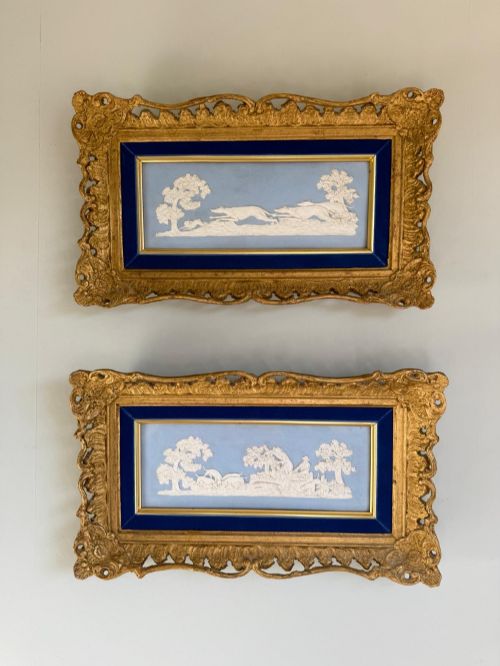
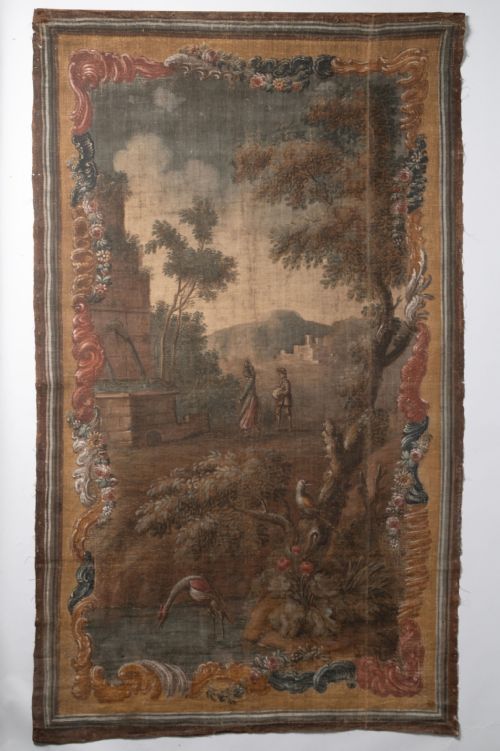
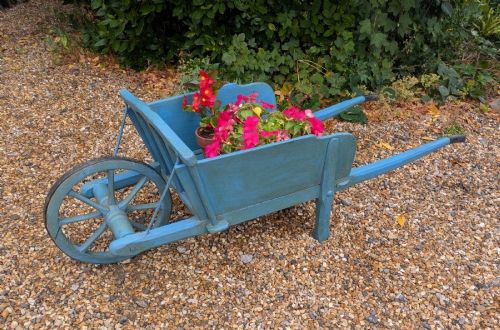
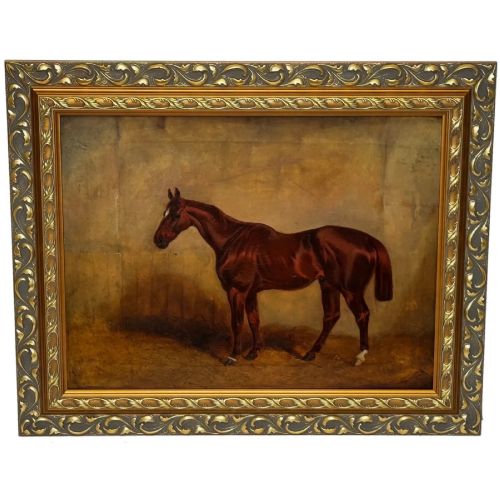
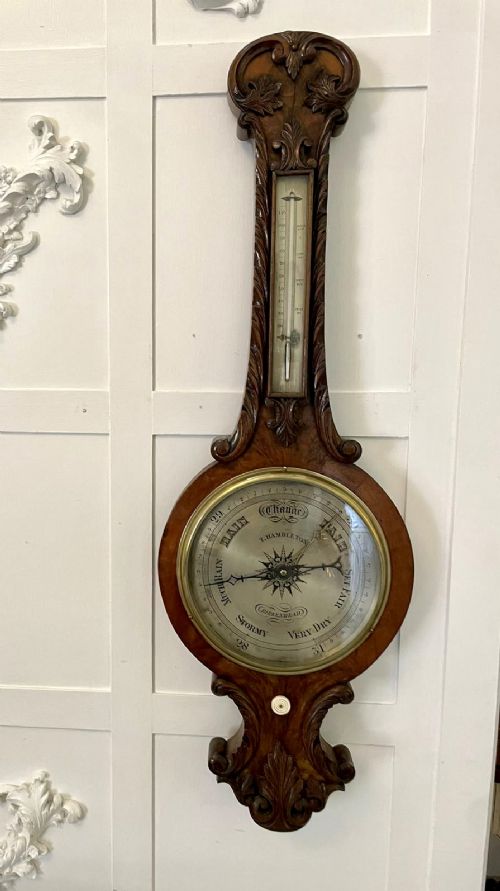
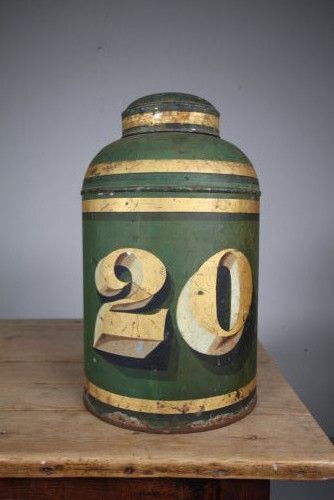
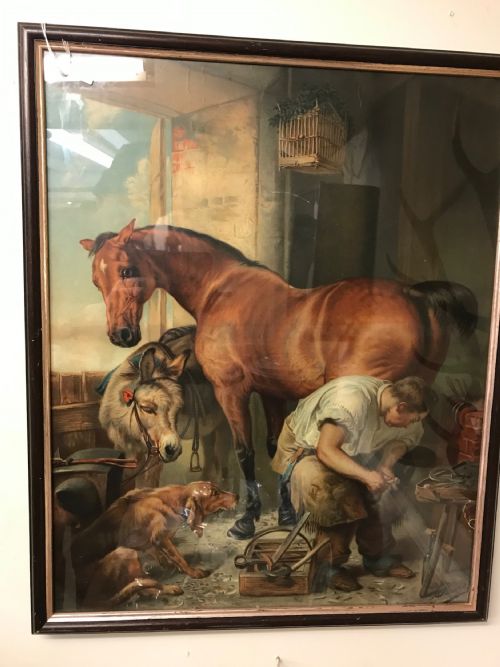
Vintage country decor encompasses functional objects, animal art and rural utilitarian items spanning several centuries up to the mid-twentieth century. When buyers search for vintage country decor, they encounter items rooted in domestic and agricultural life, including oil paintings of horses, wooden farm implements, taxidermy and toleware. The selection ranges from nineteenth-century rustic pieces to early twentieth-century decorative accessories.
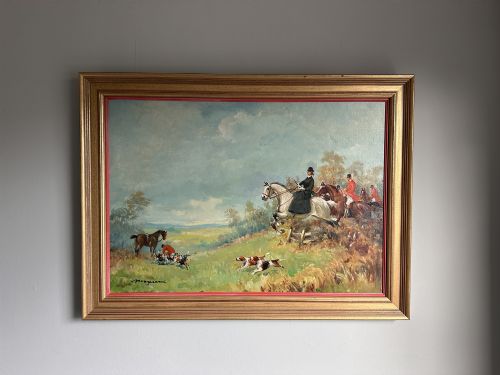
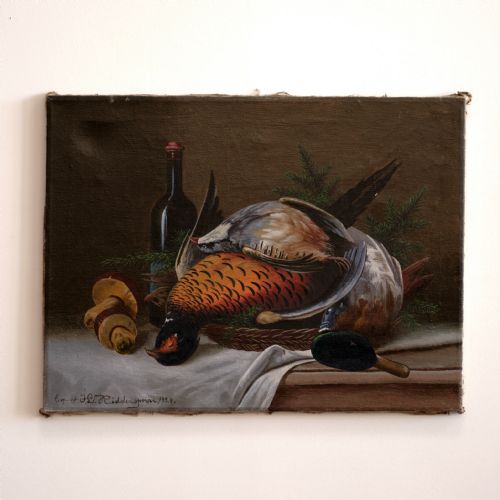
The dominant forms on this page include framed oil and watercolour paintings, cast brass ornaments, wall hangings and turned wooden kitchenalia. Many pieces reflect an English country house or rustic aesthetic, drawing on traditional rural pursuits like hunting, shooting and farming. The grouping brings together utilitarian objects and fine decorative arts from the Victorian and Edwardian periods.
Materials and construction
The construction of vintage country decor relies heavily on natural timber, cast brass, wrought iron and woven textiles. Wood items feature traditional joinery and carved details, while metal objects utilise casting, hammering and soldering techniques. Canvases and paper substrates support oil paint, watercolours and printed pigments.
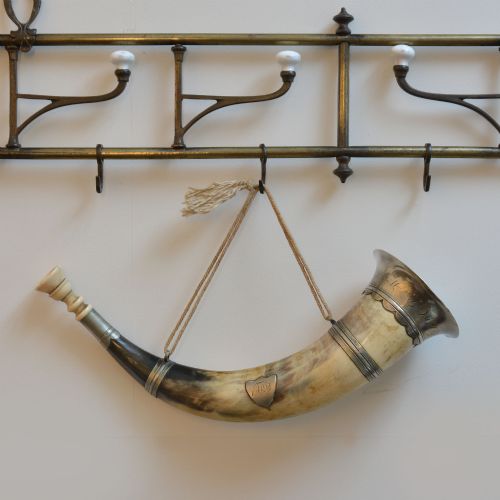
Artworks employ traditional painting mediums including oil paint and watercolours applied to canvas, paper or board. Decorative metalware incorporates brass, copper, silver and toleware finished with painted surfaces or patinated metalwork. Organic materials like horn, bone, feathers and taxidermy utilise preservation and taxidermy mounting methods specific to the period.
Vintage Country Decor Retail Price Guide 2026
Typical asking prices for vintage country decor among the pieces listed under this phrase on Sellingantiques today, from the lower quarter to the upper quarter. They describe what is for sale here now, not the wider market.
The material palette is dominated by wood, brass, oil paint, copper and canvas across various British and European periods.
Assessing quality
Quality in vintage country decor rests on the fidelity of execution, the presence of a named maker or artist, and the integrity of the materials. Fine art pieces show confident brushwork, accurate anatomical proportions in animal subjects, and stable mounting. Utilitarian items demonstrate robust construction, balanced proportions and honest wear from functional use.
The distinction between standard decorative items and exceptional pieces depends on original surface patination, maker attribution and artistic skill. Pieces bearing signatures from established animaliers or painters command greater attention than anonymous workshop examples. Original unpolished finishes and unaltered mountings preserve the historical integrity that defines superior specimens.
Charles Bilger Spalding·George Rankin·Edwin Henry Landseer·Sherwin and Cotton·John Frederick Herring Jnr·Benjamin Cam Norton
The Vintage Country Decor Glossary
- Toleware
- Lacquered or enamelled metalware, typically tin or steel, decorated with painted designs. It was popular in domestic interiors for storage and display.
- Horse brass
- A brass plaque or ornament used on heavy horse harnesses, often cast with traditional motifs. They were collected and displayed as wall decorations.
- Taxidermy
- The art of preparing, stuffing and mounting the skins of animals for display. Victorian examples frequently preserve hunting trophies and household pets.
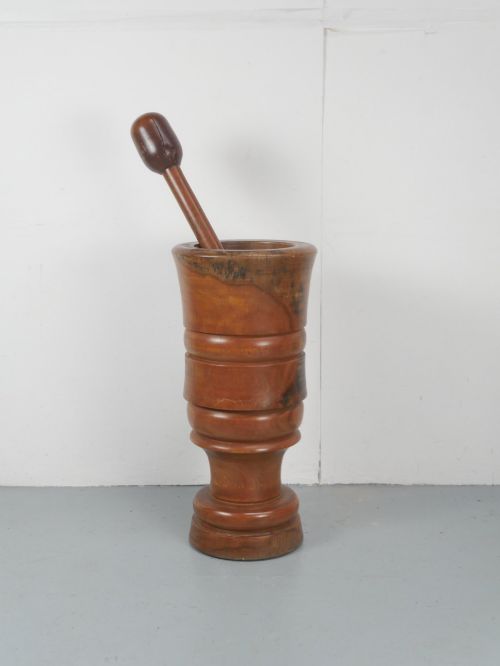
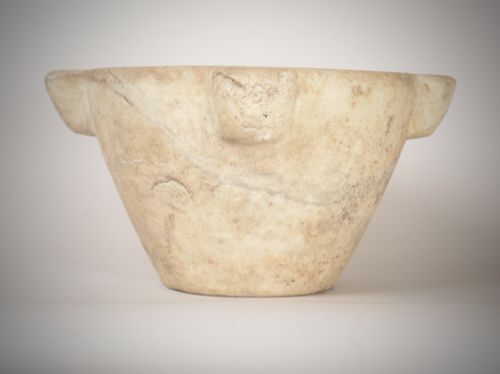
- Mortar and pestle
- A heavy bowl and club-shaped tool used for grinding and mixing ingredients. Antique versions are carved from marble, stone or hardwood.
Vintage Country Decor: Frequently Asked Questions
What is vintage country decor?
Vintage country decor comprises antique and mid-century items reflecting rural life, domestic utility and traditional sports. The category includes oil paintings of farm animals, brass homeware, wooden farm tools and taxidermy.
These pieces originate predominantly from the nineteenth and early twentieth centuries, capturing an aesthetic associated with English country houses and farming communities.
How do I style rustic decor?
Integrating rustic items into modern spaces relies on pairing patinated wood and metal surfaces with neutral backgrounds. Displaying framed paintings and wall hangings together creates a focal point in a living space or hallway.
Grouping utilitarian objects like copper pans, brass water cans or mortars adds texture and historical context to kitchens and dining rooms.
Are horse paintings common?
Equestrian art forms a significant portion of rural and country house decorative items. Paintings depict hunters, stable scenes and racing prints by nineteenth-century artists.
Horse brasses and harness ornaments offer an alternative way to incorporate equine history into wall displays without large canvases.
How do I date antique wooden items?
Dating wooden pieces involves examining tool marks, construction methods and timber species. Hand-sawn boards, pegged joints and natural patination indicate older manufacture before mass production.
Comparing items to documented examples from the Victorian or Edwardian eras helps narrow down the period of origin.