

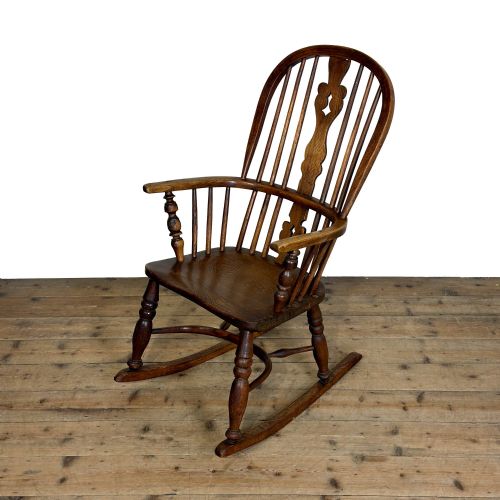
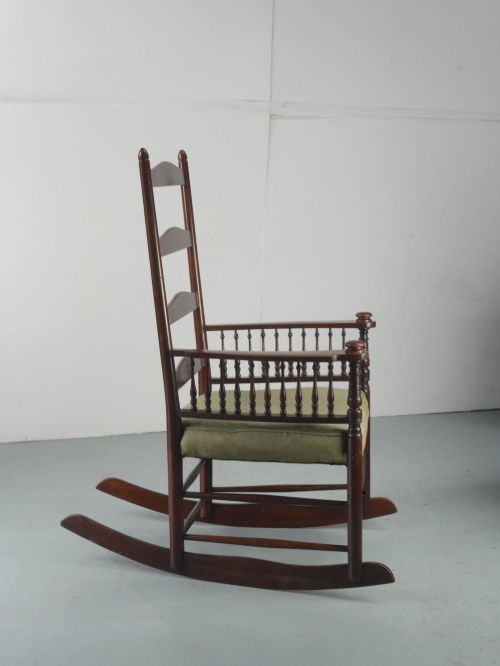
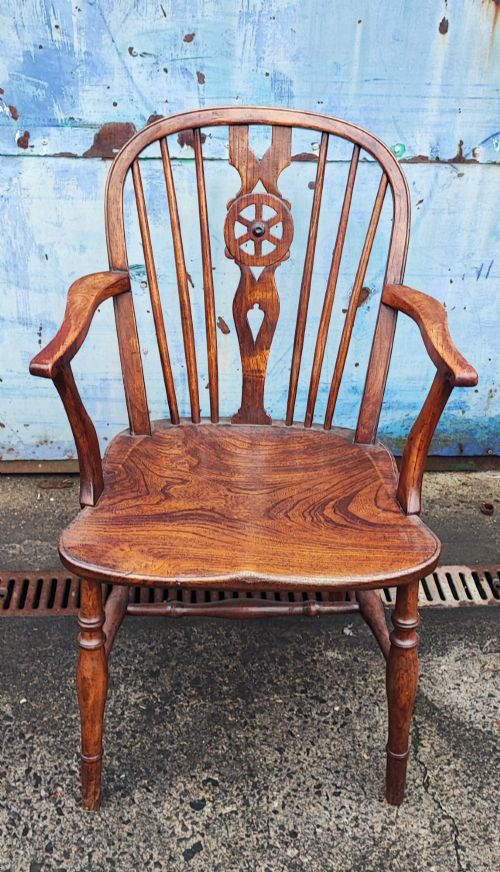
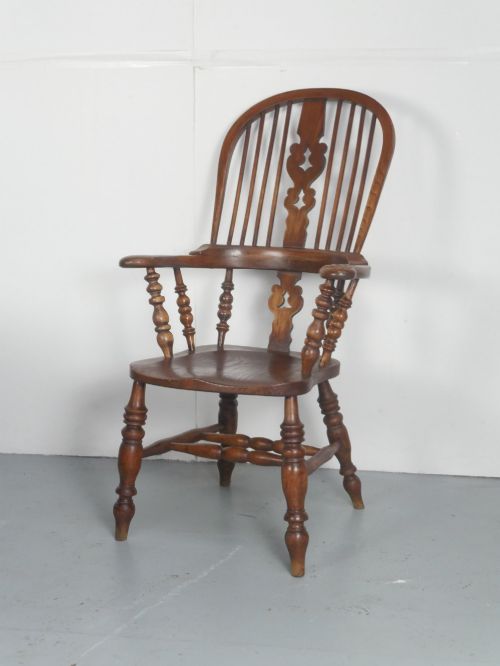
Vintage Country Arm Chair
A vintage country arm chair brings tactile warmth and vernacular character to a room, offering sturdy timbers and deep seats shaped by generations of domestic life.
Vintage Country Arm Chair
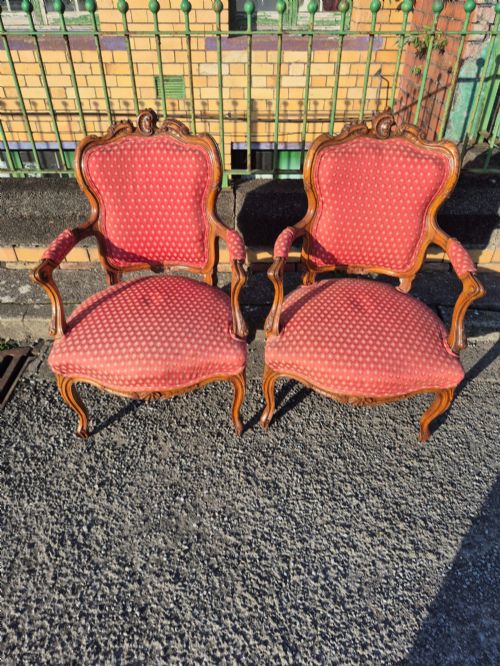
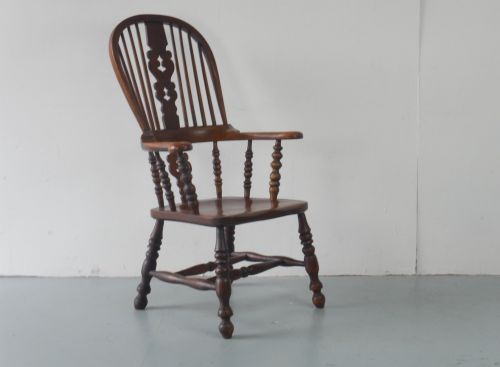
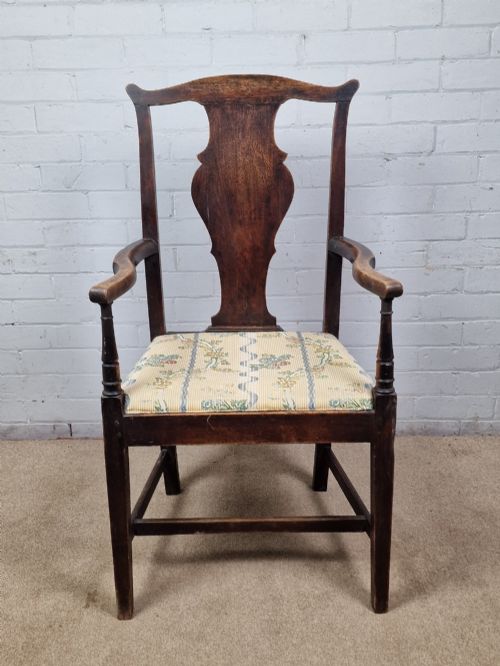
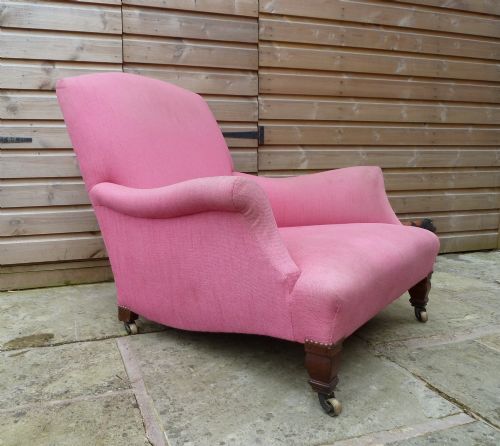
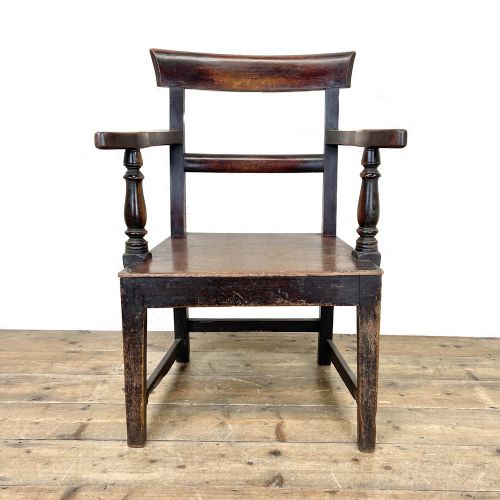
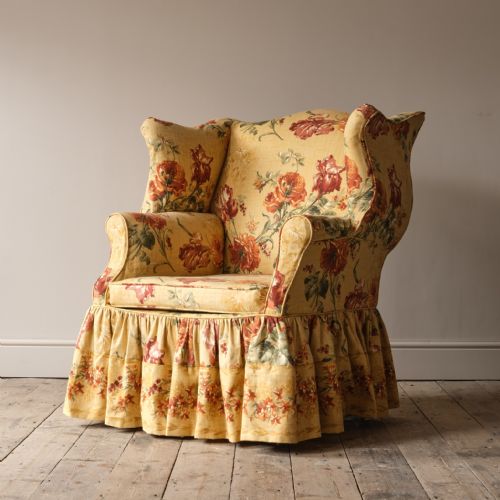
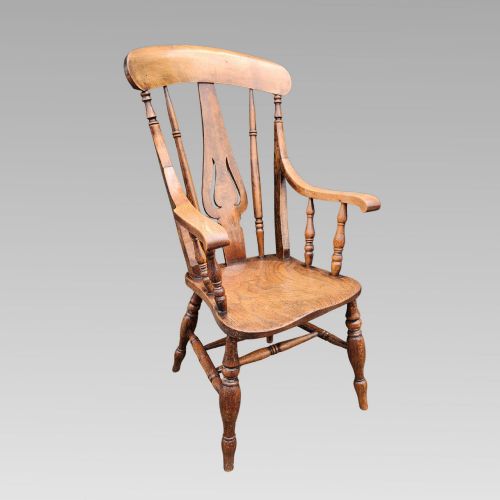
A vintage country arm chair encompasses robust domestic seating shaped by regional vernacular traditions, spanning Windsor forms, high-backed farmhouse styles, and heavy upholstered club chairs. These pieces originate from diverse periods including the Georgian era, the Victorian decades, and the Edwardian years, reflecting a long lineage of British and European cabinet making.
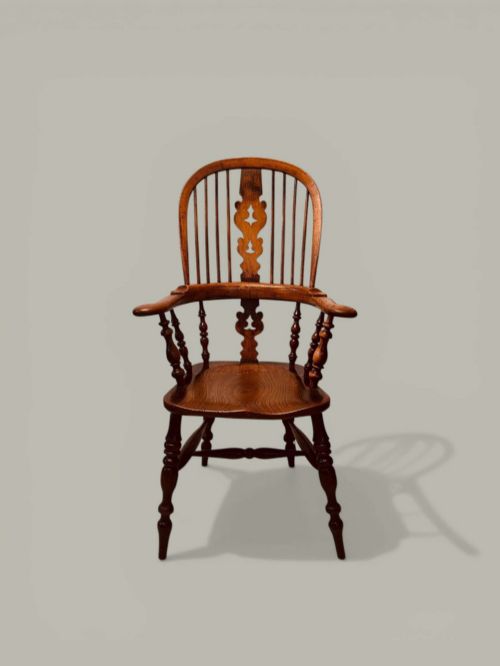
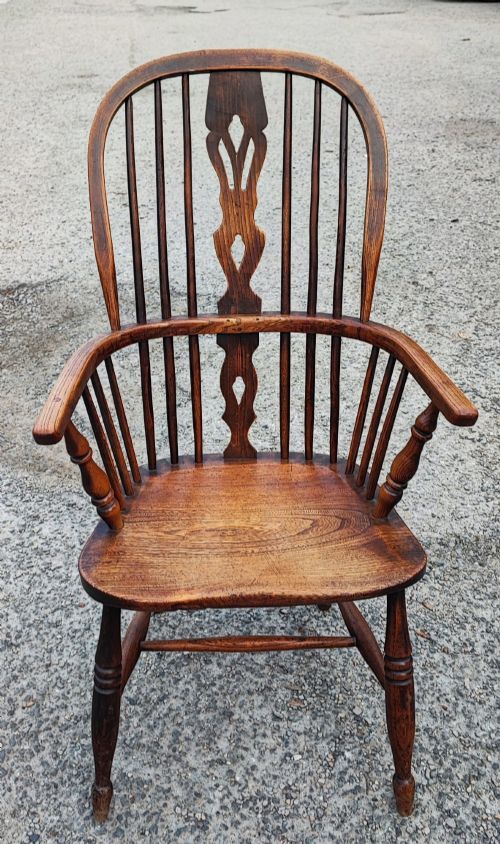
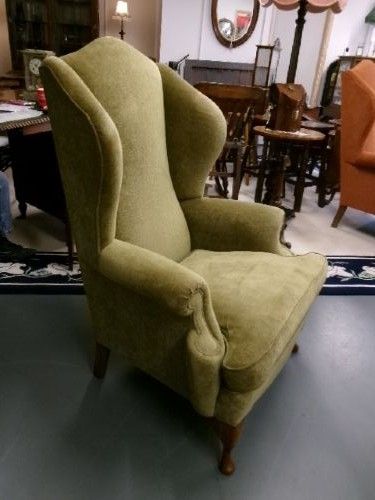
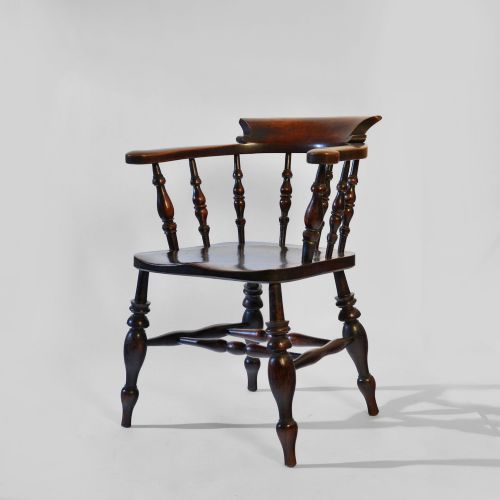
The version most commonly met on this page is the traditional Windsor chair or heavy country house armchair, constructed from native hardwoods and designed for practical everyday use. Alongside these, buyers encounter upholstered armchairs, rocking chairs, and smoker's bows that demonstrate both simple provincial utility and more formal stylistic influences.
How they were made
Makers utilised solid native timbers such as elm, ash, beech, oak, and walnut, often combining woods within a single frame to balance structural strength with workable turning properties. Elm served widely for scooped seats, while ash and beech provided resilient spindles and bentwood bows.
Joinery relied on traditional methods including turned joints, pegging, and wedged tenons, alongside rush seating and brass hardware where appropriate. Upholstered versions incorporated internal webbing, horsehair stuffing, and heavy textiles or leather fixed to wooden frames.
Vintage Country Arm Chair Retail Price Guide 2026
Typical asking prices for vintage country arm chair among the pieces listed under this phrase on Sellingantiques today, from the lower quarter to the upper quarter. They describe what is for sale here now, not the wider market.
Listings feature timbers like elm, ash, beech, and walnut combined across Georgian, Victorian, and Edwardian periods.
What varies in quality
Quality rests upon the integrity of the timber and the original execution of the turning, carving, or upholstery, where tighter grain and heavier seasoned woods maintain structural rigidity over centuries. Chairs that retain their original unblemished surface patination and uncompromised joinery stand apart from those subjected to excessive rebuilding or harsh stripping.
The sophistication of the design, whether an architecturally balanced Windsor bowback or a deeply sprung country house armchair, dictates the level of craftsmanship involved. Pieces that preserve their authentic components, such as original rush seats or early leather coverings, command greater interest than those heavily altered by later restorations.
HOWARD AND SONS·Gillows·Morris and Co·Liberty of London
The Vintage Country Arm Chair Glossary
- Windsor chair
- A wooden chair built with a heavy solid wooden seat into which the legs and back spindles are separately bored and wedged. This form relies on shaped components rather than a continuous joined frame.
- Smoker's bow
- A low-backed Windsor armchair featuring a continuous curved armrail supported by turned spindles above a solid wooden seat. It derives from traditional pub and farmhouse seating.
- Vernacular
- Architecture and furniture built by local craftsmen using traditional regional methods and native materials, prioritizing utility over high-style academic design.
- Show frame
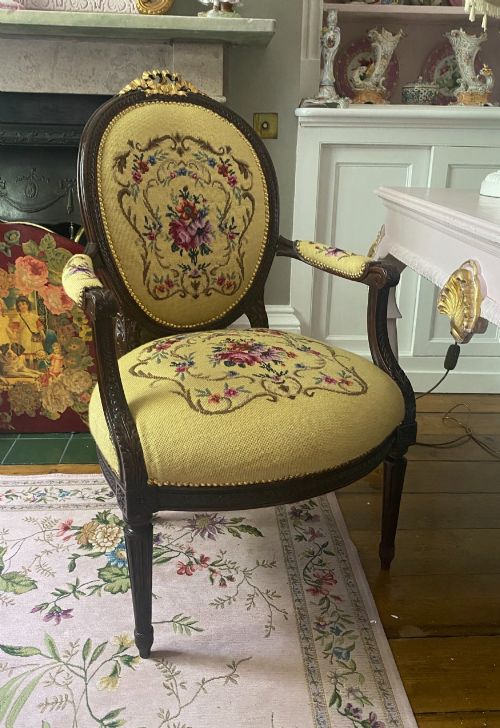
- An exposed wooden framework on an upholstered chair where polished timber remains visible around the padded elements. It highlights the quality of the underlying cabinet work.
- Fauteuil
- An open-framed upholstered armchair originating in France, characterised by exposed wooden arms and a padded back and seat. It represents a more formal continental seating tradition.
Vintage Country Arm Chair: Frequently Asked Questions
What defines a country armchair?
A country armchair is characterised by its honest construction, practical function, and use of native timbers like elm, oak, and ash rather than exotic imported veneers. These seats were built for everyday domestic durability in rural homes and farmhouses.
Over time, exposure to daily use gives the timber a rich, tactile surface patination that distinguishes regional craftsmanship from formal urban furniture production.
How do I identify a Windsor chair?
Windsor chairs are instantly recognised by their thick sculpted wooden seats, which serve as the central anchor for all other structural parts. The legs and back spindles fit directly into bored holes within this solid plank.
Variations include comb backs, hoop backs, and low-backed smoker's bows, each utilising steam-bent wooden components to create supportive enclosures.
Where were country armchairs used?
These chairs found their natural home beside farmhouse hearths, in country house libraries, and throughout provincial cottages where robust seating was essential. Their sturdy build accommodated heavy daily use by families and workers alike.
Today, their adaptable scale and comfortable proportions allow them to sit easily in modern living rooms, studies, and hallways.
How do I care for antique timber?
Maintaining antique timber requires keeping pieces away from direct heat sources and sudden humidity changes that can cause wood to split or warp. Regular dusting and occasional application of appropriate natural wax preserve the dry surface shine.
Harsh chemical cleaners should be avoided to protect the historic patination accumulated across generations of use.