


Vintage Counter
A vintage counter brings commercial history directly into domestic spaces, offering sturdy timber surfaces and utilitarian storage shaped by trade.
Vintage Counter
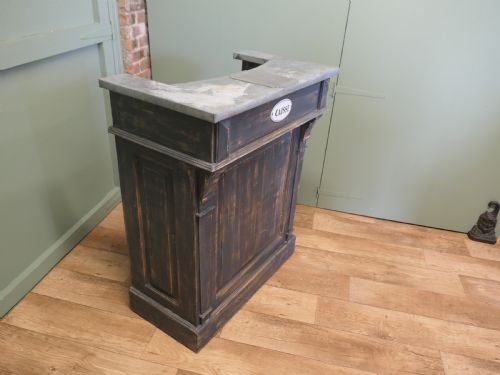
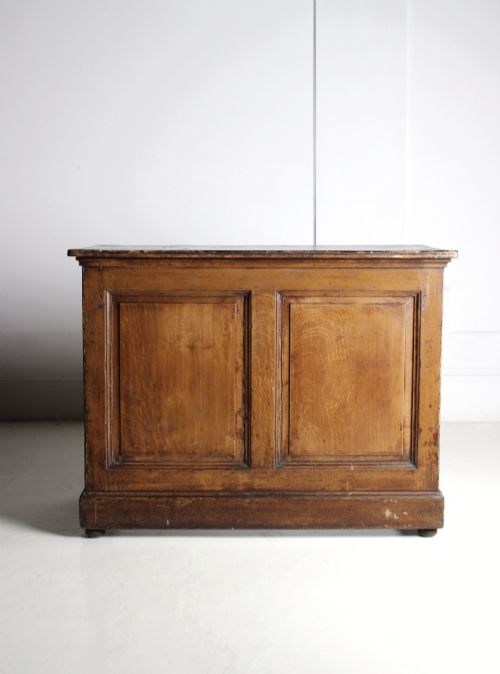
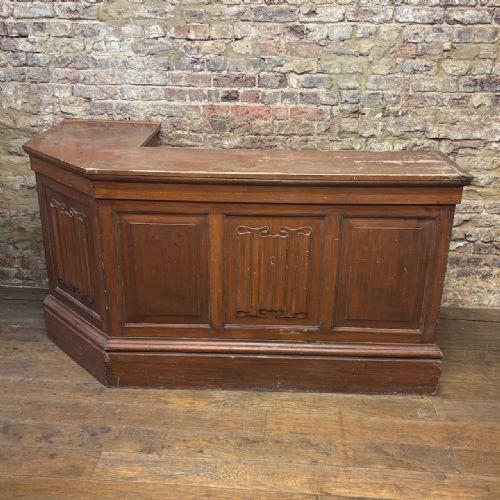
A vintage counter spans substantial oak commercial desks, painted pine shop fixtures, and glazed display cabinets originating from the Victorian period through to the mid-twentieth century. Buyers search for these pieces to anchor kitchens, hallways, and commercial interiors with authentic trade history and durable workspace.
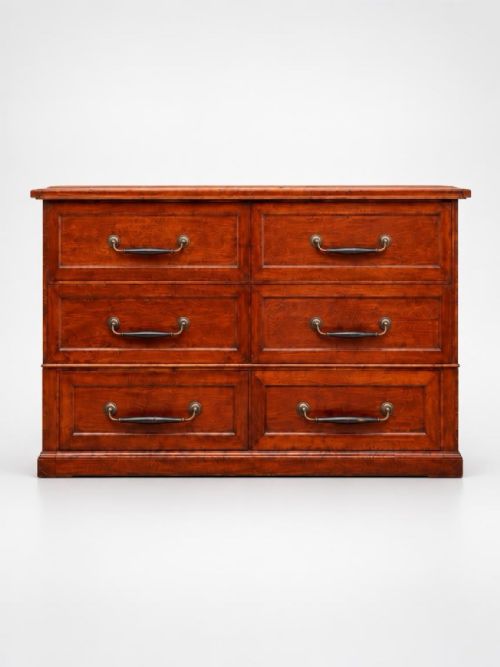
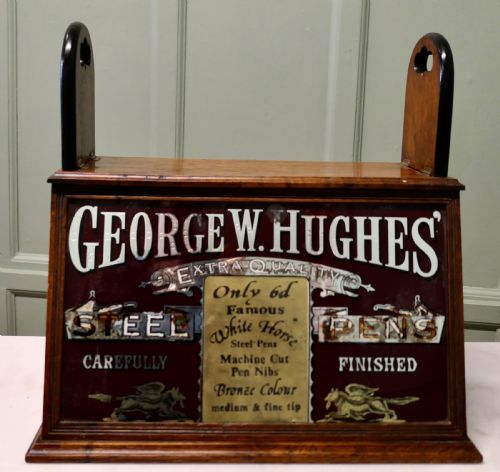
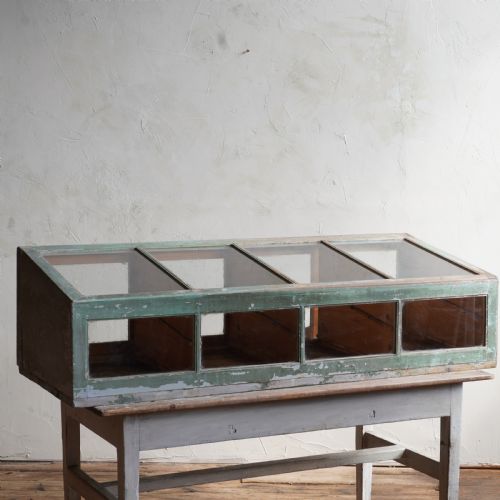
The most common examples on this page include sturdy oak and pine shop counters, narrow haberdashery units with banks of drawers, and smaller tabletop display cabinets designed for grocers and drapers. These forms reflect the practical demands of nineteenth-century and early twentieth-century retail environments.
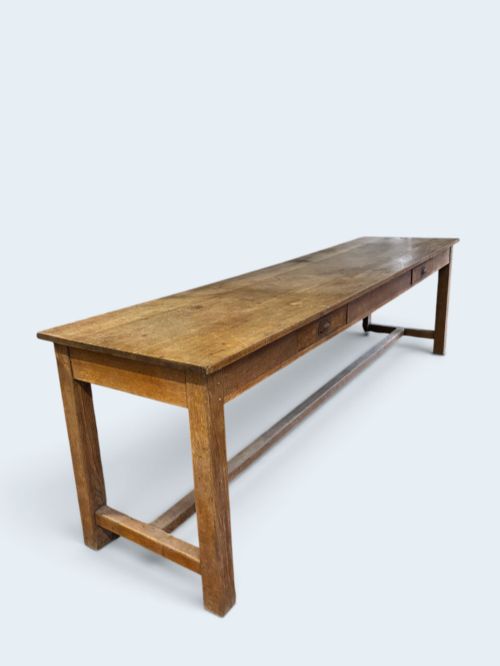
Period styles range from austere Victorian commercial designs and Edwardian shop fittings to rustic farmhouse tables and industrial oak pieces. Each item retains the functional proportions and honest construction required by original merchants and tradespeople.
Materials and construction
Makers built these pieces primarily using solid timbers like oak, pine, mahogany, and sycamore, selecting each wood for its density and capacity to withstand daily retail use. Joinery techniques relied on robust framing, panelled doors, and dovetailed drawers that remain rigid after decades of service.
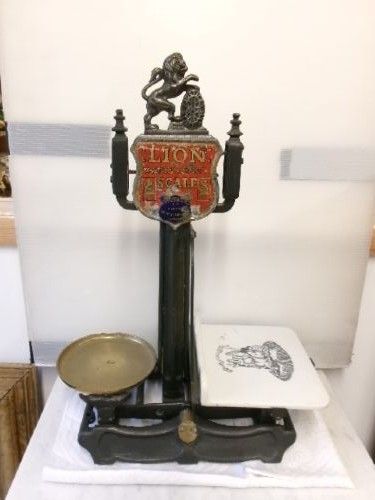
Metal components introduce contrasting industrial elements, utilising cast iron for structural bases, brass for handles and display frames, and chrome for later twentieth-century trim. Painted finishes, frequently seen in faux oak effects or distressed surfaces, protect the underlying wood while recording the varied aesthetic choices of different eras.
Vintage Counter Retail Price Guide 2026
Typical asking prices for vintage counter among the pieces listed under this phrase on Sellingantiques today, from the lower quarter to the upper quarter. They describe what is for sale here now, not the wider market.
Object forms include haberdashery display cabinets, bakers prep tables, drapers tables, and modular banks of shop drawers.
Assessing quality and authenticity
Quality rests in the integrity of the original commercial framework, distinguishing pieces retaining their authentic glazed panels, maker plates, and functional hardware from altered or reconstructed items. Superior examples display honest patination on working timber surfaces rather than heavy modern restoration.
The grade of materials defines the upper tier, where dense oak and mahogany structures with original brass detailing outlast softer pine alternatives that suffered heavier mercantile wear. Weight, stability, and the retention of internal shop fittings indicate the original manufacturing standard.
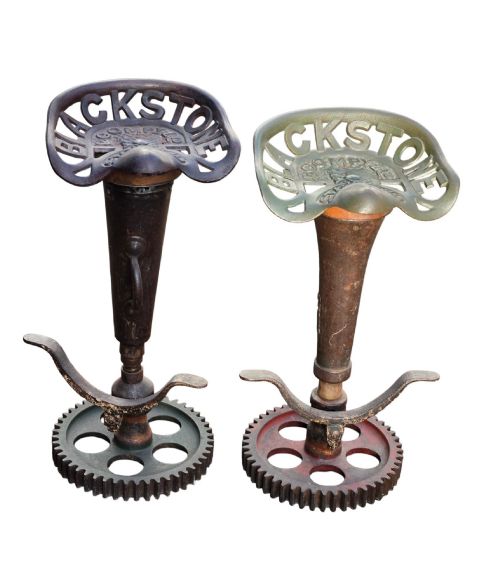
Blackstone & Co.·Herbert & Sons London·F. Sage & Co·WMF·Dudley & Co
The Vintage Counter Glossary
- Haberdashery counter
- A long retail fixture traditionally fitted with numerous small drawers or glass fronts for storing textiles and small goods. These units offer exceptional compartmentalised storage for modern domestic organisation.
- Faux oak
- A painted surface treatment designed to imitate the grain and rich colour of genuine oak timber. This technique allowed shopkeepers to achieve an expensive aesthetic using more affordable softwood bases.
- Display cabinet
- A glazed enclosure built into shop counters or standalone fixtures to showcase merchandise securely. They feature hinged or sliding glass doors to protect delicate items while maintaining visibility.
- Dresser base
- A heavy lower cabinet featuring surface boards and storage cupboards or drawers. Originally utilised in preparation and serving areas, these provide substantial standalone table space.
Vintage Counter: Frequently Asked Questions
What rooms suit a vintage counter?
These large fixtures find natural placement in kitchens as central preparation islands, or in hallways and living spaces as statement consoles. Their generous proportions provide immediate surface area and substantial storage.
Smaller tabletop display versions sit comfortably on sideboards or desks to house curated collections. Their commercial heritage brings a grounded, utilitarian character to domestic interiors.
How do I maintain the wooden surface?
Regular dusting with a dry cloth protects the aged timber surface and preserves existing patination. Avoid excessive moisture and apply natural beeswax periodically to nourish dry grain.
Utilitarian counters accumulate marks from daily trade use over decades. Embracing these minor dings preserves the historical character integral to antique furniture.
How were these counters used originally?
Merchants operated these fixtures as central workstations in grocery shops, drapers, and chemists to serve customers and wrap goods. Glass display sections held perishable items or delicate wares safely out of reach.
Bank drawers and shelving compartments below kept small inventory organised and accessible during busy trading hours. Every structural detail served a specific mercantile function.
How do I date a shop counter?
Dating relies on examining the timber species, construction methods, and hardware styles. Victorian examples often feature heavy mahogany or pine with hand-cut dovetails and brass pulls, while 1930s pieces introduce chrome and standardised fixings.
Maker stamps, cast iron foundry marks, and original painted advertising signage provide precise chronological clues. These elements link specific fixtures to known nineteenth and twentieth-century manufacturing periods.