

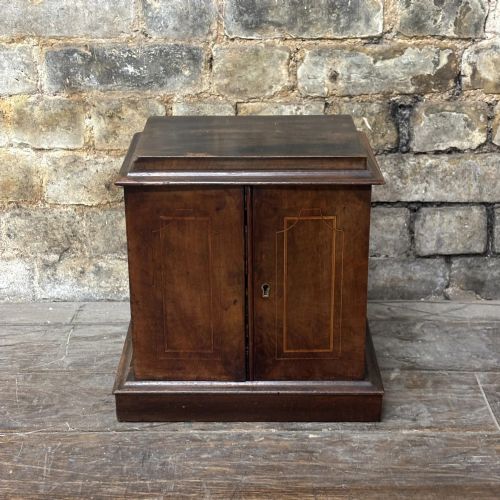


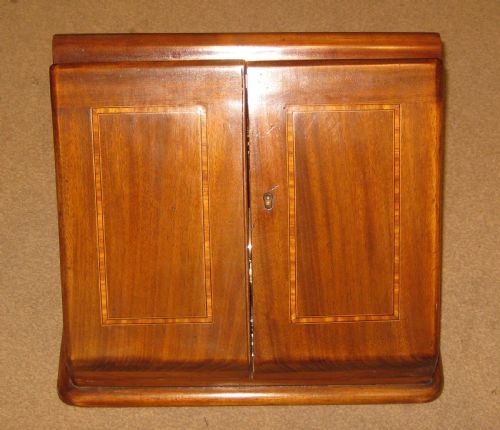


Vintage Correspondence Cabinet
These vintage correspondence cabinet examples offer refined desktop storage, combining rich timber construction with clever internal compartmentalisation for the orderly writer.
Vintage Correspondence Cabinet
A vintage correspondence cabinet is a compact desk accessory designed to house stationery, paper, and writing implements neatly in an office or study. Buyers exploring this phrase encounter a variety of forms, including stationery boxes, fall front desks, and desktop tidies.
The pieces appearing on this page span the Victorian and Edwardian eras, alongside items from nineteen twenty and the nineteenth century. Oak and mahogany dominate the selection, frequently paired with brass hardware and leather details.
Edwardian interpretations and late nineteenth century examples appear most frequently in the current selection. These items range from simple oak boxes to sophisticated inlaid mahogany stationery cabinets.
Materials and construction
Cabinet makers utilised solid timbers like oak and mahogany to build durable frames, often incorporating boxwood and boxwood inlay for decorative contrast. Glass panels and brass fittings frequently complete the construction of these desktop pieces.
Internal layouts required precise carpentry to create tiered letter racks, pen trays, and compartments for envelopes. Exterior surfaces show meticulous finishing, utilising polish to highlight the natural grain of the wood.
Vintage Correspondence Cabinet Retail Price Guide 2026
Typical asking prices for vintage correspondence cabinet among the pieces listed under this phrase on Sellingantiques today, from the lower quarter to the upper quarter. They describe what is for sale here now, not the wider market.
Current listings feature pieces spanning the Victorian and Edwardian periods, constructed primarily in oak and mahogany with brass and leather elements.
Assessing quality and craftsmanship
Superior examples distinguish themselves through thoughtful timber selection and precise joinery that withstands daily opening and closing. The integration of fine inlay work and robust brass hardware elevates a piece above standard utility items.
Finer specimens often feature signed maker details or specialised internal fittings like leather lined writing surfaces and tailored stationery slots. The crispness of the exterior carving and the balanced proportions of the cabinet dictate its standing within the range.
Houghton and Gunn
The Vintage Correspondence Cabinet Glossary
- Fall front
- A hinged panel that drops forward to reveal interior compartments and writing surfaces. This mechanism is frequently found on desktop stationery boxes.
- Stationery cabinet
- A dedicated desk organizer fitted with internal slots and shelves for paper and envelopes. These pieces protect writing materials from dust and light.
- Inlay
- A decorative technique where contrasting materials such as boxwood are inserted into recesses within the primary wood surface. This adds linear detail to the exterior.
- Desk tidy
- A functional container designed to keep small writing accessories organised on a desktop. These items range from simple open boxes to lidded compartments.
- Arts and Crafts
- A design movement emphasising handcraftsmanship and simple forms over mass production. Pieces from this style exhibit honest construction and minimal ornamentation.
Vintage Correspondence Cabinet: Frequently Asked Questions
What is a vintage correspondence cabinet used for?
These cabinets were originally designed to keep writing paper, envelopes, and small correspondence tools neatly organised on a desk. They provide a practical way to store loose stationery away from dust.
Today, they serve a similar purpose while adding period character to modern home offices and studies.
How do I date a correspondence cabinet?
Dating relies on observing the timber choice, construction techniques, and decorative styles present on the piece. Victorian examples often feature rich mahogany or heavy oak, while Edwardian versions can display lighter satinwood or delicate boxwood inlay.
Hardware styles, such as brass hinges and escutcheons, also offer clues to the manufacturing decade.
Where should I place a stationery box at home?
These boxes suit placement on a desktop, side table, or bookcase where their wood grain and brass details remain visible. They function well as practical storage for modern letters, stamps, and small office supplies.
Keeping them out of direct sunlight preserves the polish and prevents the timber from drying out.
Are these cabinets made from solid wood?
Most examples utilise solid timbers such as oak and mahogany for their primary structural components. Cabinet makers selected these durable woods to ensure the pieces endured daily desktop use.
Secondary woods and veneers occasionally appear on internal partitions or decorative inlay panels.