



Vintage Copper Garden Planter
A vintage copper garden planter brings warmth to outdoor spaces, combining robust metal construction with centuries of working utility.
Vintage Copper Garden Planter
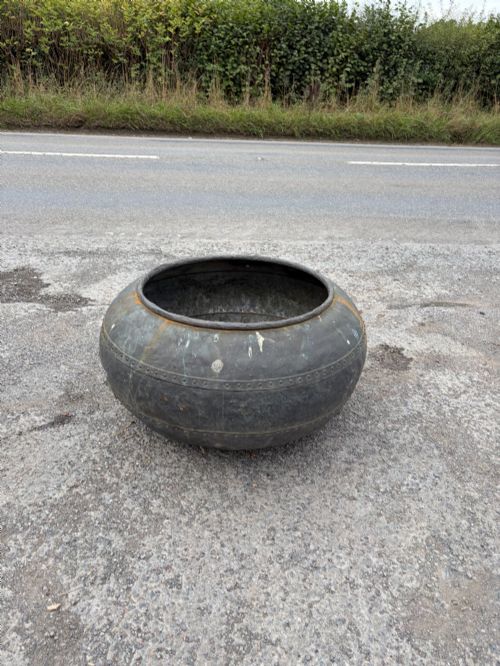
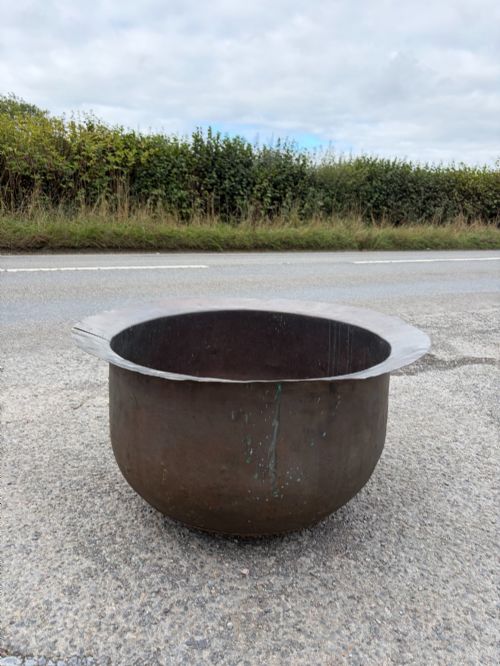
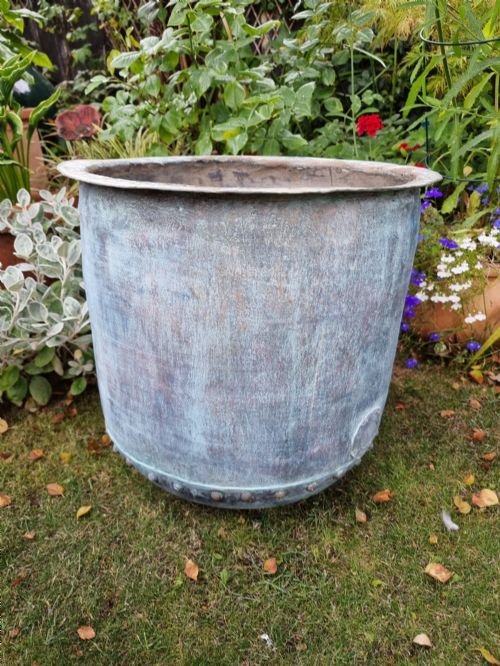
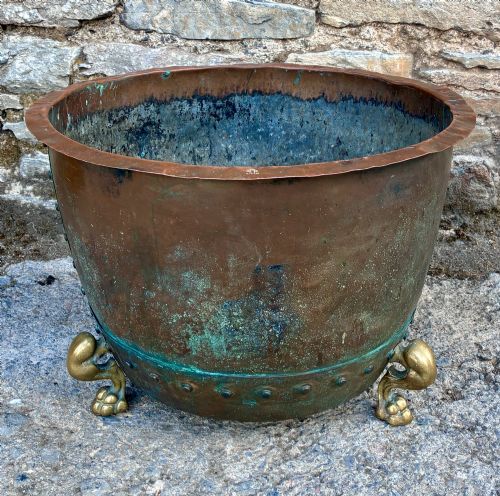
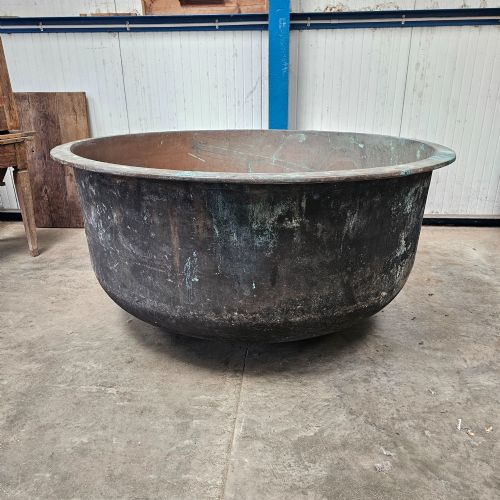
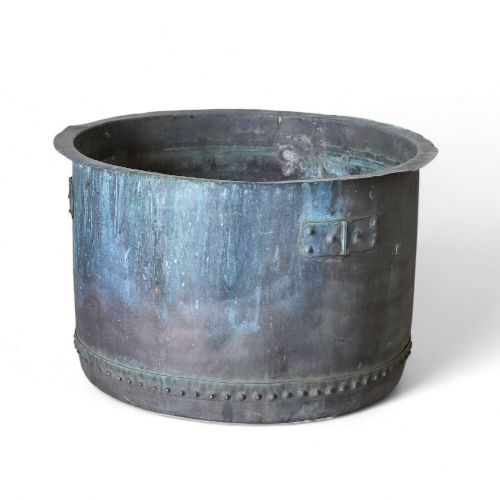
A vintage copper garden planter typically originates from utilitarian vessels adapted for modern horticulture, such as nineteenth-century pots, cauldrons, wash tubs, and cheese vats. Buyers searching for a vintage copper garden planter encounter substantial forms designed originally for heavy domestic or agricultural labour rather than decorative gardening.
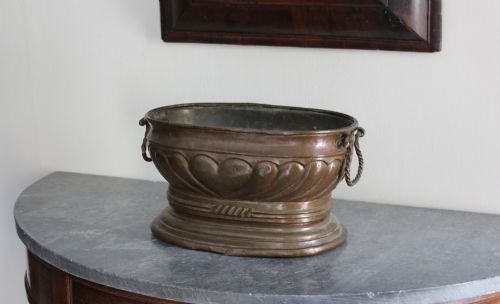
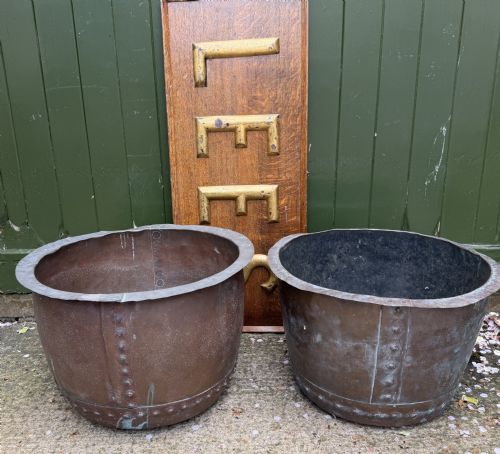
The selection ranges from large French display pots and English hand-riveted planters to log bins and lidded coppers spanning the eighteenth century through to the Edwardian period. Many examples display practical alterations over time, shifting from industrial service indoors or on farms to display vessels in gardens.
Rural styles dominate the offerings, including nineteenth-century country, rustic farmhouse, and utilitarian designs that prioritise capacity and structural strength. These pieces suit modern gardens precisely because their original purpose demanded durable, weather-resistant materials.
Construction and materials
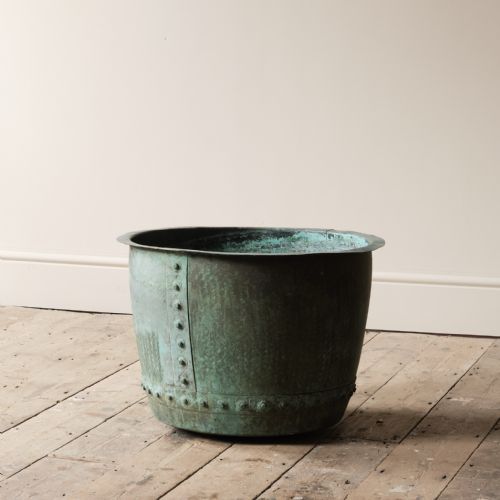
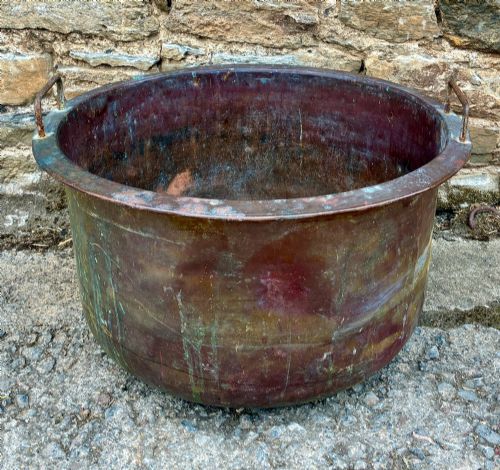
Makers fashioned these vessels primarily from heavy gauge copper sheets, joining the seams by hand with overlapping rivets to withstand intense heat and heavy contents. Wrought iron and cast iron frequently appear in swing handles, bands, and structural mounts, providing the necessary strength to lift and support large volumes.
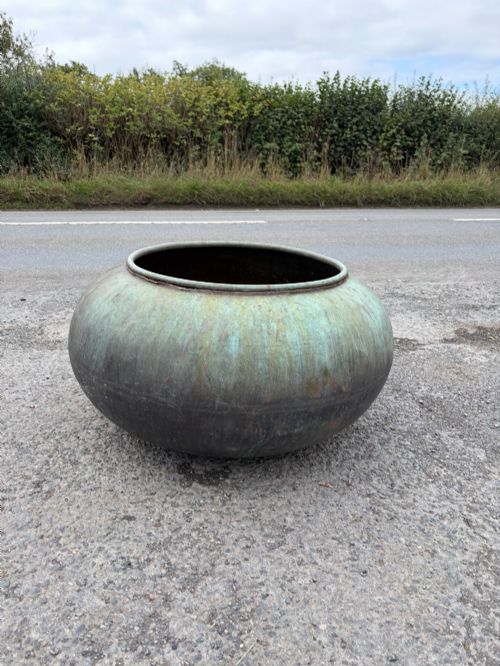
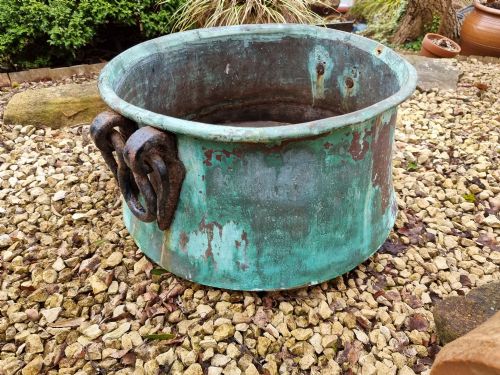
Secondary materials such as brass, steel, and tin are integrated into specific components like watering cans and reinforcement rims. Surfaces display natural patination, verdigris finishes, and traces of historic paint, recording decades of exposure to the elements and active use.
A French cheese vat finds a second life holding petunias, proving heavy industry makes an unexpectedly charming herbaceous border.
Assessing quality and character
Quality rests in the integrity of the original construction, particularly the regularity of hand-riveting and the thickness of the copper sheet used to form the body. Vessels that retain robust iron swing handles or structural iron bands demonstrate superior original utility.
Surface character heavily influences desirability, with stable verdigris and deep, undisturbed patination marking the most appealing specimens. Pieces that maintain honest proportions without excessive modern alteration command greater interest from buyers seeking genuine period character.
Orme Evans & Co
The Vintage Copper Garden Planter Glossary
- Riveted
- A method of joining metal plates where individual pins are hammered through overlapping edges to create a permanent mechanical seal. This technique is essential for dating nineteenth-century utility vessels.
- Verdigris
- The green patina that forms naturally on copper surfaces through long-term exposure to weather and moisture. Collectors value this stable chemical layer for its protective qualities and aesthetic depth.
- Cauldron
- A large, deep metal pot with a rounded base, traditionally used over fires for boiling liquids. In garden settings, these deep vessels provide ample root space for large shrubs and small trees.
- Log bin
- A wide cylindrical container originally designed for storing firewood beside a hearth. Their generous proportions make them ideal receptacles for container gardening.
- Patina
- The surface sheen and colour variation developed by metal through age, handling, and environmental exposure. A rich patina indicates genuine age rather than artificial chemical ageing.
Vintage Copper Garden Planter: Frequently Asked Questions
How do I use a vintage copper planter outside?
These vessels suit direct planting or act as outer cachepots to house potted shrubs and flowering plants safely. Ensure adequate drainage by placing gravel at the base if planting directly into the metal.
Position the planter where shifting natural light highlights the verdigris and patinated surface. Raising the vessel slightly off damp ground helps preserve the base metal over successive seasons.
Can I leave copper planters out in winter?
Copper withstands outdoor weathering remarkably well due to its corrosion-resistant properties. The metal naturally develops a protective verdigris layer when exposed to rain and atmospheric moisture.
Ensure that trapped water does not freeze and expand inside uninsulated vessels, which can stress historic seams. Tipping containers or covering them during severe frost prevents ice damage.
How do I tell an eighteenth-century pot apart from a Victorian one?
Eighteenth-century vessels often display heavier hand-beaten forging marks and irregular contours reflecting earlier workshop practices. Rivet styles and edge-finishing techniques also shift noticeably between the Georgian era and the industrial standardisation of the Victorian period.
Examining the uniformity of the sheet metal and the construction of iron handles provides reliable clues to dating. Earlier pieces generally show more individual hand-crafting in every structural joint.
Should I polish my vintage copper planter?
Collectors generally advise against aggressive polishing, as this removes the historic patina and verdigris accumulated over generations. Preserving the surface history maintains both the visual character and the integrity of the metal.
Gentle washing with warm water and mild soap removes surface dirt without stripping the aged finish. Allowing the metal to age naturally preserves the authentic garden aesthetic.