



Vintage Copper Frame
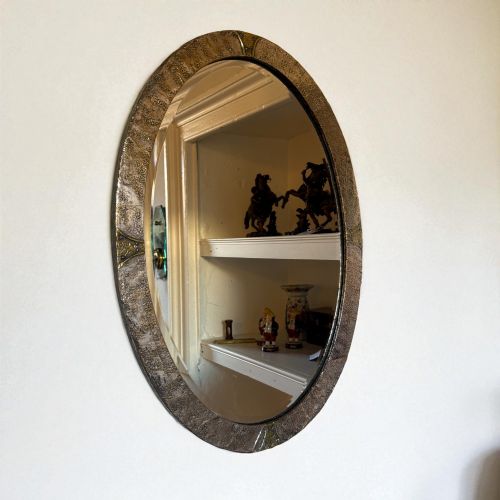
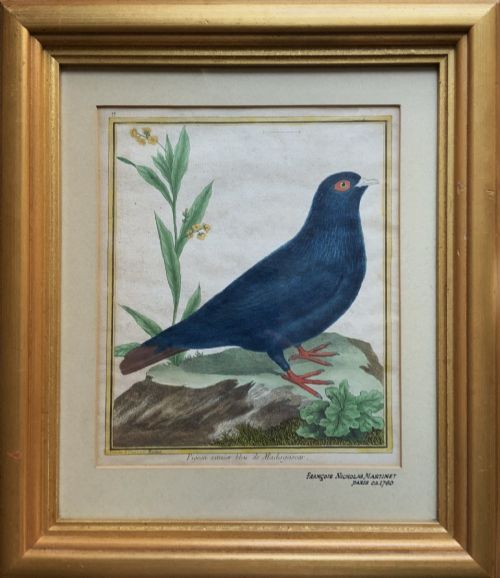
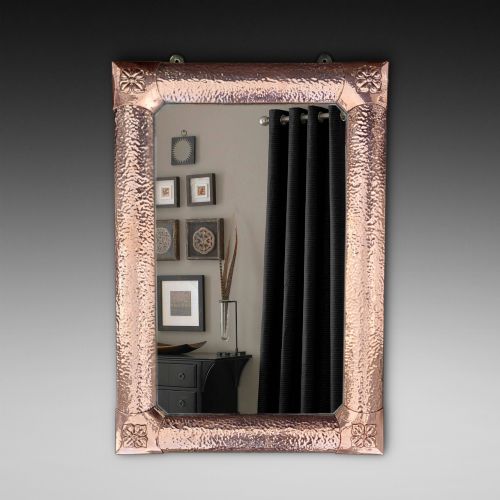
A vintage copper frame holds paper prints, mirrors and plaques, bringing tactile warmth and hand-worked metal character to any interior.
Vintage Copper Frame
A vintage copper frame encompasses decorative wall mirrors, picture frames and firescreens produced across the Georgian, Victorian, Edwardian and Art Deco eras.
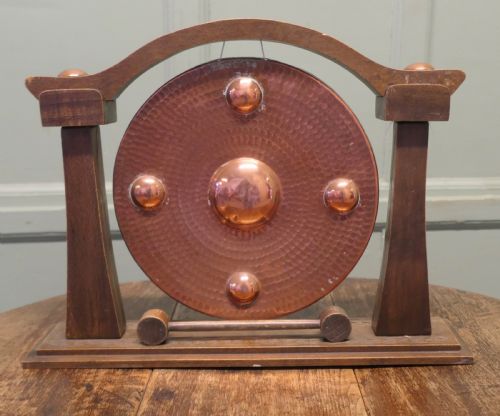
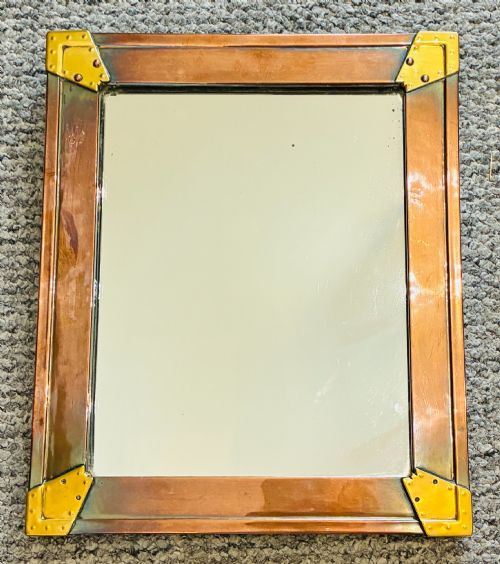
The most prevalent style within this group is the Arts and Crafts movement, featuring hand-beaten and repoussé metalwork often centred around mirrors or ceramic cabochons.
Pieces range from circular and rectangular mirror surrounds to structured fireside furnishings and photograph holders built from copper, brass, iron and glass.
Materials and construction
Craftsmen shaped these items using sheet copper, brass and iron, frequently employing hand-beaten repoussé techniques to raise decorative motifs directly from the metal.
Many designs integrate auxiliary materials such as bevelled glass, oak timber frames, enamel plaques and ceramic cabochons to complement the metallic lustre.
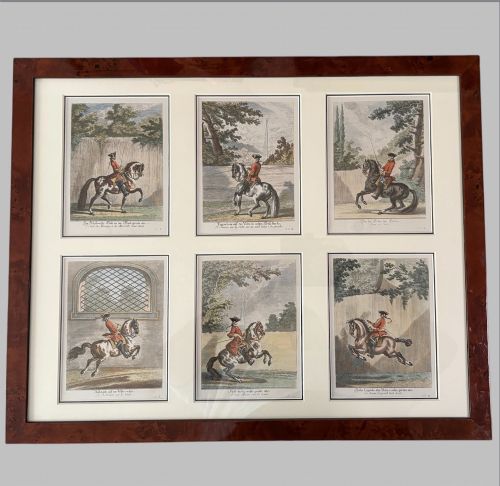
Surface detailing relies on hand-colouring, etching and engraving applied to paper prints, maps and plates secured within the metal housings.
Periods represented span the eighteenth century, Victorian era, Edwardian years and Art Deco nineteen-thirties.
Distinguishing quality
Quality rests upon the depth and definition of the hand-hammered relief work, where crisp tooling indicates superior artisan skill over flat, mechanically pressed sheets.
The integrity of the construction governs the piece, seen in sturdy timber backing, original iron fixings and substantial gauges of copper rather than thin foil overlays.
Liberty and Company·Ruskin Pottery
The Vintage Copper Frame Glossary
- Repoussé
- A metalworking technique where the artisan hammers the metal from the reverse side to form a raised design on the front. This method defines the tactile surface texture of Arts and Crafts metalwork.
- Cabochon
- A polished, convex gemstone or ceramic piece without facets, frequently set into the copper borders of Arts and Crafts mirrors and firescreens. Ruskin pottery pieces often served this purpose.
- Etching
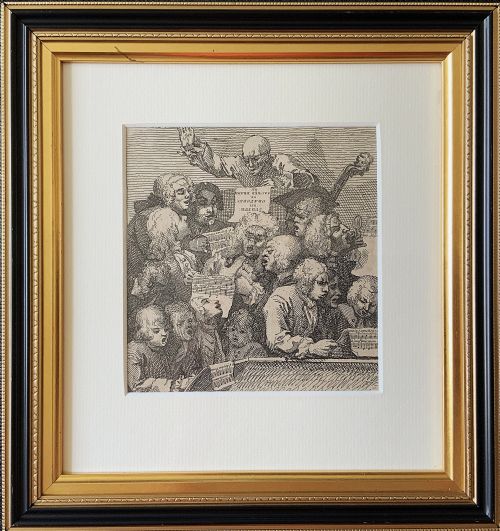
- A printmaking process where acid cuts into unprotected parts of a metal plate to hold ink, producing fine linear artworks often found mounted within these frames.
- Stipple engraving
- A printmaking technique using dots rather than lines to create tonal gradations and soft shadows in historical book plates and illustrations.
Vintage Copper Frame: Frequently Asked Questions
What periods do these copper items date from?
The inventory spans from the eighteenth century through the Victorian, Edwardian and Art Deco periods, with a strong concentration of Arts and Crafts examples from around nineteen hundred.
Items range from eighteenth-century engraved plates in period mounts to early twentieth-century mirrors and photograph frames shaped from sheet metal.
How do I care for vintage copper frames?
Maintain the metal by dusting gently with a soft dry cloth, avoiding harsh chemical cleaners that strip the historical patina accumulated over the decades.
Keep glass inserts clean with standard glass spray applied to a cloth rather than directly onto the surrounding metal frame.
Are these pieces strictly mirrors or do they include prints?
The selection includes both functional mirror frames and framing structures housing historical etchings, hand-coloured engravings, botanical plates and photographic portraits.
Certain pieces also extend to broader decorative hardware such as firescreens, coal buckets and picture frames.
How do I identify an Arts and Crafts copper piece?
Look for hand-beaten surfaces, visible hammer marks, stylised plant motifs and riveted construction rather than mass-produced uniformity.
Many incorporate organic shapes, embossed panels and maker associations with firms like Liberty and Company.